
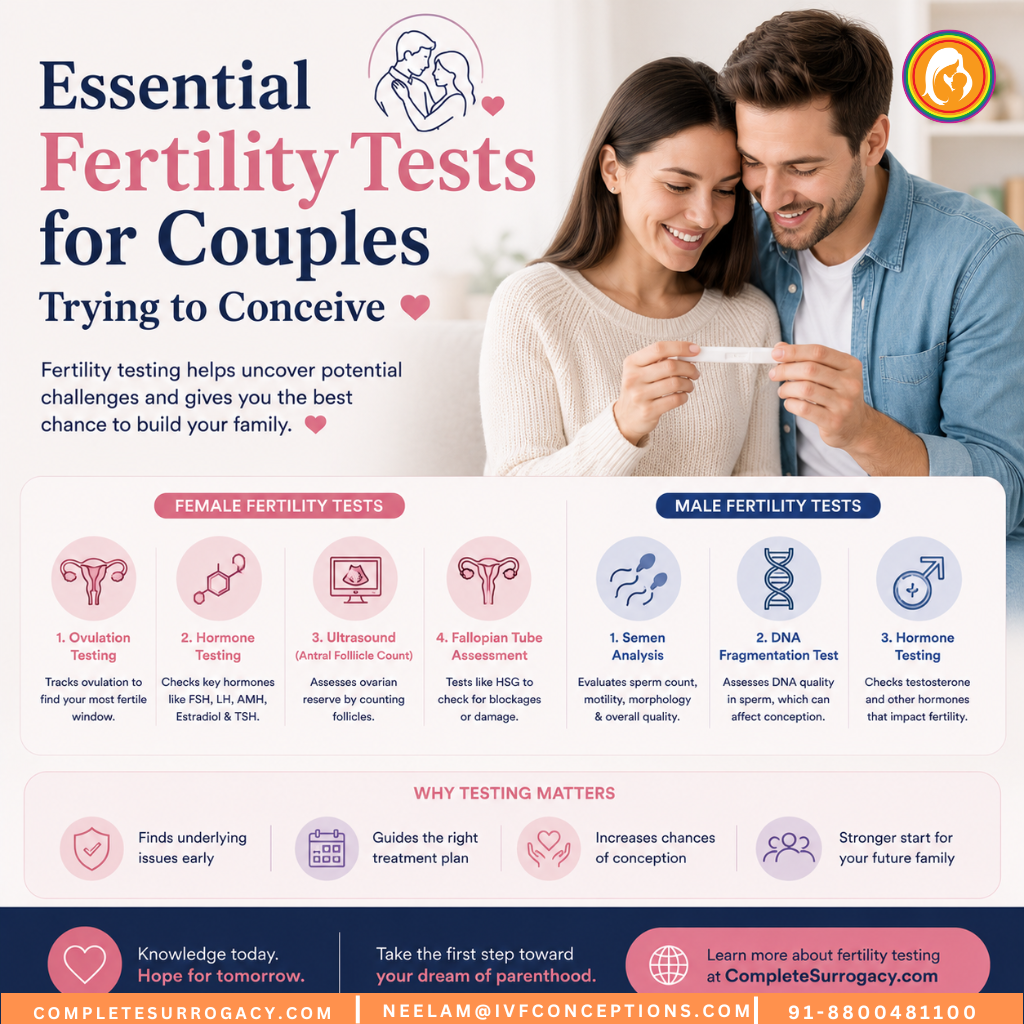
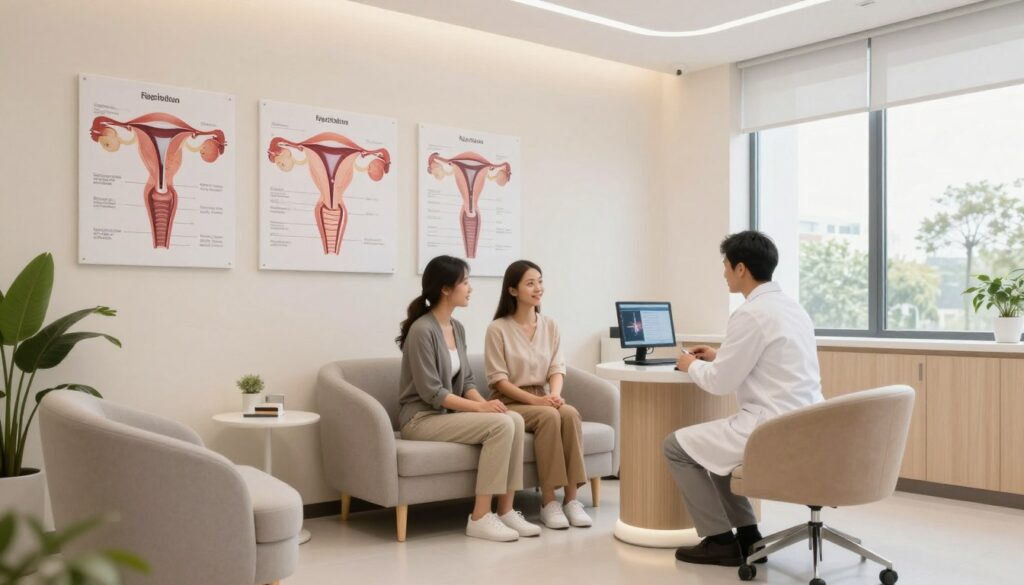
Essential Fertility Tests for Couples Trying to Conceive help identify possible reproductive health issues that may affect pregnancy. Fertility testing is recommended for couples who have been trying to conceive for over a year without success, or earlier in certain cases such as irregular periods or known medical conditions. These tests evaluate hormone levels, ovulation, sperm health, and reproductive organ function to determine the best fertility treatment options. Understanding the Essential Fertility Tests for Couples Trying to Conceive can help couples take the right steps toward successful pregnancy planning.
| Fertility Test | Purpose | Who Needs It |
|---|---|---|
| Semen Analysis | Checks sperm count, movement, and shape | Male partner |
| Ovulation Testing | Confirms whether ovulation is occurring | Female partner |
| Hormone Blood Tests | Measures fertility-related hormone levels | Female partner |
| Ultrasound Scan | Examines ovaries and uterus health | Female partner |
| AMH Test | Evaluates ovarian reserve (egg supply) | Female partner |
| HSG Test (Hysterosalpingography) | Checks if the fallopian tubes are blocked | Female partner |
| Thyroid Function Test | Detects thyroid issues affecting fertility | Both partners |
| Genetic Testing | Identifies inherited reproductive conditions | Both partners |
| STI Screening | Detects infections that may affect fertility | Both partners |
| Physical Examination | Evaluates overall reproductive health | Both partners |
Why Fertility Testing Matters for Your Journey
Fertility testing provides crucial insights into reproductive health. Many couples wait months or years before seeking help.
Early testing can identify issues quickly. This saves time and reduces emotional stress during your conception journey.
About one in eight couples face infertility challenges. Testing helps determine if problems exist with egg quality, sperm count, hormone levels, or reproductive organs.
Medical professionals recommend testing after one year of trying for women under 35. Women over 35 should seek evaluation after six months of unsuccessful attempts.
Important: Early fertility testing identifies treatable conditions that may prevent conception. Many fertility issues respond well to treatment when detected early.
Ready to Start Your Fertility Testing?
Our experienced fertility specialists provide comprehensive testing and personalized treatment plans. We’re here to guide you every step of the way.
Female Fertility Tests: Comprehensive Evaluation
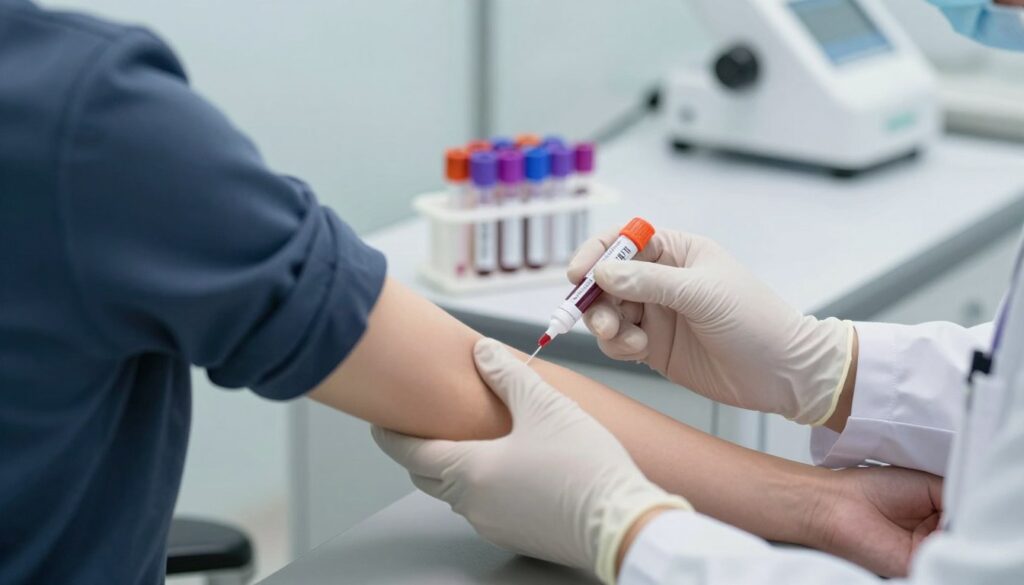
Female fertility tests evaluate multiple aspects of reproductive health. These tests examine hormone levels, egg reserve, and the condition of reproductive organs.
Understanding your fertility status helps create effective treatment plans. Each test provides specific information about different fertility factors.
Hormone Testing for Women
Hormone tests measure critical reproductive hormones. Blood tests check follicle-stimulating hormone (FSH), which controls egg development.
Anti-Müllerian hormone (AMH) testing reveals your ovarian reserve. This shows how many eggs remain in your ovaries.
Estradiol levels indicate egg quality and ovarian function. Thyroid-stimulating hormone (TSH) affects overall fertility and pregnancy health.
Prolactin testing checks for hormonal imbalances. High prolactin levels can prevent ovulation and cause irregular cycles.
Key Hormone Tests
- FSH (Follicle-Stimulating Hormone) – Measures egg development potential
- AMH (Anti-Müllerian Hormone) – Indicates ovarian reserve
- Estradiol – Assesses egg quality and ovarian function
- TSH (Thyroid-Stimulating Hormone) – Evaluates thyroid function
- Prolactin – Checks for hormonal balance
- Progesterone – Confirms ovulation occurred
What Results Mean
- Normal FSH levels suggest good ovarian function
- Higher AMH indicates better egg reserve
- Balanced hormones support regular cycles
- Abnormal results guide treatment options
- Testing timing matters for accuracy
- Results help predict IVF success rates
Ovarian Reserve Testing
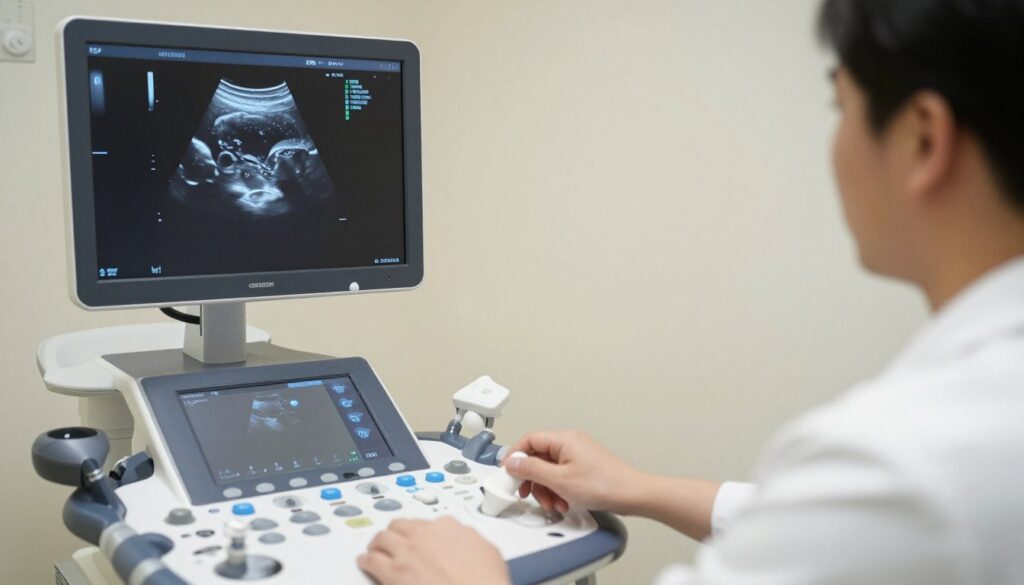
Ovarian reserve testing evaluates egg quantity and quality. The antral follicle count uses ultrasound to count developing follicles.
This test happens during the early menstrual cycle days. Doctors count follicles in both ovaries to assess egg supply.
Combined with AMH blood tests, this provides a complete picture. Lower numbers suggest diminished ovarian reserve.
Age affects ovarian reserve significantly. Women over 35 experience a faster decline in egg quantity and quality.
Fallopian Tube Assessment
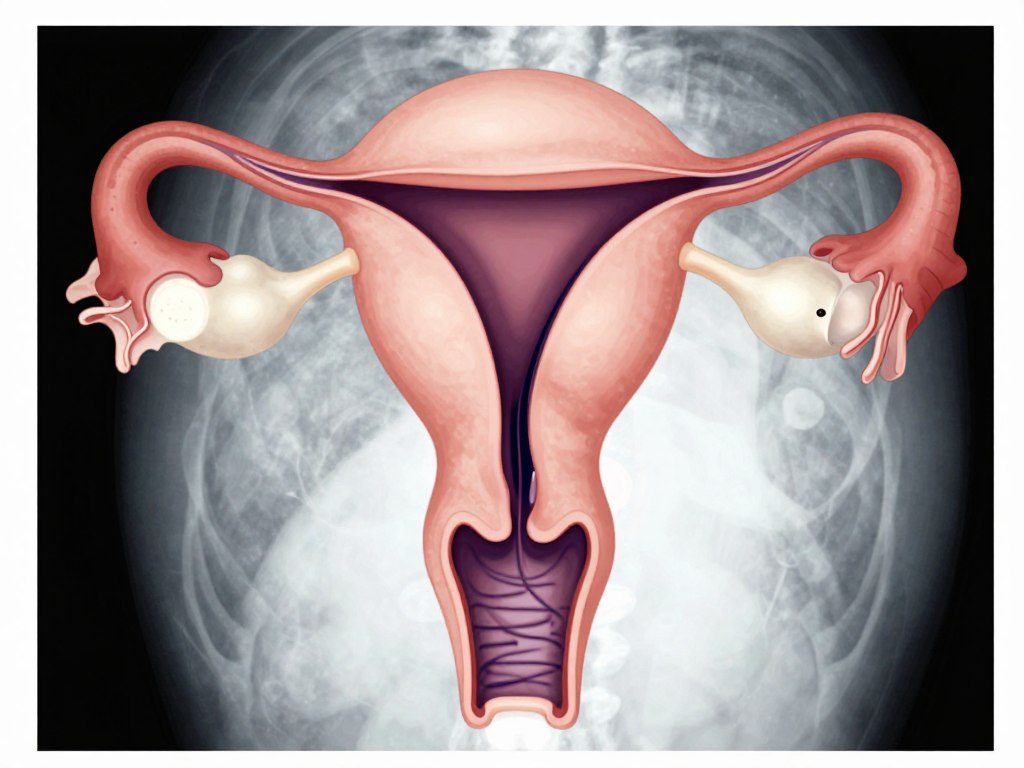
Fallopian tubes must be open for natural conception. Hysterosalpingography (HSG) checks if the tubes are blocked.
This X-ray procedure uses contrast dye. The dye flows through your uterus and fallopian tubes.
Blocked tubes prevent egg and sperm from meeting. Scarring from infections or endometriosis can cause blockages.
The test also reveals uterine shape abnormalities. Some women experience mild cramping during the procedure.
Uterine Evaluation
The uterus must provide a healthy environment for embryo implantation. A transvaginal ultrasound examines the uterine structure and lining.
This test detects fibroids, polyps, or abnormal shapes. These conditions can interfere with implantation or pregnancy.
Endometrial thickness measurement shows if the lining can support pregnancy. Adequate thickness is essential for successful implantation.
Some cases require hysteroscopy for detailed examination. This procedure allows direct visualization of the uterine cavity.
Male Fertility Tests: Essential Evaluations
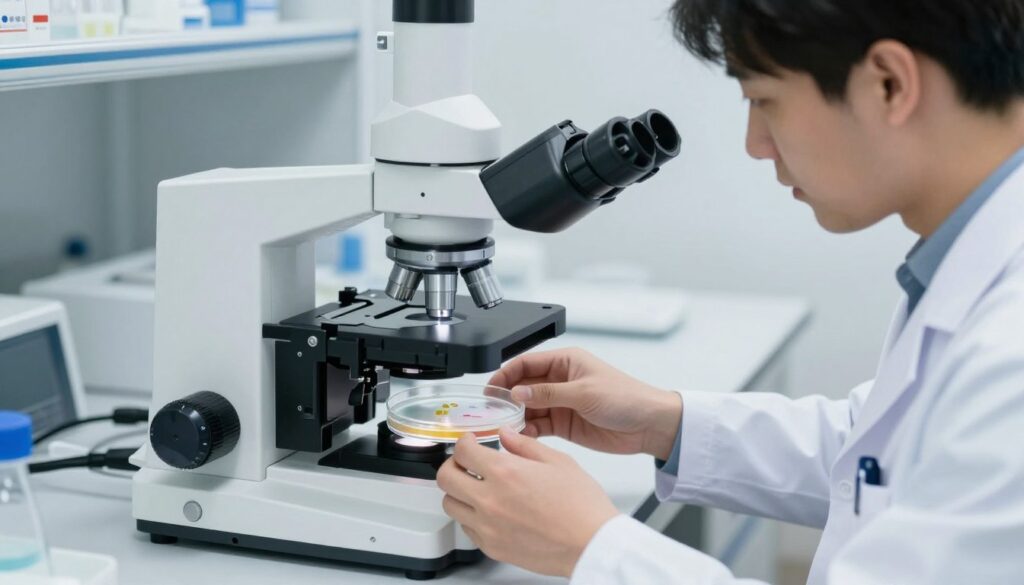
Male fertility contributes to about half of conception difficulties. Testing male partners is equally important as female evaluation.
Many couples overlook male fertility testing initially. This delays diagnosis and appropriate treatment planning.
Semen Analysis: The Primary Test
Semen analysis is the cornerstone of male fertility testing. This test evaluates multiple sperm parameters critical for conception.
Sperm count measures the number of sperm in each milliliter. Normal count ranges from 15 to 200 million per milliliter.
Motility assesses how well sperm swim forward. At least 40% should show good progressive movement.
Morphology examines sperm shape and structure. Normal forms should comprise at least 4% of the total sperm.
Sperm Count
Measures the concentration of sperm cells in semen. Low count (oligospermia) reduces conception chances significantly.
- Normal: 15+ million/mL
- Low: Below 15 million/mL
- Very low: Below 5 million/mL
Sperm Motility
Evaluates swimming ability and forward progression. Poor motility (asthenozoospermia) prevents sperm from reaching the egg.
- Normal: 40%+ progressive
- Reduced: 20-40% progressive
- Poor: Below 20% progressive
Sperm Morphology
Analyzes sperm shape and structure. Abnormal forms (teratozoospermia) may struggle to fertilize eggs successfully.
- Normal: 4%+ normal forms
- Borderline: 2-4% normal
- Abnormal: Below 2% normal
Hormone Testing for Men
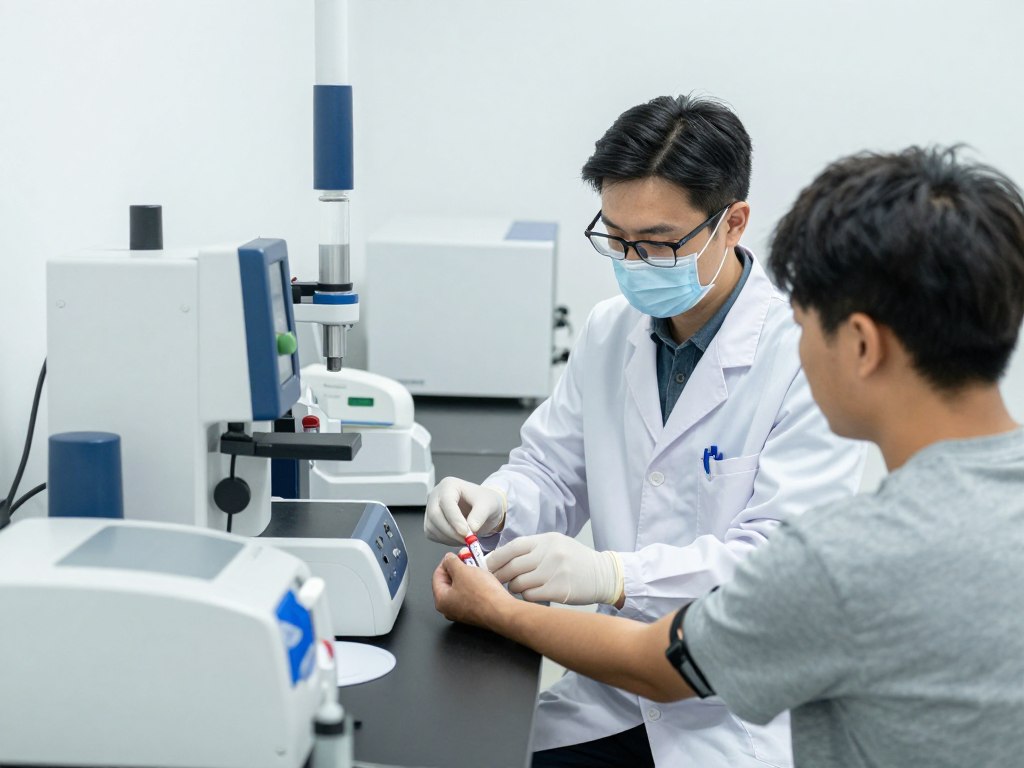
Male hormone levels affect sperm production. Testosterone testing measures the primary male hormone.
Follicle-stimulating hormone (FSH) in men stimulates sperm production. Elevated FSH may indicate testicular problems.
Luteinizing hormone (LH) works with FSH. These hormones regulate testosterone and sperm development.
Prolactin should remain within normal ranges. Elevated levels can reduce testosterone and sperm production.
Additional Male Fertility Evaluations
Physical examination checks for structural issues. Varicoceles (enlarged veins) can impair sperm quality.
Genetic testing may be recommended in certain cases. Chromosomal abnormalities can affect fertility and pregnancy outcomes.
Testicular biopsy examines sperm production directly. This helps when semen shows no sperm (azoospermia).
Specialized tests include DNA fragmentation analysis. This assesses sperm genetic integrity affecting embryo development.
Additional Resources to Read:
Can Thyroid Problems Affect Your Fertility?
Early Signs of Infertility in Women
Testing for Both Partners

A comprehensive fertility evaluation includes testing both partners simultaneously. This approach identifies all contributing factors efficiently.
Some tests assess partner compatibility. Post-coital testing examines sperm survival in cervical mucus.
Infectious Disease Screening
Both partners should undergo infection screening. Sexually transmitted infections can damage reproductive organs.
HIV, hepatitis B, and hepatitis C testing protect future treatments. Some infections require treatment before conception attempts.
Chlamydia and gonorrhea testing prevent complications. These infections can scar fallopian tubes or affect sperm quality.
Genetic Carrier Screening
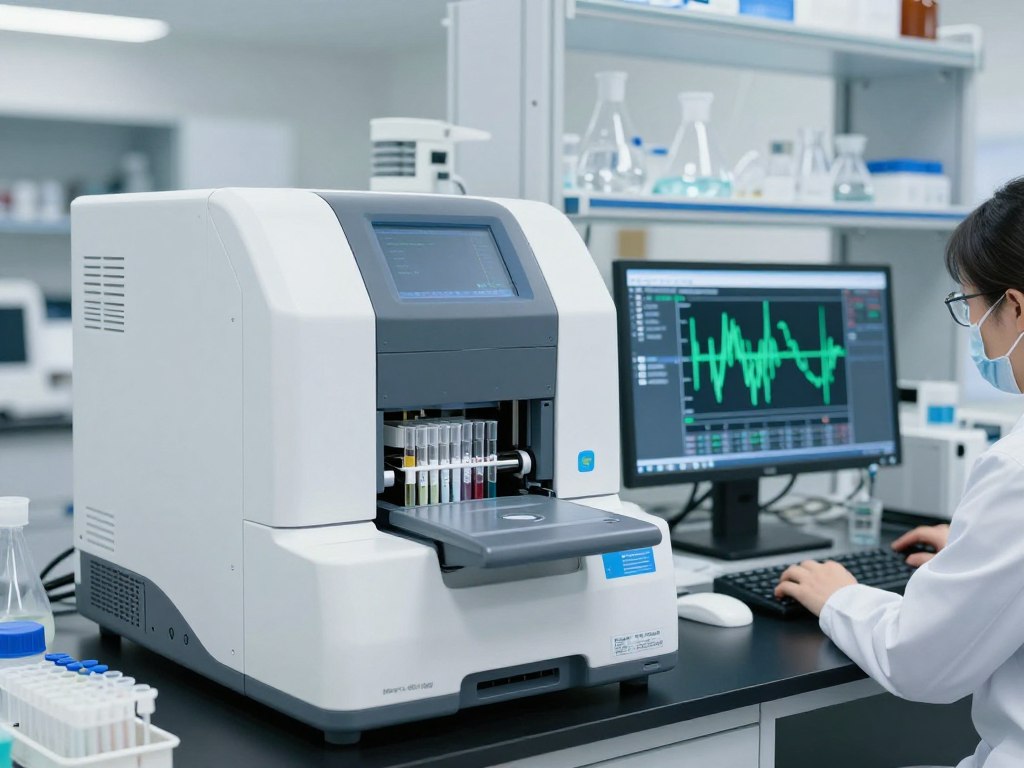
Genetic screening identifies inherited condition risks. Carrier testing checks for recessive genetic disorders.
Common screenings include cystic fibrosis and sickle cell disease. Thalassemia screening is important for certain ethnicities.
Both partners carrying the same recessive gene increases risk. Genetic counseling helps understand results and options.
This testing informs family planning decisions. Some couples choose IVF with genetic testing of embryos.
Comprehensive Testing for Both Partners
Our fertility center offers complete testing packages for couples. We coordinate all evaluations efficiently to save you time and provide faster answers.
Understanding Your Fertility Test Results
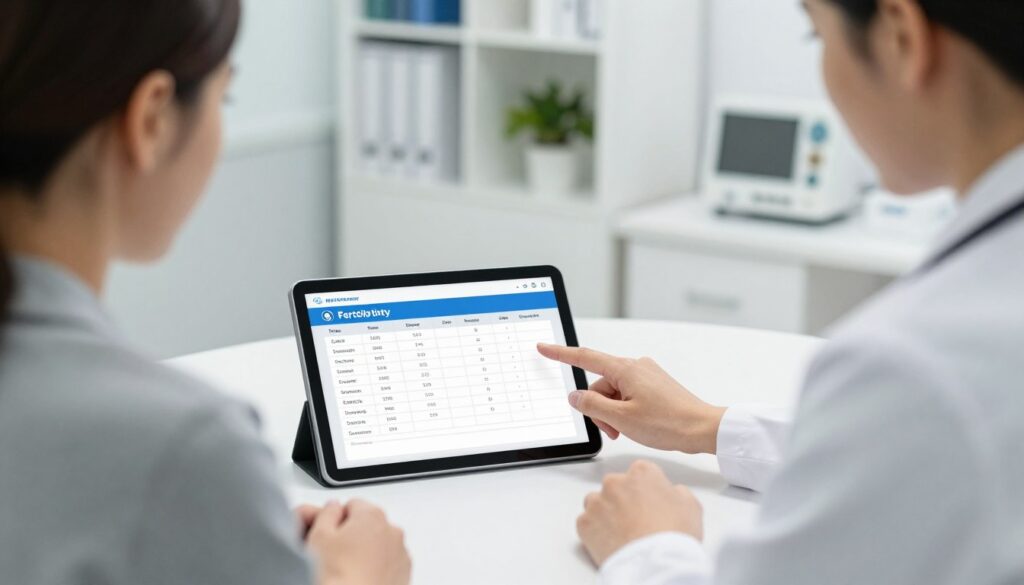
Interpreting fertility test results requires medical expertise. Your doctor analyzes multiple factors together rather than isolated numbers.
Some results fall within normal ranges but may be suboptimal. Context matters when evaluating fertility potential.
What Normal Results Mean
Normal test results don’t always guarantee conception. Fertility involves complex interactions between many factors.
Unexplained infertility occurs when all tests appear normal. This affects about 10-15% of couples facing fertility challenges.
Normal results allow doctors to focus on other factors. Lifestyle modifications or timed intercourse may be recommended.
Addressing Abnormal Results
Abnormal results identify specific fertility obstacles. Many conditions respond well to medical treatment.
Hormone imbalances often improve with medication. Ovulation induction helps women with irregular cycles.
Blocked fallopian tubes may require surgical correction. IVF bypasses tube problems entirely when needed.
Low sperm counts improve with lifestyle changes or medication. Severe male factor infertility has treatment options like ICSI.
Common Treatable Conditions
- Hormonal imbalances
- Ovulation disorders
- Mild male factor issues
- Thyroid dysfunction
- Endometriosis (early stages)
- Cervical mucus problems
Advanced Treatment Options
- In vitro fertilization (IVF)
- Intracytoplasmic sperm injection (ICSI)
- Intrauterine insemination (IUI)
- Surgical interventions
- Donor gametes when needed
- Surrogacy arrangements
When to Seek Fertility Testing

Timing matters when seeking a fertility evaluation. Guidelines vary based on age and medical history.
Women under 35 should try naturally for one year before testing. This timeframe allows for normal conception variation.
Age-Based Recommendations
Women aged 35-40 should seek testing after six months. Female fertility declines significantly after 35.
Women over 40 should consult specialists immediately. Age-related egg quality decline accelerates in the early 40s.
Male age also affects fertility gradually. Men over 40 may experience reduced sperm quality.
Medical History Red Flags

Certain medical conditions warrant immediate testing. Irregular or absent menstrual cycles signal potential problems.
A history of pelvic infections increases the risk of infertility. Previous sexually transmitted infections may damage reproductive organs.
Endometriosis symptoms justify early evaluation. Painful periods and chronic pelvic pain may indicate this condition.
Previous cancer treatments can affect fertility. Chemotherapy and radiation may damage eggs or sperm.
Seek Testing Immediately If:
- No menstrual periods or highly irregular cycles
- Known reproductive system problems
- Previous cancer treatment
- Multiple miscarriages
- Severe endometriosis diagnosis
- Male partner with known fertility issues
Don’t Wait – Early Testing Improves Success
Time is a critical factor in fertility treatment success. Our specialists can evaluate your situation and recommend the most appropriate testing timeline for your unique circumstances.
Preparing for Your Fertility Tests

Proper preparation ensures accurate test results. Some tests require specific timing within your menstrual cycle.
Hormone testing typically occurs on specific cycle days. Day 3 testing measures baseline hormone levels.
Female Testing Preparation
Track your menstrual cycles before your appointment. Knowing the cycle length helps schedule tests correctly.
FSH and estradiol testing happen on cycle days 2-4. This timing provides accurate baseline measurements.
Progesterone testing occurs about one week after ovulation. This confirms whether ovulation happened.
Fasting may be required for some blood tests. Ask your doctor about specific preparation instructions.
Male Testing Preparation
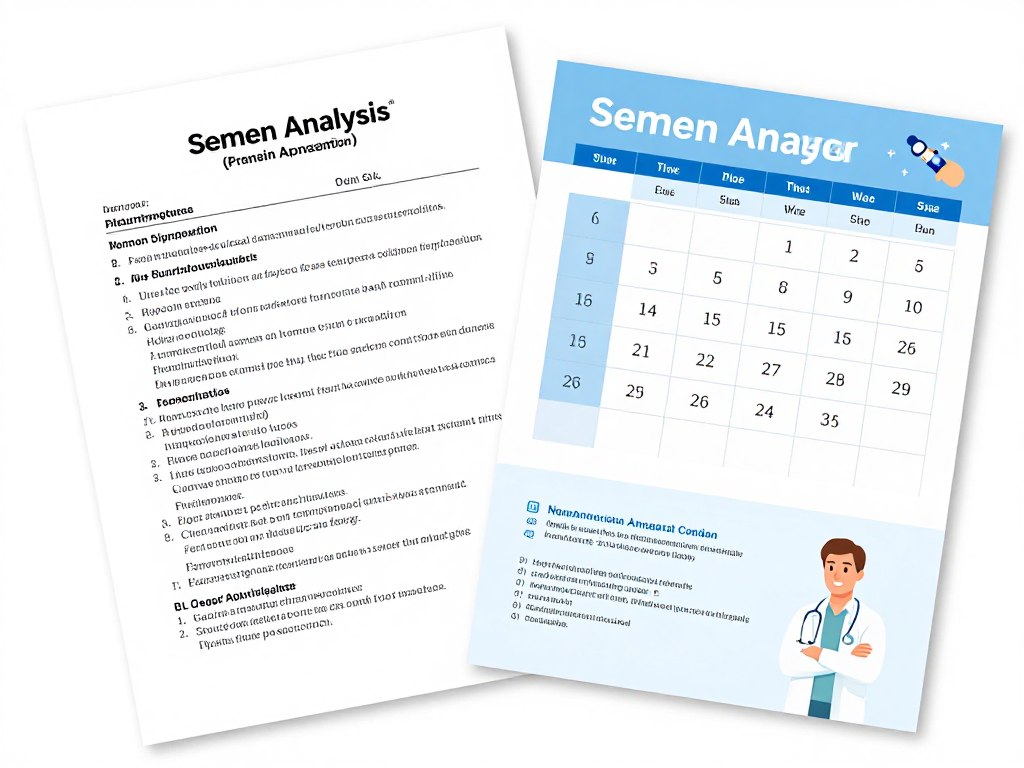
Semen analysis requires 2-5 days of abstinence beforehand. Too much or too little abstinence affects results.
Avoid alcohol and smoking before testing. These substances can temporarily affect sperm parameters.
Inform doctors about all medications and supplements. Some substances influence sperm production or quality.
Stay well-hydrated and maintain normal activities. Excessive heat exposure should be avoided.
What to Bring
- Complete medical history for both partners
- Records of previous fertility treatments or tests
- List of all current medications and supplements
- Menstrual cycle tracking information
- Insurance information and identification
- Questions you want to ask your doctor
Fertility Testing Costs and Insurance
Fertility testing costs vary significantly by location and facility. Understanding expenses helps with financial planning.
Basic blood tests may cost less than comprehensive panels. Ultrasounds and specialized procedures typically cost more.
Insurance Coverage
Insurance coverage for fertility testing varies widely. Some plans cover diagnostic testing but not treatment.
Check your specific policy details carefully. Pre-authorization may be required for certain tests.
Many clinics offer payment plans or packages. Ask about financial assistance options available.
Investing in Your Future
Early testing can actually save money long-term. Identifying issues quickly prevents wasted time and resources.
Accurate diagnosis leads to appropriate treatment selection. This avoids unnecessary procedures or medications.
Some fertility issues have time-sensitive solutions. Delayed testing may reduce treatment options and success rates.
Your Next Steps After Testing
Test results guide your personalized treatment plan. Your fertility specialist will explain findings and recommend next steps.
Treatment options range from simple to complex. Many couples conceive with minimal intervention.
Lifestyle Modifications
Healthy lifestyle changes improve fertility naturally. Maintaining a healthy weight benefits both partners.
Regular exercise supports hormonal balance and overall health. Avoid excessive exercise that may disrupt cycles.
Nutrition affects egg and sperm quality significantly. Antioxidants and key nutrients support reproductive health.
Stress management techniques may improve outcomes. Chronic stress can affect hormone levels and conception.
Medical Treatments
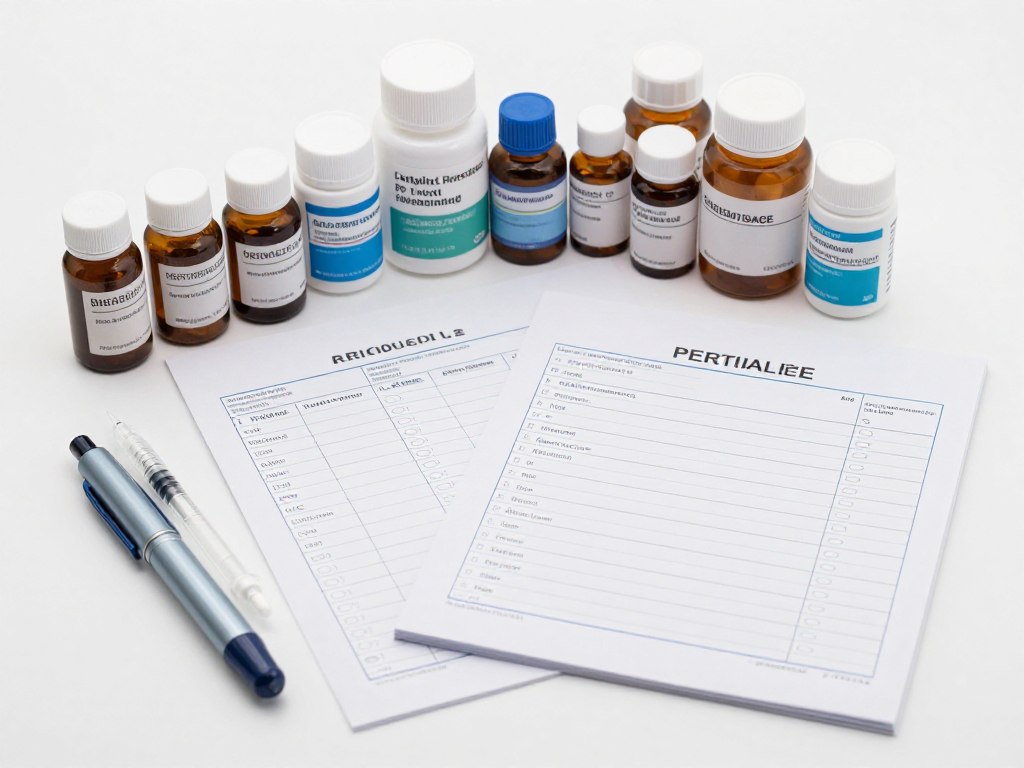
Ovulation induction helps women with irregular cycles. Medications stimulate egg development and release.
Intrauterine insemination (IUI) places sperm directly in the uterus. This helps sperm reach eggs more easily.
IVF becomes necessary for more severe issues. This treatment has the highest success rates for many conditions.
Surgical options address structural problems. Laparoscopy can remove endometriosis or repair tubes.

Timed Intercourse
For couples with mild issues or unexplained infertility, optimizing intercourse timing with ovulation tracking may be sufficient.
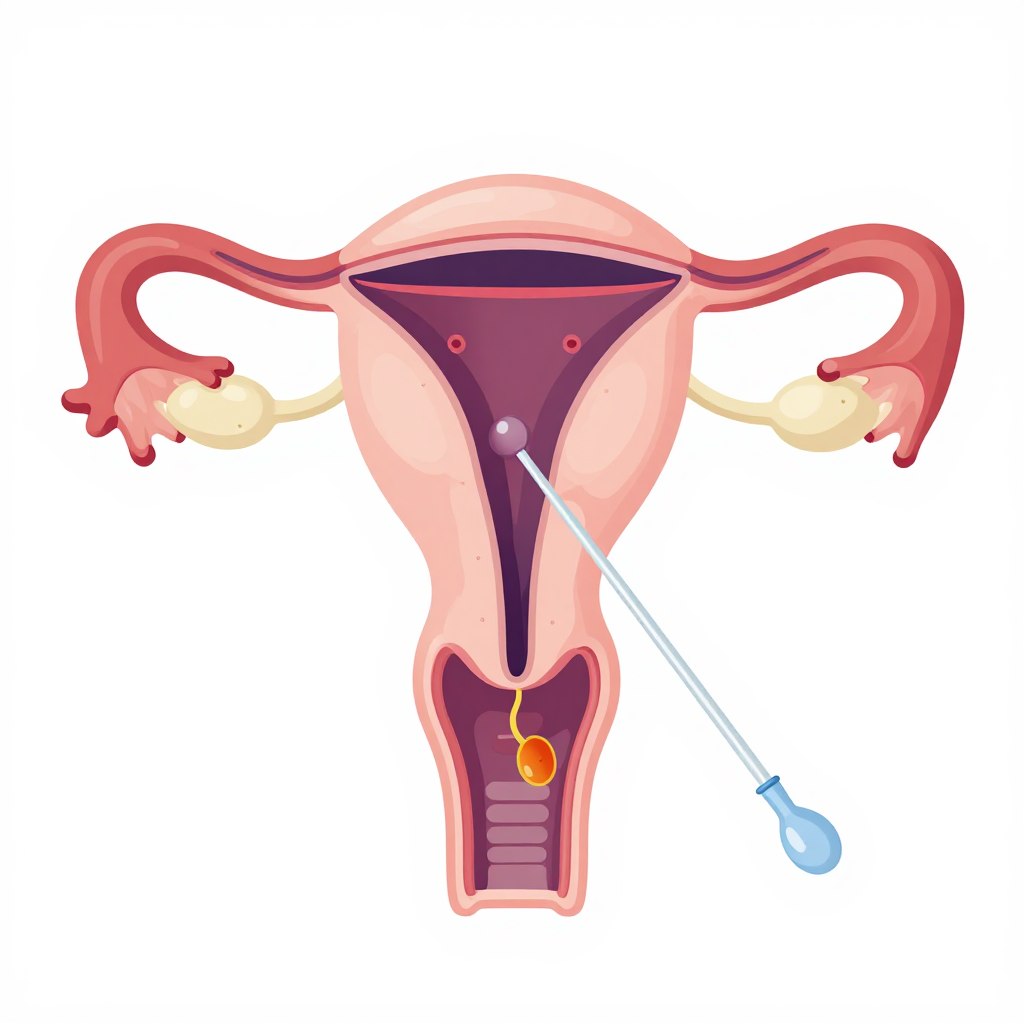
IUI Treatment
Intrauterine insemination works well for mild male factor issues, cervical mucus problems, or unexplained infertility cases.
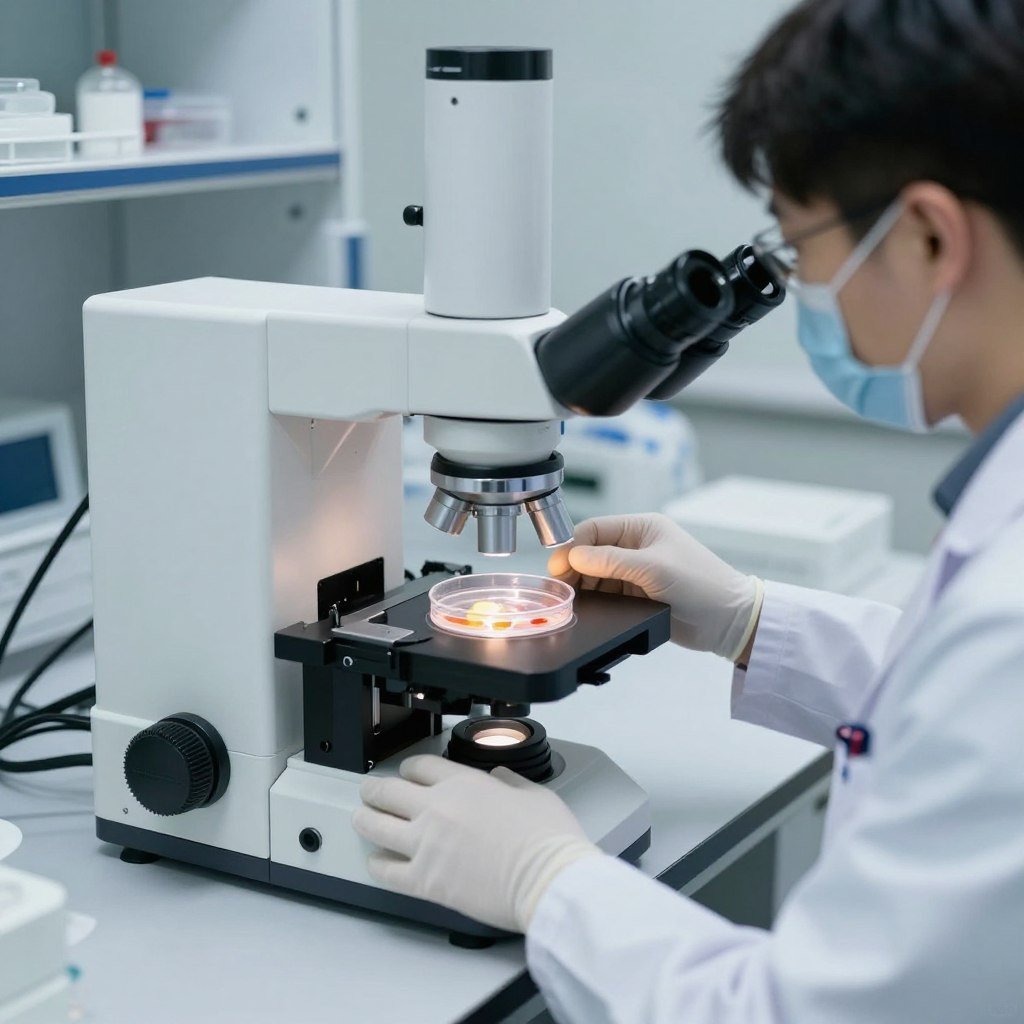
IVF Treatment
In vitro fertilization offers the highest success rates for severe male factor, tubal issues, advanced age, or failed other treatments.
Emotional Aspects of Fertility Testing

Fertility challenges affect emotional well-being significantly. Testing can bring anxiety, hope, and sometimes disappointment.
Many couples experience stress during the evaluation process. These feelings are completely normal and expected.
Coping Strategies
Open communication with your partner helps tremendously. Share feelings and concerns throughout the process.
Consider professional counseling or support groups. Connecting with others facing similar challenges provides comfort.
Practice self-care and stress reduction techniques. Meditation, yoga, or hobbies can provide mental relief.
Set realistic expectations about the process timeline. Fertility treatment often requires patience and persistence.
Remember: Seeking fertility testing shows strength and commitment to your family-building goals. You’re taking positive action toward your dreams of parenthood.
Schedule Your Fertility Consultation Today

Taking the first step toward fertility testing is an important decision. Our experienced team provides comprehensive testing and compassionate support.
We understand the emotional challenges of fertility struggles. Our specialists work with you to create personalized treatment plans.
Begin Your Fertility Journey With Confidence

Essential fertility tests provide the foundation for successful conception. Understanding your reproductive health empowers informed decisions about treatment.
Both partners play equally important roles in fertility evaluation. Comprehensive testing identifies all factors affecting your conception chances.
Early testing leads to faster diagnosis and treatment. Many fertility issues respond extremely well to appropriate interventions.
Your fertility journey is unique and personal. Professional guidance helps navigate testing and treatment options effectively.
Start Your Fertility Testing Today
Our fertility specialists are ready to help you understand your reproductive health and create a personalized path toward parenthood. Don’t wait to get the answers and support you need.

Author Bio: Neelam Chhagani is an International Surrogacy Expert with 15 years of experience in the fertility and surrogacy domain. As the founder of IVF Conceptions and Complete Surrogacy, she has guided over 4,000 intended parents worldwide on their surrogacy journey to parenthood. Recognized as a trusted authority, she specializes in holistic infertility solutions and third-party reproduction consulting.
Holding an MA in Counselling Psychology and a PGD in Mental Health, Neelam is a proud member of the European Fertility Society (EFS) and the European Society of Human Reproduction and Embryology (ESHRE). She is also a leading surrogacy blogger, providing valuable insights into ethical and practical surrogacy solutions.
Since 2010, committed to supporting ALL family types, Neelam has been passionate about helping intended parents grow their families with compassion, integrity, and a focus on secure and affordable surrogacy options Globally.
Learn more about Neelam:
https://www.ivfconceptions.com/neelam-chhagani-surrogacy-consultant/
https://www.linkedin.com/in/neelam-chhagani-92892229/














I was introduced to Neelam by a friend who worked with Neelam for surrogacy. Neelam is absolutely wonderful. I am a single male and the journey to fatherhood is not that easy. Neelam connected me to a program ideal for my circumstances. She was with me throughout the pregnancy providing advice and guidance along the way. I am so grateful I found her and am thrilled today that I have a beautiful daughter. I highly recommend Neelam to anyone who is on a journey to become a parent. Having a child has changed my world for the better. I wish others success with their own journey and recommend you connect with Neelam to find a path that is best for you.
SA (USA)