About Us

We understand that surrogacy is a deeply personal and emotional decision. We are here to provide you with the guidance, resources, and support that you need to achieve your dreams of surrogacy parenthood.
Menu

Can Thyroid Problems Affect Your Fertility? Yes, thyroid disorders can significantly affect fertility in both women and men. The thyroid gland regulates hormones that control ovulation, menstrual cycles, metabolism, and reproductive health. When thyroid hormone levels are too high or too low, it can interfere with egg release, implantation, and even sperm quality. Understanding Can Thyroid Problems Affect Your Fertility is essential for couples facing difficulty conceiving, as proper thyroid treatment can often improve the chances of pregnancy naturally or through fertility treatments like IVF.
| Thyroid Condition | Effect on Fertility | Common Symptoms |
|---|---|---|
| Hypothyroidism | Can disrupt ovulation and menstrual cycles | Weight gain, fatigue, irregular periods |
| Hyperthyroidism | May affect hormone balance and implantation | Anxiety, rapid heartbeat, weight loss |
| Irregular Periods | Reduced chances of conception | Missed or unpredictable cycles |
| Ovulation Problems | Eggs may not release properly | Difficulty getting pregnant |
| Increased Miscarriage Risk | Untreated thyroid issues may affect pregnancy | Early pregnancy complications |
| Effect on Male Fertility | Can reduce sperm quality and libido | Low energy and hormonal imbalance |
| IVF and Thyroid Health | Balanced thyroid levels improve IVF success | Better embryo implantation |
Our fertility specialists understand the connection between thyroid disorders and conception challenges. Get personalized guidance for your unique situation.
📞 Get in Touch for a Free Surrogacy Consultation
📱 +91-8800481100 (WhatsApp | LINE | Viber)
📧 neelam@ivfconceptions.com
Your thyroid gland sits at the base of your neck. This small organ weighs less than an ounce but controls vital body functions. It produces thyroid hormones that regulate your metabolism, energy levels, and reproductive system.
The thyroid produces two main hormones: thyroxine and triiodothyronine. These hormones travel through your blood to every cell in your body. They control how fast your body uses energy and affects nearly every organ system. Your brain, heart, and reproductive organs all depend on proper thyroid hormone levels.
The pituitary gland in your brain monitors thyroid hormone production. When levels drop too low, it releases thyroid-stimulating hormone. This signal tells your thyroid gland to produce more hormones. When levels get too high, TSH production decreases. This feedback system keeps your hormones balanced.
Complete Surrogacy
Planning surrogacy abroad?
Read our complete Guide to International Surrogacy to understand the process, costs, legal rules, and timeline for international intended parents.
Your reproductive system relies heavily on balanced thyroid function. Thyroid hormones directly affect ovulation and menstrual cycle regularity. They also influence the production of sex hormones like estrogen and progesterone. When thyroid hormone levels are off, your entire reproductive system feels the impact.
The thyroid works closely with your ovaries. Both organs respond to signals from your pituitary gland. Thyroid disorders can disrupt this communication. This disruption leads to irregular periods, absent ovulation, and difficulty conceiving. Women with untreated thyroid problems often experience longer menstrual cycles or very short cycles.
Iodine is essential for thyroid hormone production. Your body cannot make iodine on its own. You must get it from food sources like seafood, dairy products, and iodized salt. Without enough iodine, your thyroid cannot produce adequate hormones. This deficiency affects both thyroid function and fertility.
Hypothyroidism means your thyroid gland does not produce enough thyroid hormone. This underactive thyroid condition affects about five percent of women of childbearing age. When thyroid hormone levels fall too low, your body’s metabolism slows down. This slowdown impacts many body systems including your reproductive health.
Many women with hypothyroidism experience fatigue that does not improve with rest. You might notice weight gain despite no changes in diet or exercise. Other symptoms include feeling cold all the time, dry skin, and hair loss. Depression and difficulty concentrating are also common signs.
Menstrual problems often signal thyroid issues. You might have very heavy periods that last longer than normal. Some women experience irregular cycles or miss periods entirely. These changes happen because low thyroid hormone levels disrupt ovulation. Without regular ovulation, getting pregnant becomes very difficult.
Hypothyroidism directly interferes with ovulation. Your body needs proper thyroid hormone levels to release eggs regularly. When levels are too low, your ovaries may not release eggs at all. This condition, called anovulation, makes natural conception impossible.
Even if you do ovulate, hypothyroidism affects egg quality. Low thyroid hormone levels can lead to chromosomal abnormalities in eggs. This increases the risk of miscarriage in early pregnancy. Studies show women with untreated hypothyroidism have higher miscarriage rates compared to women with normal thyroid function.
The condition also affects your uterine lining. A healthy endometrium is crucial for embryo implantation. Thyroid disorders can prevent the uterine lining from developing properly. This makes it harder for a fertilized egg to implant and grow.
Treating hypothyroidism is usually straightforward. Doctors prescribe synthetic thyroid medication to replace missing hormones. The most common treatment is levothyroxine, taken as a daily pill. This medication provides the thyroid hormone your body needs.
Your doctor will monitor your TSH levels through regular blood tests. These tests ensure you are taking the right medication dose. Most women need ongoing treatment throughout their lives. However, proper treatment can restore normal thyroid function and fertility.
After starting medication, many women see improvements within weeks. Your energy returns, weight stabilizes, and menstrual cycles become regular. Most importantly, your fertility improves dramatically. Many women successfully conceive after their thyroid hormone levels normalize.
Schedule a comprehensive fertility evaluation with our specialists. We will assess your thyroid function and create a personalized treatment plan to help you conceive.
Hyperthyroidism occurs when your thyroid gland produces too much thyroid hormone. This overactive thyroid condition speeds up your metabolism. While less common than hypothyroidism, it still significantly impacts fertility. About two percent of women of reproductive age have hyperthyroidism.
Women with hyperthyroidism often experience rapid heartbeat and anxiety. You might feel nervous or irritable without clear reasons. Weight loss despite eating normally is another common sign. Many women also notice they feel hot and sweat more than usual.
Your menstrual cycle provides important clues about hyperthyroidism. Periods may become very light or infrequent. Some women stop having periods altogether. These changes happen because excess thyroid hormone disrupts normal ovulation patterns.
Hyperthyroidism affects fertility through multiple pathways. High thyroid hormone levels interfere with the normal menstrual cycle. This disruption can prevent ovulation or cause irregular ovulation. Without predictable ovulation, timing conception becomes extremely challenging.
The condition also affects sex hormone production. Excess thyroid hormone increases a protein that binds to sex hormones. This binding makes less estrogen and progesterone available for reproductive functions. These hormonal imbalances further complicate trying to conceive.
Pregnancy risks increase significantly with untreated hyperthyroidism. Women face higher chances of miscarriage and premature birth. The condition can also cause pregnancy complications like preeclampsia. Treating hyperthyroidism before conception protects both mother and baby.
Several treatment options exist for hyperthyroidism. Anti-thyroid medication helps reduce hormone production. These drugs block your thyroid from making excess hormones. Treatment typically continues for 12 to 18 months.
Some women receive radioactive iodine therapy. This treatment permanently reduces thyroid hormone production. However, doctors recommend waiting several months after this treatment before trying to conceive. The radioactive iodine needs time to clear from your body.
Surgery to remove part of the thyroid gland is another option. This approach works well for women who cannot take medication. After surgery, most women develop hypothyroidism. They then take thyroid hormone replacement medication for life.
Regular monitoring through blood tests is essential during treatment. Your doctor tracks your thyroid hormone levels and TSH levels. Once your thyroid function normalizes, your fertility usually improves. Many women successfully conceive after their hyperthyroidism is controlled.

Pregnancy changes your thyroid hormone needs significantly. Your body requires more thyroid hormone to support both you and your growing baby. Even women without previous thyroid problems can develop thyroid disorders during pregnancy. Proper management is crucial for a healthy pregnancy and baby.
Your thyroid gland naturally enlarges slightly during pregnancy. Hormone production increases by about 50 percent. This increase supports your baby’s brain development and growth. The placenta also produces hormones that affect your thyroid function.
During the first trimester, pregnancy hormones temporarily increase thyroid hormone levels. This change is normal and helps your baby’s early development. Your baby depends entirely on your thyroid hormones during the first 12 weeks. Their own thyroid does not function until later in pregnancy.
Untreated hypothyroidism during pregnancy carries serious risks. It can affect your baby’s brain development and intellectual growth. Children born to mothers with untreated thyroid problems may have learning difficulties. The risk of premature birth and low birth weight also increases.
Hyperthyroidism poses different but equally serious risks. Uncontrolled overactive thyroid can cause pregnancy loss. It may also lead to premature birth or low birth weight. In severe cases, it affects the baby’s thyroid function after birth.
Thyroid medication is safe during pregnancy. In fact, taking your prescribed medication protects your baby’s health. Women with hypothyroidism usually need higher doses during pregnancy. Your doctor will adjust your medication based on regular blood tests.
Blood tests should happen every four to six weeks during pregnancy. These tests ensure your thyroid hormone levels stay in the optimal range. Most women return to their pre-pregnancy medication dose after delivery. However, continued monitoring remains important while breastfeeding.
Women taking anti-thyroid medication for hyperthyroidism need special attention. Some medications are safer during pregnancy than others. Your doctor may switch your medication before you conceive. They will also monitor you closely throughout pregnancy to balance treatment effectiveness with baby safety.
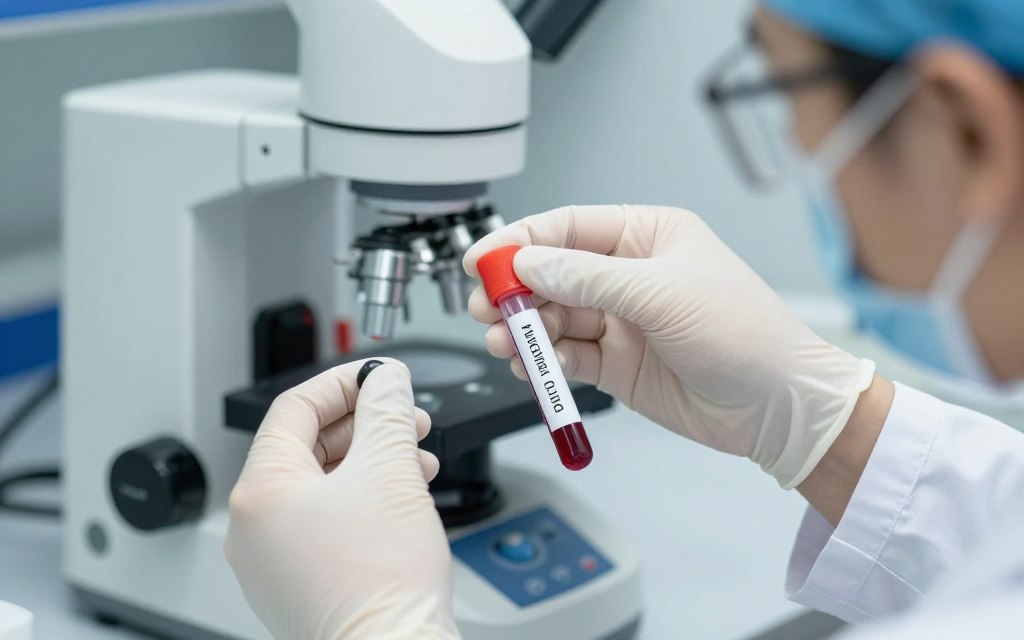
Early diagnosis of thyroid disorders improves your fertility outcomes. Simple blood tests can identify thyroid problems before they significantly impact your health. If you are having trouble conceiving, thyroid testing should be one of your first steps.
The thyroid-stimulating hormone test is the primary screening tool. This blood test measures how hard your pituitary gland is working to stimulate your thyroid. High TSH levels suggest hypothyroidism. Low TSH levels indicate hyperthyroidism. Normal TSH levels for women trying to conceive should be between 0.5 and 2.5.
Doctors may also test your free thyroxine levels. This test measures the actual thyroid hormone available in your blood. It provides a complete picture of your thyroid function. Some specialists also check thyroid antibodies. These tests identify autoimmune thyroid conditions.
Women should have their thyroid checked before trying to conceive. This proactive approach prevents pregnancy complications. You definitely need testing if you have irregular periods or have been trying to conceive for more than six months.
Certain risk factors make thyroid testing even more important. These include a family history of thyroid disease, previous thyroid problems, or autoimmune conditions like diabetes. Women over 30 should be especially proactive about thyroid screening.
Your doctor will explain what your thyroid test results mean for your fertility. Even slightly abnormal levels can affect conception. Subclinical hypothyroidism, where TSH is high but thyroid hormone levels are normal, can still impact fertility. Treatment may improve your chances of getting pregnant.
Regular testing continues throughout treatment. Your thyroid function can change over time. Medication doses may need adjustment. Ongoing monitoring ensures your thyroid hormone levels stay optimal for conception and pregnancy.
Our fertility specialists provide thorough thyroid testing and personalized treatment plans. Take the first step toward understanding and improving your reproductive health.

Many women with thyroid disorders successfully conceive with proper treatment. Your path to parenthood may require specialized fertility care. Understanding your options helps you make informed decisions about your reproductive health.

The first step is optimizing your thyroid hormone levels. Your doctor will prescribe medication to bring your levels into the ideal range for conception. This may take several weeks or months. Regular blood tests ensure your treatment is working effectively.
Most women see fertility improvements once their thyroid function normalizes. Your menstrual cycles become regular. Ovulation returns to a predictable pattern. Many women conceive naturally after their thyroid treatment stabilizes.
Some women need additional fertility support beyond thyroid treatment. Intrauterine insemination can help if thyroid problems have affected sperm-egg interaction. This procedure places sperm directly into your uterus during ovulation.
In vitro fertilization offers another option for couples struggling with conception. IVF can overcome many fertility challenges related to thyroid disorders. Your fertility specialist will ensure your thyroid levels are optimal before starting IVF treatment.
Successful treatment requires a coordinated approach. Your care team should include both an endocrinologist and fertility specialist. These doctors work together to optimize your thyroid function and fertility treatment.
Comprehensive blood work to assess TSH levels, thyroid hormone production, and antibody presence. Regular monitoring throughout your treatment ensures optimal hormone balance for conception.
Complete reproductive health assessment including ovulation tracking, egg quality evaluation, and uterine health examination. Identifies all factors affecting your ability to conceive.
Customized protocols combining thyroid medication management with fertility treatments. Ongoing support and adjustments based on your response to treatment.
Women with treated thyroid disorders have excellent pregnancy success rates. Studies show that proper thyroid management restores normal fertility in most cases. Many women conceive within six months of achieving optimal thyroid hormone levels.
Even women who need IVF have good outcomes when thyroid function is controlled. Success rates for assisted reproduction are similar to women without thyroid problems. The key is maintaining stable thyroid hormone levels throughout treatment and pregnancy.

Lifestyle changes can support your thyroid function and improve fertility. While these steps cannot replace medical treatment, they enhance your overall reproductive health. Small changes can make a meaningful difference in your journey to conception.
Your diet plays a crucial role in thyroid function. Iodine is essential for thyroid hormone production. Good sources include seafood, dairy products, and iodized salt. However, too much iodine can also cause problems. Balance is key.
Selenium supports thyroid hormone metabolism. Brazil nuts, fish, and eggs provide good selenium sources. Zinc and iron also contribute to healthy thyroid function. A varied, nutrient-rich diet supports both your thyroid and fertility.
Some foods can interfere with thyroid medication absorption. Coffee, high-fiber foods, and calcium supplements should be taken several hours apart from your thyroid medication. Your doctor will provide specific guidance on medication timing.
Chronic stress affects both thyroid function and fertility. Stress hormones can disrupt your thyroid hormone production and menstrual cycle. Finding healthy ways to manage stress improves your overall health. Meditation, yoga, or counseling can help.
Quality sleep is essential for hormone balance. Your body needs adequate rest to regulate thyroid function and reproductive hormones. Aim for seven to nine hours of sleep each night. Establish a consistent sleep schedule to support your body’s natural rhythms.
Regular moderate exercise supports thyroid function and fertility. Physical activity helps regulate metabolism and hormone production. However, excessive exercise can harm fertility. Balance is important.
Maintaining a healthy body weight improves both thyroid function and fertility outcomes. Being significantly underweight or overweight can affect thyroid hormone levels. Work with your healthcare team to reach and maintain a healthy weight for your body.
Our experienced fertility team specializes in helping women with thyroid disorders achieve successful pregnancies. We provide comprehensive thyroid testing, personalized treatment plans, and ongoing support throughout your conception journey. Do not let thyroid problems stand between you and your dream of becoming a parent.

Author Bio: Neelam Chhagani is an International Surrogacy Expert with 15 years of experience in the fertility and surrogacy domain. As the founder of IVF Conceptions and Complete Surrogacy, she has guided over 4,000 intended parents worldwide on their surrogacy journey to parenthood. Recognized as a trusted authority, she specializes in holistic infertility solutions and third-party reproduction consulting.
Holding an MA in Counselling Psychology and a PGD in Mental Health, Neelam is a proud member of the European Fertility Society (EFS) and the European Society of Human Reproduction and Embryology (ESHRE). She is also a leading surrogacy blogger, providing valuable insights into ethical and practical surrogacy solutions.
Since 2010, committed to supporting ALL family types, Neelam has been passionate about helping intended parents grow their families with compassion, integrity, and a focus on secure and affordable surrogacy options Globally.
Learn more about Neelam:
https://www.ivfconceptions.com/neelam-chhagani-surrogacy-consultant/
https://www.linkedin.com/in/neelam-chhagani-92892229/