

What if preparing your mind mattered as much as preparing your body for IVF or surrogacy?
Starting assisted conception can reopen months or years of hope, loss, and planning. Your infertility journey mental health will likely include stress from medications, the unknown outcomes, and financial strain. Knowing this up front makes it easier to spot when you need help and to build ivf mental health support into your plan.
Hormonal treatments can change mood and energy. That affects your work, relationships, and daily life. Surrogacy adds legal steps and unique emotional layers, so surrogacy mental health resources matter from day one.
 Get in Touch for a Free Surrogacy Consultation
 +91-8800481100 (WhatsApp | LINE | Viber)
 neelam@ivfconceptions.com


This guide shows you common reactions, why professional care and peer support matter, and how to protect your mental well-being during fertility treatments. Early planning helps you stay resilient and choose the right supports for your path.
Planning surrogacy abroad?
Read our complete Guide to International Surrogacy to understand the process, costs, legal rules, and timeline for international intended parents.
Additional Resources to Read:
Surrogacy Services in Georgia Country
Surrogacy Services in Colombia
Surrogacy Services in Kazakhstan
Key Takeaways
- Mental Health Support During IVF and Surrogacy is essential, not optional.
- ivf mental health support should address hormones, uncertainty, and relationships.
- surrogacy mental health resources are needed alongside legal and medical planning.
- Mental well-being during fertility treatments improves outcomes and coping.
- Your infertility journey’s mental health benefits from a proactive support plan.
Mental Health Support During IVF and Surrogacy
Emotional ups and downs are inevitable, brought on by hormone changes, appointments, and uncertain outcomes. Focusing on emotional well-being during fertility treatment is essential. It helps in planning practical supports. This preparation reduces isolation and keeps everyone connected.
Emotional impacts common to IVF and surrogacy
Treatments can trigger anxiety, sadness, and frustration. Mood swings from hormones, fatigue from medication, and stress from frequent clinic visits are common. These reactions can feel sudden and intense.
Failed cycles can lead to grief, and the pressure to meet social expectations can cause shame. Strained relationships often result from poor communication under pressure. Emotional support for IVF patients and targeted surrogacy mental wellness programs can improve coping and adherence to care plans.
Who is affected and when
Everyone involved can feel the impact at different times. Intended parents often struggle before treatment with managing loss and hope. During stimulation and transfer, both intended parents and gestational carriers face abrupt mood changes and acute anxiety.
Partners and support persons may feel sidelined or helpless during waiting periods. After outcomes, tailored emotional support for surrogacy journeys or IVF emotional support may be needed, depending on the cycle’s success or failure.
| Stage | Common Emotional Reactions | Who Often Needs Support | Practical Supports |
|---|---|---|---|
| Pre-treatment | Grief, anticipatory worry, strained hope | Intended parents, partners | Pre-treatment counseling, peer education, financial planning |
| Stimulation & transfer | Mood swings, acute anxiety, fatigue | Patients, gestational carriers | On-site counseling, medication management, brief mindfulness |
| Post-transfer waiting | Heightened uncertainty, obsessive checking, isolation | Intended parents, support network | Scheduled check-ins, support groups, coping plans |
| After outcome | Grief after loss, adjustment after success | Everyone involved | Grief therapy, celebratory transition support, continuity with mental health care |
Recognizing Psychological Signs and When to Seek Help
Small mood shifts during treatment might seem manageable at first. Yet, watch for prolonged sadness, rising panic, irritability, or a disinterest in activities you once enjoyed. Sleep issues, changes in appetite, and difficulty concentrating are also red flags.

Common symptoms to monitor
Be cautious of symptoms lasting over two weeks or impacting your daily life. Persistent anxiety, frequent panic attacks, hopeless thoughts, or sudden mood swings are clear signs to seek help.
If you find it hard to motivate, notice increased substance use, or have distressing thoughts, seek mental health support immediately. Cognitive behavioral therapy is a proven method for addressing IVF-related challenges.
Risk factors that increase the need for support
Some factors increase your risk of needing extra support. A history of depression or anxiety makes you more susceptible during fertility treatment. Failed cycles, pregnancy loss, or advanced age can also heighten emotional strain.
Financial stress, limited social support, and other health issues add to the risk. Hormonal treatments can exacerbate mood swings, so consider these factors when seeking psychological support for IVF patients and surrogacy counseling services.
How and where to find immediate help
Develop a plan with emergency and non-emergency contacts before starting treatment. Your clinic’s mental health team can provide same-day consultations or direct you to local services for surrogates and intended parents.
In the United States, call the National Suicide & Crisis Lifeline at 988 for immediate help in acute danger. Use teletherapy platforms for quick access, contact your clinic’s counselors, or join peer support groups to better cope with IVF stress.
Keep a checklist handy: monitor warning signs, list your risk factors, and save numbers for your therapist, clinic counselor, crisis line, and a trusted friend. This makes it easier to access timely support and counseling services when you need them most.
Coping Strategies and Practical Tools for Emotional Well-Being
Dealing with fertility treatments or surrogacy requires practical tools to keep your mind and body stable. Small, repeatable actions serve as a daily toolkit. They support emotional well-being during infertility and make stress management more achievable.

Mindfulness and brief practices
Short guided meditations and focused breathing are effective during anxious moments. Try a one- to five-minute box breath when feeling overwhelmed. Progressive muscle relaxation and grounding techniques help you stay present during the two-week wait.
Keep a calming meditation playlist on your phone for clinic days. These mental tools are essential for managing mental health during IVF and surrogacy, fitting seamlessly into a busy schedule.
Cognitive behavioral techniques
Journaling helps identify negative thoughts you repeat. Write a brief entry each night to catch recurring themes like “this will never work.”
Use cognitive restructuring to challenge these thoughts. Ask for evidence and create a balanced response to reread when doubt arises. Behavioral activation involves scheduling small, enjoyable activities to improve mood, even during challenging protocols.
Movement, sleep, and nutrition
Gentle movement, such as walking or prenatal yoga, can regulate mood. Confirm with your clinic before starting or changing routines.
Prioritize sleep with a consistent bedtime and a calming routine. Limit caffeine in the afternoon and stay hydrated. Balanced meals help stabilize blood sugar and mood.
Boundary setting and social self-care
Decide who to share treatment details with and set limits on events that trigger you. Mute or unfollow social media that distresses you. Prepare short responses for intrusive questions to reduce stress.
Build rituals that reinforce your identity beyond fertility. Engage in hobbies, creative outlets, and friendships that aren’t fertility-focused. These strategies work best when combined with lifestyle supports.
Combine mindfulness with CBT and healthy routines to enhance coping. View this kit as both daily maintenance and acute relief during high-stress periods. These approaches are practical mental health tips for IVF and surrogacy, improving emotional well-being and stress management.
Professional Resources: Therapy, Support Groups, and Clinic-Based Services
Dealing with fertility treatment or surrogacy can be overwhelming. A combination of professional care and peer support can help. Clinics often provide counseling or refer you to specialists. You can also join community groups and seek private therapy to address emotional, relational, and practical needs.
Types of therapy that help
Cognitive behavioral therapy (CBT) is recommended for managing anxiety and negative thoughts during IVF. You can find individual psychotherapy that uses CBT, acceptance and commitment therapy, or mindfulness-based approaches to ease intrusive worries.
Couples therapy helps partners balance roles and communicate about decisions and loss. Perinatal mental health specialists support gestational carriers and new parents through transitions after birth and during the transfer of parental roles.
Clinic-integrated and community supports
Many fertility centers employ licensed counselors or keep lists of specialists experienced in reproductive mental health. Clinic-integrated counseling makes it easier to coordinate medical and emotional care without extra appointments.
Community services include perinatal programs, nonprofit patient advocacy groups, and maternal mental health initiatives that push for routine screening and timely referrals. These local resources expand access to surrogacy mental health resources beyond the clinic walls.
Support groups and peer networks
Peer networks reduce isolation and normalize complex feelings. You can join moderated online forums, in-person fertility support meetings, or groups specific to surrogacy for gestational carriers and intended parents.
Support groups offer practical tips and empathy from people who have similar experiences. That shared perspective can be a key complement to one-on-one therapy and clinic counseling.
Finding a specialist
Look for licensed clinicians who list fertility, reproductive, or perinatal experience on professional directories like Psychology Today or the American Society for Reproductive Medicine provider lists. Ask your clinic for referrals to therapists who understand medical timelines and legal complexities.
Consider teletherapy to widen your options and speed access. If you are seeking surrogate counseling services or IVF counseling services, verify the therapist’s background in reproductive mental health before scheduling an intake.
| Resource Type | Who it helps | Typical focus | How to access |
|---|---|---|---|
| Individual therapy (CBT, ACT, mindfulness) | Intended parents, surrogates | Grief, anxiety, decision-making | Private practice, teletherapy, clinic referrals |
| Couples therapy | Partners navigating treatment | Communication, role changes, shared coping | Clinic-integrated counselors, licensed couples therapists |
| Perinatal mental health specialists | Surrogates, new parents | Perinatal mood disorders, postpartum adjustment | Hospital programs, community clinics, specialist referrals |
| Clinic-integrated counseling | All patients at fertility centers | Routine screening, coordinated care | Onsite at fertility clinics or via clinic referrals |
| Support groups and peer networks | Intended parents, carriers, donors | Peer support, shared resources, normalization | Online forums, local nonprofits, moderated groups |
| Referral directories | Anyone seeking specialized help | Finding a therapist for ivf support, surrogate counseling services | Psychology Today, ASRM lists, clinic referrals |
Navigating Relationships, Finances, and Legal Stressors
Fertility treatment and surrogacy significantly alter daily life. You may encounter relationship strain, financial burdens, and legal complexities. A well-thought-out plan for communication, finances, and legal matters can alleviate mental health pressures during your journey.
Communication with your partner
Discuss expectations, emotions, and roles openly. Regular check-ins can help you spot changes early. If your partner becomes distant or reacts intensely, couples therapy can be beneficial.
Share responsibilities, clinic visits, and decision-making. Make time for activities not related to treatment. This balance is key to managing stress and maintaining intimacy.
Managing financial anxiety
IVF and surrogacy costs can be daunting. Create a realistic budget that includes all expenses. Prioritize and explore financing options, grants, or employer benefits.
Develop a joint financial plan and review it monthly. Clear financial information reduces uncertainty and emotional conflicts. This approach helps redirect energy towards healing and strengthening your bond.
Legal and logistical concerns in surrogacy
Surrogacy raises legal complexities. Engage a reproductive attorney familiar with state laws on parental rights. Ensure detailed contracts that outline responsibilities and medical decisions.
Clinics and agencies often require counseling. Utilize surrogacy counseling services and support services to set expectations and boundaries. These resources address legal concerns and ease confusion during critical moments.
Combine effective strategies: open communication with your partner, a solid financial plan, and experienced legal and counseling teams. This approach safeguards your relationship and mental health throughout your journey.
| Area of Stress | Practical Step | Who to Contact |
|---|---|---|
| Relationship strain | Weekly check-ins, shared task lists, couples therapy when needed | Licensed couples therapist, clinic counselor |
| Financial uncertainty | Create budget, research financing, apply for grants, review insurance | Fertility financial counselor, lender, HR benefits office |
| Surrogacy logistics | Written contracts, medical decision plan, contingency clauses | Reproductive attorney, clinic case manager |
| Emotional support for surrogates | Mandated psychological evaluations, ongoing counseling, clear boundaries | Surrogacy counseling services, surrogate support services |
Conclusion
Your emotional health is vital before, during, and after IVF or surrogacy. Prioritizing mental health support during these times helps you make clearer decisions and cope with uncertain outcomes. Assemble a reliable support system, plan practical self-care, and free your schedule on critical days to reduce pressure.
Normalize the feelings that come with hormonal treatments and fertility care. Use a toolkit of mindfulness, CBT techniques, gentle movement, sleep and nutrition habits, and clear boundaries to protect your energy. Seek emotional support for IVF patients when symptoms persist or interfere with daily life.
Integrate mental health into your fertility pathway by using clinic-based supports, perinatal resources, and specialist referrals. For surrogacy, ensure counseling and legal frameworks are in place for everyone involved to strengthen surrogacy mental wellness. Consider therapy for ivf challenges early to build resilience and practical coping skills.
You do not have to face infertility alone. Recognize warning signs early, use coping tools consistently, engage professional and peer supports, and address relationship, financial, and legal stressors proactively to protect your emotional well-being throughout the process. Accessing infertility support can make the journey clearer and more manageable.
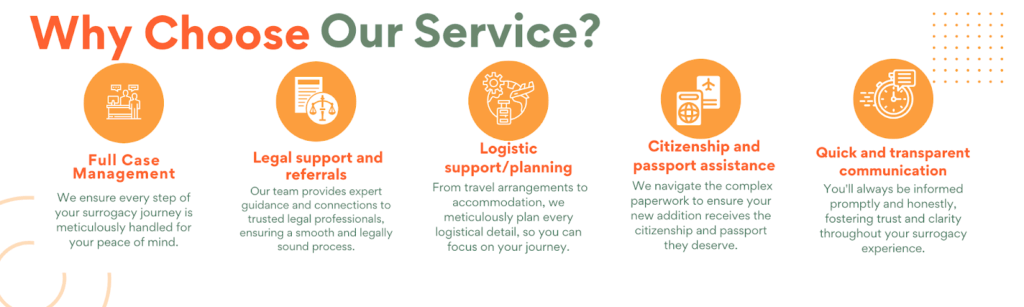
💫 Why Intended Parents Choose Complete Surrogacy for a Safe, Smooth & Successful Surrogacy Journey:
🌍 Access to multiple surrogacy destinations with 15+ years of international experience
🏥 Partnerships with top-tier fertility clinics and agencies, backed by references from past clients
👩🦱 Diverse egg donor options: Asian, Caucasian, African, Oriental, and more
💸 Transparent and affordable pricing—direct payments with no extra agency fees
🔒 No hidden costs—all charges are agreed upon upfront
🤝 Dedicated case manager for personalized support
📲 Fast, honest, and clear communication throughout
📑 Full legal support for visas, documentation, and baby exit processes
🚚 Assistance with frozen sperm/embryo shipment logistics
FAQ for Mental Health Support During IVF and Surrogacy
What emotional reactions are common during IVF and surrogacy?
Who is affected by these emotional impacts and when?
What symptoms should prompt me to seek professional help?
What risk factors make emotional distress more likely during fertility treatment?
Where can I find immediate mental health help during IVF or surrogacy?
What brief mindfulness techniques help with treatment-related stress?
How can cognitive behavioral techniques support me during IVF or surrogacy?
What lifestyle habits support emotional well-being during treatment?
How do I set boundaries and practice social self-care while undergoing fertility treatment?
What types of therapy are recommended for infertility-related distress?
How can my fertility clinic support mental health?
Are there support groups and peer networks for IVF and surrogacy?
How do I find a mental health specialist experienced with IVF or surrogacy?
How can partners communicate better during the fertility and surrogacy journey?
What practical steps reduce financial anxiety related to IVF and surrogacy?
What legal and logistical concerns should intended parents and surrogates plan for?
What should I include in a mental health plan before starting treatment?
Does mental health care continue after treatment ends?

Author Bio: Neelam Chhagani is an International Surrogacy Expert with 15 years of experience in the fertility and surrogacy domain. As the founder of IVF Conceptions and Complete Surrogacy, she has guided over 4,000 intended parents worldwide on their surrogacy journey to parenthood. Recognized as a trusted authority, she specializes in holistic infertility solutions and third-party reproduction consulting.
Holding an MA in Counselling Psychology and a PGD in Mental Health, Neelam is a proud member of the European Fertility Society (EFS) and the European Society of Human Reproduction and Embryology (ESHRE). She is also a leading surrogacy blogger, providing valuable insights into ethical and practical surrogacy solutions.
Since 2010, committed to supporting ALL family types, Neelam has been passionate about helping intended parents grow their families with compassion, integrity, and a focus on secure and affordable surrogacy options Globally.
Learn more about Neelam:
https://www.ivfconceptions.com/neelam-chhagani-surrogacy-consultant/
https://www.linkedin.com/in/neelam-chhagani-92892229/















I was introduced to Neelam by a friend who worked with Neelam for surrogacy. Neelam is absolutely wonderful. I am a single male and the journey to fatherhood is not that easy. Neelam connected me to a program ideal for my circumstances. She was with me throughout the pregnancy providing advice and guidance along the way. I am so grateful I found her and am thrilled today that I have a beautiful daughter. I highly recommend Neelam to anyone who is on a journey to become a parent. Having a child has changed my world for the better. I wish others success with their own journey and recommend you connect with Neelam to find a path that is best for you.
SA (USA)