
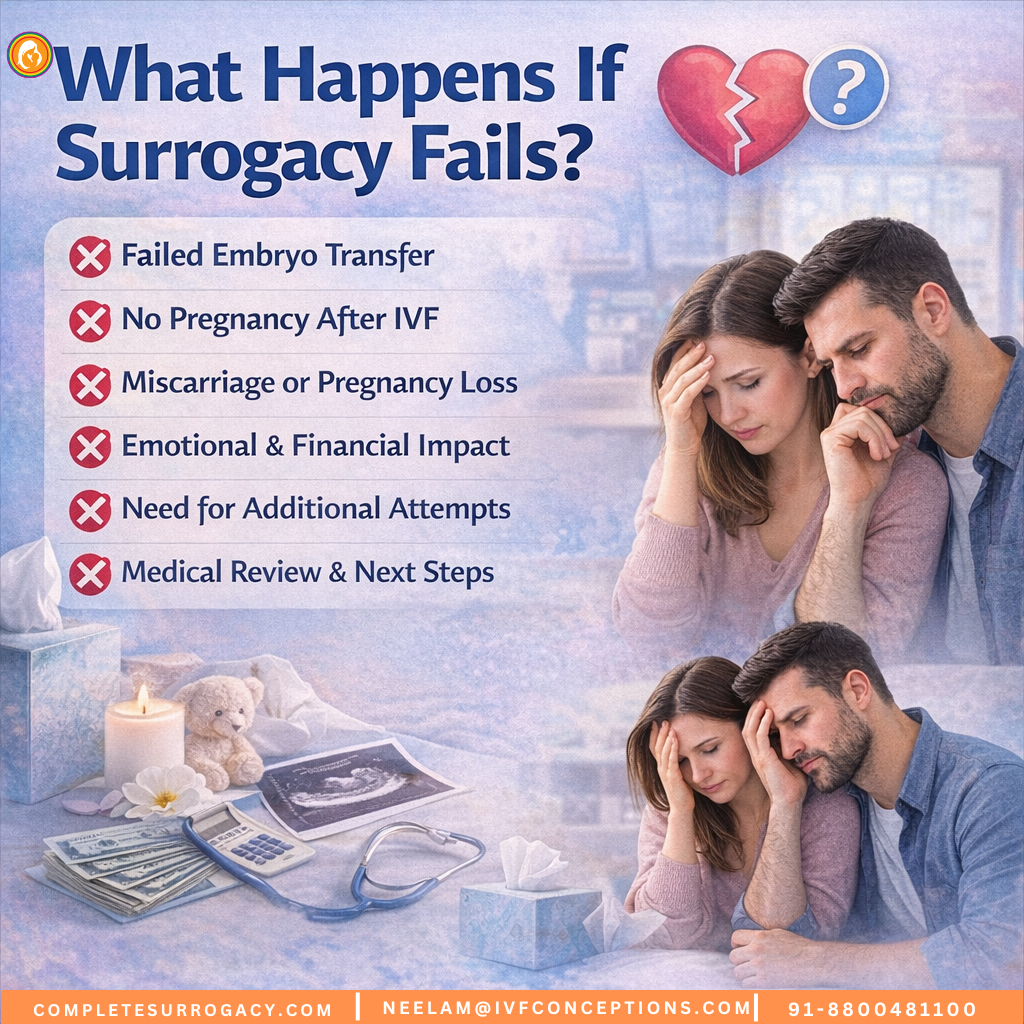
Ever pondered the strong effects of a failed surrogacy journey? The question, “What happens if surrogacy fails?”, reveals a broader impact than just disappointment. The consequences of surrogacy failure can affect your emotions, finances, and relationships, leaving you uncertain. Whether it’s due to medical issues or genetic problems, understanding the failed surrogacy process is key. This knowledge helps you cope with the emotional turmoil and guides you towards your next steps.
📞 Get in Touch for a Free Surrogacy Consultation
📱 +91-8800481100 (WhatsApp | LINE | Viber)
📧 neelam@ivfconceptions.com
Key Takeaways
- Surrogacy failure can lead to significant emotional and financial distress for intended parents.
- Medical complications and chromosomal abnormalities are common causes of unsuccessful surrogacy attempts.
- Addressing the emotional toll is critical for recovery and moving forward.
- Understanding your rights and responsibilities is essential when facing legal aspects of a failed surrogacy.
- Consulting with professionals can guide your next steps after a failed surrogacy.
- Available support resources can help in coping with the psychological impact of surrogacy failure.

Planning surrogacy abroad?
Read our complete Guide to International Surrogacy to understand the process, costs, legal rules, and timeline for international intended parents.
Additional Resources to Read:
Surrogacy Services in Georgia Country
Surrogacy Services in Colombia
Surrogacy Services in Kazakhstan
Understanding Surrogacy Failure: An Overview
Exploring surrogacy failure reveals several factors that can lead to unsuccessful outcomes. This journey is complex, with various common causes of failure. Understanding these issues helps intended parents and surrogates better navigate emotional and logistical challenges.
Common Causes of Surrogacy Failure
Several factors contribute to surrogacy failure. These include:
- Health issues in the surrogate, such as hormone imbalances and anatomical abnormalities.
- Embryo viability failures due to poor quality or genetic complications.
- Unexpected medical complications during pregnancy.
Each factor highlights the need for thorough medical evaluations before starting surrogacy. Addressing health issues and ensuring embryo quality are key to better success rates.
The Role of Chromosomal Defects
Chromosomal defects are critical in determining embryo viability. Genetic testing, like Preimplantation Genetic Diagnosis (PGD), can spot these defects early. This allows for the selection of healthier embryos, boosting the chance of a successful pregnancy.
Grasping the impact of chromosomal defects aids in making informed decisions. It emphasizes the need for quality embryos. By focusing on genetic health, you can greatly influence the surrogacy outcome.
What Happens If Surrogacy Fails? The Immediate Consequences
Failed surrogacy attempts can cause deep emotional distress for all involved. It’s vital to grasp the emotional toll of such failures. The immediate effects are significant, affecting people in various ways that demand understanding and compassion.
Emotional Impact on Intended Parents
Intended parents often face feelings of loss and disillusionment after a failed surrogacy. They might feel a profound sense of disappointment, as their dreams of expanding their family seem to have been dashed. The path to parenthood is already fraught with challenges, and a failed attempt can intensify feelings of powerlessness. This situation prompts a grieving process as they come to terms with the consequences of the failure on their aspirations.
Impact on the Surrogate and Her Family
The impact on the surrogate and her family is equally daunting. Surrogates may doubt their capabilities, questioning their ability to meet the expectations placed upon them. They might feel guilty or disappointed, given the emotional connections they’ve formed with the intended parents. The aftermath can also strain relationships within the surrogate’s family, as they navigate the emotional aftermath together. It’s essential to foster open communication among all parties to facilitate healing and mutual understanding.
Coping with Failed Surrogacy: Steps to Manage Emotions
Dealing with the emotional fallout of a failed surrogacy attempt is a daunting task. You might struggle to come to terms with feelings of loss, disappointment, and anxiety. It’s vital to recognize these emotions and take steps towards healing.
Grieve the Loss of the Embryo
Starting the grieving process is the first step in dealing with a failed surrogacy. Losing an embryo can feel like losing a future you had envisioned. Give yourself the time to fully mourn this loss. This can involve:
- Journaling your feelings to articulate the sadness and grief
- Creating a memory ritual or memorial in honor of the embryo
- Engaging in discussions with your partner to share experiences and emotions
Seeking Support from Professionals
Seeking professional help after a failed surrogacy attempt can provide the tools you need to cope. Mental health professionals, with a focus on reproductive loss, offer valuable guidance. Consider:
- Attending therapy sessions to work through feelings of grief
- Participating in support groups to connect with others who share similar experiences
- Consulting with a fertility counselor for tailored guidance
The path to recovery from a failed surrogacy attempt can seem daunting. Professional support not only aids in emotional healing but also promotes healthy communication among all involved.
Legal Aspects of Unsuccessful Surrogacy
Understanding the legal aspects of unsuccessful surrogacy is critical for all parties. States have different laws on surrogacy agreements, affecting your rights and responsibilities. It’s vital to review your contract with the surrogate, as it outlines what happens if the attempt fails. This knowledge helps manage expectations and navigate the emotional and financial fallout of a failed surrogacy.
Understanding Your Rights and Responsibilities
Entering a surrogacy arrangement means both intended parents and surrogates have specific rights and duties. The Surrogacy contract should clearly state these, covering financial obligations and embryo custody. After a failed attempt, reassessing your rights is essential, considering any provisions for more cycles or transfers. This clarity prevents disputes and ensures all parties know their obligations.
The Legal Need for Medical Clearance
Medical clearance is a key step in surrogacy, ensuring surrogates are physically ready for pregnancy. In the case of unsuccessful surrogacy, the legal aspects of medical evaluations become critical. Both sides must understand that medical checks are not just health screenings but also affect the surrogacy agreement. Establishing medical clearance can prevent complications in future attempts and protect all parties involved. This legal framework prepares you for future journeys with knowledge and readiness.

Next Steps After Surrogacy Fails
Your journey doesn’t end with a failed surrogacy attempt. In fact, the next steps after surrogacy fails can pave the way for future possibilities. The first important move is to seek guidance from a specialized medical professional.
Consulting with Your IVF Doctor
Visiting your IVF doctor is essential for understanding what went wrong during the surrogacy process. Consulting with your IVF doctor allows for a thorough examination of past factors that may have contributed to the failure. This professional insight can help identify any necessary medical adjustments or changes to your treatment plan.
Evaluating Your Options Moving Forward
After consulting with your IVF doctor, it’s time to consider your options if surrogacy doesn’t work. You might explore the possibility of using different embryos, which can potentially yield better results. Some couples choose to look for a new surrogate or revisit their overall family-building strategy. Keeping an open mind during this phase is key to maintaining hope and motivating proactive planning.
| Option | Description |
|---|---|
| New Embryos | Consider generating new embryos through IVF with your existing genetic material. |
| Switching Surrogates | If the relationship with the current surrogate was a concern, you might choose to work with a new one. |
| Reassessing Plans | Evaluate your family-building approach; may include adoption or fostering. |
Surrogacy Journey Setbacks: What to Expect
Dealing with setbacks in your surrogacy journey can be daunting. It’s vital to understand what impacts future attempts. You’ll need to assess the quality of your existing embryos and plan your next steps carefully. Finding a new surrogate requires thoughtful consideration and strategic planning.
Determining Factors for Future Attempts
Identifying key factors for future attempts is essential. Consider the age of the intended parents and the surrogate’s health. Also, any chromosomal issues with embryos must be addressed. Reviewing previous cycle protocols can help refine future strategies for success.
Finding a New Surrogate: Process and Considerations
When seeking a new surrogate, reevaluate your criteria. Consider the surrogate’s age, health history, and emotional resilience. You might also consider switching to a different agency known for thorough pre-screening. This could streamline your journey ahead.
Assessing the Quality of Existing Embryos
Evaluating embryo quality is critical for success. Understand the conditions of their creation and seek detailed reports from fertility specialists. High-quality embryos boost your chances in future attempts. Regular assessments help align you with the latest reproductive health practices.

Support After Failed Surrogacy: Resources Available
Failed surrogacy can be emotionally and legally tough. Knowing there are resources to help is key. Emotional support networks offer communities that understand your feelings. Legal help ensures you know your rights and what to do next.
Emotional and Psychological Support Networks
Connecting with others who’ve been through similar experiences can ease feelings of loneliness. Many emotional support networks provide online forums, group therapy, and counseling for those dealing with failed surrogacy. These platforms help you heal and understand, allowing you to share your feelings and get advice from those who’ve been there.
Legal Assistance for Mapping Next Steps
Legal help is vital after a failed surrogacy, helping with contracts and rights. A lawyer skilled in surrogacy law can guide you on what to do next. This support lets you focus on your emotional health, knowing your legal rights are being protected.
Conclusion
Facing a failed surrogacy attempt is undeniably challenging, but it is vital to understand that this setback does not signify the end of your journey toward parenthood. Many intended parents and surrogates have each faced similar hurdles and yet have successfully moved forward with their dreams of family. It’s essential to remain hopeful and resilient as you navigate this difficult time.
As you explore the various failed surrogacy options available to you, remember that seeking appropriate emotional and legal support can make a significant difference. Resources such as counseling services and legal experts specializing in surrogacy failure support can provide the guidance you need to assess your next steps. While dealing with surrogacy setbacks can feel overwhelming, you are not alone in this journey.
Ultimately, the path to parenthood is often filled with twists and turns. By reaching out for professional help and leaning on support networks, you can gain the strength and clarity needed to continue pursuing your goal of growing your family. Stay connected, keep informed, and take the next step forward with confidence.
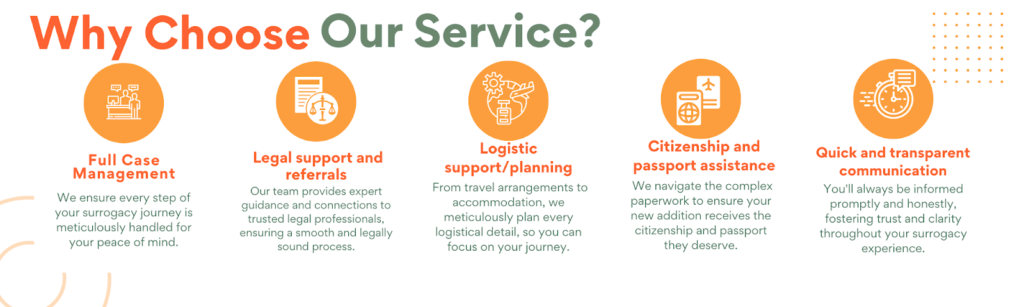
💫 Why Intended Parents Choose Complete Surrogacy for a Safe, Smooth & Successful Surrogacy Journey:
🌍 Access to multiple surrogacy destinations with 15+ years of international experience
🏥 Partnerships with top-tier fertility clinics and agencies, backed by references from past clients
👩🦱 Diverse egg donor options: Asian, Caucasian, African, Oriental, and more
💸 Transparent and affordable pricing—direct payments with no extra agency fees
🔒 No hidden costs—all charges are agreed upon upfront
🤝 Dedicated case manager for personalized support
📲 Fast, honest, and clear communication throughout
📑 Full legal support for visas, documentation, and baby exit processes
🚚 Assistance with frozen sperm/embryo shipment logistics
FAQ for What Happens If Surrogacy Fails.
What are common causes of surrogacy failure?
How do chromosomal defects affect surrogacy outcomes?
What emotional consequences can arise from a failed surrogacy attempt?
What coping strategies can help manage the emotional toll of failed surrogacy?
What legal aspects should be considered following a failed surrogacy?
What are the initial steps to take after a surrogacy failure?
What factors will influence future surrogacy attempts?
What support resources are available after a failed surrogacy attempt?

Author Bio: Neelam Chhagani is an International Surrogacy Expert with 15 years of experience in the fertility and surrogacy domain. As the founder of IVF Conceptions and Complete Surrogacy, she has guided over 4,000 intended parents worldwide on their surrogacy journey to parenthood. Recognized as a trusted authority, she specializes in holistic infertility solutions and third-party reproduction consulting.
Holding an MA in Counselling Psychology and a PGD in Mental Health, Neelam is a proud member of the European Fertility Society (EFS) and the European Society of Human Reproduction and Embryology (ESHRE). She is also a leading surrogacy blogger, providing valuable insights into ethical and practical surrogacy solutions.
Since 2010, committed to supporting ALL family types, Neelam has been passionate about helping intended parents grow their families with compassion, integrity, and a focus on secure and affordable surrogacy options Globally.
Learn more about Neelam:
https://www.ivfconceptions.com/neelam-chhagani-surrogacy-consultant/
https://www.linkedin.com/in/neelam-chhagani-92892229/















I was introduced to Neelam by a friend who worked with Neelam for surrogacy. Neelam is absolutely wonderful. I am a single male and the journey to fatherhood is not that easy. Neelam connected me to a program ideal for my circumstances. She was with me throughout the pregnancy providing advice and guidance along the way. I am so grateful I found her and am thrilled today that I have a beautiful daughter. I highly recommend Neelam to anyone who is on a journey to become a parent. Having a child has changed my world for the better. I wish others success with their own journey and recommend you connect with Neelam to find a path that is best for you.
SA (USA)