


Most Affordable Fertility Treatment in Delhi NCR is available through a combination of government hospitals, budget IVF centers, and established fertility clinics. Depending on the treatment type, costs can range from ₹10,000–₹15,000 for IUI and ₹75,000–₹1,70,000 for a basic IVF package, while subsidized government hospital programs may be available at even lower costs.
Estimated Fertility Treatment Costs in Delhi NCR
| Treatment | Average Cost |
|---|---|
| Fertility Consultation | ₹500 – ₹2,000 |
| Semen Analysis | ₹1,000 – ₹3,000 |
| Fertility Blood Tests | ₹3,000 – ₹15,000 |
| IUI Treatment | ₹10,000 – ₹15,000 |
| Basic IVF Cycle | ₹75,000 – ₹1,70,000 |
| IVF with ICSI | ₹1,20,000 – ₹2,50,000 |
| Frozen Embryo Transfer (FET) | ₹18,000 – ₹60,000 |
| Government Hospital IVF Programs | ₹25,000 – ₹60,000 (limited availability) |
These ranges vary by clinic, medications, and additional procedures.
Affordable Fertility Clinics in Delhi NCR
Delhi NCR offers one of India’s largest fertility treatment networks, with relatively affordable options in Noida, Faridabad, and Ghaziabad, while premium clinics in South Delhi and Gurugram generally charge higher fees.
Why Delhi NCR Is Popular for Affordable Fertility Treatment
- Large number of fertility specialists and IVF centers
- Availability of budget and premium treatment options
- Government hospitals offering subsidized fertility services
- Access to advanced IVF, ICSI, FET, and fertility preservation treatments
- EMI and financing options at many private clinics
For couples looking for the most affordable fertility treatment in Delhi NCR, government hospitals and budget IVF centers in Noida, Faridabad, and Ghaziabad often provide the lowest-cost options, while still offering modern fertility care.
Start Your Parenthood Journey Today
Connect with our experienced fertility specialists for a free, no-obligation consultation. We’ll help you understand your options and create an affordable treatment plan tailored to your needs.
Understanding Fertility Treatment Costs in Delhi NCR
When planning for fertility treatment, understanding the cost structure is crucial. The price of assisted reproductive technologies varies based on several factors. Treatment complexity, medication requirements, and the number of cycles needed all influence the final cost. But knowing what to expect helps you plan better and reduces financial anxiety.
Delhi NCR has emerged as a leading destination for affordable fertility care. The region offers treatments at 30-40% lower cost compared to metros like Mumbai or Bangalore. International patients also choose Delhi NCR because costs are 60-70% less than Western countries while maintaining high success rates. This affordability doesn’t compromise quality or safety standards.
Factors That Influence Fertility Treatment Cost

Several elements determine your total fertility treatment expense. Your age plays a significant role because younger patients often respond better to medications. This can reduce the number of cycles needed. The specific diagnosis of infertility also matters because some conditions require more complex interventions. Male factor infertility might need ICSI, while female factor issues could require different approaches.
Medication costs form a substantial portion of the total expense. These drugs stimulate egg production and prepare the body for pregnancy. The type and quantity needed vary from person to person. Laboratory procedures like embryo culture and genetic testing add to costs. Additional services such as egg freezing or donor programs increase expenses. Understanding these components helps you plan your budget effectively.
- Patient age and ovarian reserve capacity
- Specific fertility diagnosis and underlying conditions
- Type of treatment protocol recommended
- Medication dosage and duration required
- Laboratory procedures and technology used
- Number of treatment cycles attempted
- Additional services like genetic testing or freezing
Average Cost Breakdown for Common Treatments
| Treatment Type | Average Cost (INR) | Success Rate | Duration |
| IUI (Intrauterine Insemination) | ₹10,000 – ₹15,000 | 15-20% per cycle | 2-3 weeks |
| IVF (In Vitro Fertilization) | ₹1,20,000 – ₹1,80,000 | 35-45% per cycle | 4-6 weeks |
| ICSI (Intracytoplasmic Sperm Injection) | ₹1,40,000 – ₹2,00,000 | 40-50% per cycle | 4-6 weeks |
| Egg Freezing | ₹80,000 – ₹1,20,000 | N/A (preservation) | 2-3 weeks |
| Embryo Transfer (FET) | ₹40,000 – ₹60,000 | 30-40% per cycle | 2-3 weeks |
These costs represent average ranges in Delhi NCR fertility centres. Individual clinic pricing may vary based on their facilities and expertise. Always ask for a detailed cost breakdown during your initial consultation.
Additional Resources to read:
Surrogate Mother Cost in Delhi
Comprehensive Fertility Treatment Options Available
Delhi NCR fertility clinics offer a complete spectrum of assisted reproductive technologies. From simple procedures to advanced techniques, you have multiple options. The right treatment depends on your diagnosis, age, and previous attempts. Understanding what each procedure involves helps you make informed decisions about your care.
Modern fertility treatment goes beyond just IVF. Specialists use diagnostic tools to identify the exact cause of infertility. Then they recommend the most appropriate and cost-effective solution. Some couples succeed with simpler interventions while others need advanced procedures. The goal is always to help you achieve pregnancy with the least invasive and most affordable approach possible.
IUI: Intrauterine Insemination
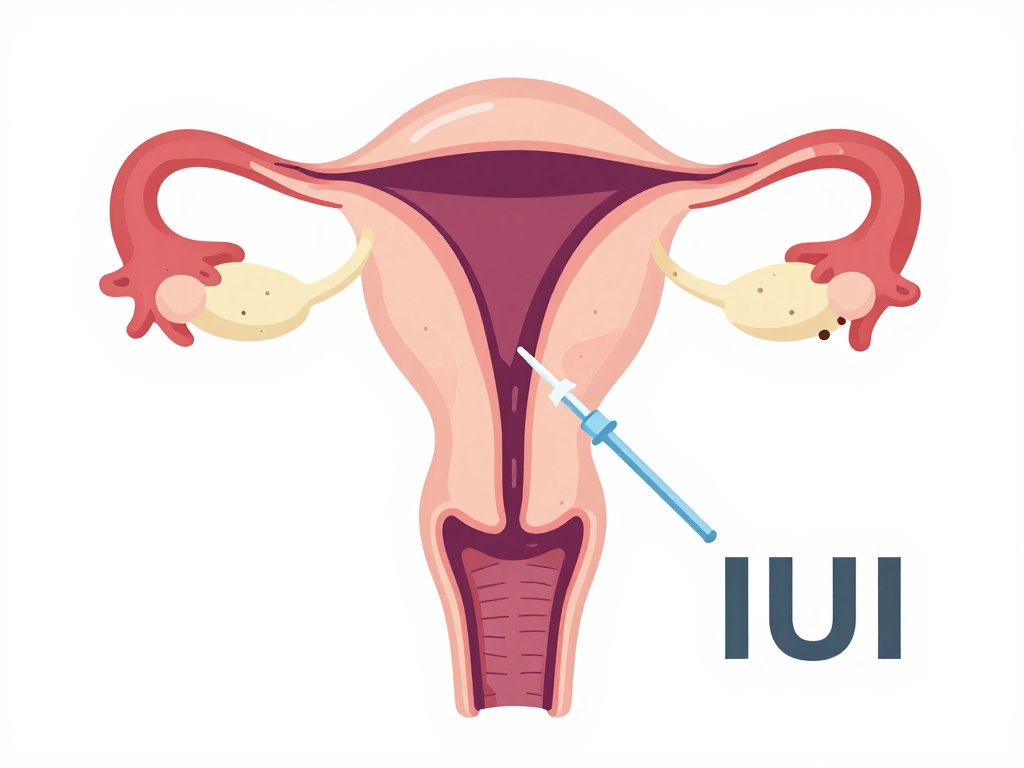
IUI is often the first treatment option for couples with unexplained infertility. This procedure places washed sperm directly into the uterus during ovulation. It bypasses cervical barriers and brings sperm closer to the egg. IUI works best for younger women with open fallopian tubes and good ovarian reserve. The procedure is simple, painless, and doesn’t require anesthesia.
Treatment starts with monitoring your natural cycle or taking mild fertility medications. These drugs help produce one or two eggs. On the day of ovulation, your partner provides a sperm sample. The laboratory processes it to concentrate the healthiest sperm. Then a thin catheter delivers them directly into your uterus. The entire process takes just minutes.
IUI Success Factors
- Woman’s age under 35 years increases success
- At least one open fallopian tube required
- Good quality sperm count and motility
- Proper timing with ovulation crucial
- May need 3-4 cycles for best results
Ideal Candidates for IUI
- Unexplained infertility cases
- Mild male factor infertility
- Cervical mucus problems
- Mild endometriosis conditions
- Same-sex couples using donor sperm
IVF: In Vitro Fertilization

IVF represents the most successful fertility treatment available today. This procedure fertilizes eggs outside the body in a controlled laboratory environment. It offers hope to couples who haven’t succeeded with simpler treatments. IVF bypasses many fertility obstacles by bringing egg and sperm together under optimal conditions. Success rates have improved dramatically with technological advances.
The IVF process involves several steps spread over four to six weeks. First, you take hormonal medications to stimulate your ovaries. These injections help multiple eggs mature simultaneously. Regular ultrasounds and blood tests monitor your progress. When eggs reach the right size, a trigger shot prepares them for retrieval. Thirty-six hours later, doctors collect the eggs through a minor surgical procedure performed under sedation.
The IVF Process Timeline
- Ovarian stimulation with fertility medications (10-14 days)
- Monitoring follicle growth through ultrasound
- Trigger injection to mature eggs (36 hours before retrieval)
- Egg retrieval procedure under light sedation
- Sperm collection and preparation same day
- Fertilization in laboratory (within hours of retrieval)
- Embryo development monitoring (3-5 days)
- Embryo transfer into uterus
- Two-week wait for pregnancy test

After egg retrieval, embryologists combine eggs with sperm. Fertilization occurs naturally in the culture dish. The team monitors embryo development for three to five days. During this time, embryos divide and grow. The best quality embryos are selected for transfer. One or two embryos are placed in your uterus through a thin catheter. This painless procedure requires no anesthesia. Extra embryos can be frozen for future use.
ICSI: Advanced Sperm Injection Technique
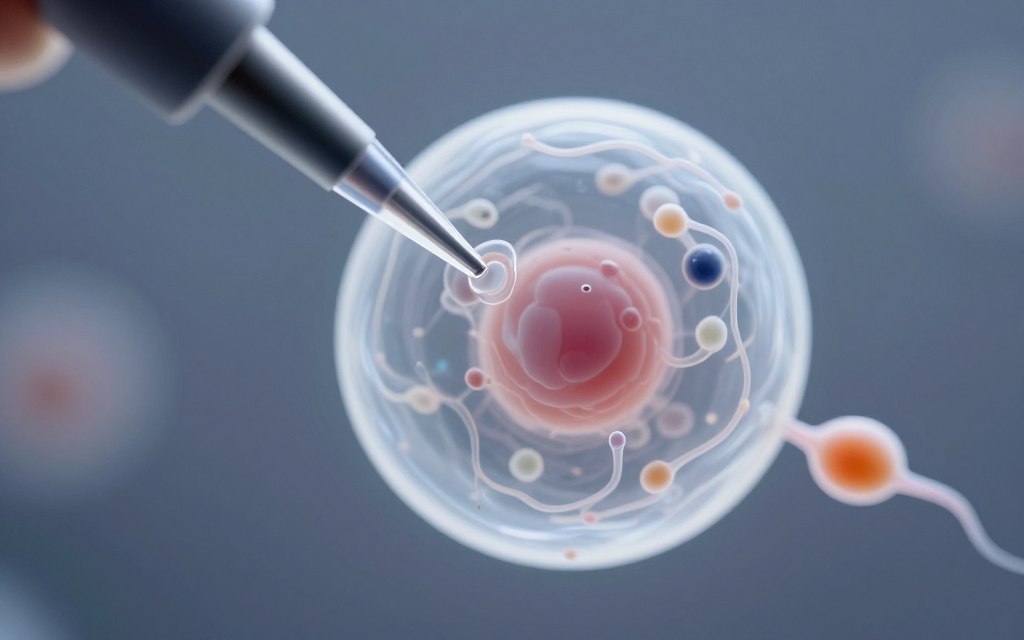
ICSI is a specialized form of IVF used for severe male factor infertility. Instead of mixing sperm and eggs together, an embryologist injects a single sperm directly into each egg. This technique overcomes many sperm-related fertility problems. Even men with very low sperm counts can become biological fathers. ICSI has revolutionized treatment for male infertility.
The procedure requires highly skilled embryologists and specialized equipment. Under high magnification, they select the healthiest-looking sperm. A micropipette holds the egg steady while another needle pierces its shell. The sperm is injected directly into the egg’s center. This bypasses all natural barriers to fertilization. After ICSI, embryo development proceeds normally. The rest of the cycle follows standard IVF protocol.
When ICSI is Recommended: Severe male factor infertility with low sperm count or poor motility, previous IVF failure with standard fertilization, need for surgical sperm retrieval, unexplained fertilization failure in past cycles, use of frozen sperm with limited quantity, or genetic conditions requiring sperm selection.
Other Assisted Reproductive Technologies
Egg Freezing
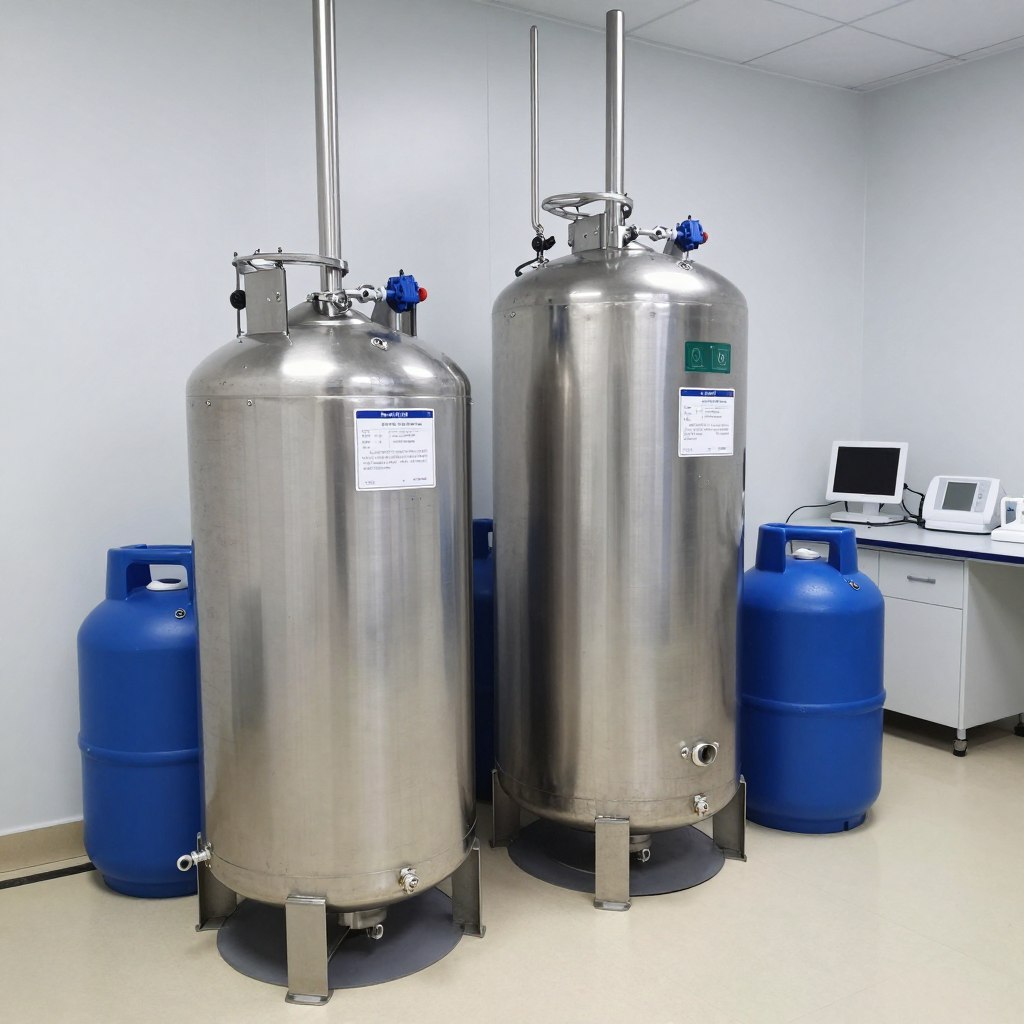
Preserve your fertility for the future by freezing eggs at a younger age. This option suits women focusing on careers or not ready for parenthood. The procedure follows IVF stimulation and retrieval steps. Eggs are frozen using rapid cooling technology. They can remain stored for years without quality loss. When ready, eggs are thawed and fertilized.

Frozen Embryo Transfer
Extra embryos from IVF cycles can be frozen for later use. This saves money on future treatment attempts. Frozen embryo transfer avoids ovarian stimulation. Your body needs only preparation for implantation. Success rates are comparable to fresh transfers. This option also gives time to recover between cycles.

Donor Programs
Egg or sperm donation helps when your own gametes aren’t viable. Donor programs offer hope to women with diminished ovarian reserve. They also assist men with no sperm production. Donors undergo thorough medical and psychological screening. This ensures healthy genetics and proper matching. Success rates with donor eggs are excellent.
Why Choose Delhi NCR for Fertility Treatment

Delhi NCR has become a premier destination for fertility care in India and internationally. The region combines world-class medical expertise with affordable pricing. Patients from across India and abroad choose Delhi NCR for their fertility treatment. The capital region offers advantages that few other locations can match. From technology to talent, Delhi NCR delivers excellence in reproductive medicine.
The concentration of top fertility specialists in Delhi NCR is remarkable. Many doctors trained internationally and bring global best practices. Advanced laboratories use the latest embryology techniques. Success rates at Delhi NCR clinics match or exceed international standards. But what truly sets this region apart is the combination of quality and affordability. You get premium care without the premium price tag.
Access to World-Class Medical Infrastructure
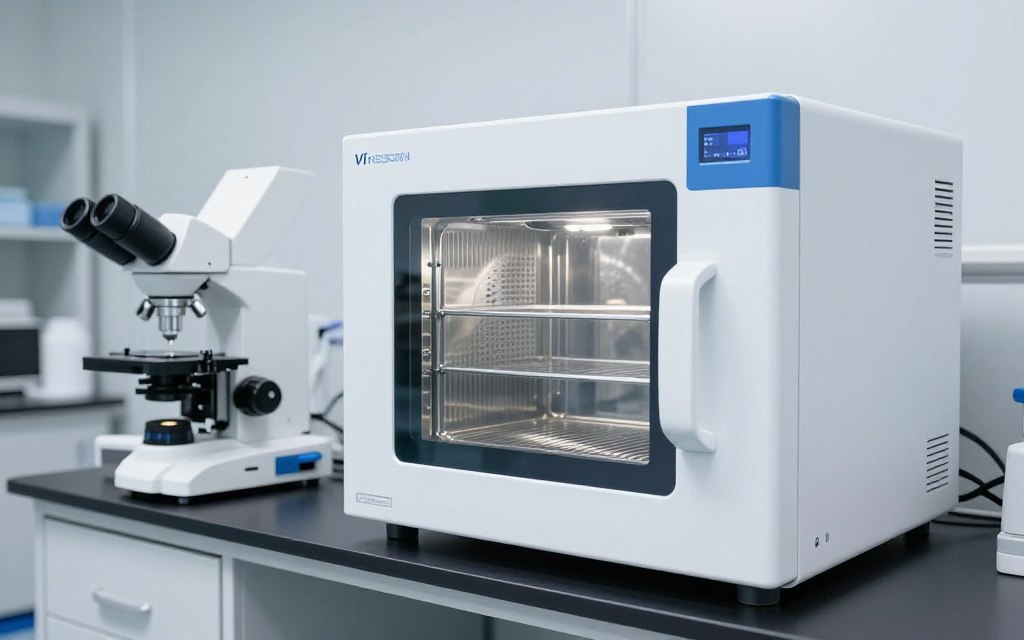
Delhi NCR fertility centres invest heavily in cutting-edge technology. Modern laboratories maintain precise environmental controls for embryo development. Temperature, humidity, and air quality are constantly monitored. Time-lapse imaging systems track embryo growth without disturbance. Genetic testing equipment identifies chromosomal abnormalities before transfer. This technology improves success rates and reduces miscarriage risk.
The medical infrastructure extends beyond laboratories. Operation theatres meet international standards for safety and sterility. Recovery areas provide comfort and privacy after procedures. Many centres are affiliated with larger hospital networks. This ensures comprehensive care if complications arise. But excellent infrastructure means nothing without skilled people to use it. Delhi NCR has both.
Cost Advantages Without Compromising Quality
The affordability of fertility treatment in Delhi NCR is striking. A complete IVF cycle costs 60-70% less than in the United States or UK. Even compared to other Indian metros, Delhi NCR offers better value. Lower operational costs in the region keep prices reasonable. But lower cost doesn’t mean lower quality. Standards of care match the best centres worldwide.
This cost advantage makes multiple cycles more affordable. Many couples need two or three attempts before success. In expensive markets, this becomes financially impossible. In Delhi NCR, you can pursue treatment without destroying your savings. Some couples even combine treatment with tourism, exploring India’s rich heritage. The savings on medical care offset travel expenses for international patients.
Delhi NCR Advantages
- IVF costs 40-50% lower than Mumbai or Bangalore
- Medication prices significantly reduced
- No compromise on technology or expertise
- Excellent doctor-to-patient ratios
- Multiple cycles financially feasible
- Transparent pricing with no hidden costs
International Comparison
- 60-70% savings versus Western countries
- Same or better success rates
- English-speaking medical professionals
- Modern facilities matching global standards
- Shorter waiting times for treatment
- Medical tourism support available
Comprehensive Support Services
Counseling and Emotional Support
Infertility creates emotional stress that affects couples deeply. Delhi NCR centres recognize the psychological dimension of treatment. Professional counselors help you process feelings and maintain hope. Support groups connect you with others facing similar challenges. This emotional support is as important as medical care. Many clinics include counseling in their treatment packages.
Nutritional Guidance
Proper nutrition optimizes fertility and treatment success. Dietitians create meal plans that support reproductive health. They recommend supplements like folic acid and vitamin D. Weight management guidance helps achieve ideal BMI for conception. Nutritional support continues through pregnancy. This holistic approach addresses all factors affecting fertility.
Accommodation Assistance
For patients traveling to Delhi NCR, finding accommodation can be stressful. Many fertility centres partner with nearby hotels offering discounted rates. Some have their own guest facilities for out-of-town patients. Coordinators help arrange comfortable stays close to the clinic. This reduces travel fatigue during treatment. You can focus on your cycle instead of logistics.
Maximizing Success Rates on a Budget

Achieving pregnancy while managing costs requires strategic planning. Success doesn’t always require the most expensive treatments. Sometimes simple interventions work when timed correctly. Understanding how to maximize your chances without overspending is essential. Many couples succeed by making smart decisions about their care. Knowledge and timing matter as much as money.
The key is working with specialists who prioritize cost-effective care. Good doctors don’t automatically recommend the most expensive option. They evaluate your specific situation and suggest appropriate treatments. Starting with less invasive procedures when suitable saves money. Progressing to advanced techniques only when necessary keeps costs down. This stepwise approach balances affordability with effectiveness.
Choosing the Right Treatment First Time
Starting with the appropriate treatment level saves money and time. Some doctors recommend IVF immediately for every case. But if you’re young with unexplained infertility, IUI might work. Three to four IUI cycles cost less than one IVF cycle. If IUI doesn’t succeed, you haven’t wasted much money trying. Then moving to IVF becomes the logical next step.
However, some situations clearly require IVF from the start. Blocked fallopian tubes make IUI impossible. Severe male factor infertility needs ICSI with IVF. Age over 38 means time is critical, so starting with IVF makes sense. Previous pelvic surgery may favor IVF. Your doctor should explain why they recommend specific treatments. If the reasoning isn’t clear, ask questions. Understanding the rationale helps you make informed financial decisions. Reach out to our specialists at neelam@ivfconceptions.com for personalized treatment recommendations.
Questions to Ask Your Doctor: Why is this treatment recommended for my specific situation? What are my chances of success with this approach? Should we try a simpler treatment first? What happens if this cycle doesn’t work? Are there ways to reduce costs without compromising outcomes?
Genetic Testing: When It’s Worth the Investment

Preimplantation genetic testing adds significant cost to IVF treatment. PGT screens embryos for chromosomal abnormalities before transfer. For some patients, this investment makes sense. Women over 38 have higher rates of chromosomal problems. Testing helps select the healthiest embryo and improves success rates. It also reduces miscarriage risk from chromosomal issues.
However, PGT isn’t necessary for everyone. Younger patients with many embryos might not need it. The additional cost could fund another complete cycle. Discuss with your doctor whether testing benefits your situation. Consider your age, previous miscarriages, and genetic risk factors. Sometimes spending more upfront saves money by achieving success sooner. Other times, the basic approach is more cost-effective. Personalized recommendations are essential.
Making the Most of Each Cycle

Once you begin a treatment cycle, maximize your investment through careful preparation. Take all medications exactly as prescribed. Store them properly and check expiration dates. Attend every monitoring appointment so doctors can adjust protocols. Communicate any side effects or concerns immediately. Following instructions carefully prevents cycle cancellation and wasted money.
After embryo transfer, follow all post-procedure guidelines. Avoid strenuous activity but continue normal daily life. The two-week wait is mentally challenging. Try to stay occupied with work or hobbies. Avoid excessive symptom-watching or early pregnancy testing. Trust the process and remain positive. Your mental state doesn’t determine success, but managing stress helps you cope better. Whether this cycle succeeds or not, you’ll have done everything possible.
Get Expert Guidance for Your Treatment Journey
Our fertility specialists will create a customized treatment plan that maximizes your success while respecting your budget. We’ll recommend the right approach for your specific situation, not just the most expensive option.
Selecting the Right Fertility Centre in Delhi NCR

Choosing the right fertility centre is one of your most important decisions. Not all clinics are equal in expertise, success rates, or patient care. The cheapest option isn’t always the best value. Extremely expensive doesn’t guarantee success either. You need a centre that balances quality, affordability, and personalized attention. Your comfort with the medical team matters as much as their credentials.
Research multiple centres before making your choice. Visit at least two or three clinics for consultations. Ask questions about their experience with cases like yours. Compare success rates, but understand how statistics can be misleading. A centre that accepts challenging cases may have lower overall success but better outcomes for difficult situations. Look at the complete picture, not just numbers.
Key Factors to Evaluate

Clinic accreditation provides assurance of quality standards. Look for centres certified by national or international accreditation bodies. Check if their laboratory meets ISO standards for quality management. Registration with the National ART Registry is mandatory in India. These certifications indicate the clinic follows proper protocols and maintains safety standards.
The doctor’s qualifications and experience are critical. Verify their credentials and specialty training in reproductive medicine. How many years have they practiced? What’s their personal success rate? Do they specialize in certain conditions? Some doctors excel with older patients while others focus on male infertility. Finding a specialist experienced with your situation improves outcomes.
Questions to Ask During Consultation

Come to your first consultation prepared with questions. Don’t feel intimidated about asking anything. Good doctors welcome informed, engaged patients. Start by asking about success rates for your age group and diagnosis. Request breakdowns by number of eggs retrieved or embryos transferred. Understand how they define success. Is it pregnancy or live birth? Live birth rates are what truly matter.
Ask about their laboratory standards and quality control measures. How long do they culture embryos before transfer? Do they have 24/7 monitoring of incubators? What’s their fertilization rate? How do they select embryos for transfer? These technical details reveal their expertise. Don’t worry if you don’t understand everything. Ask them to explain in simple terms. A doctor who can’t communicate clearly isn’t the right fit.
- What success rate do you have for patients in my age group and diagnosis?
- How many egg retrievals and transfers do you perform annually?
- What protocols do you typically use for stimulation?
- Do you recommend single or multiple embryo transfer?
- What’s included in your quoted price and what costs extra?
- How many cycles would you estimate I might need?
- What happens if I don’t respond well to medications?
- Do you offer refunds or guarantees for unsuccessful cycles?
- Can I speak with other patients who’ve been treated here?
- How accessible are you if problems arise during treatment?
Red Flags to Watch For
Warning Signs: Beware of clinics that guarantee pregnancy or offer “100% success” promises. Medicine doesn’t work that way. Be cautious of centres pressuring you into immediate treatment without proper evaluation. Avoid places that discourage second opinions or won’t provide detailed information. Red flags include unclear pricing, hidden costs, or refusal to provide written treatment plans. Trust your instincts if something feels wrong.
Location and Accessibility Considerations

Delhi NCR’s large geographic area means travel times vary significantly. Consider how far you’re willing to commute for treatment. You’ll visit the clinic frequently during stimulation. Morning monitoring appointments may conflict with work schedules. Choose a location that’s practically accessible. Some patients prefer centres near their workplace for convenience during monitoring.
If you’re traveling from another city or country, proximity to your accommodation matters. Look for clinics near hotels or serviced apartments. Check if the centre offers telemedicine for initial consultations. Some follow-up appointments might be possible via video call. This reduces travel requirements and costs. Delhi’s metro system provides easy access to many fertility centres. Confirm the nearest metro station and connectivity to your location.
Ready to Start Your Fertility Journey?
Connect with our experienced team for a comprehensive consultation. We’ll answer all your questions, evaluate your situation, and create an affordable treatment plan tailored to your needs. No pressure, no obligations – just honest guidance toward parenthood.
Patient Success Stories from Delhi NCR

Real stories from couples who’ve walked this path provide hope and inspiration. Every fertility journey is unique, but hearing others’ experiences helps. These families faced similar challenges and concerns. They worried about costs and success. They questioned whether treatment would work. But they persevered and achieved their dreams of parenthood. Their stories remind us that success is possible.
The couples who share their experiences want to encourage others. They remember how alone they felt during treatment. Reading success stories gave them hope during difficult times. Now they want to pass that hope forward. While every situation is different, these stories show what’s achievable with quality care and determination.
Frequently Asked Questions

Understanding fertility treatment involves processing complex information. You likely have many questions about procedures, costs, and outcomes. This section addresses the most common concerns couples raise. Reading these answers helps you feel more prepared for consultations. Knowledge reduces anxiety and helps you make informed decisions.
Remember that every situation is unique. These general answers may not apply specifically to your case. Use this information as a starting point for discussions with specialists. Your doctor can provide personalized guidance based on your medical history. Don’t hesitate to ask follow-up questions during consultations. For immediate answers to your specific questions, contact our team at +91-8800481100 or neelam@ivfconceptions.com.
How much does IVF cost in Delhi NCR compared to other cities?
IVF costs in Delhi NCR typically range from ₹1,20,000 to ₹1,80,000 per cycle. This is approximately 30-40% lower than cities like Mumbai or Bangalore where prices reach ₹2,00,000 to ₹2,50,000. International comparison shows even greater savings. The same treatment costs $12,000 to $15,000 in the United States and £5,000 to £8,000 in the UK. Delhi NCR’s lower operational costs and competitive market create these advantages. Despite lower prices, quality standards match international levels.
What’s included in a typical IVF package price?
Most IVF packages include initial consultations, blood tests, ultrasound monitoring, ovarian stimulation medications, egg retrieval procedure, anesthesia, sperm processing, fertilization, embryo culture, and embryo transfer. Basic packages cover one fresh transfer attempt. Some include one year of embryo freezing. However, additional costs may apply for ICSI, genetic testing, extended embryo culture, assisted hatching, or extra medication if higher doses are needed. Always request a detailed breakdown during consultation to avoid surprises.
How many IVF cycles will I need?
The number of cycles needed varies significantly by individual factors. Women under 35 with good egg reserve often succeed within one to two cycles. Those over 38 or with diminished ovarian reserve may need three to four attempts. Statistics show cumulative success rates improve with multiple cycles. After three complete IVF cycles, most couples who will succeed have done so. Your doctor can estimate your specific situation based on initial testing. Age, egg quality, sperm parameters, and uterine health all influence how many cycles you might need.
Is cheaper treatment lower quality?
Lower cost doesn’t automatically mean lower quality in Delhi NCR. The region’s affordability comes from lower operational expenses, not compromised care. Rent, labor costs, and overhead are less than in more expensive cities or countries. Many Delhi NCR specialists trained internationally and bring world-class expertise. Laboratory standards and technology match global benchmarks. However, extremely low prices that seem too good to be true warrant scrutiny. Choose centres based on credentials, success rates, and reputation, not just price. The best value balances reasonable cost with proven quality.
What success rate should I expect?
Success rates depend heavily on age. Women under 35 typically see 40-50% success per IVF cycle. Ages 35-37 experience 30-40% success rates. Between 38-40 years, rates drop to 20-30%. Over 40, success per cycle decreases to 10-20%. These figures represent live birth rates, not just positive pregnancy tests. Your specific diagnosis also influences outcomes. Good ovarian reserve, healthy sperm, and optimal uterine environment improve chances. Discuss your personalized success probability with your doctor based on your age and test results.
Can lifestyle changes really improve my chances?
Yes, lifestyle modifications significantly impact fertility outcomes. Achieving healthy BMI between 20-25 improves hormone balance and response to medications. Both obesity and being underweight reduce success rates. Smoking dramatically decreases fertility and IVF success. Quitting smoking improves outcomes within just three months. Excessive alcohol consumption harms egg and sperm quality. Limiting intake to occasional drinks is advisable. Moderate exercise supports fertility, but extreme training can disrupt cycles. Stress management through yoga or meditation helps cope emotionally and may improve outcomes. These changes cost nothing but provide real benefits.
How do I choose between IUI and IVF?
The choice depends on your specific diagnosis and circumstances. IUI suits younger couples with unexplained infertility, mild male factor issues, or cervical problems. It requires at least one open fallopian tube. IUI is less expensive and less invasive, making it a good starting point when appropriate. IVF becomes necessary for blocked tubes, severe male infertility, advanced age, or failed IUI attempts. Some situations clearly require IVF from the start. Your doctor’s recommendation should be based on thorough evaluation, not just defaulting to the most expensive option. If IUI has reasonable success probability, trying it first makes financial sense.
Are payment plans available?
Many Delhi NCR fertility centres offer flexible payment options. Some partner with medical financing companies that provide loans specifically for fertility treatment. These loans spread payments over 12-36 months at competitive interest rates. Clinics may accept payment in stages: consultation fees first, medications separately, and procedure costs at retrieval time. Some accept post-dated cheques or credit card payments in installments. Multi-cycle packages require larger upfront payment but reduce per-cycle costs. Ask about payment flexibility during your initial consultation. Financial concerns shouldn’t prevent you from seeking treatment.
What if the first cycle doesn’t work?
Failed first cycles are common and don’t mean treatment won’t eventually succeed. Your doctor will review the cycle in detail to understand what happened. Were eggs retrieved? Did they fertilize? Did embryos develop to good quality? Understanding these factors guides protocol adjustments for the next attempt. Sometimes medication dosages need modification. Other times, different stimulation protocols work better. Each cycle provides learning opportunities. If you have frozen embryos, a frozen transfer cycle costs much less than starting completely over. Most couples who ultimately succeed need multiple attempts. Don’t lose hope after initial disappointment.
How do I know if a clinic is legitimate?
Verify the clinic’s registration with the National ART Registry. All legitimate fertility centres must register. Check if doctors are certified reproductive endocrinologists with proper credentials. Look for accreditation from organizations like NABH or ISO certification for laboratories. Read online reviews, but consider them carefully as experiences vary. Ask to speak with previous patients if possible. Legitimate centres welcome questions and provide transparent information. Red flags include guaranteed success promises, pressure tactics, reluctance to provide detailed information, or unwillingness to offer second opinion consultations. Trust your instincts about the professionalism and ethics of the centre.
Still Have Questions? We’re Here to Help
Every fertility journey is unique, and you deserve personalized answers. Our specialists are ready to address your specific concerns and provide guidance tailored to your situation. Reach out today for a confidential, no-pressure consultation.
Taking the First Step Toward Parenthood

Your fertility journey doesn’t have to be financially devastating. Affordable fertility treatment Delhi NCR offers world-class care at prices that won’t drain your life savings. You’ve learned about treatment options, costs, and strategies for success. The information in this guide empowers you to make informed decisions. Knowledge reduces fear and helps you move forward with confidence.
Thousands of couples in your situation have achieved their dreams of parenthood. Delhi NCR’s combination of expertise and affordability makes this possible. Don’t let financial concerns delay your journey. The longer you wait, especially if you’re over 35, the more challenging treatment becomes. Time affects fertility significantly. Taking action now gives you the best chance of success.
Remember that the cheapest option isn’t always the best choice. But the most expensive doesn’t guarantee success either. Focus on finding quality care at reasonable prices. Choose specialists who listen to your concerns and create personalized treatment plans. A doctor who treats you as an individual, not just a number, makes all the difference. Your comfort and trust in your medical team are essential.

Starting fertility treatment feels overwhelming. Questions about procedures, success rates, and costs create anxiety. But you don’t have to navigate this journey alone. Experienced specialists understand your concerns because they’ve guided countless couples through similar challenges. They know which treatments work for specific situations. Their expertise helps you avoid unnecessary expenses and reach your goal efficiently.
Your Next Steps: Schedule a consultation with fertility specialists to evaluate your specific situation. Request detailed cost breakdowns for recommended treatments. Review your budget and explore payment options. Begin implementing lifestyle changes that support fertility. Connect with support resources for emotional guidance throughout your journey. Most importantly, don’t delay – reach out today to start your path toward parenthood.
Begin Your Journey to Parenthood Today
Your dream of becoming a parent deserves expert guidance and compassionate care. Our fertility specialists in Delhi NCR combine world-class expertise with affordable, transparent pricing.
Available 7 Days a Week

Author Bio: Neelam Chhagani is an International Surrogacy Expert with 15 years of experience in the fertility and surrogacy domain. As the founder of IVF Conceptions and Complete Surrogacy, she has guided over 4,000 intended parents worldwide on their surrogacy journey to parenthood. Recognized as a trusted authority, she specializes in holistic infertility solutions and third-party reproduction consulting.
Holding an MA in Counselling Psychology and a PGD in Mental Health, Neelam is a proud member of the European Fertility Society (EFS) and the European Society of Human Reproduction and Embryology (ESHRE). She is also a leading surrogacy blogger, providing valuable insights into ethical and practical surrogacy solutions.
Since 2010, committed to supporting ALL family types, Neelam has been passionate about helping intended parents grow their families with compassion, integrity, and a focus on secure and affordable surrogacy options Globally.
Learn more about Neelam:
https://www.ivfconceptions.com/neelam-chhagani-surrogacy-consultant/
https://www.linkedin.com/in/neelam-chhagani-92892229/















I was introduced to Neelam by a friend who worked with Neelam for surrogacy. Neelam is absolutely wonderful. I am a single male and the journey to fatherhood is not that easy. Neelam connected me to a program ideal for my circumstances. She was with me throughout the pregnancy providing advice and guidance along the way. I am so grateful I found her and am thrilled today that I have a beautiful daughter. I highly recommend Neelam to anyone who is on a journey to become a parent. Having a child has changed my world for the better. I wish others success with their own journey and recommend you connect with Neelam to find a path that is best for you.
SA (USA)