
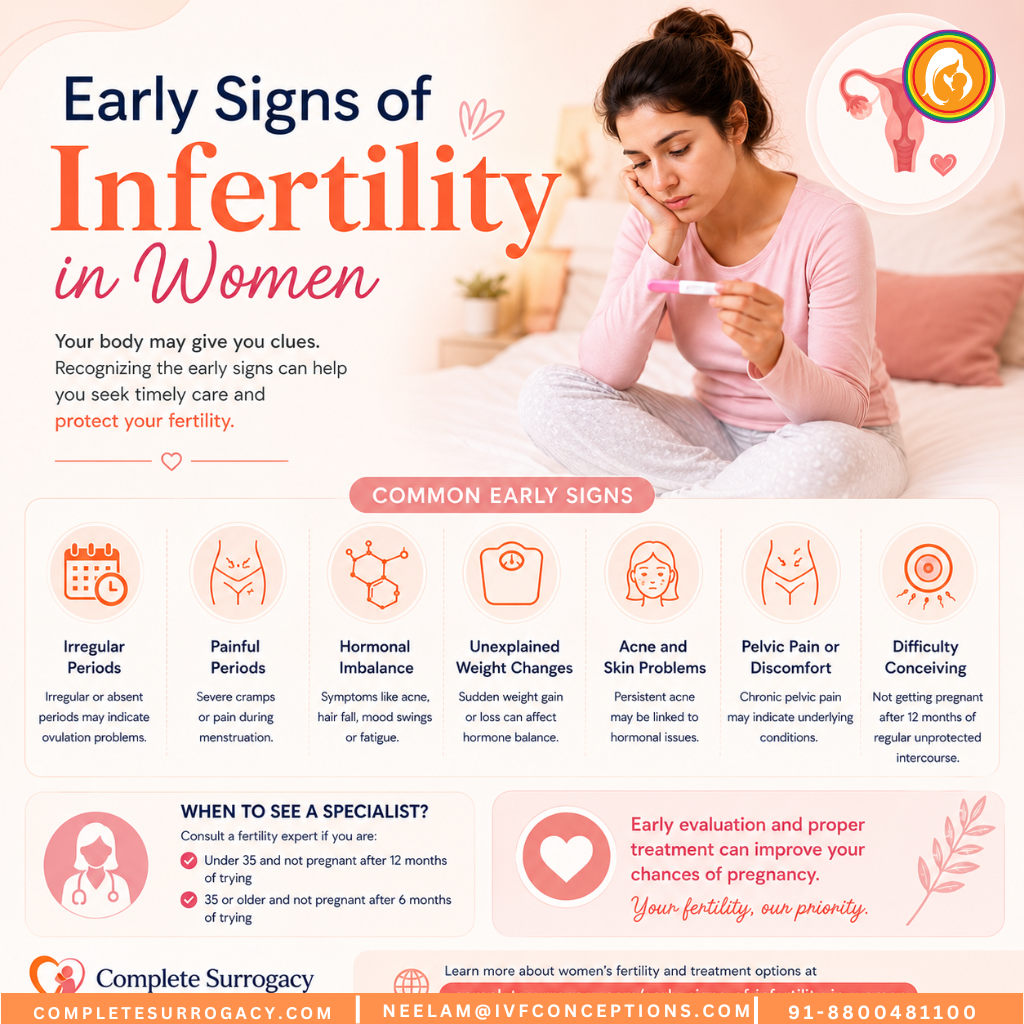
Early Signs of Infertility in Women can appear through irregular menstrual cycles, hormonal imbalances, or difficulty conceiving after months of trying. Many women may not notice symptoms initially, but recognizing these warning signs early can help in getting a timely fertility evaluation and treatment. Common symptoms include painful periods, missed periods, hormonal changes, and underlying reproductive health conditions. Understanding the Early Signs of Infertility in Women is important for improving the chances of a successful pregnancy through natural conception or fertility treatments.
| Early Sign | Description | Possible Cause |
|---|---|---|
| Irregular Periods | Menstrual cycles that are unpredictable or absent | Hormonal imbalance or PCOS |
| Painful Periods | Severe cramps or pelvic pain during menstruation | Endometriosis or reproductive disorders |
| No Pregnancy After Trying | Unable to conceive after 12 months of unprotected intercourse | Fertility-related conditions |
| Hormonal Changes | Acne, hair loss, or excess facial hair | PCOS or hormone imbalance |
| Heavy or Very Light Bleeding | Unusual menstrual flow patterns | Ovulation or uterine problems |
| Pelvic Pain | Ongoing pain in the lower abdomen | Endometriosis or infections |
| Pain During Intercourse | Discomfort during intimacy | Pelvic inflammatory disease or endometriosis |
| Recurrent Miscarriages | Multiple pregnancy losses | Genetic or uterine conditions |

Concerned About Your Fertility? We’re Here to Help
If you’re experiencing any signs of fertility concerns, our experienced specialists at IVF Conceptions are ready to provide personalized guidance. Early consultation can make a significant difference in your fertility journey.
What Is Female Infertility?
Female infertility refers to the inability to achieve pregnancy after twelve months of regular unprotected intercourse. For women over 35, this timeframe shortens to six months. Understanding the infertility women face requires recognizing that fertility is a complex interplay of multiple body systems working together.
The female reproductive system must function properly at every stage for conception to occur. This includes regular ovulation, open fallopian tubes, a healthy uterus, and balanced hormones. When any of these components face challenges, fertility may be affected.
Planning surrogacy abroad?
Read our complete Guide to International Surrogacy to understand the process, costs, legal rules, and timeline for international intended parents.
Key Fertility Requirements
- Regular ovulation releases healthy eggs each month
- Open and functional fallopian tubes for egg transport
- Receptive uterine environment for embryo implantation
- Balanced hormone levels supporting reproductive processes
- Healthy cervical mucus facilitates sperm transport
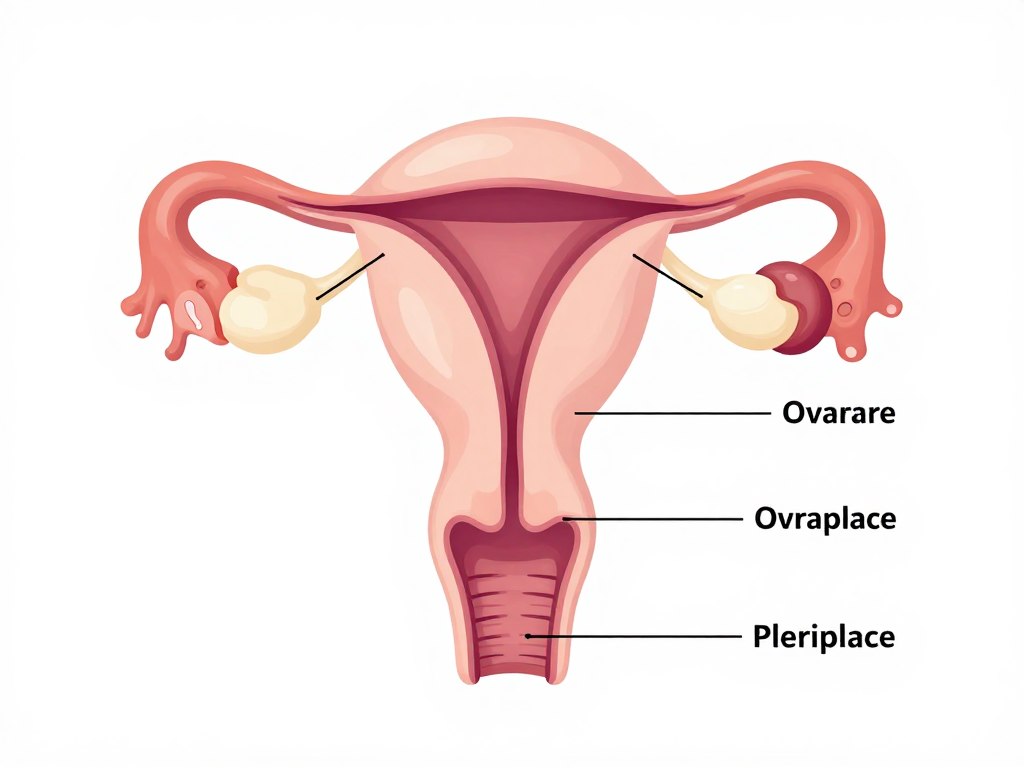
Many conditions can disrupt these delicate processes. Hormonal imbalances, structural abnormalities, age-related changes, and lifestyle factors all play significant roles. Recognizing the signs of infertility early allows for timely intervention and improved chances of successful conception.
Common Early Signs of Infertility in Women
Identifying the early signs of infertility in women begins with paying attention to your body’s signals. While some symptoms are obvious, others may be subtle. Understanding these signs helps you determine when to seek medical evaluation from a healthcare provider.

Irregular or Absent Menstrual Periods
Your menstrual cycle provides valuable insights into your reproductive health. A normal cycle typically ranges from 21 to 35 days. Significant variations, missed periods, or complete absence of menstruation may signal ovulation problems.
When your menstrual cycle becomes unpredictable, it often indicates that ovulation is not occurring regularly. Without consistent ovulation, conception becomes significantly more challenging. Conditions like polycystic ovary syndrome frequently cause these irregularities.
Important Note: If you’ve been trying to conceive for six months without regular periods, consulting a healthcare provider is essential. They can evaluate your ovarian reserve and hormone levels to identify the underlying cause.
Painful or Heavy Periods
While some discomfort during menstruation is normal, severe pain or extremely heavy bleeding may indicate underlying conditions. Endometriosis, a condition where tissue similar to the uterine lining grows outside the uterus, commonly causes intense menstrual pain and can significantly affect fertility.
Uterine fibroids also contribute to heavy periods and may affect fertility by interfering with embryo implantation. These benign growths in the uterus vary in size and location. Some women experience no symptoms, while others face substantial challenges.
Hormonal Fluctuations and Symptoms
Hormonal imbalances often manifest through various physical and emotional symptoms. These may include unexplained weight gain or loss, severe acne, excessive facial hair growth, thinning scalp hair, and mood swings. Such symptoms frequently indicate conditions like polycystic ovary syndrome or thyroid disorders.
These hormonal conditions can significantly affect fertility by disrupting ovulation and altering the uterine environment. A healthcare provider may recommend blood tests to evaluate your hormone levels and identify any imbalances requiring treatment.
Pain During Intercourse
Persistent pain during sexual intercourse, medically known as dyspareunia, should never be dismissed as normal. This symptom can indicate endometriosis, pelvic inflammatory disease, or other reproductive health conditions that may affect fertility.
These conditions may also cause chronic pelvic pain beyond intercourse. Addressing pain symptoms promptly with a healthcare provider ensures proper diagnosis and treatment, potentially improving both comfort and fertility outcomes.
Changes in Cervical Mucus
Healthy cervical mucus plays a crucial role in conception by helping sperm travel through the reproductive tract. Around ovulation, mucus typically becomes clear, slippery, and stretchy, resembling raw egg whites. Consistently thick, dry, or absent cervical mucus may signal hormonal problems affecting ovulation.
Monitoring cervical mucus changes provides valuable information about your fertile window. When patterns seem abnormal or absent, consulting a fertility specialist helps identify whether hormonal imbalances or other factors are contributing to conception challenges.
Understanding the Causes of Infertility in Women
The causes of infertility in women are diverse and often interconnected. Understanding these underlying factors helps explain why conception difficulties occur and guides appropriate treatment approaches. Many conditions affecting fertility can be effectively managed with proper medical care.
Ovulation Disorders
Ovulation disorders represent one of the most common causes of infertility. When ovulation doesn’t occur regularly, or at all, the opportunity for conception becomes limited or impossible. Several conditions can disrupt the ovulation process.
Polycystic ovary syndrome is a leading cause of ovulation problems. This hormonal disorder affects how the ovaries function, often preventing the regular release of mature eggs. Women with polycystic ovary syndrome may experience irregular periods, excess androgen levels, and small cysts on their ovaries.
Primary Ovulation Disorders
- Polycystic ovary syndrome affects egg development
- Hypothalamic dysfunction disrupting hormone signals
- Primary ovarian insufficiency causing early menopause
- Hyperprolactinemia increases prolactin hormone levels
- Thyroid disorders affecting reproductive hormones
Impact on Fertility
- Irregular or absent menstrual cycles
- Reduced ovarian reserve over time
- Poor egg quality affecting embryo development
- Hormonal imbalances are preventing conception
- Reduced response to fertility treatments
Structural Abnormalities
Physical problems within the reproductive system can prevent pregnancy even when ovulation occurs normally. Blocked or damaged fallopian tubes prevent the egg and sperm from meeting, making conception impossible through natural means.
Pelvic inflammatory disease, often caused by sexually transmitted infections, commonly damages the fallopian tubes. This infection causes scarring and blockages that prevent normal tube function. Previous pelvic surgeries or endometriosis may also create similar problems.
Uterine fibroids and polyps can interfere with embryo implantation. Depending on their size and location, these growths may distort the uterine cavity, making it difficult for a fertilized egg to attach and develop. Some uterine fibroids require surgical removal to improve fertility prospects.
Endometriosis and Its Impact
Endometriosis affects approximately ten percent of women of reproductive age and significantly impacts fertility. This condition occurs when tissue similar to the uterine lining grows outside the uterus, commonly on the ovaries, fallopian tubes, and pelvic surfaces.
The abnormal tissue growth causes inflammation, scarring, and adhesions that may affect fertility in multiple ways. Endometriosis can distort pelvic anatomy, damage eggs, impair embryo implantation, and create an inflammatory environment hostile to conception.
Early diagnosis and treatment of endometriosis significantly improve fertility outcomes. Women experiencing severe menstrual pain should seek evaluation promptly.
Age-Related Fertility Decline
A woman’s age significantly affects her ovarian reserve and egg quality. Fertility begins declining gradually in the late twenties and more rapidly after age 35. By age 40, natural conception becomes considerably more challenging for most women.
This decline occurs because women are born with a finite number of eggs. As you age, both the quantity and quality of eggs decrease. Older eggs have higher rates of chromosomal abnormalities, increasing miscarriage risk and reducing the likelihood of a successful pregnancy.
Age and Fertility Facts: Women under 30 have approximately a 20% chance of conceiving each month. By age 40, this drops to about 5% per month. Understanding these statistics helps set realistic expectations and guides timely decision-making about family planning.
When to See a Fertility Specialist
Knowing when to consult a healthcare provider about fertility concerns is crucial for timely intervention. The standard recommendation suggests seeking help after twelve months of trying to conceive without success for women under 35. However, several circumstances warrant earlier evaluation.

Timeline Guidelines for Seeking Help
For women over 35, fertility declines more rapidly, making earlier intervention beneficial. If you’ve been trying for six months without success at this age, consulting a fertility specialist is advisable. The accelerated decline in ovarian reserve after 35 makes time particularly valuable.
Women over 40 should seek immediate evaluation when considering pregnancy. At this age, fertility specialists can quickly assess ovarian reserve and discuss appropriate treatment options, maximizing the chances of successful conception.
Seek Help After 6 Months If:
- You’re age 35 or older
- You have irregular or absent periods
- You’ve been diagnosed with endometriosis
- You have known uterine fibroids
- You’ve had pelvic inflammatory disease
- Your partner has fertility concerns
Seek Immediate Help If:
- You’re age 40 or older
- You’ve had multiple miscarriages
- You’ve had cancer treatment
- You have premature ovarian insufficiency
- You have severe endometriosis symptoms
- You experience pelvic pain during intercourse
Warning Signs Requiring Immediate Attention
Certain symptoms indicate conditions that may significantly affect fertility and require prompt medical evaluation. Severe pelvic pain, especially during menstruation or intercourse, may signal endometriosis or pelvic inflammatory disease. These conditions can progressively worsen without treatment.
Sudden changes in your menstrual cycle, such as periods becoming significantly heavier, more painful, or completely stopping, warrant immediate attention. Similarly, symptoms of hormonal imbalances like rapid weight changes, excessive hair growth, or severe acne should be evaluated promptly.
Ready to Take the Next Step?
Our fertility specialists at IVF Conceptions provide comprehensive evaluations to identify any factors affecting your fertility. We offer personalized treatment plans designed to give you the best chance of achieving your dream of parenthood. Don’t wait—early intervention often leads to better outcomes.
Or email us at neelam@ivfconceptions.com
Diagnosis and Testing for Female Infertility
Comprehensive fertility testing helps identify the underlying cause of conception difficulties. Your healthcare provider will conduct a thorough evaluation including medical history, physical examination, and various diagnostic tests. Understanding what to expect during this process can help reduce anxiety.
Initial Medical Evaluation
Your first appointment typically involves a detailed discussion of your medical history, menstrual cycle patterns, previous pregnancies, and any symptoms you’ve experienced. The healthcare provider will ask about lifestyle factors, medications, and family medical history that may affect fertility.
A comprehensive physical examination, including a pelvic exam, helps identify any anatomical issues. This examination allows the provider to check for signs of endometriosis, uterine fibroids, or other structural abnormalities that may impact fertility.
Ovulation Testing and Hormone Evaluation
Blood tests play a crucial role in assessing fertility by measuring hormone levels throughout your menstrual cycle. These tests evaluate several key hormones that regulate ovulation and reproductive function.
| Hormone Test | What It Measures | Timing | Normal Range |
| FSH (Follicle Stimulating Hormone) | Ovarian reserve and egg quality | Day 2-3 of cycle | 4-10 mIU/mL |
| AMH (Anti-Mullerian Hormone) | Ovarian reserve assessment | Any day | 1.0-4.0 ng/mL |
| LH (Luteinizing Hormone) | Ovulation trigger | Day 2-3 of cycle | 1-12 mIU/mL |
| Estradiol | Egg development and quality | Day 2-3 of cycle | 25-75 pg/mL |
| Progesterone | Ovulation confirmation | Day 21 of cycle | >10 ng/mL |
| TSH (Thyroid) | Thyroid function | Any day | 0.4-4.0 mIU/L |
| Prolactin | Hormone balance | Any day | 3-30 ng/mL |
These blood tests provide comprehensive insight into your reproductive hormone balance. Abnormal results help identify specific problems such as polycystic ovary syndrome, thyroid disorders, or diminished ovarian reserve. Your healthcare provider may recommend additional testing based on these results.
Imaging and Structural Assessments
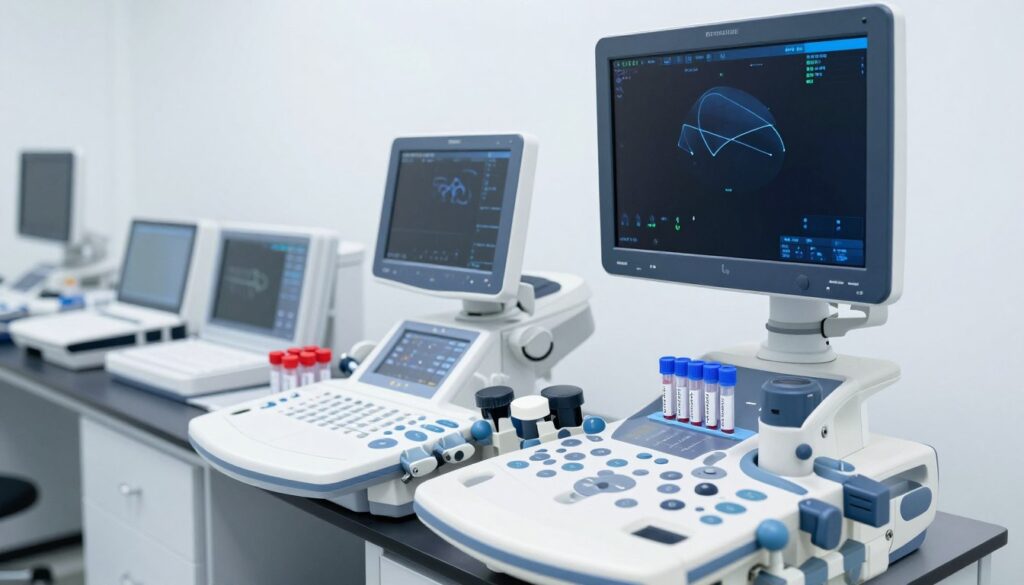
Ultrasound imaging allows your healthcare provider to visualize the ovaries and uterus, identifying structural abnormalities like uterine fibroids, polyps, or ovarian cysts. Transvaginal ultrasound provides detailed images of reproductive organs and helps assess ovarian reserve by counting antral follicles.
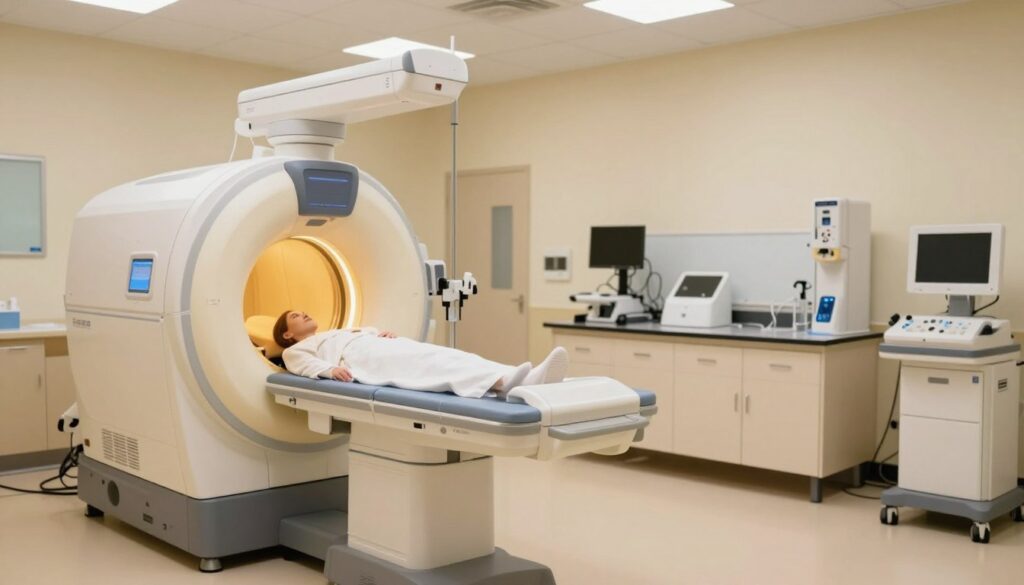
A hysterosalpingogram (HSG) examines the fallopian tubes and uterine cavity. This special X-ray procedure uses contrast dye to show whether the fallopian tubes are open or blocked. Open tubes are essential for natural conception, as they allow the egg and sperm to meet.
Treatment Options for Female Infertility
Modern medicine offers numerous effective treatment options for addressing female infertility. The appropriate treatment depends on the underlying cause identified through diagnostic testing, your age, how long you’ve been trying conceive, and your personal preferences. Many couples achieve successful pregnancies with proper intervention.
Medication and Hormonal Treatments
Fertility medications often represent the first line of treatment for ovulation disorders. These medications stimulate the ovaries to produce and release eggs, increasing the chances of conception. Clomiphene citrate and letrozole are commonly prescribed oral medications that trigger ovulation in women with conditions like polycystic ovary syndrome.
Injectable gonadotropins provide more powerful ovarian stimulation when oral medications prove insufficient. These medications contain follicle-stimulating hormone, luteinizing hormone, or both, directly stimulating egg development. Your healthcare provider carefully monitors your response through blood tests and ultrasounds to optimize results and minimize risks.
Surgical Interventions
Surgical procedures can correct structural problems affecting fertility. Laparoscopic surgery treats endometriosis by removing abnormal tissue growth, cysts, and adhesions. This minimally invasive approach typically offers faster recovery compared to traditional surgery while effectively restoring normal pelvic anatomy.
Hysteroscopic procedures address problems within the uterine cavity. Surgeons can remove uterine fibroids, polyps, or scar tissue that may interfere with embryo implantation. These outpatient procedures often significantly improve pregnancy chances for women with these specific issues.
Common Fertility Surgeries
- Laparoscopy for endometriosis treatment
- Hysteroscopy for uterine abnormalities
- Myomectomy for fibroid removal
- Tubal surgery for blocked tubes
- Ovarian drilling for PCOS
Surgical treatments aim to restore normal reproductive anatomy and function. Success rates vary depending on the specific condition and severity. Your fertility specialist will discuss whether surgery is appropriate for your situation and explain expected outcomes.
Many women achieve natural pregnancy following successful surgical correction of fertility problems. However, some may still benefit from additional fertility treatments or assisted reproductive technologies to maximize their chances of conception.
Assisted Reproductive Technologies
Assisted reproductive technologies represent advanced medical interventions that help couples overcome various fertility challenges. These sophisticated procedures have helped millions of people worldwide achieve their dreams of parenthood despite significant reproductive obstacles.
Intrauterine Insemination (IUI)
Intrauterine insemination involves placing specially prepared sperm directly into the uterus around the time of ovulation. This procedure bypasses cervical mucus barriers and positions sperm closer to the egg, increasing fertilization chances. IUI works well for unexplained infertility, mild male factor issues, or cervical factor problems.
The procedure is relatively simple, minimally invasive, and often combined with ovulation-stimulating medications to enhance success rates. Many couples try several IUI cycles before considering more advanced treatment options.
In Vitro Fertilization (IVF)
In vitro fertilization remains the most effective assisted reproductive technology available. The process involves stimulating the ovaries to produce multiple eggs, retrieving those eggs through a minor surgical procedure, fertilizing them with sperm in the laboratory, and transferring the resulting embryos into the uterus.
IVF successfully treats various infertility causes, including blocked fallopian tubes, severe endometriosis, male factor infertility, diminished ovarian reserve, and unexplained infertility. Success rates depend on factors like age, egg quality, and specific fertility diagnosis.
IVF Success Factors: Age significantly impacts IVF success rates. Women under 35 typically have success rates around 40-50% per cycle, while rates decrease with advancing age. However, even women over 40 can achieve pregnancy through IVF, especially when using donor eggs if needed.
Advanced IVF Techniques
Several advanced techniques enhance IVF outcomes for specific situations. Intracytoplasmic sperm injection (ICSI) involves injecting a single sperm directly into an egg, helping couples with severe male factor infertility. Preimplantation genetic testing screens embryos for chromosomal abnormalities before transfer, improving success rates and reducing miscarriage risk.
Frozen embryo transfer allows unused embryos from an IVF cycle to be preserved for future use. This approach often achieves comparable or better success rates than fresh transfers while providing flexibility in family planning and reducing the physical and financial burden of repeated ovarian stimulation.
Lifestyle Modifications and Supportive Care
Alongside medical treatments, lifestyle modifications significantly impact fertility outcomes. Maintaining healthy weight through balanced nutrition and regular exercise optimizes hormonal balance and improves treatment success. Both underweight and overweight conditions can disrupt ovulation and reduce fertility.
Stress management techniques, adequate sleep, and avoiding harmful substances like tobacco and excessive alcohol support reproductive health. While lifestyle changes alone may not resolve significant fertility problems, they complement medical treatments and improve overall health during the conception journey.
Lifestyle Factors That Affect Fertility
While medical conditions significantly impact fertility, lifestyle factors also play crucial roles in reproductive health. Understanding how daily habits affect fertility empowers you to make positive changes that support conception efforts alongside medical treatment options.

Weight and Nutrition Impact
Maintaining healthy weight significantly affects fertility in multiple ways. Both being significantly underweight and overweight can disrupt hormonal balance, interfere with ovulation, and reduce the effectiveness of fertility treatments. Body mass index outside the optimal range of 18.5 to 24.9 often correlates with conception difficulties.
Excess body weight, particularly around the abdomen, increases insulin resistance and elevates androgen levels. These hormonal changes frequently worsen polycystic ovary syndrome symptoms and disrupt regular ovulation. Losing even five to ten percent of body weight can restore ovulation and significantly improve fertility for overweight women.
Being significantly underweight also disrupts reproductive function. Insufficient body fat leads to decreased estrogen production and can halt menstruation entirely. This condition, called hypothalamic amenorrhea, prevents ovulation and makes conception impossible until healthy weight is restored.
Nutritional Support for Fertility
A balanced diet rich in specific nutrients supports optimal reproductive function. Antioxidants like vitamins C and E, selenium, and zinc protect eggs from oxidative stress. Folate, iron, and omega-3 fatty acids play crucial roles in reproductive health and early pregnancy development.
Fertility-Supporting Foods
Include these nutrient-rich foods in your daily diet to support reproductive health and optimize fertility naturally.
- Leafy green vegetables rich in folate
- Fatty fish providing omega-3 fatty acids
- Whole grains offering B vitamins and fiber
- Legumes containing plant-based protein and iron
Foods to Limit
Reducing consumption of these items may help improve hormonal balance and support better fertility outcomes.
- Processed foods high in trans fats
- Refined carbohydrates and sugary drinks
- Excessive caffeine beyond moderate intake
- High-mercury fish like swordfish and king mackerel
Exercise and Physical Activity
Regular moderate exercise supports fertility by helping maintain healthy weight, reducing stress, and improving insulin sensitivity. Activities like brisk walking, swimming, yoga, and cycling for 30 minutes most days provide optimal benefits without overtaxing the body.
However, excessive high-intensity exercise can negatively affect fertility, particularly when combined with low body weight. Intense training disrupts hormonal balance and may lead to irregular periods or complete cessation of menstruation. Finding the right balance of physical activity supports both general health and reproductive function.
Stress Management and Mental Health
Chronic stress impacts fertility through multiple mechanisms. Stress hormones can interfere with reproductive hormone production and disrupt ovulation. Additionally, the emotional burden of infertility itself creates a challenging cycle where stress about conception difficulties may further impair fertility.
Implementing stress-reduction techniques benefits both mental wellbeing and reproductive health. Practices like meditation, mindfulness, yoga, and counseling help manage the emotional challenges of fertility struggles. Many couples find support groups particularly valuable for connecting with others facing similar experiences.
Environmental and Occupational Exposures
Certain environmental toxins and occupational exposures may affect fertility. Pesticides, heavy metals, industrial chemicals, and radiation can impair reproductive function. If your work involves exposure to potentially harmful substances, discuss protective measures with your healthcare provider and employer.
Minimizing exposure to everyday environmental toxins also supports fertility. Choose organic produce when possible, avoid plastic containers for food storage and heating, use natural cleaning and personal care products, and ensure adequate ventilation in your living spaces.
Understanding Age and Fertility
Age represents one of the most significant factors affecting female fertility. While this reality can feel discouraging, understanding how age impacts conception helps inform decision-making and guides appropriate timing for family planning and fertility treatments.
How Fertility Changes with Age
Women are born with all the eggs they’ll ever have—approximately one to two million at birth. This number steadily declines throughout life. By puberty, only about 300,000 eggs remain, and by age 37, roughly 25,000 eggs are left. This progressive decline accelerates significantly after age 35.
The quality of eggs also decreases with age. Older eggs have higher rates of chromosomal abnormalities, which increases miscarriage risk and reduces the likelihood of a successful pregnancy. This explains why women over 35 face greater challenges conceiving and maintaining healthy pregnancies compared to younger women.
| Age Range | Monthly Conception Chance | Time to Conception | Miscarriage Risk |
| Under 25 | 25-30% | 3-6 months average | 10-15% |
| 25-29 | 20-25% | 4-6 months average | 10-15% |
| 30-34 | 15-20% | 6-9 months average | 15-20% |
| 35-39 | 10-15% | 9-12 months average | 20-35% |
| 40-44 | 5-10% | 12+ months average | 35-50% |
| 45+ | 1-5% | Very challenging | 50%+ |
Ovarian Reserve Assessment
Ovarian reserve refers to the quantity and quality of eggs remaining in the ovaries. Healthcare providers assess ovarian reserve through blood tests measuring anti-Mullerian hormone (AMH) and follicle-stimulating hormone (FSH) levels, combined with ultrasound counting of antral follicles.
These tests help predict how well you might respond to fertility treatments and provide insight into your remaining reproductive window. While ovarian reserve testing can’t predict exactly how long you’ll remain fertile, it offers valuable information for family planning decisions.
Options for Older Women
Women over 35 facing fertility challenges have several effective options. Moving more quickly to assisted reproductive technologies like IVF often makes sense given the time-sensitive nature of age-related fertility decline. IVF can maximize the chances of conception in a shorter timeframe compared to less intensive treatments.
Additional Resources to Read:
Surrogacy Services in Georgia Country
Surrogacy Services in Colombia
Surrogacy Services in Kazakhstan
Egg freezing (oocyte cryopreservation) offers an option for women not yet ready for pregnancy but concerned about future fertility. This procedure involves stimulating the ovaries, retrieving eggs, and freezing them for potential future use. Eggs frozen at younger ages maintain better quality than eggs remaining in aging ovaries.
Donor eggs represent another path to parenthood for women with severely diminished ovarian reserve or very poor egg quality. Using eggs from younger donors dramatically improves success rates, giving older women realistic chances of achieving healthy pregnancies despite their own age-related fertility decline.
While age significantly impacts fertility, it doesn’t mean pregnancy is impossible. Many women over 35 and even over 40 successfully conceive with appropriate medical support. The key is not delaying evaluation and treatment when facing conception challenges.
Emotional Support and Coping Strategies
The journey through infertility challenges often brings intense emotional stress. Feelings of sadness, frustration, anxiety, and isolation are completely normal responses to conception difficulties. Acknowledging these emotions and seeking appropriate support significantly improves well-being during this challenging time.

Understanding the Emotional Impact
Infertility affects mental health in profound ways. Many people experience grief over lost expectations, stress from medical procedures, relationship strain, and social isolation. The monthly cycle of hope and disappointment creates an emotional rollercoaster that affects quality of life beyond just the desire for a child.
These feelings can intensify when friends and family members easily become pregnant or when facing insensitive questions about family planning. Remember that your emotions are valid, and seeking help for the psychological aspects of infertility is just as important as addressing the physical challenges.
Building Your Support Network
Creating a strong support system helps navigate the emotional challenges of infertility. This network might include understanding friends and family members, mental health professionals specializing in reproductive issues, support groups with others facing similar challenges, and your medical team.
Professional Support Options
- Individual counseling with fertility-trained therapists
- Couples therapy to strengthen relationship communication
- Support groups share experiences with others
- Online communities providing 24/7 connection
- Mind-body programs teaching stress reduction
- Psychiatric care if needed for depression or anxiety
Self-Care Strategies
- Maintain routines unrelated to fertility treatment
- Set boundaries around fertility discussions
- Practice stress-reduction techniques regularly
- Engage in enjoyable activities and hobbies
- Take breaks from treatment when needed
- Celebrate small victories and milestones
Communication with Your Partner
Infertility affects both partners, though often in different ways. Open, honest communication about feelings, fears, and needs strengthens your relationship during this stressful time. Regular check-ins help ensure both partners feel heard and supported throughout the fertility journey.
Some couples benefit from establishing fertility-free zones—times or places where you agree not to discuss treatment, allowing your relationship to exist beyond infertility challenges. Maintaining emotional and physical intimacy despite the stress helps preserve relationship satisfaction during prolonged treatment.
Managing Treatment Stress
Medical fertility treatments bring their own stressors including hormone-related mood swings, physical discomfort from procedures, financial concerns, and the uncertainty of outcomes. Developing coping strategies specifically for treatment-related stress improves your ability to persist through multiple cycles if needed.
Some helpful approaches include preparing mentally for each step of treatment, asking questions to reduce uncertainty, practicing relaxation techniques before and after procedures, allowing yourself recovery time between cycles, and maintaining realistic expectations about success rates.
Remember: Seeking emotional support doesn’t mean you’re weak or handling infertility poorly. It demonstrates wisdom and self-awareness. Many people find that addressing the emotional aspects of infertility improves not only their mental health but also their ability to navigate treatment successfully.
Experience Compassionate, Expert Fertility Care at IVF Conceptions
Our team of experienced fertility specialists provides personalized care tailored to your unique situation. We combine advanced medical expertise with compassionate support, guiding you through every step of your fertility journey. From initial consultation through treatment and beyond, we’re committed to helping you achieve your dream of parenthood.
Frequently Asked Questions About Female Infertility
Understanding common questions about female infertility helps clarify concerns and provides quick access to essential information about fertility health, diagnosis, and treatment.
How long should I try to conceive before seeking help?
Women under 35 should generally try for twelve months before consulting a fertility specialist. However, women over 35 should seek evaluation after six months of trying conceive without success. Women over 40 should consider immediate consultation when planning pregnancy. Additionally, seek earlier evaluation if you have known fertility risk factors like irregular periods, endometriosis, previous pelvic infections, or repeated miscarriages.
What are the most common causes of female infertility?
The most common causes infertility in women include ovulation disorders like polycystic ovary syndrome, blocked or damaged fallopian tubes often from pelvic inflammatory disease, endometriosis, age-related decline in egg quality and quantity, uterine fibroids or polyps, and hormonal imbalances affecting reproductive function. In some cases, no specific cause can be identified, called unexplained infertility.
Can irregular periods mean I’m infertile?
Irregular periods often indicate ovulation problems, which can significantly affect fertility. However, irregular periods don’t necessarily mean you’re infertile. Many women with irregular cycles can achieve pregnancy with appropriate treatment. The key is identifying the underlying cause through evaluation by a healthcare provider who can recommend targeted treatments to restore regular ovulation and improve conception chances.
Does endometriosis always cause infertility?
No, endometriosis doesn’t always cause infertility. Many women with endometriosis conceive naturally despite their condition. However, endometriosis does increase infertility risk through various mechanisms including pelvic inflammation, anatomical distortion, and altered immune function. The severity of endometriosis doesn’t always correlate with fertility impact—some women with severe disease conceive easily while others with mild endometriosis struggle to become pregnant.
What fertility tests will my doctor recommend?
Initial fertility testing typically includes blood tests to evaluate hormone levels including FSH, LH, AMH, estradiol, progesterone, TSH, and prolactin. Your provider will likely order a transvaginal ultrasound to examine your ovaries and uterus. A hysterosalpingogram (HSG) checks whether your fallopian tubes are open. Additional tests might include hysteroscopy or laparoscopy depending on initial findings. Your partner should also undergo semen analysis since male factors contribute to many fertility challenges.
How successful is IVF for treating female infertility?
IVF success rates vary significantly based on age and specific fertility factors. Women under 35 typically have success rates around 40-50% per cycle. Success rates decline with age—women 35-37 average 30-40% success, while women 38-40 see rates around 20-30%, and women over 40 have rates typically below 10% per cycle using their own eggs. However, using donor eggs can dramatically improve success rates for older women. Multiple IVF cycles often increase cumulative pregnancy chances.
Can lifestyle changes improve my fertility?
Yes, lifestyle modifications can significantly impact fertility. Achieving and maintaining healthy weight improves hormonal balance and ovulation. Regular moderate exercise, stress management, adequate sleep, and a nutritious diet all support reproductive health. Eliminating tobacco, limiting alcohol consumption, reducing caffeine intake, and minimizing exposure to environmental toxins also help optimize fertility. While lifestyle changes alone may not resolve significant fertility problems, they complement medical treatments and improve overall outcomes.
Is fertility treatment covered by insurance?
Insurance coverage for fertility treatment varies widely depending on your location, specific insurance plan, and type of treatment needed. Some regions require insurance companies to cover fertility services, while others don’t. Basic diagnostic testing is often covered, but assisted reproductive technologies like IVF may not be. Contact your insurance provider to understand your specific coverage, and discuss financial options with your fertility clinic. Many clinics offer payment plans or financing options to help make treatment more accessible.
Should I consider egg freezing to preserve my fertility?
Egg freezing makes sense for women who want to delay childbearing but are concerned about age-related fertility decline. Ideal candidates are typically in their late twenties to mid-thirties when egg quality remains good. The procedure involves ovarian stimulation, egg retrieval, and freezing eggs for future use. Success rates depend heavily on the age at which eggs are frozen. Discuss this option with a fertility specialist who can assess your ovarian reserve and help you make an informed decision based on your individual circumstances and family planning goals.
What if we have unexplained infertility?
Unexplained infertility, diagnosed when comprehensive testing reveals no specific cause for conception difficulties, affects approximately 10-20% of infertile couples. Despite the frustrating lack of clear answers, many treatment options remain available. Approaches typically include lifestyle optimization, ovulation stimulation with medications, intrauterine insemination, or proceeding directly to IVF. Success rates for unexplained infertility are often comparable to other diagnoses, and many couples ultimately achieve pregnancy with appropriate treatment despite never identifying a specific cause.
Taking Control of Your Fertility Journey
Recognizing the early signs of infertility in women represents an important first step toward understanding your reproductive health and seeking appropriate care. While facing fertility challenges can feel overwhelming, remember that effective diagnosis and treatment options exist for most causes of female infertility.
Whether you’re just beginning to notice concerning symptoms or have been trying conceive without success for several months, seeking evaluation from qualified fertility specialists provides clarity and opens pathways toward achieving your family planning goals. Modern reproductive medicine offers more solutions than ever before, from simple lifestyle modifications and medications to advanced assisted reproductive technologies.

Your fertility journey is uniquely yours, and the right approach depends on your specific situation, medical history, age, and personal preferences. Working with experienced fertility specialists who provide compassionate, personalized care makes a significant difference in both your treatment experience and outcomes.
Begin Your Fertility Journey with Expert Support
At IVF Conceptions, we understand that every fertility journey is unique. Our experienced team of specialists provides comprehensive diagnostic services, personalized treatment plans, and compassionate support every step of the way.

Author Bio: Neelam Chhagani is an International Surrogacy Expert with 15 years of experience in the fertility and surrogacy domain. As the founder of IVF Conceptions and Complete Surrogacy, she has guided over 4,000 intended parents worldwide on their surrogacy journey to parenthood. Recognized as a trusted authority, she specializes in holistic infertility solutions and third-party reproduction consulting.
Holding an MA in Counselling Psychology and a PGD in Mental Health, Neelam is a proud member of the European Fertility Society (EFS) and the European Society of Human Reproduction and Embryology (ESHRE). She is also a leading surrogacy blogger, providing valuable insights into ethical and practical surrogacy solutions.
Since 2010, committed to supporting ALL family types, Neelam has been passionate about helping intended parents grow their families with compassion, integrity, and a focus on secure and affordable surrogacy options Globally.
Learn more about Neelam:
https://www.ivfconceptions.com/neelam-chhagani-surrogacy-consultant/
https://www.linkedin.com/in/neelam-chhagani-92892229/













I was introduced to Neelam by a friend who worked with Neelam for surrogacy. Neelam is absolutely wonderful. I am a single male and the journey to fatherhood is not that easy. Neelam connected me to a program ideal for my circumstances. She was with me throughout the pregnancy providing advice and guidance along the way. I am so grateful I found her and am thrilled today that I have a beautiful daughter. I highly recommend Neelam to anyone who is on a journey to become a parent. Having a child has changed my world for the better. I wish others success with their own journey and recommend you connect with Neelam to find a path that is best for you.
SA (USA)