
📱 +91-8800481100 (WhatsApp | LINE | Viber)
📧 neelam@ivfconceptions.com

Planning surrogacy abroad?
Read our complete Guide to International Surrogacy to understand the process, costs, legal rules, and timeline for international intended parents.
Additional resources to read:
Can Acupuncture Treat Infertility?
Key Takeaways
- Infertility affects approximately one in six people of reproductive age.
- Understanding infertility reasons is vital for better treatment outcomes.
- Both men and women can experience fertility problems.
- Awareness of common causes leads to informed health decisions.
- Consulting a healthcare provider can clarify personal infertility issues.
Understanding Infertility: An Overview
Infertility is a common challenge for many couples, causing confusion and distress in their family planning journey. It’s essential to grasp the definitions of infertility to tackle these issues effectively. Medically, it’s defined as the inability to conceive after 12 months of regular, unprotected intercourse.
Definition of Infertility
Infertility is more than just a biological issue; it also involves emotional and psychological aspects. It’s divided into two main types: primary and secondary infertility. Primary infertility affects couples who have never conceived. Secondary infertility, on the other hand, involves those who have conceived before but now struggle to do so again.
Primary vs. Secondary Infertility
Understanding the difference between primary and secondary infertility is key for couples seeking medical help. Primary infertility can stem from hormonal imbalances, genetic disorders, or anatomical issues. Secondary infertility, often linked to previous pregnancies, may be due to age-related factors or health changes. Identifying these causes is vital for effective treatment.
Global Prevalence and Impact
Global statistics show that about 15% of reproductive-age couples face infertility, totaling nearly 50 million couples worldwide. This prevalence varies by region, influenced by healthcare access and socioeconomic conditions. The psychological impact of infertility can be profound, affecting mental health and relationships broadly.
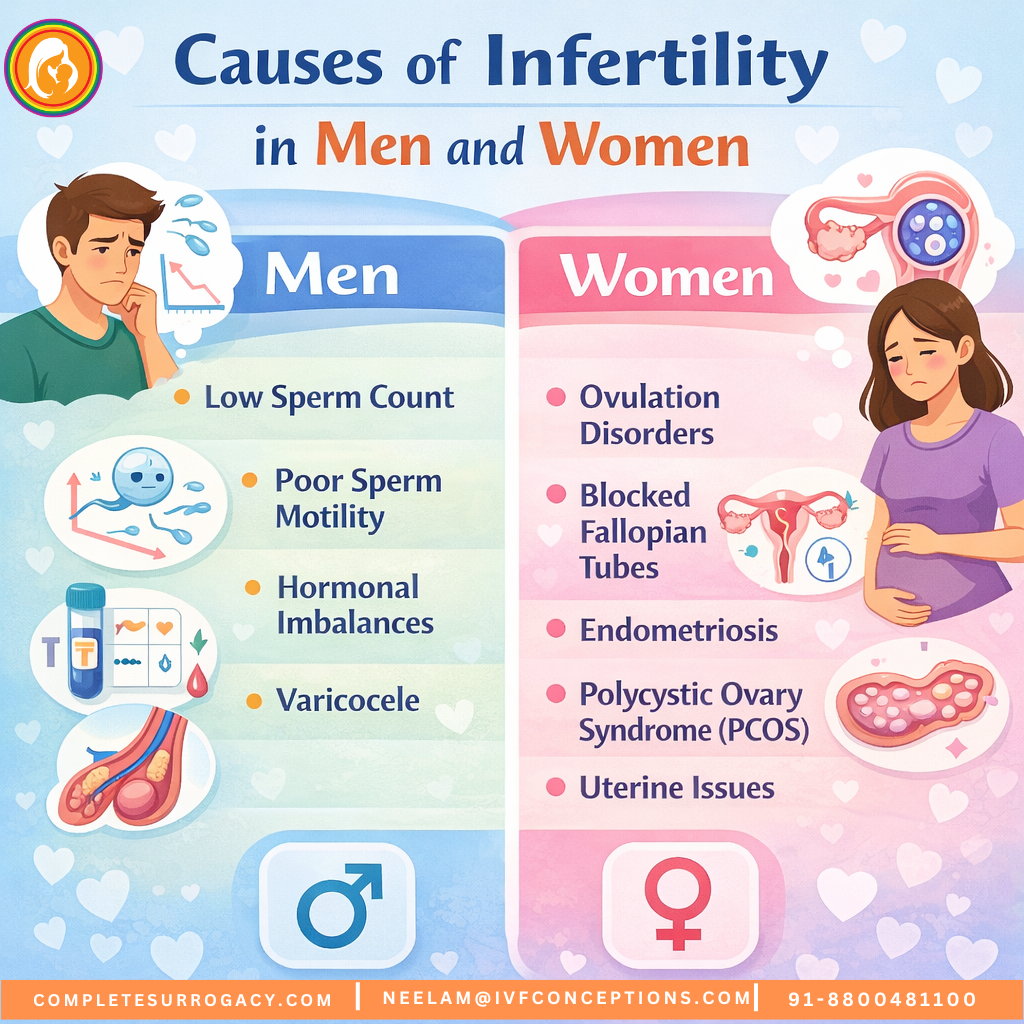
Common Causes of Infertility in Women
Understanding the various female infertility causes is essential for women seeking help with conception. Numerous factors can contribute to challenges in becoming pregnant. This section explores four primary areas: ovulation disorders, fallopian tube issues, uterine abnormalities, and hormonal imbalances. Recognizing and addressing these factors can significantly improve the chances of conception.
Ovulation Problems
Ovulation disorders represent a significant barrier to fertility for many women. Conditions such as polycystic ovary syndrome (PCOS) and premature ovarian failure can disrupt the regular release of eggs. Hormonal imbalances may lead to irregular or absent ovulation, making it difficult for women to conceive. Monitoring and treating these ovulation disorders can be a critical step in achieving pregnancy.
Fallopian Tube Issues
Fallopian tube infertility is another common concern. Blocked or damaged fallopian tubes can prevent eggs from traveling to the uterus. This issue often arises from pelvic inflammatory disease (PID), which can result from sexually transmitted infections (STIs) or previous surgical interventions. Addressing these fallopian tube issues typically requires medical intervention or, in some cases, surgical procedures.
Uterine Abnormalities
Uterine factors for infertility include a range of abnormalities that can hinder pregnancy. Conditions such as fibroids or congenital deformities may interfere with implantation or pose complications during pregnancy. Evaluation by a healthcare professional is vital for identifying and managing any uterine factors that could affect fertility.
Hormonal Imbalances
Hormonal irregularities can critically affect female fertility factors. Disorders involving the endocrine system, such as hyper- or hypothyroidism and adrenal disorders, may disrupt normal ovulation and overall reproductive health. Early diagnosis and appropriate treatment of these hormonal imbalances can enhance reproductive outcomes, helping women to conceive more readily.
Common Causes of Infertility in Men
Understanding the reasons behind male infertility is essential for seeking effective treatment. Multiple factors contribute to this issue, which can significantly impact a couple’s ability to conceive. Below are some of the key causes that can lead to male infertility complications.
Poor Sperm Quality
Poor sperm quality represents a primary factor among male infertility causes. This condition can manifest through low sperm count, reduced motility, or abnormal morphology. Various elements like lifestyle choices, environmental exposures, and certain medical conditions play a role in creating sperm quality issues. A detailed semen analysis can help identify specific concerns related to fertility.
Testicular Issues
Testicular health is critical for effective sperm production. Testicular factors of infertility often includes issues such as varicocele, which is characterized by the swelling of veins in the scrotum. Such conditions can reduce sperm quality and overall reproductive capability. Infections and undescended testicles may further escalate the risks related to male infertility.
Ejaculation Disorders
Ejaculation problems may present in forms like premature ejaculation or anejaculation, significantly affecting the ability to release semen properly. These disorders can result from psychological factors or various underlying health conditions. Addressing these issues through appropriate evaluation is vital for effective fertility assessments and treatments.
Hormonal Imbalances
Male hormonal issues, such as low testosterone levels (hypogonadism), can profoundly impact sperm production. These hormonal disorders may arise from genetic conditions or serious health concerns affecting hormone-regulating glands. Consultation with specialists can clarify the treatments to address these imbalances.

Causes of Infertility in Men and Women
Understanding the causes of infertility is key for those facing reproductive challenges. Factors like genetic influences, lifestyle choices, and environmental toxins play a role. Unexplained infertility also presents a significant challenge.
Genetic Factors in Infertility
Genetic causes of infertility are significant in both men and women. Hereditary factors, such as chromosomal abnormalities, can affect reproductive organs. Genetic counseling helps individuals understand these risks and explore reproductive options.
Lifestyle Factors Impacting Fertility
Lifestyle choices significantly impact fertility. Smoking, heavy alcohol use, and obesity can harm hormonal balance and body function. Counseling can help address these issues, potentially improving fertility outcomes.
Environmental Exposures
Environmental toxins can severely impact fertility in both genders. Pesticides and heavy metals can lower sperm and egg quality. Minimizing exposure to these toxins is essential for maintaining reproductive health.
Unexplained Infertility
Unexplained infertility accounts for about 25% of cases, where tests show no clear cause. This can be frustrating for couples trying to conceive. Working closely with healthcare professionals and exploring advanced therapies is often necessary.

Additional Resources to Read:
Surrogacy Services in Georgia Country
Surrogacy Services in Colombia
Surrogacy Services in Kazakhstan
Conclusion
The path to parenthood is often complex and multifaceted. Various factors, including medical, genetic, and lifestyle elements, impact fertility. Understanding these causes is essential for couples to make informed decisions about their fertility journey.
Open dialogue and compassionate care are also key during this challenging time. Learning about fertility and exploring treatment options empowers those facing infertility. Support systems are vital in navigating the emotional landscape of infertility, whether it’s hormonal imbalances, environmental influences, or genetic predispositions.
Enhancing awareness and understanding of infertility causes benefits both individuals and the community. By prioritizing education and empathetic care, individuals and couples can find guidance and reassurance on their fertility journey.
FAQ for Causes of Infertility in Men and Women
What are the common causes of infertility in women?
What factors contribute to male infertility?
How does age impact fertility?
What are the lifestyle factors that can affect fertility?
What is unexplained infertility?
How can genetic factors influence fertility?
What are the common risk factors for infertility?
When should I seek help for potential fertility problems?
What are the treatment options available for infertility?

Author Bio: Neelam Chhagani is an International Surrogacy Expert with 15 years of experience in the fertility and surrogacy domain. As the founder of IVF Conceptions and Complete Surrogacy, she has guided over 4,000 intended parents worldwide on their surrogacy journey to parenthood. Recognized as a trusted authority, she specializes in holistic infertility solutions and third-party reproduction consulting.
Holding an MA in Counselling Psychology and a PGD in Mental Health, Neelam is a proud member of the European Fertility Society (EFS) and the European Society of Human Reproduction and Embryology (ESHRE). She is also a leading surrogacy blogger, providing valuable insights into ethical and practical surrogacy solutions.
Since 2010, committed to supporting ALL family types, Neelam has been passionate about helping intended parents grow their families with compassion, integrity, and a focus on secure and affordable surrogacy options Globally.
Learn more about Neelam:
https://www.ivfconceptions.com/neelam-chhagani-surrogacy-consultant/
https://www.linkedin.com/in/neelam-chhagani-92892229/














I was introduced to Neelam by a friend who worked with Neelam for surrogacy. Neelam is absolutely wonderful. I am a single male and the journey to fatherhood is not that easy. Neelam connected me to a program ideal for my circumstances. She was with me throughout the pregnancy providing advice and guidance along the way. I am so grateful I found her and am thrilled today that I have a beautiful daughter. I highly recommend Neelam to anyone who is on a journey to become a parent. Having a child has changed my world for the better. I wish others success with their own journey and recommend you connect with Neelam to find a path that is best for you.
SA (USA)