

Many couples are surprised to face fertility challenges after having their first child, making what is secondary infertility an important topic to understand. Secondary infertility occurs when someone who has previously conceived struggles to get pregnant again, often due to age, health changes, or underlying reproductive issues.
In this blog, we’ll explain what secondary infertility is, explore its common causes, and highlight proven solutions to help families grow.
Key Takeaways
- Secondary infertility affects about 10% of women of childbearing age.
- Understanding secondary infertility is key to emotional and physical healing.
- Couples may experience a range of emotions, including frustration and anxiety.
- Treatment options include medications, surgical interventions, and advanced technologies.
- Recognizing and addressing secondary infertility can pave the way for successful pregnancies.
📞 Get in Touch for a Free Surrogacy Consultation
📱 +91-8800481100 (WhatsApp | LINE | Viber)
📧 neelam@ivfconceptions.com

Understanding Secondary Infertility
Secondary infertility is a complex issue for couples who have successfully conceived in the past but now face challenges. It involves various factors that hinder the ability to conceive again after having biological children. Grasping the intricacies of this condition is vital for those dealing with its emotional and medical aspects.
Definition of Secondary Infertility
The secondary infertility definition describes the inability to conceive or carry a pregnancy to term after having children. This situation can be emotionally taxing, as couples wonder why they’re facing obstacles now, having already experienced pregnancy.
Difference Between Secondary and Primary Infertility
Secondary infertility differs from primary infertility. Primary infertility is when a couple cannot conceive after a year of trying, with no prior pregnancies. Secondary infertility, on the other hand, involves a change in the ability to conceive after successful pregnancies. Recognizing these differences highlights the need for secondary infertility awareness. It helps couples find the right resources and support.
| Infertility Type | Definition | Previous Pregnancies | Emotional Impact |
|---|---|---|---|
| Primary Infertility | Inability to conceive after one year of trying | No previous pregnancies | Often leads to anxiety and stress over future chances |
| Secondary Infertility | Inability to conceive after previously having children | One or more previous pregnancies | Can cause feelings of loss and frustration despite previous success |
What is Secondary Infertility
Secondary infertility impacts couples who have successfully conceived before but now struggle to conceive again. This situation can be emotionally taxing, leading many to seek out information on symptoms and statistics related to secondary fertility issues.
Common Symptoms Experienced
Identifying secondary infertility symptoms is key for couples trying to conceive once more. Common indicators include:
- Difficulty getting pregnant after one year of trying (six months if over age 35).
- Irregular menstrual cycles in women.
- Decreased sperm production in men.
Early recognition of these symptoms is vital for seeking timely medical guidance.
Statistics on Secondary Infertility
Grasping secondary infertility statistics offers insight into its widespread nature. The Centers for Disease Control and Prevention (CDC) reports:
| Statistic | Percentage |
|---|---|
| Women facing challenges in conceiving | 10% |
| Female factors contributing to infertility | 50% |
| Male factors contributing to infertility | Significant |
These statistics underscore the commonality of secondary infertility challenges. They emphasize the need for increased awareness and open dialogue about the emotional and physical impacts of these issues.
Causes of Secondary Infertility

Understanding the causes of secondary infertility is key for those struggling to conceive after having children. Factors affecting fertility differ between women and men, impacting it in unique ways. Addressing these issues effectively can lead to better management strategies.
Factors Affecting Women
Several factors contribute to secondary infertility in women. Age significantly impacts fertility, as egg quality naturally declines over time. Structural problems, such as blocked fallopian tubes, and conditions like polycystic ovary syndrome (PCOS), severely hinder fertility. Lifestyle choices, including weight gain and smoking, can worsen these issues, leading to secondary infertility complications.
Factors Affecting Men
Men can also face secondary infertility due to various reasons. Hormonal imbalances, such as reduced testosterone levels, affect sperm production. Conditions like testicular varicocele pose significant risks. Lifestyle choices, such as excessive alcohol use or smoking, contribute to these issues and can lead to complications in achieving pregnancy. Increased awareness of these secondary infertility factors can help in forming effective solutions.
Diagnosis of Secondary Infertility

Diagnosing secondary infertility involves a detailed process for both partners. The goal is to uncover any fertility issues. A variety of tests are used, tailored to each person’s health. Support and understanding can ease the stress of this journey.
Tests for Women
Women undergo several assessments, including:
- Blood tests to evaluate hormone levels.
- Pelvic exams to check reproductive health.
- Ultrasounds to monitor follicle development and ovulation.
Tests for Men
Men face different evaluations to assess their fertility. Common tests include:
- Semen analysis to measure sperm count, motility, and morphology.
- Hormonal assessments, if required.
What to Expect During Diagnosis
Couples can expect ongoing communication and support during diagnosis. Healthcare professionals discuss lifestyle factors like diet and stress. Understanding these factors helps in creating effective treatment plans.
| Test Type | Purpose | Gender |
|---|---|---|
| Blood Tests | Check hormone levels | Women |
| Pelvic Exam | Assess reproductive health | Women |
| Ultrasound | Monitor ovulation | Women |
| Semen Analysis | Measure sperm quality | Men |
| Hormonal Assessment | Evaluate hormonal function | Men |
Treatment Options for Secondary Infertility
Addressing secondary infertility demands a personalized strategy, tailored to each couple’s unique situation. Exploring the array of secondary infertility treatment options is essential for effective navigation. These options span from medications and surgical procedures to advanced reproductive technologies.
Medications Available
Medications are critical in treating secondary infertility, often due to hormonal imbalances that prevent ovulation. Commonly prescribed drugs include:
- Clomiphene citrate: Stimulates ovulation.
- Letrozole: Used for similar purposes, often in women with polycystic ovary syndrome.
- Gonadotropins: Injectable hormones to stimulate ovarian response.
These medications are fundamental in many secondary infertility solutions. They can lead to successful outcomes when used under medical guidance.
Surgical Interventions
Surgery is sometimes necessary for structural issues that hinder fertility. Problems like uterine fibroids, endometriosis, or blocked fallopian tubes often require surgical intervention. Popular surgical options include:
- Laparoscopy: A minimally invasive surgery to treat endometriosis and remove adhesions.
- Hysteroscopy: Corrects intrauterine abnormalities.
- Myomectomy: Surgical removal of fibroids.
These procedures help clear obstructions and improve reproductive chances.
Advanced Reproductive Technologies
For those facing ongoing challenges, advanced reproductive technologies offer alternative solutions. Techniques include:
- Intrauterine insemination (IUI): A less invasive procedure that places sperm directly into the uterus.
- In vitro fertilization (IVF): Involves fertilizing an egg in a lab and implanting it back into the uterus.
- Intracytoplasmic sperm injection (ICSI): A specialized form of IVF used in cases of male-factor infertility.
Seeking advice from healthcare providers is key to choosing the best options. This ensures a personalized plan to overcome secondary infertility challenges.
Additional Resources to Read:
9 Factors To Improve IVF Pregnancy Rate
IVF With Egg Donor Success Rates
How To Choose Between IVF and IUI
What is Mitochondrial Donation IVF Treatment
Conclusion
Dealing with secondary infertility is a deeply emotional challenge for couples who have already experienced the joy of having a child. It’s essential to understand the complexities of this condition to start managing it effectively. There are various treatment options available, and seeking help from qualified healthcare professionals is key. They can offer personalized support and guidance.
Medical treatments are not the only solution. Support from counselors and community groups is also vital. It provides emotional guidance and helps in coping with the condition. This support network is essential for building resilience and hope. The path ahead may be tough, but with the right support, families can overcome their challenges.
Raising awareness about secondary infertility is important for creating a more compassionate society. By empowering individuals with knowledge, we help them find the resources they need. This enables them to face their journey with confidence and hope for a better future.
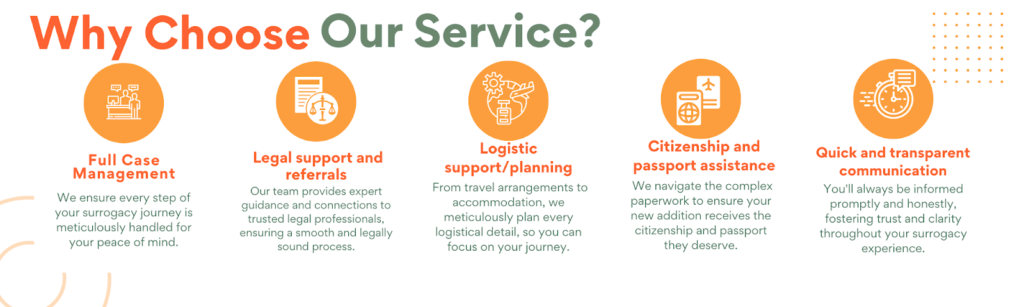
💫 Why Intended Parents Choose Complete Surrogacy for a Safe, Smooth & Successful Surrogacy Journey:
🌍 Access to multiple surrogacy destinations with 15+ years of international experience
🏥 Partnerships with top-tier fertility clinics and agencies, backed by references from past clients
👩🦱 Diverse egg donor options: Asian, Caucasian, African, Oriental, and more
💸 Transparent and affordable pricing—direct payments with no extra agency fees
🔒 No hidden costs—all charges are agreed upon upfront
🤝 Dedicated case manager for personalized support
📲 Fast, honest, and clear communication throughout
📑 Full legal support for visas, documentation, and baby exit processes
🚚 Assistance with frozen sperm/embryo shipment logistics
FAQ-What is Secondary Infertility
What is secondary infertility?
Secondary infertility occurs when a couple cannot conceive or carry a pregnancy to term after having children. It’s a surprise for those who’ve successfully had kids before. This condition can be both unexpected and frustrating.
What are the common symptoms of secondary infertility?
Symptoms include trouble conceiving after a year (six months if over 35), irregular menstrual cycles in women, and decreased sperm production in men.
What are the primary causes of secondary infertility?
Causes include age-related egg quality decline, structural issues like blocked fallopian tubes in women, hormonal imbalances and lifestyle factors in men. Various health conditions also play a role.
How is secondary infertility diagnosed?
Diagnosis involves tests for both partners. Women undergo hormone tests, pelvic exams, ultrasounds, and semen analysis for men.
What treatment options are available for secondary infertility?
Treatments include medications to stimulate ovulation, surgical fixes for structural issues, and advanced technologies like IUI or IVF.
How does secondary infertility affect emotional well-being?
It can lead to feelings of frustration, anxiety, and inadequacy. Acknowledging these emotions is key to healing.
Are there specific risk factors associated with secondary infertility?
Yes, risks include advanced maternal age, previous pregnancy complications, health conditions, and lifestyle choices like smoking or obesity.
What role does counseling play in managing secondary infertility?
Counseling offers emotional support and coping strategies. It helps couples understand their situation better and navigate challenges.
How common is secondary infertility?
About 10% of women of childbearing age face secondary infertility. Men experience similar rates.
How can couples seek support for secondary infertility?
Support groups, counseling, and healthcare resources can help. They provide emotional and physical support during this challenging time.

Author Bio: Neelam Chhagani is an International Surrogacy Expert with 15 years of experience in the fertility and surrogacy domain. As the founder of IVF Conceptions and Complete Surrogacy, she has guided over 4,000 intended parents worldwide on their surrogacy journey to parenthood. Recognized as a trusted authority, she specializes in holistic infertility solutions and third-party reproduction consulting.
Holding an MA in Counselling Psychology and a PGD in Mental Health, Neelam is a proud member of the European Fertility Society (EFS) and the European Society of Human Reproduction and Embryology (ESHRE). She is also a leading surrogacy blogger, providing valuable insights into ethical and practical surrogacy solutions.
Since 2010, committed to supporting ALL family types, Neelam has been passionate about helping intended parents grow their families with compassion, integrity, and a focus on secure and affordable surrogacy options Globally.
Learn more about Neelam:
https://www.ivfconceptions.com/neelam-chhagani-surrogacy-consultant/
https://www.linkedin.com/in/neelam-chhagani-92892229/















I was introduced to Neelam by a friend who worked with Neelam for surrogacy. Neelam is absolutely wonderful. I am a single male and the journey to fatherhood is not that easy. Neelam connected me to a program ideal for my circumstances. She was with me throughout the pregnancy providing advice and guidance along the way. I am so grateful I found her and am thrilled today that I have a beautiful daughter. I highly recommend Neelam to anyone who is on a journey to become a parent. Having a child has changed my world for the better. I wish others success with their own journey and recommend you connect with Neelam to find a path that is best for you.
SA (USA)