
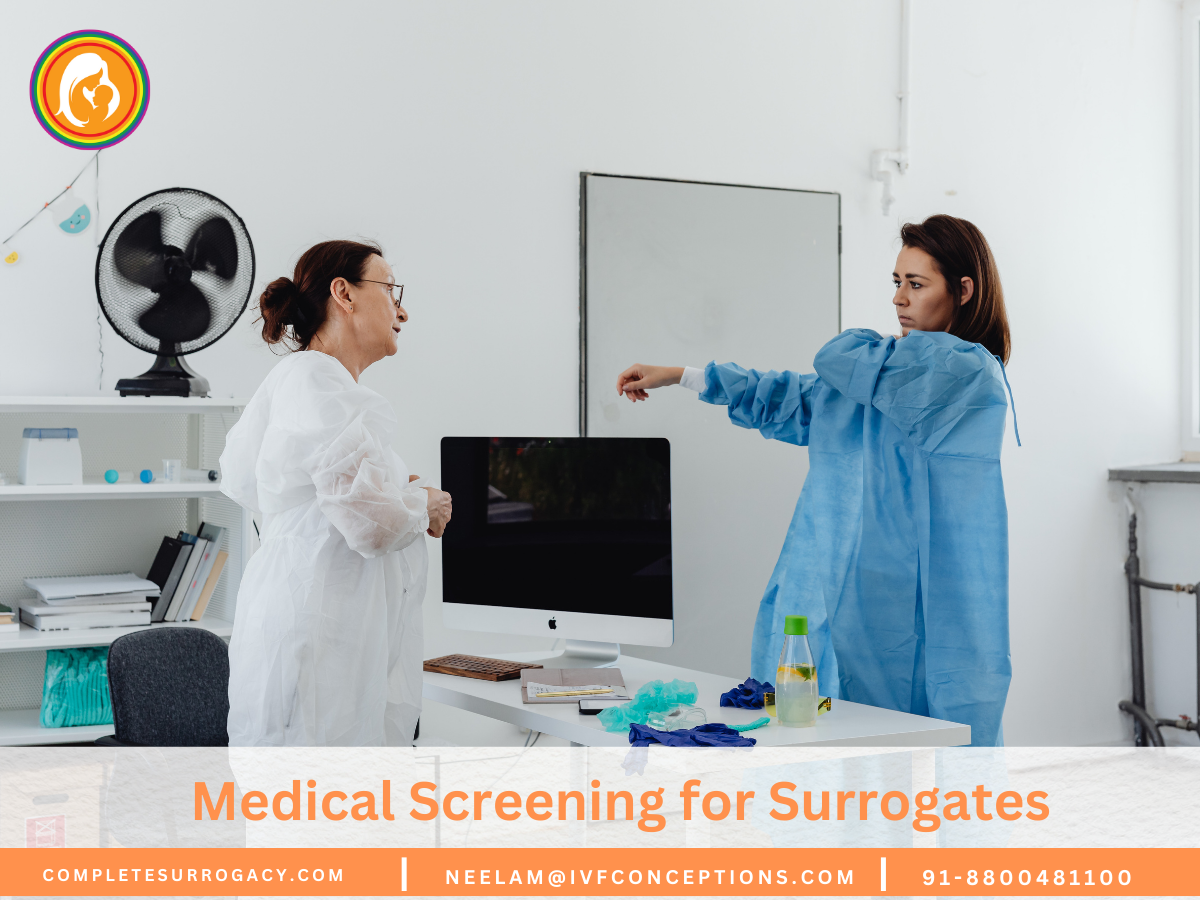
A thorough surrogate medical evaluation is a critical step to ensure a safe and successful surrogacy journey for everyone involved. This assessment typically includes a complete physical exam, reproductive history review, blood tests, infectious disease screening, uterine evaluation, and confirmation of prior healthy pregnancies. Mental health screening and lifestyle checks are also part of the process to confirm the surrogate’s readiness and ability to carry a pregnancy safely.
By completing a comprehensive surrogate medical evaluation before matching, intended parents can reduce medical risks, improve implantation success, and contribute to a healthier outcome for both the surrogate and the baby.
Key Takeaways
- Medical screening for surrogates significantly impacts health outcomes.
- Surrogates undergo various evaluations to ensure readiness for pregnancy.
- Protecting the health of the surrogate safeguards the unborn child.
- Intended parents gain peace of mind through thorough vetting processes.
- Comprehensive medical tests are crucial to the surrogacy journey.
📞 Get in Touch for a Free Surrogacy Consultation
📱 +91-8800481100 (WhatsApp | LINE | Viber)
📧 neelam@ivfconceptions.com

Importance of Medical Screening in Surrogacy
Medical screening is key in surrogacy, making sure everyone is safe and supported. It checks the surrogate’s health and helps ensure the success of the surrogacy.
Protecting the Health of the Surrogate
A thorough health check is crucial for the surrogate. It finds any health problems early. This way, the surrogate can carry a pregnancy safely.
This early detection helps avoid complications. It makes the surrogate’s journey healthier and safer.
Ensuring the Well-being of Intended Parents
Intended parents’ well-being is also a focus. A detailed health check helps the surrogacy succeed. When the surrogate’s health is good, parents feel more confident.
This confidence builds trust and happiness as they look forward to being parents.
Types of Medical Screening for Surrogates
The medical screening for surrogates checks both physical and reproductive health. These tests are key to a safe surrogacy journey. Here are the main types of medical screenings done.
Initial Medical Screening Procedures
Initial screenings lay the groundwork for further checks. A surrogate’s health check begins with overall health assessments. These may include:
- Blood pressure monitoring
- Body mass index (BMI) assessment
- General physical fitness evaluations
These tests give vital insights into the surrogate’s health before more detailed tests.
Comprehensive Blood Tests
Comprehensive blood tests are crucial in reproductive surrogate screening. They check for infectious diseases and other health markers. Common tests include:
- HIV and hepatitis screenings
- Drug use analysis
- Blood type and Rh factor identification
These tests ensure the safety of the surrogate and the intended parents.
Fertility Evaluations and Assessments
Fertility evaluations focus on the reproductive health of surrogates. These assessments may include:
- Hormone level testing
- Ultrasound examinations to evaluate reproductive organs
These detailed evaluations aim to optimize the surrogate’s reproductive systems. They help in avoiding pregnancy complications.
Medical Screening for Surrogates
The medical screening for surrogates is a detailed process. It ensures everyone’s health and safety. It starts with a thorough check-up and a review of the surrogate’s medical history.
This step helps understand the surrogate’s health and past pregnancies. It helps the healthcare team see if she’s ready for surrogacy. It also helps make informed decisions for the surrogate and the intended parents.
Overview of the Screening Process
Healthcare professionals focus on two main things during the screening. They do a physical exam and review the surrogate’s medical history. The exam is done by a fertility expert.
This exam checks the surrogate’s current health. It looks for any issues that might affect her pregnancy.
Initial Medical History Review
The medical history review is very important. It looks at the surrogate’s past pregnancies, any problems she’s had, her current medications, and her overall health. This helps make sure she’s ready for the surrogacy journey.
Comprehensive Medical Tests for Surrogates
Medical tests are key to a safe and successful surrogacy journey. They help find health risks and check if the surrogate meets health standards. Knowing these tests well helps get medical clearance for surrogacy.
Genetic Screening: PGS and Harmony Tests
Genetic screening checks embryos for chromosomal issues. Preimplantation Genetic Screening (PGS) and Harmony Tests are vital. PGS spots embryos with the right number of chromosomes, lowering genetic disorder risks.
Harmony Tests look at genetic info from the mom and fetus without harm. They check embryo health and surrogacy success, meeting key health needs.
Ultrasound Examinations
Ultrasound exams follow initial screenings to check the uterus’s health. They make sure the uterus can support a pregnancy well. Ultrasound checks help track growth and development, giving everyone peace of mind.

Psychological Evaluation in the Screening Process
The psychological evaluation is a key part of the surrogate health check. It looks at the mental health of potential surrogates. This is to make sure they are emotionally stable for the surrogacy journey. It’s important for a good partnership between the surrogate and the intended parents.
Importance of Mental Health in Surrogacy
Mental health is very important in surrogacy. A good surrogate can handle the emotional challenges better. They need to be emotionally strong and resilient.
Surrogates who have had thorough psychological checks often do well. They need emotional support and intelligence during the process.
Psychological Screening Methods
Licensed Mental Health Professionals (LMHPs) use different methods for screening:
- Interviews: Deep talks help understand motivations and expectations.
- Standardized Assessments: Tests and questionnaires check mental health and identify concerns.
- Follow-up Evaluations: Ongoing support helps with emotional needs.
This approach in the health check ensures mental health issues are found and managed. It creates a supportive environment for everyone.
Preparing for the Surrogate Medical Examination
Getting ready for a surrogate medical exam is key to a successful health screening. A good prep can really make a difference in the screening process. Focus on diet, lifestyle, and medical records.
Diet and Lifestyle Recommendations
Eating right and living healthy are crucial for the exam. Here are some tips:
- Balanced Nutrition: Eat lots of fruits, veggies, whole grains, and lean meats for health.
- Avoid Harmful Substances: Don’t drink alcohol, smoke, or use drugs as they can harm your health.
- Regular Exercise: Do some exercise to keep your weight and fitness in check.
- Stay Hydrated: Drink plenty of water to help your body work well.
- Weight Management: If your BMI is close to 30, losing weight might be suggested for better health.
Gathering Medical Records
It’s important to gather all your medical records for the screening. The team will need:
- Personal Health History: Share any health issues, surgeries, or treatments you’ve had.
- Family Health History: Tell about any family health problems that could affect pregnancy.
- Previous Pregnancy Records: Bring details from any past pregnancies, including any issues.
- Current Medications: List all medicines and supplements you’re taking now.

Common Reasons for Disqualification in Surrogate Medical Screening
Knowing why some people get disqualified in the surrogate health check can help. It’s about health, lifestyle, and being emotionally stable. These things decide if someone is right for surrogacy.
Health and Pregnancy History
Health and past pregnancies are big factors. Issues like:
- Pre-eclampsia
- Multiple miscarriages
- Serious medical conditions
can make it hard to carry a baby to term. This might mean someone gets disqualified.
Lifestyle Choices and Substance Use
How you live affects your health as a surrogate. Smoking, drugs, and too much alcohol are bad during pregnancy. They can harm the baby and get someone kicked out of the surrogacy program.
Emotional and Psychological Stability
Being emotionally and mentally strong is key. Surrogacy needs a supportive and stable mind. If someone shows they’re not stable, they might not pass the health check.
Additional Resources to Read:
Surrogate Screening- 5 Important Factors To Consider
How are Surrogate Mothers Screened?
How Intended Parents Can Support Their Surrogate?
What are Surrogate Mother Requirements
Conclusion
Medical screening for surrogates is key to a safe and successful surrogacy journey. Surrogate health assessments, like physical exams and psychological tests, are crucial. They ensure the well-being of the surrogate, intended parents, and the unborn child.
These steps are designed to meet the highest health and safety standards. They help all parties feel confident and prepared for this journey. Knowing the importance of these medical assessments helps everyone make informed decisions.
Whether you’re thinking about becoming a surrogate or looking into surrogacy, understanding medical screening is vital. These health checks pave the way for a smooth surrogacy experience. They protect the health and dreams of everyone involved.
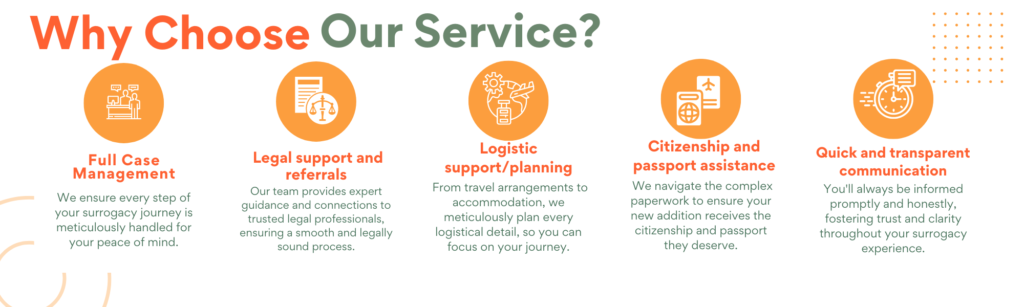
💫 Why Intended Parents Choose Complete Surrogacy for a Safe, Smooth & Successful Surrogacy Journey:
🌍 Access to multiple surrogacy destinations with 15+ years of international experience
🏥 Partnerships with top-tier fertility clinics and agencies, backed by references from past clients
👩🦱 Diverse egg donor options: Asian, Caucasian, African, Oriental, and more
💸 Transparent and affordable pricing—direct payments with no extra agency fees
🔒 No hidden costs—all charges are agreed upon upfront
🤝 Dedicated case manager for personalized support
📲 Fast, honest, and clear communication throughout
📑 Full legal support for visas, documentation, and baby exit processes
🚚 Assistance with frozen sperm/embryo shipment logistics
FAQ: surrogate medical evaluation
What is the purpose of medical screening for surrogates?
Medical screening for surrogates is to keep everyone safe. It checks if the surrogate is healthy enough for pregnancy. This includes her physical, emotional, and mental health.
What does the surrogate medical evaluation involve?
The evaluation includes health checks and blood tests. It also looks at fertility and mental health. The surrogate’s medical history is reviewed too.
Why is psychological evaluation important in the surrogate screening process?
Psychological evaluation is key. It checks the surrogate’s mental health and emotional stability. This makes sure she’s ready for the surrogacy journey.
What types of medical tests are performed during surrogate health screening?
Tests include genetic screenings and blood tests for diseases. Hormone levels and ultrasound exams are also done. These check the reproductive system.
What should a surrogate do to prepare for the medical examination?
To prepare, eat well and avoid harmful substances. Also, gather all medical records for review.
What factors can lead to disqualification from the surrogacy process?
Health issues or a history of pregnancy complications can lead to disqualification. Lifestyle choices like substance use are also considered. Emotional stability is crucial for a good surrogacy experience.
How does medical screening impact the well-being of intended parents?
Medical screening ensures the surrogate’s health and checks for factors affecting the intended parents. It helps ensure a successful surrogacy for everyone involved.
What is included in the surrogate health screening protocol?
The protocol includes medical history reviews and physical exams. Blood tests, fertility assessments, and psychological evaluations are also part of it. These tests check if the surrogate can carry a pregnancy safely.

Author Bio: Neelam Chhagani is an International Surrogacy Expert with 15 years of experience in the fertility and surrogacy domain. As the founder of IVF Conceptions and Complete Surrogacy, she has guided over 4,000 intended parents worldwide on their surrogacy journey to parenthood. Recognized as a trusted authority, she specializes in holistic infertility solutions and third-party reproduction consulting.
Holding an MA in Counselling Psychology and a PGD in Mental Health, Neelam is a proud member of the European Fertility Society (EFS) and the European Society of Human Reproduction and Embryology (ESHRE). She is also a leading surrogacy blogger, providing valuable insights into ethical and practical surrogacy solutions.
Since 2010, committed to supporting ALL family types, Neelam has been passionate about helping intended parents grow their families with compassion, integrity, and a focus on secure and affordable surrogacy options Globally.
Learn more about Neelam:
https://www.ivfconceptions.com/neelam-chhagani-surrogacy-consultant/
https://www.linkedin.com/in/neelam-chhagani-92892229/















I was introduced to Neelam by a friend who worked with Neelam for surrogacy. Neelam is absolutely wonderful. I am a single male and the journey to fatherhood is not that easy. Neelam connected me to a program ideal for my circumstances. She was with me throughout the pregnancy providing advice and guidance along the way. I am so grateful I found her and am thrilled today that I have a beautiful daughter. I highly recommend Neelam to anyone who is on a journey to become a parent. Having a child has changed my world for the better. I wish others success with their own journey and recommend you connect with Neelam to find a path that is best for you.
SA (USA)