
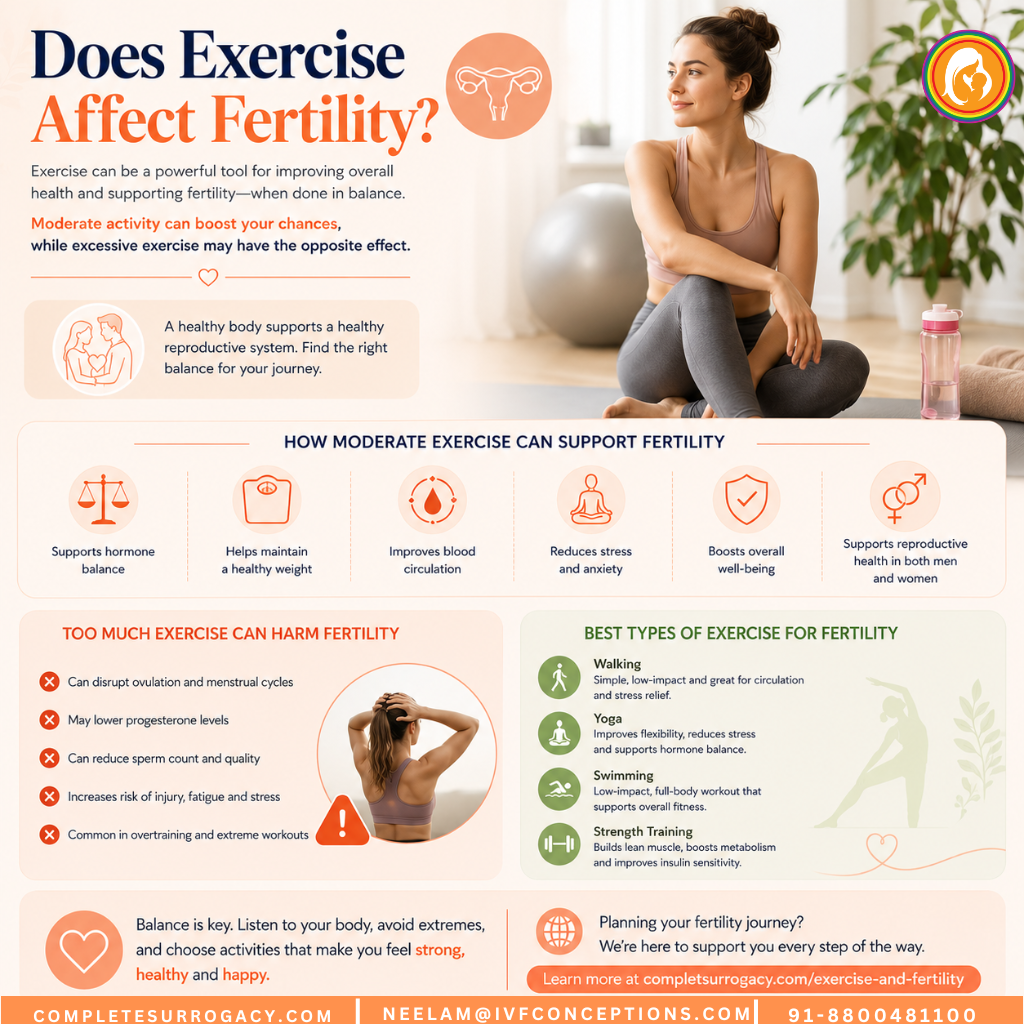
Does Exercise Affect Fertility? Yes, exercise can affect fertility in both positive and negative ways, depending on the intensity, duration, and overall health of the individual. Moderate physical activity helps improve hormone balance, blood circulation, weight management, and stress reduction, all of which can support reproductive health. However, excessive or intense exercise may disrupt ovulation in women and lower sperm quality in men. Understanding whether exercise affects fertility is important for couples trying to conceive naturally or through fertility treatments like IVF.
| Exercise Type | Effect on Fertility | Benefits | Possible Risks |
|---|---|---|---|
| Moderate Exercise | Positive | Improves hormone balance and weight control | Very low risk |
| Walking & Yoga | Highly Beneficial | Reduces stress and improves blood flow | None |
| Strength Training | Helpful in moderation | Supports overall fitness | Overtraining may affect hormones |
| Intense Cardio | Can be Negative | Improves stamina | May disrupt ovulation |
| Excessive Gym Workouts | Negative if overdone | Fitness improvement | Hormonal imbalance and reduced fertility |
| Exercise During IVF | Light exercise recommended | Reduces stress and supports health | Heavy workouts should be avoided |
This guide explores the science behind physical activity and conception. You will discover which exercises help fertility and which might hinder your journey. Whether you are just starting to plan for pregnancy or have been trying to conceive for some time, this information will help you make informed decisions about your fitness routine.
Questions about exercise and your fertility journey? Speak with our experts today
Understanding How Exercise and Fertility Work Together
Your body requires a delicate hormonal balance to support reproduction. Physical activity influences several key hormones that regulate fertility. When you exercise moderately, your body releases endorphins that reduce stress. Lower stress levels help maintain regular ovulation cycles in women.
Exercise also affects body weight and body mass index. These factors directly impact fertility treatments and natural conception success rates. Maintaining a healthy body mass helps optimize reproductive hormone production. Research published in sports medicine journals shows that women with balanced activity levels have better fertility outcomes.
The intensity of your workout matters significantly. Moderate exercise improves blood flow to reproductive organs. This enhanced circulation delivers oxygen and nutrients essential for egg and sperm quality. However, intense exercise performed too frequently can disrupt this balance.
For men, regular moderate activity improves sperm quality and count. Physical activity reduces oxidative stress that damages sperm cells. Studies in reproductive health show that men who exercise three to four days a week have better sperm parameters than sedentary individuals.
Women trying to conceive should pay attention to exercise intensity. High-intensity workouts exceeding five days a week may delay pregnancy. This happens because excessive exercise can interfere with ovulation patterns. Your body perceives intense training as physical stress.
Finding Your Optimal Exercise Level for Fertility
The right amount of physical activity varies for each person. Most fertility experts recommend 150 minutes of moderate exercise per week. This breaks down to about 30 minutes of activity five days a week. This level provides health benefits without overtaxing your reproductive system.
Best Exercise Frequency
- Aim for 3-5 sessions per week
- Each session lasts 30-45 minutes
- Include rest days between intense workouts
- Listen to your body and adjust accordingly
- Maintain consistency rather than intensity
Warning Signs of Overtraining
- Irregular or missing periods for women
- Persistent fatigue and low energy
- Difficulty recovering between workouts
- Changes in mood and mental health
- Decreased interest in physical activity
Body mass index plays a crucial role in determining appropriate exercise levels. Women with higher body weight may benefit from more frequent activity. Those with lower body mass should focus on gentle, consistent movement. The goal is to achieve a healthy weight range for conception.
Monitoring exercise intensity helps protect fertility. You should be able to hold a conversation during moderate activity. If you cannot speak comfortably, you may be working too hard. This simple test helps ensure you stay in the fertility-friendly zone.
Concerned About How Exercise Affects Your Fertility?
Our fertility specialists can create a personalized exercise plan tailored to your reproductive health goals. Get expert guidance on balancing physical activity with optimal fertility.
Fertility-Boosting Exercise Activities
Certain types of physical activity particularly support reproductive health. These exercises improve circulation, reduce stress, and maintain a healthy body weight. They also help regulate hormones essential for conception. Choosing the right activities makes a significant difference in your fertility journey.
Walking and Light Jogging
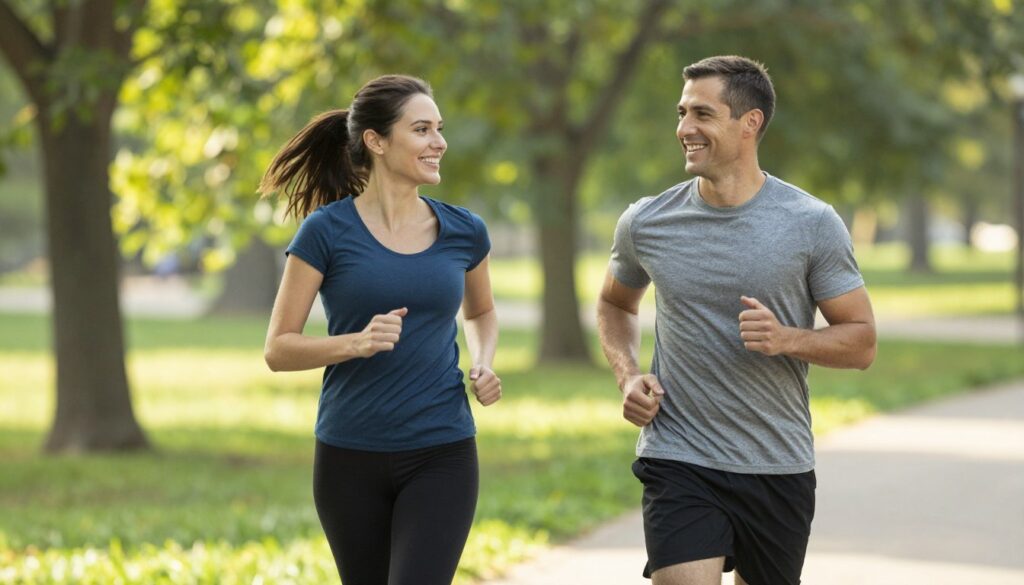
Walking ranks among the best exercises for people trying to get pregnant. This low-impact activity provides cardiovascular benefits without stressing your reproductive system. A brisk 30-minute walk most days of the week supports fertility while reducing stress levels.
Light jogging works well for those already accustomed to running. Keep your pace comfortable and avoid pushing for speed. The goal is to maintain fitness rather than improve performance. Women trying to conceive should limit jogging to three or four days a week.
Swimming and Water Activities
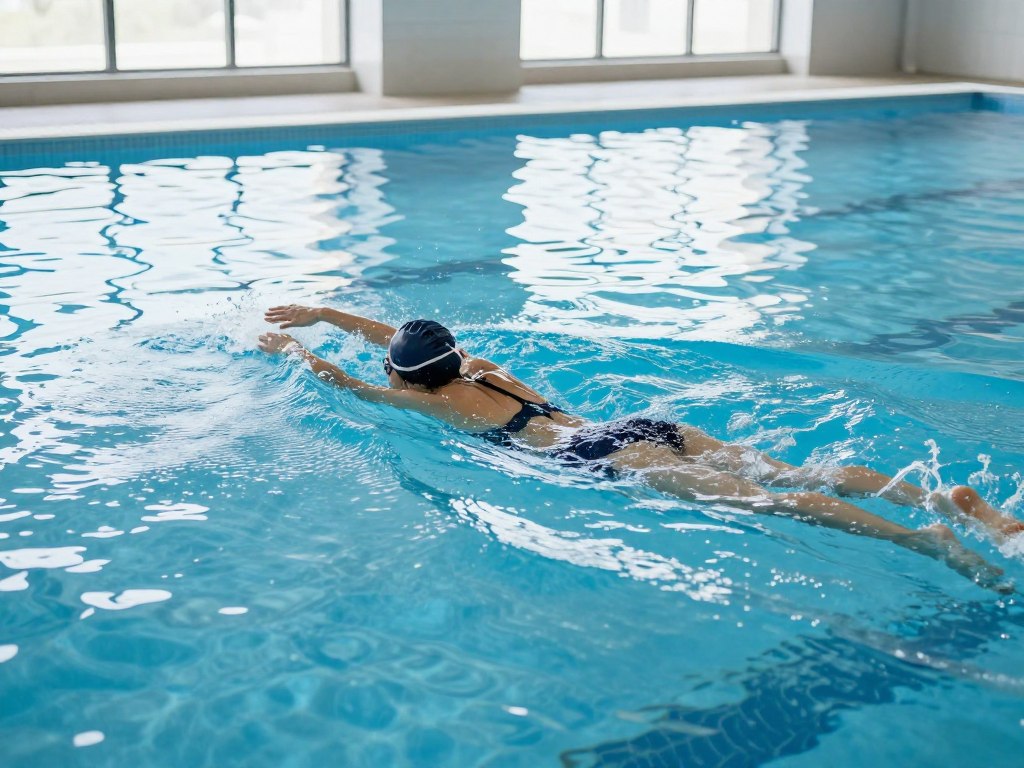
Swimming offers excellent exercise without joint stress. The water supports your body weight while providing resistance for muscle toning. This makes swimming ideal for people of any fitness level. Aim for 20 to 30 minutes of swimming two to three times weekly.
Water aerobics classes provide social support and structured routines. These group activities combine moderate exercise with community connection. Both factors contribute positively to mental health and fertility outcomes.
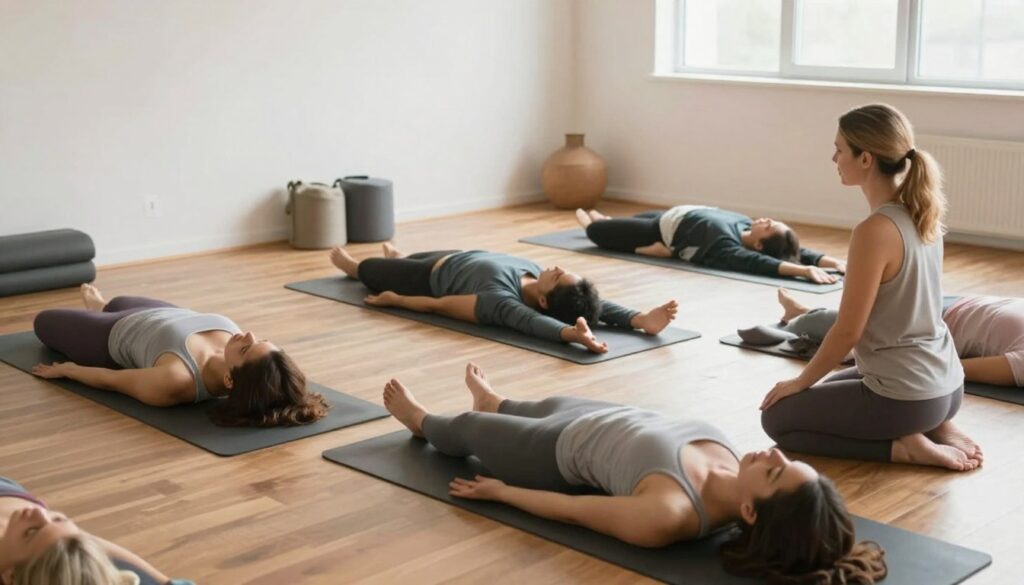
Yoga and Stretching
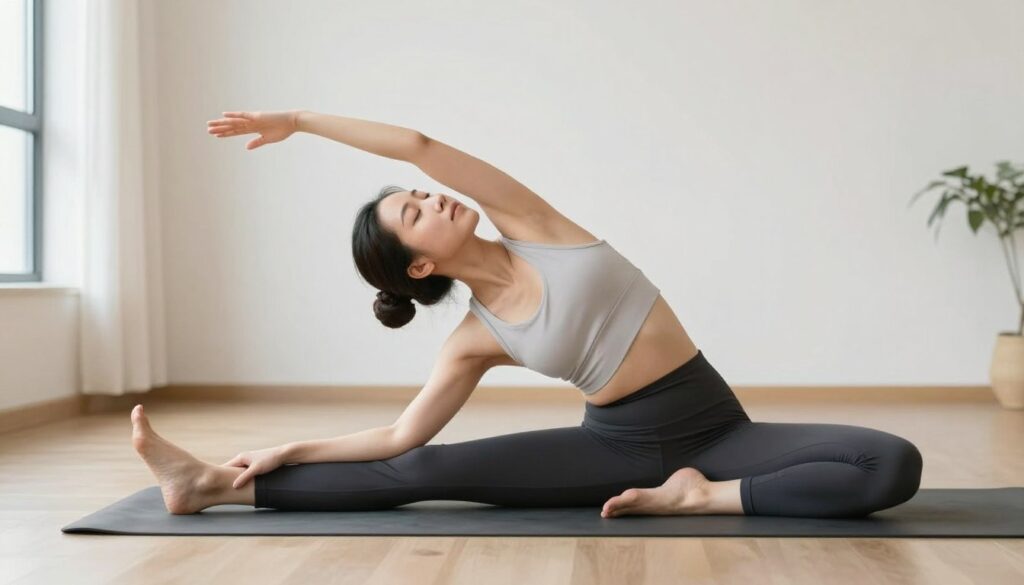
Yoga combines physical movement with stress reduction. Specific poses improve blood flow to reproductive organs. Regular yoga practice helps regulate hormones and supports ovulation. Fertility yoga classes focus on poses that enhance reproductive health.
Gentle stretching maintains flexibility without overtaxing your body. A 15-minute stretching routine each day keeps muscles relaxed. This practice also provides mindfulness benefits that support mental health during your conception journey.
Strength Training with Modifications
Moderate strength training builds muscle and supports metabolism. Using lighter weights with more repetitions works best for fertility. Focus on major muscle groups two days per week. Avoid exercises that strain your core or pelvic floor excessively.
Bodyweight exercises provide effective strength training without equipment. Squats, modified planks, and gentle lunges maintain muscle tone. These activities support healthy body weight management essential for conception.
| Exercise Type | Weekly Frequency | Duration Per Session | Fertility Benefits |
| Walking | 5-7 days | 30-45 minutes | Improves circulation, reduces stress, maintains healthy weight |
| Swimming | 2-3 days | 20-30 minutes | Low-impact cardio, joint-friendly, full-body workout |
| Yoga | 3-5 days | 30-60 minutes | Stress reduction, hormone balance, pelvic blood flow |
| Strength Training | 2 days | 20-30 minutes | Muscle maintenance, metabolism support, bone health |
| Cycling (Leisure) | 2-3 days | 30-40 minutes | Cardiovascular health, low joint impact, outdoor activity |
Exercise Activities That May Harm Fertility
While physical activity generally supports health, certain exercise types can interfere with conception. Understanding which activities to avoid or modify helps protect your reproductive system. This knowledge becomes particularly important when you are actively trying to get pregnant.
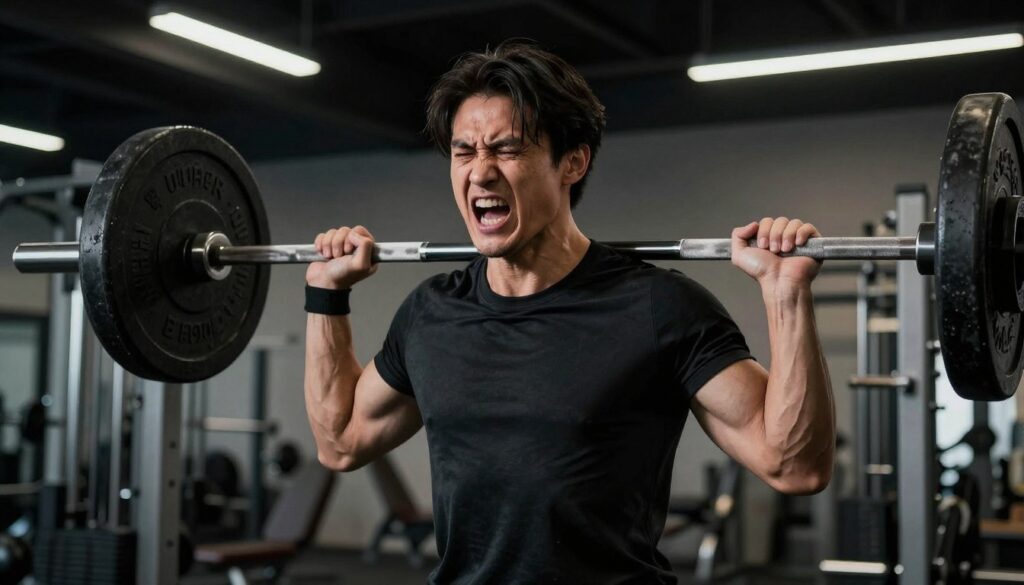
High-Intensity Interval Training Concerns
Intense exercise programs can disrupt hormonal balance. High-intensity interval training places significant stress on your body. This type of activity may interfere with ovulation patterns in women. If you enjoy HIIT workouts, limit them to once or twice per week.
The problem with excessive exercise lies in how your body responds to intense physical stress. Your system may prioritize survival over reproduction. This can lead to irregular cycles and reduced fertility. Women athletes often experience this effect.
Endurance Training Modifications
Marathon training and extended cardio sessions require careful consideration. Running more than five hours per week may delay conception. The combination of high mileage and low body weight particularly affects fertility. Men who cycle extensively may experience reduced sperm quality.
If you are training for an event while trying to conceive, discuss your plans with a fertility specialist. You may need to adjust your training intensity or timeline. Many competitive athletes successfully conceive by moderating their routine during fertility treatment.
Safe Exercise Modifications
- Reduce workout intensity by 20-30%
- Shorten session duration to 45 minutes
- Add more rest days between workouts
- Focus on enjoyment over performance
- Monitor menstrual cycle regularity
- Stay well-hydrated and nourished
Activities Requiring Caution
- Marathon and ultramarathon training
- Daily high-intensity interval training
- Competitive sports with intense schedules
- Extreme heat yoga (Bikram)
- Very low-calorie diet with intense exercise
- Excessive cycling (over 5 hours weekly)
Heat Exposure and Male Fertility
Men should be aware that certain activities affect sperm production. Hot yoga practiced frequently may raise testicular temperature. This elevated heat can temporarily reduce sperm count and quality. The same concern applies to long cycling sessions.
Saunas and steam rooms after workouts also create heat exposure. Men trying to conceive should limit time in these facilities. Sperm production requires temperatures slightly below normal body temperature. Protecting this environment supports better fertility outcomes.
Exercise, Body Weight, and Reproductive Health
Your body mass index directly influences fertility in both women and men. Research consistently shows that maintaining a healthy weight improves conception chances. Physical activity plays a crucial role in achieving and sustaining optimal body weight for reproduction.
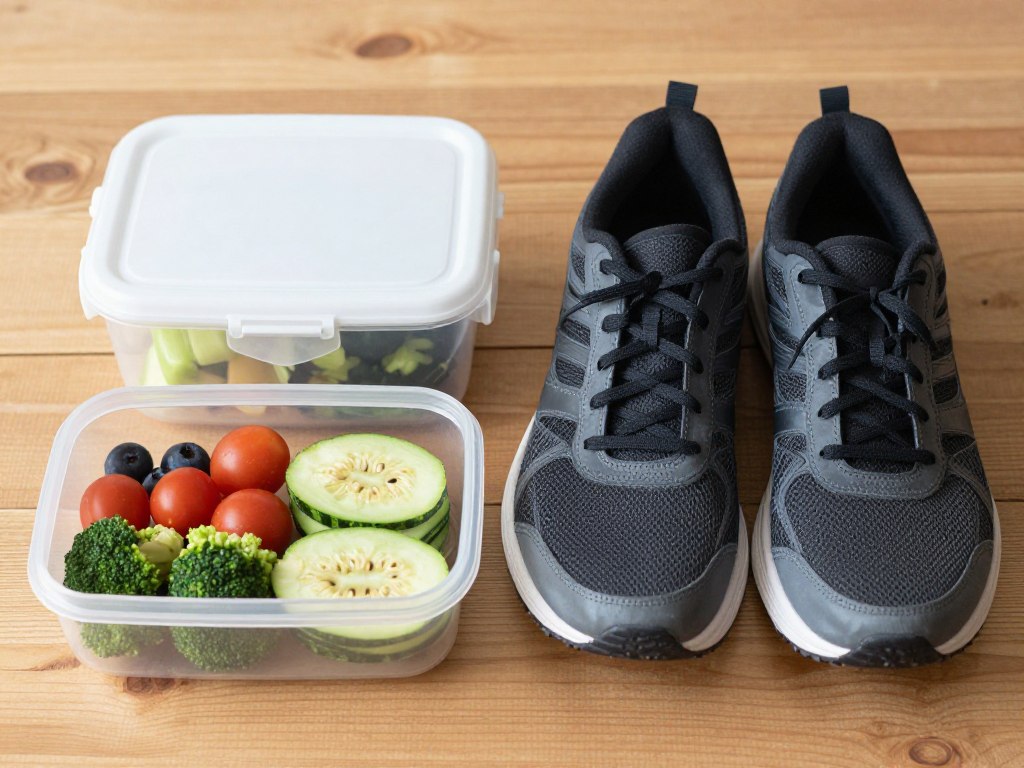
Women with a body mass index above 30 may experience irregular ovulation. Exercise helps reduce body weight gradually while preserving muscle mass. This approach supports hormonal balance better than diet alone. A combination of moderate activity and nutritious eating works best.
Underweight individuals face different fertility challenges. Women with very low body mass may stop ovulating entirely. This condition, called hypothalamic amenorrhea, results from insufficient energy stores. If you are underweight, focus on gentle activity while increasing caloric intake.
Creating a Balanced Approach
The goal is to find an equilibrium between activity and energy intake. Your exercise routine should support health without depleting your body’s resources. Women trying to conceive need adequate energy for both daily activities and reproductive function.
Track your menstrual cycle as an indicator of balance. Regular cycles suggest your body has sufficient energy for reproduction. Irregular or absent periods signal that you may need to reduce exercise intensity or increase nutrition.

Men should also maintain a healthy body weight for optimal sperm production. Obesity affects testosterone levels and sperm quality. Regular moderate exercise helps men achieve body weight that supports better fertility. Studies show that losing even 5-10% of body weight improves sperm parameters.
Important Note: Body mass index provides general guidance but does not account for muscle mass or individual body composition. Athletes with higher muscle mass may have elevated BMI readings despite optimal health. Consult with a fertility specialist for personalized weight recommendations based on your specific situation.
Additional Resources to Read:
Surrogacy Services in Georgia Country
Exercise for Stress Management and Mental Health
The journey toward parenthood often brings emotional challenges. Stress affects fertility through multiple pathways in your body. Chronic stress disrupts hormone production and may interfere with ovulation. Physical activity serves as a powerful tool for managing stress levels.
When you exercise, your body releases endorphins that improve your mood. These natural chemicals reduce anxiety and promote feelings of well-being. Regular activity also lowers cortisol, the primary stress hormone. Elevated cortisol can interfere with reproductive hormones.
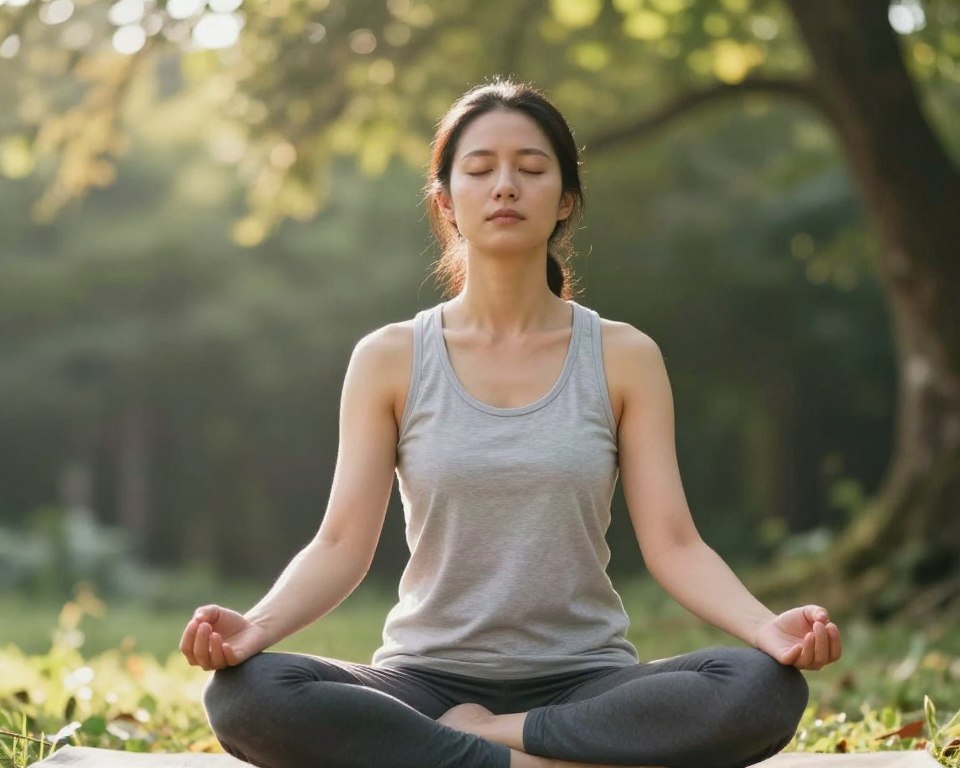
Mental health significantly impacts fertility outcomes. Depression and anxiety can affect both conception rates and treatment success. Exercise provides a natural intervention that supports emotional wellness. Many people report improved mental health after establishing regular activity routines.
Mind-Body Exercise Benefits
Yoga and tai chi combine movement with mindfulness practices. These activities specifically address stress reduction. Research shows that women participating in mind-body programs have better IVF success rates. The combination of gentle movement and meditation supports both physical and emotional health.
Group exercise classes provide additional benefits through social connection. Feeling part of a supportive community reduces isolation during fertility challenges. Many fertility centers offer specialized exercise classes for people trying to conceive.
Stress-Reducing Activities
- Gentle yoga focused on breathing
- Walking in nature or parks
- Swimming for relaxation
- Group fitness classes for community
- Dancing for joy and movement
- Tai chi for mindful movement
Building a consistent routine creates structure during uncertain times. Knowing you have scheduled activity provides stability. This predictability helps manage anxiety about conception timelines. Make exercise a non-negotiable part of your day.
The time you spend on physical activity offers a mental break from fertility concerns. This separation allows your mind to rest from constant pregnancy thoughts. Many people find that exercise provides clarity and renewed perspective.
Sleep quality improves with regular physical activity. Better sleep supports hormonal balance and overall health. Your body performs essential reproductive processes during deep sleep. Exercise helps you fall asleep faster and sleep more soundly.Ready to Optimize You Fertility Journey?
Timing Your Exercise Around Your Cycle
Women trying to conceive can optimize their exercise routine by aligning it with menstrual cycle phases. Different phases of your cycle require different activity approaches. Understanding this relationship helps you support your body’s natural reproductive processes.
Follicular Phase Exercise
The follicular phase begins on day one of your period and continues until ovulation. During this time, rising estrogen levels provide increased energy. You can engage in more vigorous activity during these weeks. This phase is ideal for trying new exercises or increasing intensity slightly.
Your body tolerates physical stress better during the follicular phase. Many women report feeling stronger and more motivated for workouts. Take advantage of this natural energy boost while remaining within moderate intensity guidelines.
Ovulation Window Considerations
Around ovulation, some experts recommend reducing exercise intensity. This advice remains debated among fertility specialists. The concern is that vigorous activity might interfere with implantation. However, moderate exercise during ovulation generally poses no risk.
Focus on gentler activities during your fertile window. Walking, yoga, and swimming provide movement without excessive stress. This approach allows you to maintain activity while prioritizing conception. Listen to your body during these crucial days.
Luteal Phase Adjustments
After ovulation, your body enters the luteal phase. Progesterone levels rise, which may reduce your energy and endurance. Many women feel more fatigued during this time. Adjust your routine to include gentler, shorter sessions.
If you are undergoing fertility treatments or IVF, your doctor may recommend specific activity restrictions. After embryo transfer, most clinics suggest avoiding intense exercise for several days. Walking and gentle stretching typically remain safe activities.
Follicular Phase (Days 1-14)
- Moderate to higher intensity acceptable
- Good time for strength training
- Energy levels typically higher
- Can try new exercise challenges
- 45-60 minute sessions appropriate
Ovulation (Days 12-16)
- Reduce intensity slightly
- Focus on moderate activities
- 30-40 minute sessions ideal
- Prioritize stress-reducing exercises
- Stay well-hydrated
Luteal Phase (Days 15-28)
- Gentle, restorative movement
- Yoga and walking emphasized
- Listen to fatigue signals
- 20-30 minute sessions sufficient
- Avoid pushing through exhaustion
Exercise Recommendations for Male Fertility
Men’s reproductive health benefits significantly from regular physical activity. Exercise improves sperm quality, count, and motility. These parameters directly affect conception success. Men trying to start a family should establish consistent activity routines.
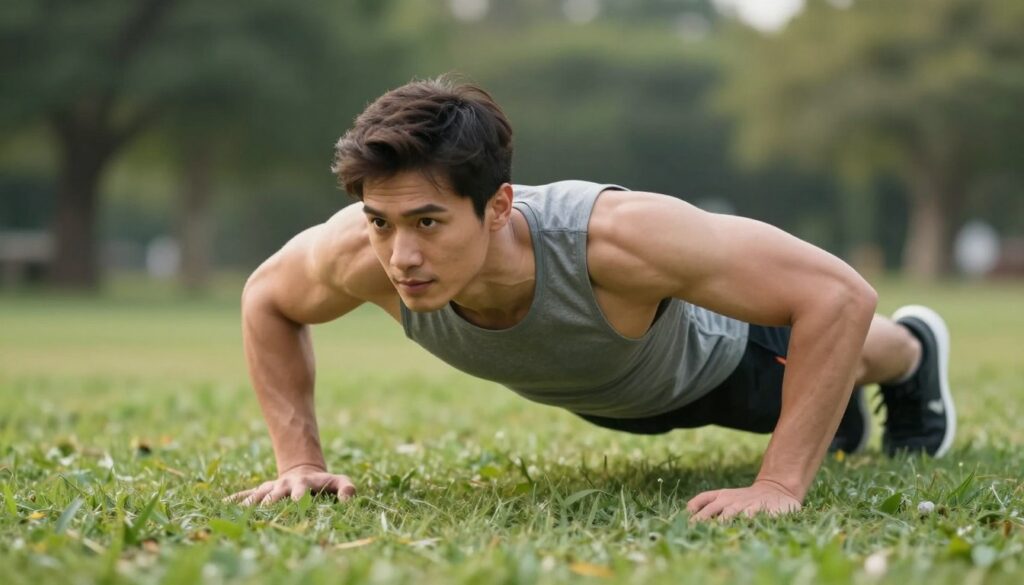
Moderate exercise helps men maintain healthy testosterone levels. This hormone is essential for sperm production and sexual function. Regular activity also reduces oxidative stress that damages sperm DNA. Studies show that active men have better fertility outcomes than sedentary individuals.
Optimal Activity for Sperm Health
Men should aim for 150 minutes of moderate activity per week. This recommendation aligns with general health guidelines. Activities like jogging, swimming, and team sports provide excellent benefits. Consistency matters more than intensity for supporting reproductive health.
Strength training offers specific advantages for male fertility. Building muscle mass supports healthy testosterone production. Men should include resistance exercises two to three days per week. Focus on compound movements that work multiple muscle groups.
Activities Men Should Limit
Cycling requires special attention for men trying to conceive. Extended time on a bicycle seat can compress blood vessels and nerves. This pressure may temporarily affect erectile function and sperm production. Men who cycle frequently should limit sessions to under one hour.
Heat exposure during exercise poses concerns for sperm health. Avoid hot yoga classes and extended time in saunas immediately after workouts. Keep testicular temperature cool by wearing appropriate, breathable workout clothing. Allow your body to cool down naturally after intense activity.
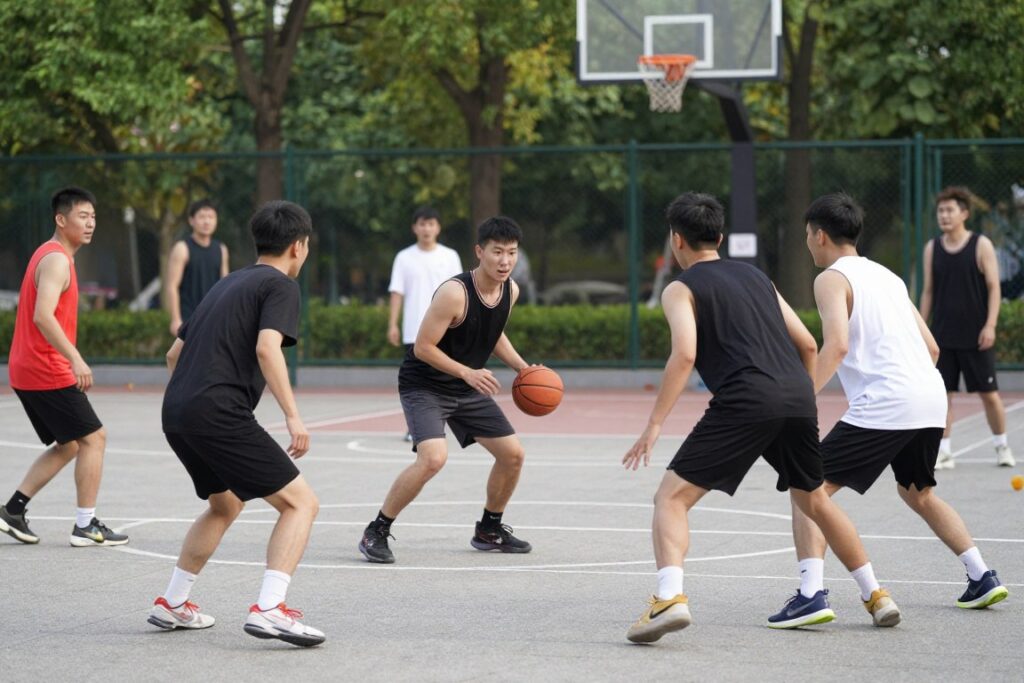
Excessive exercise can lower testosterone levels in men. Training more than 10 hours per week may reduce sperm count. Endurance athletes often experience temporary fertility challenges. If you train intensively, consider moderating your routine while trying to conceive.
Research Insight: A study in sports medicine found that men who engaged in moderate physical activity three to five times per week had 42% higher sperm concentration compared to sedentary men. However, those exercising more than seven times weekly showed decreased sperm parameters, highlighting the importance of balance.
Nutrition and Exercise Balance for Fertility
Your diet and physical activity work together to support reproductive health. Neither element alone provides optimal benefits. The combination of proper nutrition with appropriate exercise creates the foundation for fertility. Energy balance is particularly crucial when trying to conceive.
Women engaging in regular exercise need sufficient caloric intake. Underfueling your body signals energy scarcity to your reproductive system. This can halt ovulation even if your body weight appears healthy. Make sure your food intake matches your activity level.
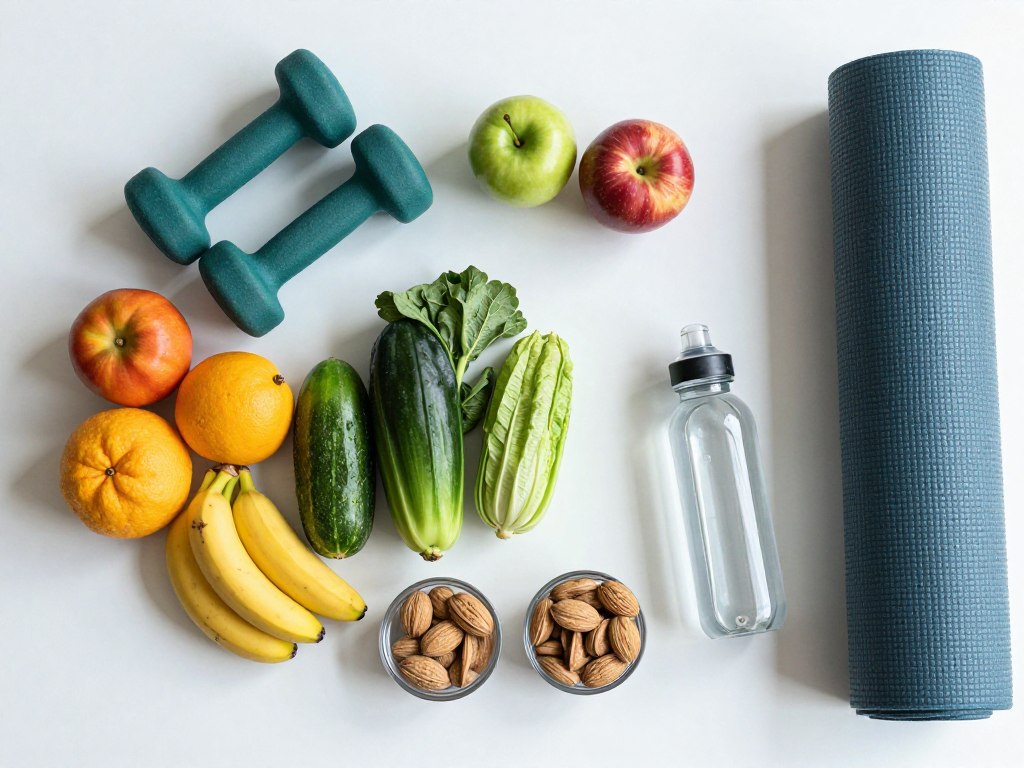
Pre-Exercise Nutrition
Eating before workouts provides energy for optimal performance. A small snack containing carbohydrates and protein works well. This combination sustains blood sugar levels during activity. Avoid exercising on an empty stomach, which stresses your body unnecessarily.
Timing matters for pre-workout nutrition. Eat a light snack 30 to 60 minutes before exercise. Larger meals require two to three hours for digestion. Finding your personal timing preference takes experimentation.
Post-Exercise Recovery
Recovery nutrition supports your body’s repair processes. Consuming protein and carbohydrates within an hour after exercise helps muscles recover. This practice also replenishes energy stores depleted during activity. Proper recovery nutrition signals your body that resources remain abundant.
Hydration plays a vital role in both exercise performance and fertility. Dehydration can affect cervical mucus quality and ovulation. Drink water before, during, and after physical activity. Aim for pale yellow urine as an indicator of adequate hydration.
Fertility-Supporting Nutrients
- Omega-3 fatty acids for hormone production
- Antioxidants to reduce oxidative stress
- B vitamins for energy metabolism
- Iron for blood health and ovulation
- Protein for tissue repair and hormones
- Complex carbohydrates for sustained energy
Hydration Guidelines
- Drink 16-20 ounces two hours before exercise
- Sip 7-10 ounces every 10-20 minutes during activity
- Consume 16-24 ounces after exercise per pound lost
- Monitor urine color for hydration status
- Increase intake on hot days or intense workouts
- Include electrolytes for sessions over 60 minutes
Supplements may support fertility alongside exercise. Folic acid is essential for women trying to conceive. Vitamin D supports reproductive function in both women and men. Consult with your healthcare provider before starting new supplements.
Exercise During Fertility Treatments and IVF
If you are undergoing fertility treatments, specific exercise guidelines apply. These recommendations protect your reproductive organs and support treatment success. Understanding restrictions helps you maintain fitness safely during medical interventions.
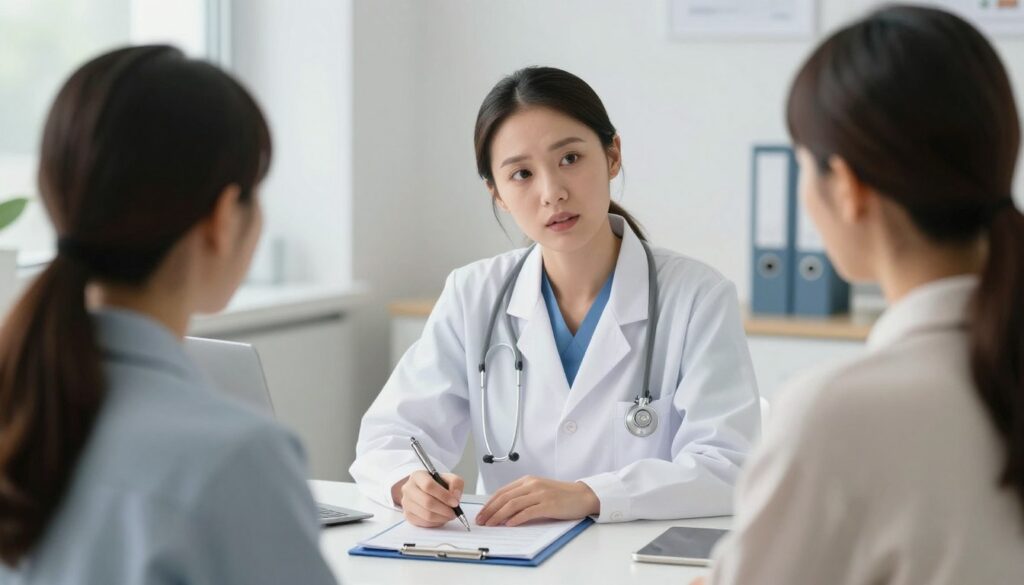
During ovarian stimulation for IVF, your ovaries enlarge significantly. This growth makes them more vulnerable to injury. Doctors typically recommend avoiding jarring activities and impact exercises. Stick to walking, gentle yoga, and swimming during this phase.
After egg retrieval, most clinics suggest rest for 24 to 48 hours. Resume light activity gradually over the following week. Avoid strenuous exercise until your next period arrives. Your ovaries need time to return to normal size.
Post-Transfer Exercise Guidelines
Following embryo transfer, exercise recommendations vary among fertility clinics. Many specialists suggest taking it easy for three to five days. This does not mean complete bed rest. Light walking and normal daily activities remain safe and encouraged.
Research shows that moderate activity after transfer does not harm implantation. However, avoid high-impact activities and intense workouts. The two-week wait between transfer and pregnancy test requires patience and gentle movement.
If your IVF cycle succeeds, continue modified exercise throughout early pregnancy. Your doctor will provide specific guidance based on your situation. Many women safely maintain gentle exercise during the first trimester.
Important: Always follow your fertility clinic’s specific recommendations regarding exercise during treatment. Individual circumstances vary, and your medical team knows your case best. Do not hesitate to ask questions about activity restrictions at any stage of your treatment.
Practical Tips for Maintaining Your Exercise Routine
Building and sustaining an exercise habit requires planning and flexibility. Life circumstances change, especially during the fertility journey. These practical strategies help you maintain consistent activity despite challenges.
Creating a Sustainable Routine
Start with realistic goals that fit your current lifestyle. Committing to daily hour-long workouts may not be feasible. Instead, aim for three 30-minute sessions per week. Gradually increase frequency as the habit becomes established.
Schedule exercise like any important appointment. Block time in your calendar specifically for physical activity. Treat this time as non-negotiable. Morning workouts often prove most consistent because fewer conflicts arise early in the day.

Find activities you genuinely enjoy. Exercise should not feel like punishment. If you dislike running, choose dancing or swimming instead. Enjoyment increases adherence and reduces stress. Experiment with different activities until you discover your preferences.
Overcoming Common Obstacles
Fatigue often derails exercise plans during fertility struggles. On low-energy days, reduce intensity rather than skipping entirely. A 10-minute walk provides more benefit than nothing. Give yourself permission to do less when needed.
Emotional challenges can make exercise feel overwhelming. Some days, fertility stress weighs heavily on your mental health. During these times, choose comforting movement like gentle yoga. Physical activity should support your emotional well-being, not add pressure.
- Track your progress – Keep a simple log of your workouts and how you feel afterward. This record motivates continued effort and helps identify patterns.
- Find an accountability partner – Exercise with a friend or join group classes. Social support increases consistency and makes activity more enjoyable.
- Prepare for weather challenges – Have indoor backup plans for outdoor activities. Home workout videos provide alternatives when leaving home feels difficult.
- Invest in comfortable gear – Proper shoes and clothing make exercise more pleasant. You do not need expensive equipment, but basics matter for comfort.
- Celebrate small victories – Acknowledge every workout completed, regardless of duration or intensity. Positive reinforcement builds lasting habits.
- Be flexible with timing – If morning workouts do not happen, try lunch or evening sessions. Consistency matters more than specific times.
Consider working with a fitness professional familiar with fertility considerations. Personal trainers can create customized programs matching your goals and restrictions. Some specialize in pre-conception fitness and understand reproductive health needs.
When to Consult a Fertility Specialist
Knowing when to seek professional help is crucial for successful conception. Many people benefit from expert guidance when balancing exercise and fertility. A specialist can provide personalized recommendations based on your unique situation.
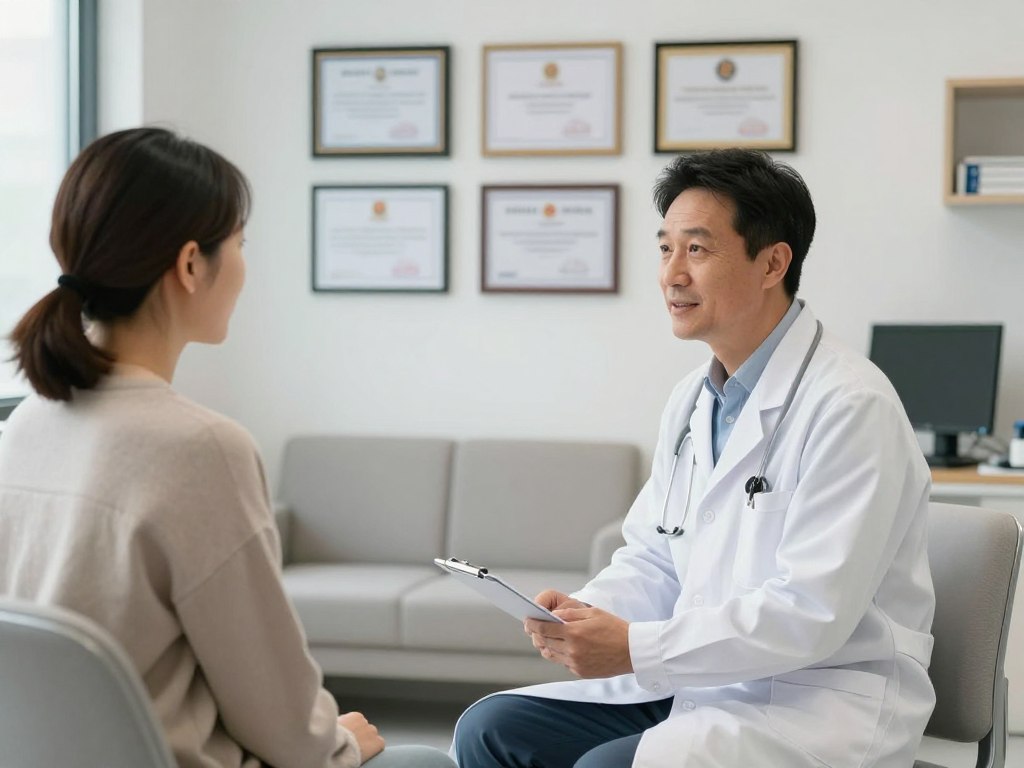
Women under 35 should consult a specialist after one year of trying to conceive. Women over 35 should seek help after six months. These timelines assume regular unprotected intercourse. Do not wait if you have known fertility issues or irregular cycles.
Men experiencing erectile dysfunction or other sexual health concerns should see a doctor promptly. These issues may indicate underlying health problems affecting fertility. Early intervention often leads to better outcomes.
Signs You Need Professional Guidance
Irregular or absent menstrual periods warrant immediate attention. This symptom may indicate hormonal imbalances affecting fertility. Your doctor can evaluate whether exercise or other factors contribute to cycle irregularity.
Significant weight loss or gain combined with exercise changes requires evaluation. Rapid weight fluctuations disrupt reproductive hormones. A fertility specialist can assess your body mass index and recommend appropriate interventions.
Red Flags Requiring Medical Attention: Absent periods for three months or more, severe pelvic pain during exercise, persistent fatigue despite rest, dramatic mood changes, rapid unexplained weight loss, difficulty maintaining a healthy body weight despite adequate nutrition.
If you have been exercising intensely for years, professional guidance helps optimize your routine for conception. Athletes often need specific advice about training modifications. Fertility specialists understand how to balance competitive goals with reproductive health.
Couples with male factor infertility concerns benefit from semen analysis and consultation. Simple lifestyle changes, including exercise modifications, can improve sperm parameters. Early testing identifies issues before they cause extended delays.
Take the Next Step Toward Parenthood
Our experienced fertility team provides comprehensive support for your conception journey. We offer personalized exercise guidance, fertility assessments, and advanced treatment options. Do not navigate this path alone.
Free 15-minute phone consultation available. We are here to answer your questions and create your personalized fertility plan.
Frequently Asked Questions About Exercise and Fertility
Can I continue my regular workout routine while trying to get pregnant?
This depends on your current routine intensity and frequency. Moderate exercise of 150 minutes per week generally supports fertility. However, if you exercise more than five hours weekly at high intensity, consider reducing your routine. Most experts recommend maintaining activity below the level that causes menstrual irregularities. Listen to your body and consult with a fertility specialist if you have concerns about your specific routine.
How much exercise is too much when trying to conceive?
Excessive exercise varies by individual, but warning signs include irregular or absent periods, persistent fatigue, and declining performance. Women exercising more than seven hours weekly at high intensity may experience fertility challenges. The combination of intense exercise and low body weight particularly affects reproductive function. If you cannot maintain a conversation during your workout, you may be exercising too intensely for optimal fertility.
Does exercise affect male fertility and sperm quality?
Yes, physical activity significantly impacts male reproductive health. Moderate exercise improves sperm count, motility, and morphology. Men who exercise three to five times per week have better sperm parameters than sedentary individuals. However, excessive endurance training or cycling more than five hours weekly may temporarily reduce sperm quality. Heat exposure during exercise can also affect sperm production, so men should avoid prolonged hot yoga or sauna use.
Should I stop exercising during the two-week wait after ovulation?
You do not need to stop exercising completely during the luteal phase or two-week wait. Moderate activity like walking, gentle yoga, and swimming remain safe. Avoid starting new intense workout programs or significantly increasing your routine during this time. Listen to your body and reduce intensity if you feel unusually fatigued. After IVF embryo transfer, follow your clinic’s specific recommendations, which typically allow light activity.
Can yoga improve fertility and chances of conception?
Yoga offers multiple benefits for fertility through stress reduction and improved circulation. Specific poses enhance blood flow to reproductive organs and support hormonal balance. Research shows that women participating in yoga programs during fertility treatments have reduced anxiety and better outcomes. Choose fertility-focused or gentle yoga classes rather than intense power yoga. The combination of physical movement, breathing exercises, and meditation supports both physical and mental health during your fertility journey.
How does body weight and exercise together affect fertility?
Body mass index and exercise create a complex relationship affecting reproduction. Both underweight and overweight individuals may experience fertility challenges. Exercise helps achieve healthy body weight that supports optimal hormonal function. However, combining intense exercise with very low body weight can halt ovulation completely. The goal is balanced energy intake and output. Women should maintain body mass index between 18.5 and 24.9 for best fertility outcomes, achieved through moderate activity and adequate nutrition.
What exercises are best for improving fertility naturally?
The best fertility-supporting exercises include walking, swimming, yoga, and light strength training. These activities improve circulation, reduce stress, and maintain healthy weight without overtaxing reproductive systems. Aim for 30 to 45 minutes of moderate activity most days of the week. Activities that allow conversation without breathlessness provide optimal benefits. Consistency matters more than intensity. Choose exercises you enjoy to maintain long-term adherence.
When should I modify my exercise routine during IVF treatment?
Modify your routine as soon as you begin ovarian stimulation medications. Your ovaries will enlarge during this phase, making them vulnerable to injury from jarring movements. Stick to walking, gentle yoga, and swimming. After egg retrieval, rest for 24 to 48 hours before resuming light activity. Following embryo transfer, most clinics recommend avoiding strenuous exercise for three to five days. Always follow your specific clinic’s guidelines, as recommendations vary.
Making Exercise Work for Your Fertility Goals
Understanding the connection between physical activity and reproductive health empowers you to make informed decisions. Exercise affects fertility through multiple pathways including hormonal balance, weight management, stress reduction, and overall health. The key lies in finding the right balance for your individual situation.
Moderate physical activity consistently supports fertility in both women and men. Walking, swimming, yoga, and light strength training provide excellent benefits without compromising reproductive function. These activities improve circulation, maintain healthy body weight, and reduce stress that can interfere with conception.
Start Your Personalized Fertility Plan Today
Our fertility specialists combine medical expertise with compassionate care to support your journey toward parenthood. We provide comprehensive fertility assessments, personalized exercise guidance, and advanced treatment options including IVF. Every family’s path is different, and we are here to guide yours.

Author Bio: Neelam Chhagani is an International Surrogacy Expert with 15 years of experience in the fertility and surrogacy domain. As the founder of IVF Conceptions and Complete Surrogacy, she has guided over 4,000 intended parents worldwide on their surrogacy journey to parenthood. Recognized as a trusted authority, she specializes in holistic infertility solutions and third-party reproduction consulting.
Holding an MA in Counselling Psychology and a PGD in Mental Health, Neelam is a proud member of the European Fertility Society (EFS) and the European Society of Human Reproduction and Embryology (ESHRE). She is also a leading surrogacy blogger, providing valuable insights into ethical and practical surrogacy solutions.
Since 2010, committed to supporting ALL family types, Neelam has been passionate about helping intended parents grow their families with compassion, integrity, and a focus on secure and affordable surrogacy options Globally.
Learn more about Neelam:
https://www.ivfconceptions.com/neelam-chhagani-surrogacy-consultant/
https://www.linkedin.com/in/neelam-chhagani-92892229/










I was introduced to Neelam by a friend who worked with Neelam for surrogacy. Neelam is absolutely wonderful. I am a single male and the journey to fatherhood is not that easy. Neelam connected me to a program ideal for my circumstances. She was with me throughout the pregnancy providing advice and guidance along the way. I am so grateful I found her and am thrilled today that I have a beautiful daughter. I highly recommend Neelam to anyone who is on a journey to become a parent. Having a child has changed my world for the better. I wish others success with their own journey and recommend you connect with Neelam to find a path that is best for you.
SA (USA)