
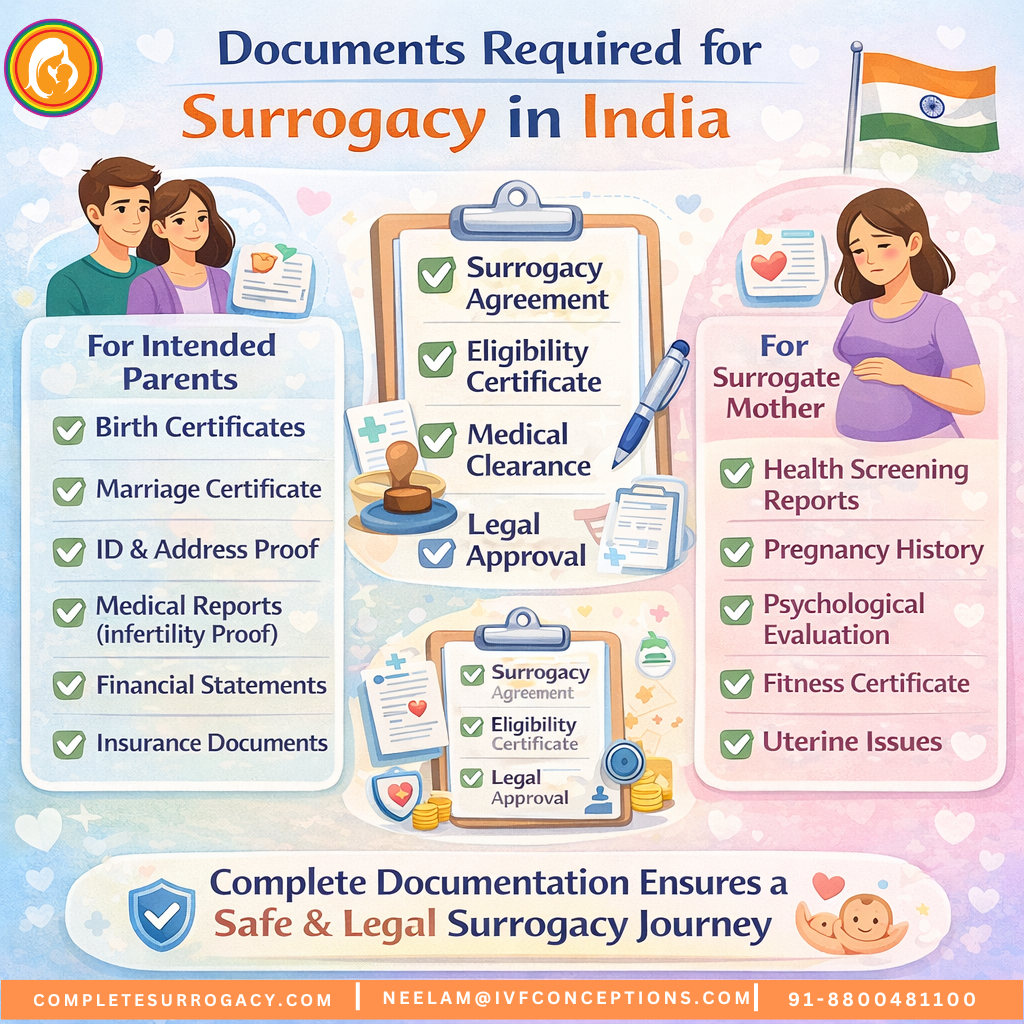

Documents Required for Surrogacy in India
This concise guide outlines the surrogacy process in India and the essential documents you’ll need. It’s designed for intended parents in the United States aiming to collaborate with an Indian clinic or surrogate.
Discover the surrogacy documentation issued by medical boards and authorities. Learn about the paperwork required from clinics and surrogates, typical timelines, and how each document impacts eligibility, treatment, and birth registration. This guide covers medical, legal, clinic, surrogate, and international documents, ensuring a clear, step-by-step checklist for surrogacy documentation.
For authoritative verification, consult registered clinics and the National and State Surrogacy Boards. You may also reach out to Medline Academics for educational support and guidance: phone +91 95134 53461; email [email protected]; address: #7, 1st Floor, East Park Rd, Kumara Park East, Seshadripuram, Karnataka, Bengaluru – 560001.
Key Takeaways
- You need specific surrogacy paperwork India documents from medical boards and authorities to begin treatment.
- Gather medical certificates, eligibility letters, and marriage and identity proofs early to avoid delays.
- Clinic registration and surrogacy legal documents india determine whether a clinic can lawfully assist you.
- Surrogate medical and consent records are mandatory and must meet statutory requirements.
- Verify documents with the National and State Surrogacy Boards and consult registered clinics for final checks.
Overview of Surrogacy Process in India and Legal Context
Before starting the surrogacy journey in India, it’s essential to understand the process. It involves medical evaluations, obtaining statutory certificates, and registering the birth. Each step must adhere to the legal requirements set by Indian authorities.
The Surrogacy (Regulation) Act, 2021, is at the core of the legal framework. Later notifications have clarified rules on donor gametes and tightened compliance. The law outlines who can commission surrogacy and sets limits on payments and obligations for clinics and intended parents.
Key regulations require two certificates: the Certificate of Essentiality from a District Medical Board and the Certificate of Eligibility from the Appropriate Authority. You must also ensure a 36-month insurance policy for the surrogate and documented medical fitness for all parties.
The next points break down eligibility, altruistic rules, and penalties so you can compare requirements at a glance.
Summary of the Surrogacy (Regulation) Act, 2021, and subsequent amendments
The Act bans commercial surrogacy, allowing only altruistic arrangements. Amendments in 2024 clarified allowable donor gametes and formalized compliance checks. You will face strict documentation demands, clinic oversight, and criminal penalties for commercial transactions.
Who is eligible to commission surrogacy under current surrogacy laws
Eligible intending parents are married Indian citizens or qualifying OCI holders, married for at least five years. Age limits apply: wife 23–50 and husband 26–55. You must provide a medical certificate of infertility and show there is no surviving biological child, except in narrow medical exemptions. Single men and most foreign nationals without OCI are excluded. Single women may qualify only if widowed or divorced, aged 35–45, using their own eggs.
Altruistic surrogacy rules and ban on commercial surrogacy
Under current rules, the surrogate must be a willing, married woman aged 25–35 who has at least one biological child. She may act as a surrogate only once. Payments beyond medical care, hospital bills, mandatory insurance, and permitted reimbursements are illegal. Violations can lead to up to ten years in prison and heavy fines.
| Topic | What you must provide | Why it matters |
|---|---|---|
| Certificates | Certificate of Essentiality; Certificate of Eligibility | These validate medical need and legal standing under surrogacy regulations |
| Eligibility | Marriage proof (5 years); age proofs; infertility certificate | Confirms you meet the surrogacy legal requirements for intended parents |
| Surrogate criteria | Age 25–35; married; one biological child; consent forms | Protects surrogate welfare and enforces altruistic surrogacy rules |
| Insurance & payments | 36-month insurance policy; receipts for permitted reimbursements | Prevents commercial surrogacy and documents lawful expenses |
| Penalties | Criminal sanctions for commercial surrogacy | Deters illicit transactions and protects parties’ rights |
Documents Required for Surrogacy in India
Before starting any treatment, you must have a set of legal documents for surrogacy. This section outlines the essential papers, clinics, and authorities require. Ensure you have both original and certified copies to avoid delays in the surrogacy process.
The District Medical Board issues the certificate of essentiality after reviewing medical reports. This certificate confirms a medical reason for surrogacy, such as uterine absence, repeated IVF failure, or a pregnancy risk to the intended mother. Without this document, clinics cannot proceed to embryo transfer.
Certificate of Essentiality from the District Medical Board
Prepare detailed medical records for the board: diagnostic scans, hysterectomy reports, MRKH documentation or cardiology notes showing pregnancy risk. Present repeat-IVF failure records where relevant. The board’s approval is a critical part of your surrogacy documentation and is needed for further approvals.
Certificate of Eligibility from the Appropriate Authority
Apply to the Appropriate Authority for a certificate of eligibility after you collect identity and marriage proofs. The authority verifies surrogacy eligibility criteria: marriage duration, age limits, citizenship or OCI status, and insurance proof for the surrogate. Clinics require this certificate of eligibility before any embryo transfer.
Marriage certificate, age proof, and proof of five years of marriage
Submit a certified marriage certificate plus government photo IDs such as passports or Aadhaar for residents. You must show the marriage has subsisted for at least five years. Provide age proof for both partners to confirm compliance with legal age ceilings: wife 23–50 and husband 26–55.
Medical certificate of infertility or medical indication for surrogacy
Include an infertility diagnosis and targeted medical reports. These could document uterine absence, hysterectomy, MRKH syndrome, severe systemic illness that makes pregnancy life-threatening, or repeat-IVF failure. These clinical files support the District Medical Board review and validate the certificate of essentiality.
You should compile a complete folder of surrogacy legal documents, which your clinic will use to prepare surrogacy agreement documents and meet administrative checks. Keep copies for your records and confirm each authority’s checklist early to speed approvals.
| Document | Who Issues / Verifies | Purpose |
|---|---|---|
| Certificate of Essentiality | District Medical Board | Confirms medical need for surrogacy; required before treatment |
| Certificate of Eligibility | Appropriate Authority (state-level) | Verifies surrogacy eligibility criteria and legal compliance |
| Marriage Certificate | Local marriage registrar | Proves marital status and supports five-year marriage requirement |
| Age Proof (IDs) | Passport, Aadhaar, state ID | Demonstrates age compliance with statutory limits |
| Medical Certificate of Infertility | Consulting gynecologist or IVF clinic | Documents infertility or medical contraindication to pregnancy |
| Repeat IVF Records and Scans | Fertility clinic | Evidence for District Medical Board review and essentiality |
| Insurance Proof for Surrogate | Insurer/clinic submission | Shows coverage as required under surrogacy process documentation |
Surrogate Mother Paperwork and Medical Records
Before starting any medical procedures, you must gather clear, verified documents for the surrogate. Begin with identity verification and marital status documents. These are essential for meeting eligibility criteria and supporting the Certificate of Eligibility process.
Identity and marital status documents for the surrogate
Start with a government-issued photo ID like Aadhaar, passport, or voter ID. Include proof of marital status and your spouse’s details when necessary. Also, add the surrogate’s birth certificate or other age proof to confirm she is within the 25–35 age range.
Attach birth certificates for at least one of the surrogate’s biological children. This confirms prior motherhood. These documents are the foundation for legal review by the Appropriate Authority.
Medical fitness certificates, obstetric history, and required tests
Gather a detailed obstetric and gynecological history. Include past delivery records and current medical notes. Also, include ultrasound reports, blood tests, infectious disease screenings, and any specialist clearances required by the District Medical Board.
Secure a fitness certificate from a qualified gynecologist or obstetrician. This confirms the surrogate’s suitability for pregnancy. Keep all medical records organized for clinic review and official audits.
Psychological evaluation reports and informed consent forms
Get a documented mental health assessment that confirms informed, voluntary consent. The report should detail the surrogate’s capacity to understand legal and emotional consequences.
Have the surrogate sign written informed consent forms. These forms should explicitly state voluntary participation and the surrender of parental rights. Store these forms with other documents for legal compliance.
Insurance policy documentation covering 36 months for the surrogate
Intending parents must buy and present a 36-month health insurance policy. This policy should cover pregnancy complications and postpartum care. It must comply with the Insurance Regulatory and Development Authority of India standards.
Show the full policy documents to the Appropriate Authority during Certificate of Eligibility verification. Keep a copy of the insurance papers with medical records and identity files for future claims and inspections.
| Document Type | What to Include | Who Provides It | Why It Matters |
|---|---|---|---|
| Identity Proof | Passport/Aadhaar/Voter ID, birth certificate, proof of age | Surrogate | Confirms identity and legal age for eligibility |
| Marital Status & Child Proof | Marriage certificate, spouse details, child birth certificates | Surrogate | Verifies marital status and prior motherhood requirement |
| Medical Fitness | Gynecologist fitness certificate, ultrasound, blood tests | Clinic / Specialist | Ensures physical readiness for pregnancy |
| Obstetric History | Delivery records, prenatal and postnatal notes | Clinic / Hospital | Shows past pregnancy outcomes and informs risk assessment |
| Psych Evaluation & Consent | Mental health report, signed informed consent forms | Licensed Psychologist / Surrogate | Confirms voluntary participation and legal consent |
| Insurance Policy | 36-month health policy documents covering pregnancy and postpartum | Intending Parents / Insurer | Protects surrogate and ensures compliance with regulations |
| Surrogacy Medical Records | All clinic notes, lab results, procedure reports | Fertility Clinic / Hospital | Maintains continuity of care and supports legal filings |
Legal Requirements for Surrogacy and Surrogacy Agreement Documents
Clear paperwork is essential to meet surrogacy legal requirements in India. It protects all parties involved. Start by gathering all necessary documents early. Keep both original and certified copies handy. This preparation helps avoid delays when applying for the Certificate of Essentiality and Certificate of Eligibility.

Creating a surrogacy agreement is critical. It outlines responsibilities, medical care plans, and allowed reimbursements. The agreement must include the surrogate’s informed consent and cover hospital expenses. It should also confirm that no commercial payment is made beyond what is allowed. A reproductive law attorney should review the agreement to ensure it adheres to non-commercialization rules.
Before the transfer of custody, obtain a magistrate’s order or affidavits. These documents secure parentage and custody for the intending parents. They often declare acceptance of the child, regardless of sex or health status. Courts rely on these documents during birth registration, so ensure they are complete and notarized.
Verify that the clinic is registered with the National and State Surrogacy Boards. Keep a copy of the clinic’s registration certificate and registration numbers. Collect all clinic paperwork, including informed consent forms, treatment plans, embryo creation records, and donor documentation where permitted. These records are essential for compliance with clinic-level regulations.
Keep all surrogacy agreement papers, medical clearances, and insurance policies together. Store the Certificates of Essentiality and Eligibility, the surrogate’s consent forms, psychological reports, and clinic registration details. Detailed financial records for permitted payments are also important. They help show adherence to the law and protect against allegations of commercial surrogacy.
Below is a compact checklist to confirm you have the necessary surrogacy legal documents and related items ready.
| Document | Purpose | Who Issues/Signs |
|---|---|---|
| Surrogacy agreement | Defines rights, medical care, reimbursements, and consent | Intending parents, surrogate, attorney |
| Surrogacy agreement papers (copies) | Provides evidence for authorities and hospitals | Attorney, clinic, notarization |
| Certificate of Essentiality | Confirms medical need and eligibility for surrogacy | District Medical Board |
| Certificate of Eligibility | Confirms intending parents meet statutory criteria | Appropriate Authority |
| Magistrate order / affidavits | Secures parentage and custody prior to birth registration | Judicial magistrate, notary |
| Clinic registration certificate | Verifies lawful operation of the fertility clinic | National/State Surrogacy Board |
| Medical and psychological clearances | Shows surrogate is fit and informed | Clinic physicians, mental health professionals |
| Insurance policy | Covers surrogate for pregnancy-related risks for required term | Insurance company, policyholder |
| Financial receipts and invoices | Documents permitted reimbursements and payments | Hospitals, clinics, travel providers |
Ensure this folder is accessible and up to date. Proper documentation simplifies interactions with authorities and supports full compliance with surrogacy legal requirements in India.
Surrogacy Clinic Forms, Medical Documentation, and Registration Documents
Working with a fertility clinic requires meticulous record-keeping for a seamless process. Ensure you have all necessary consent forms and treatment summaries. Verify the clinic’s credentials and maintain a checklist for appointments and follow-ups. These steps help avoid delays in paperwork submission and birth registration.
Clinic consent forms, IVF treatment records, and embryo transfer reports
Secure informed consent forms for each procedure and detailed IVF records. These include oocyte retrieval notes, fertilization reports, and embryo grading sheets. Also, keep embryo transfer reports and implantation monitoring results. Maintain medication logs and lab findings, highlighting which parent’s gametes were used. Document any approved donor gamete under board authorization.
Registration documents for the clinic with the National and State Surrogacy Boards
Obtain and copy the clinic’s registration certificate and number from the National Registry of Banks and Clinics of India and the State Surrogacy Board. Use these documents for Appropriate Authority files and court submissions. Confirm the clinic’s status before treatment begins.
Surrogacy documentation checklist for medical appointments and follow-ups
Develop a checklist for surrogacy documentation, tracking appointments, test dates, and hospital stays. Request visit summaries from the clinic after each milestone. Record prescriptions, lab reports, ultrasound images, and discharge notes. Organize these chronologically to support legal reviews and continuity of care.
Records to retain for birth registration and parentage certificate issuance
Store all legal certificates, including the Certificate of Essentiality, Certificate of Eligibility, surrogacy agreement, and the surrogate’s consent. Include clinic records and any magistrate orders. These documents are vital for birth registration and ensuring the child’s certificate lists you as the intending parents. Keep both physical and digital copies for safety.
- Keep originals and certified copies of surrogacy clinic paperwork for legal use.
- Request clinic summaries after key procedures to add to your surrogacy clinic forms file.
- File surrogacy registration documents with your Appropriate Authority submissions.
- Update your surrogacy documentation checklist after each medical or legal event.
Additional Practical Documents and Travel or Insurance Papers for International Intended Parents
Begin by collecting essential surrogacy documents before you travel. These documents help avoid delays at consular offices and hospitals. Ensure you have both original and certified copies for presentations to Indian authorities and clinics.
Verify your OCI eligibility and limits according to current consular guidance. OCI holders might face varying treatment for surrogacy legal requirements. Always check the latest Ministry of Home Affairs and FRRO circulars to avoid outdated advice.
Prepare the following items for consular and FRRO inquiries:
- Proof of OCI status or passport and residency documents.
- Marriage certificate, identity proofs, and the Certificate of Essentiality when issued.
- Detailed surrogacy process documentation from the clinic showing planned treatment and timelines.
Foreign nationals without OCI cannot commission surrogacy in India. Indian missions will not issue a medical visa for surrogacy purposes. If you are an OCI intending parent, gather the necessary surrogacy visa documents required by the consulate. Be prepared to show proof of status and clinic confirmations.
Compile a clear proof of funds and a cost estimate for all permitted expenses. Include clinic fees, hospital charges, medical tests, the surrogate’s insurance premium (36 months), and travel. Keep detailed invoices and bank transfer receipts to demonstrate lawful disbursements.
Utilize a surrogacy documentation checklist to track invoices, payment records, and receipts. This simplifies audits and magistrate filings when applying for a surrogacy parentage certificate after birth. Ensure each payment is matched to an invoice and a purpose.
Verify clinic registration before committing. Use India’s State Surrogacy Board listings and the National Registry to confirm registration numbers. Request written confirmation of registration and obtain the surrogacy clinic paperwork that lists services and timelines.
Keep contact details for an experienced reproductive law attorney in India. Your counsel will draft the surrogacy agreement, prepare magistrate applications, and manage Certificate of Eligibility and Certificate of Essentiality submissions. Include your lawyer’s contact in your travel folder with clinic and hospital phone numbers.
Organize documents in both digital and paper form. Label folders for consular interviews, hospital admissions, financial records, and surrogacy legal requirements. A well-organized packet of surrogacy process documentation speeds reviews and reduces stress during travel and hospital stays.
Additional Resources to Read:
Surrogacy Services in Georgia Country
Surrogacy Services in Colombia
Surrogacy Services in Kazakhstan
Conclusion
Begin by confirming statutory eligibility and following the surrogacy legal requirements step by step. Obtain the Certificate of Essentiality and the Certificate of Eligibility. Also, secure medical certificates of infertility for the intended parents. Complete the surrogate’s medical and psychological clearances. Keep these primary documents together as part of your documents required for surrogacy in india to avoid delays.
Next, finalize a compliant surrogacy agreement. Purchase the 36-month insurance policy for the surrogate. Verify the clinic’s registration with the National and State Surrogacy Boards. Maintain a meticulous surrogacy documentation checklist. This should include IVF reports, embryo transfer records, consent forms, and magistrate orders. This will help prove compliance at every stage of the surrogacy process in india.
Be aware that violations—such as unauthorized commercial payments—carry criminal penalties under the Surrogacy (Regulation) Act. Work only with registered clinics and a qualified reproductive lawyer. If you are a U.S.-based intended parent, check OCI and consular guidance before travel. Keep transparent proof of funds, receipts, and clinic records. These will support birth registration and parentage recognition.
Lastly, compile a master folder in both physical and digital formats. Include all certificates, clinic forms, medical records, the surrogacy agreement, insurance policy, magistrate orders, and payment records. Treat that folder as your single source of truth for the surrogacy documentation checklist. This will help you navigate the surrogacy process in india with confidence and legal clarity.
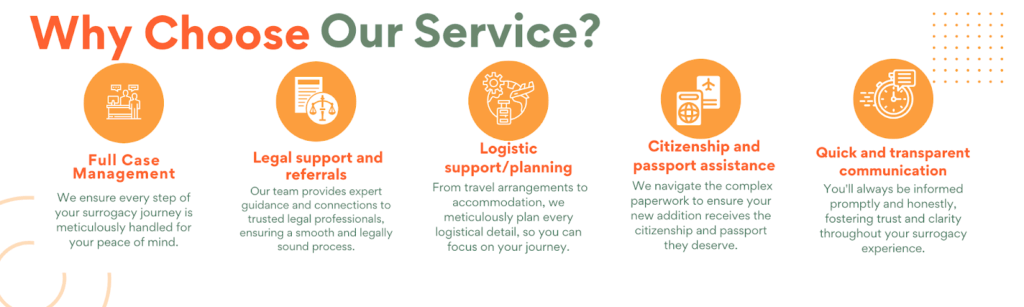
💫 Why Intended Parents Choose Complete Surrogacy for a Safe, Smooth & Successful Surrogacy Journey:
🌍 Access to multiple surrogacy destinations with 15+ years of international experience
🏥 Partnerships with top-tier fertility clinics and agencies, backed by references from past clients
👩🦱 Diverse egg donor options: Asian, Caucasian, African, Oriental, and more
💸 Transparent and affordable pricing—direct payments with no extra agency fees
🔒 No hidden costs—all charges are agreed upon upfront
🤝 Dedicated case manager for personalized support
📲 Fast, honest, and clear communication throughout
📑 Full legal support for visas, documentation, and baby exit processes
🚚 Assistance with frozen sperm/embryo shipment logistics
FAQ for Documents Required for Surrogacy in India
What documents start the surrogacy process in India and what outcome should I expect from this guide?
What is the legal framework governing surrogacy in India?
Who is eligible to commission surrogacy under current surrogacy laws in India?
What are the main altruistic surrogacy rules and penalties for commercial surrogacy?
What is a Certificate of Essentiality and who issues it?
What is a Certificate of Eligibility and how do I obtain it?
Which identity, marriage, and age documents do intending parents need to provide?
What medical documents demonstrate infertility or medical indication for surrogacy?
What identity and marital status documents are required for the surrogate?
What medical fitness and obstetric records must the surrogate provide?
Are psychological evaluations and consent forms required from the surrogate?
What insurance documentation do intending parents need to arrange for the surrogate?
What must a surrogacy agreement include under Indian law?
Are magistrate orders or affidavits required for parentage and custody?
How do I verify a clinic’s registration and what clinic paperwork should I demand?
What clinic consent forms and IVF records must be preserved?
What registration documents should a clinic have with National and State Surrogacy Boards?
What should a surrogacy documentation checklist for medical follow-ups include?
Which records are required for birth registration and parentage certificate issuance?
How do OCI rules and consular guidance affect U.S.-based intended parents?
Can foreign nationals obtain a medical visa for surrogacy in India?
What financial records and proof of funds should I prepare?
Who should I contact for clinic verification and legal assistance?
What are the practical sequential steps I must follow to comply with surrogacy legal requirements?
What are the legal risks of non-compliance and how can I reduce them?
What final practical tip ensures a smoother process?

Author Bio: Neelam Chhagani is an International Surrogacy Expert with 15 years of experience in the fertility and surrogacy domain. As the founder of IVF Conceptions and Complete Surrogacy, she has guided over 4,000 intended parents worldwide on their surrogacy journey to parenthood. Recognized as a trusted authority, she specializes in holistic infertility solutions and third-party reproduction consulting.
Holding an MA in Counselling Psychology and a PGD in Mental Health, Neelam is a proud member of the European Fertility Society (EFS) and the European Society of Human Reproduction and Embryology (ESHRE). She is also a leading surrogacy blogger, providing valuable insights into ethical and practical surrogacy solutions.
Since 2010, committed to supporting ALL family types, Neelam has been passionate about helping intended parents grow their families with compassion, integrity, and a focus on secure and affordable surrogacy options Globally.
Learn more about Neelam:
https://www.ivfconceptions.com/neelam-chhagani-surrogacy-consultant/
https://www.linkedin.com/in/neelam-chhagani-92892229/















I was introduced to Neelam by a friend who worked with Neelam for surrogacy. Neelam is absolutely wonderful. I am a single male and the journey to fatherhood is not that easy. Neelam connected me to a program ideal for my circumstances. She was with me throughout the pregnancy providing advice and guidance along the way. I am so grateful I found her and am thrilled today that I have a beautiful daughter. I highly recommend Neelam to anyone who is on a journey to become a parent. Having a child has changed my world for the better. I wish others success with their own journey and recommend you connect with Neelam to find a path that is best for you.
SA (USA)