




Can NRIs work with a Surrogate Mother in India for NRI couples under the current legal framework? The answer is largely no—India’s surrogacy laws restrict access to altruistic surrogacy for eligible Indian resident married couples, which means most NRIs are not permitted to pursue surrogacy in India unless they meet very specific residency and eligibility criteria.
This often leads to confusion, as India was once a global hub for international surrogacy. Today, however, strict regulations have significantly limited access. Understanding who qualifies—and when to consider alternative countries—is essential before planning your surrogacy journey.
Planning surrogacy abroad?
Read our complete Guide to International Surrogacy to understand the process, costs, legal rules, and timeline for international intended parents.
More Resources to Read:
Single Parent Surrogacy in India

Finding a surrogate mother for NRI couples has become increasingly complex following the changes in Indian surrogacy laws. Many Non-Resident Indians dream of building their families through surrogacy but face uncertainty about legal pathways and reliable services.
The Indian government implemented the Surrogacy Regulation Act in 2022. This legislation fundamentally changed how surrogacy works in the country. Commercial surrogacystrictly prohibited under current regulations. However, altruistic surrogacy remains available for eligible Indian citizens and overseas Indian citizens.
Understanding your options as intended parents living abroad requires expert guidance. This comprehensive guide explains everything NRI couples need to know about accessing surrogate mother services in India legally and safely.

Our experienced team specializes in helping NRI couples navigate Indian surrogacy laws and find the right path to parenthood. Get a personalized consultation today.

Surrogacy for NRI couples requires careful consideration of current Indian regulations. The legal landscape has shifted dramatically in recent years. Understanding these changes helps intended parents make informed decisions about their family-building journey.
Many NRI couples ask whether they can still pursue surrogacy in India. The answer depends on several factors, including citizenship status, marital status, and medical necessity. The Surrogacy Act permits altruistic surrogacy in India for specific categories of Indian citizens.
Indian surrogacy laws establish clear eligibility criteria. Married couples must meet specific requirements to access surrogacy services legally. These regulations aim to prevent exploitation while supporting genuine medical needs.
Eligible couples must be Indian citizens who have been married for at least five years. Both partners must demonstrate medical necessity through proper documentation. The age requirements specify that women should be between 25 and 50 years old. Men must be between 26 and 55 years of age.
Commercial surrogacy has been strictly prohibited in India since the new law came into effect. This represents a major shift from previous years when India was a popular destination for international commercial surrogacy. The government implemented these changes to protect surrogate mothers from exploitation.
Under current regulations, surrogates cannot receive payment beyond medical expenses and insurance coverage. This altruistic approach means surrogate mothers must be close relatives willing to help without financial compensation. The law defines close relatives specifically to prevent circumvention.
These restrictions significantly impact how NRI couples can pursue surrogacy. Many must adjust their expectations and timelines. Finding an eligible and willing relative as a surrogate often presents the biggest challenge for couples living abroad.
Navigating the surrogacy process in India for NRI couples requires understanding multiple steps and legal requirements. NRI couples face additional considerations due to international travel and documentation needs. A well-planned approach ensures smoother progression through each stage.
The surrogacy journey typically spans twelve to eighteen months from initial consultation to birth. This timeline varies based on individual circumstances and how quickly requirements can be fulfilled. Proper preparation and expert guidance help minimize delays and complications.
Your journey begins with a comprehensive medical and legal consultation. This initial phase establishes eligibility and creates a customized plan. Our team reviews medical history, discusses legal requirements, and outlines realistic timelines.
Medical assessments determine the best approach for your specific situation. Both intended parents undergo fertility evaluations. These tests help identify the optimal IVF protocol and assess any factors that might affect success rates.
Securing necessary legal approvals represents a critical phase. The process involves multiple government authorities and medical boards. Proper documentation must be submitted to the appropriate authorities for review and approval.
Couples must obtain a certificate of essentiality from the district medical board. This document confirms medical necessity for surrogacy. Additional certificates verify marital status, citizenship, and compliance with age requirements. The approval process typically takes several weeks to complete.
Important: All documentation must be current and properly authenticated. NRI couples should ensure their Indian citizenship certificates or OCI cards are up to date before beginning the process.
Once approvals are secured, the medical phase begins. IVF treatment creates embryos using eggs from the intended mother or an egg donor. The process requires careful timing and coordination, especially for NRI couples traveling from abroad.
Ovarian stimulation takes approximately two weeks. Egg retrieval is a minor procedure performed under sedation. Fertilization occurs in the laboratory, and embryos develop for several days. The highest quality embryos are selected for transfer to the surrogate mother.
The surrogate motherundergoes preparation to optimize her uterine environment. Hormone medications prepare the uterine lining for embryo implantation. Embryo transfer is a simple procedure that takes only minutes. A pregnancy test confirms success approximately two weeks after transfer.
Every surrogacy journey is unique. Our specialists create customized treatment plans based on your specific medical situation, legal status, and personal preferences.
Successful embryo transfer begins a nine-month journey. Regular monitoring ensures the surrogate mother’s health and the baby’s development. Our team provides comprehensive prenatal care throughout the pregnancy.
The surrogate receives regular medical checkups and ultrasounds. Intended parents receive updates about the pregnancy’s progress. Many couples visit India for important milestones like ultrasound appointments. Modern technology enables virtual consultations and regular communication.
We coordinate all medical care and maintain communication between all parties. This includes managing any pregnancy complications that may arise. Our support extends beyond medical care to emotional support for both surrogate mothers and intended parents.
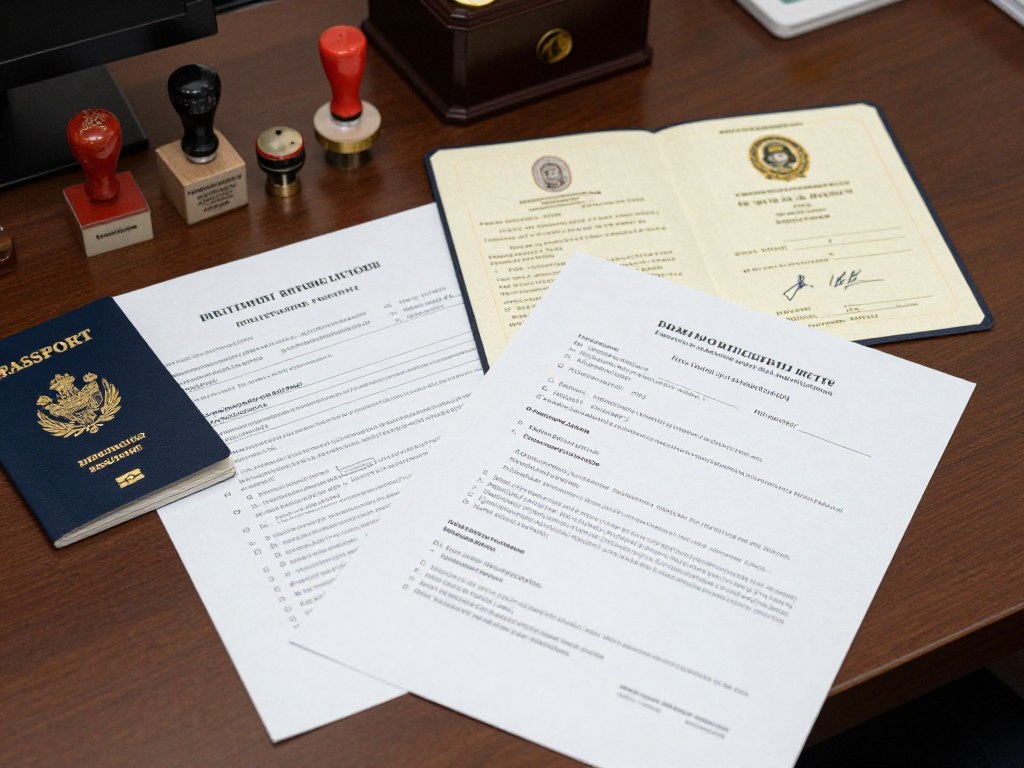
Understanding legal aspects protects your rights and ensures compliance. Surrogacy legal frameworks in India prioritize child welfare and prevent exploitation. NRI couples must navigate both Indian regulations and their country of residence laws.
The Surrogacy Regulation Act 2021 and corresponding rules establish comprehensive requirements. These laws cover eligibility, surrogate selection, clinic registration, and parental rights. Compliance with every aspect prevents legal complications later.
Your citizenship status determines eligibility for surrogacy in India. Indian citizens living abroad maintain access to surrogacy services. Overseas Citizen of India (OCI) cardholders also qualify under specific conditions. Foreign nationals without Indian citizenship cannot pursue surrogacy in India under the current law.
Required documentation includes proof of Indian citizenship or OCI status. Marriage certificates must show at least five years of marriage. Medical certificates from recognized institutions demonstrate infertility or medical necessity. All documents require proper authentication and often need translation if issued abroad.
Critical Requirement: NRI couples must ensure their citizenship documents are recognized by Indian authorities. Some countries do not permit dual citizenship, which can affect OCI eligibility and surrogacy access.
Establishing legal parentage represents a crucial concern for intended parents. Indian law recognizes intended parents as legal parents when surrogacy follows proper procedures. The birth certificate lists intended parents, not the surrogate mother.
The process requires a court order affirming parental rights. This legal step typically occurs shortly after birth. Our legal team handles all necessary filings and court appearances. Proper documentation ensures smooth citizenship acquisition for your child.
NRI couples must also consider their country of residence requirements. Some nations have specific rules about recognizing surrogacy arrangements. We help coordinate with legal experts in your country to ensure all requirements are met.
Planning for international travel requires preparation. The baby needs proper documentation before leaving India. This includes a birth certificate, passport, and any required visas or permits.
Processing times for these documents vary. Some countries recognize the child’s citizenship by descent immediately. Others require additional procedures. Starting this process early prevents extended stays in India after birth.
Many NRI couples benefit from coordinating with immigration attorneys. These professionals understand both Indian procedures and destination country requirements. This dual expertise streamlines the journey home with your new baby.
Our team works with experienced surrogacy attorneys who specialize in NRI cases. We help ensure full legal compliance and protect your parental rights throughout the process.

Understanding surrogacy cost in India is about 25 Lakhs INR to 40 Lakhs INR, based on your specific case and what services are needed. Expenses vary based on individual medical needs and specific circumstances. Transparent pricing helps intended parents budget appropriately for their journey.
The cost of surrogacy in India has changed significantly under new regulations. Since commercial surrogacy strictly prohibited, traditional compensation to surrogates is not permitted. However, medical expenses, insurance, and other costs remain substantial.
Medical procedures constitute the largest portion of surrogacy expenses. IVF treatment costs include medications, monitoring, egg retrieval, and embryo transfer. These procedures require specialized equipment and experienced medical professionals.
IVF cycle costs typically range from $3,000 to $5,000. Multiple cycles may be necessary to achieve pregnancy. Each cycle includes hormone medications, ultrasound monitoring, and laboratory procedures. Success rates vary based on maternal age and other factors.
Prenatal care throughout pregnancy includes regular checkups and ultrasounds. Delivery costs depend on whether vaginal delivery or cesarean section is required. Neonatal care may be necessary if complications arise. Comprehensive medical insurance helps manage unexpected expenses.
| Expense Category | Estimated Cost Range (USD) | Notes |
| IVF Treatment Cycle | $3,000 – $5,000 | Per cycle, may require multiple attempts |
| Medications | $1,000 – $2,000 | Hormone injections and supplements |
| Prenatal Care | $2,000 – $3,500 | Regular checkups and monitoring |
| Delivery | $2,500 – $5,000 | Hospital charges, higher for C-section |
| Legal Fees | $2,000 – $4,000 | Documentation and court proceedings |
| Insurance | $1,500 – $3,000 | Coverage for surrogate mother |
| Surrogate Expenses | $3,000 – $5,000 | Medical costs, maternity clothing, nutrition |
Legal fees cover documentation preparation and court proceedings. Attorneys ensure compliance with all regulatory requirements. These professionals handle parental rights establishment and birth certificate processing.
Administrative costs include application fees to medical boards and government authorities. Document authentication and translation may be required. These expenses vary depending on specific circumstances and document sources.
While commercial surrogacy is strictly prohibited, certain expenses related to the surrogate mother are permissible. Medical expenses throughout pregnancy must be covered. This includes routine care and any complications that arise.
Insurance coverage for the surrogate mother is mandatory. This policy covers pregnancy-related medical issues and delivery complications. Maternity clothing and nutritional supplements represent additional permitted expenses.
Loss of wages during pregnancy-related medical restrictions may be compensated. Transportation to medical appointments requires coverage. These costs vary based on individual circumstances and medical needs.
International travel represents a high cost for NRI couples. Multiple trips to India may be necessary throughout the process. Accommodation during extended stays adds to expenses. Some couples choose to be present for the birth, requiring several weeks in India.
Document processing for taking the baby abroad involves fees. Passport applications, citizenship documentation, and visa costs vary by country. Express processing options expedite these procedures but increase costs.
Every surrogacy journey has unique costs based on medical needs and circumstances. Contact us for a detailed, transparent cost breakdown specific to your situation.
Selecting the right fertility clinic determines your surrogacy success. Clinics vary in experience, success rates, and services offered. NRI couples need providers with specific expertise in international cases and legal compliance.
The right clinic provides comprehensive support beyond medical procedures. Legal guidance, documentation assistance, and coordination services make the process smoother. Experience with NRI couples ensures understanding of the unique challenges you face.
Clinic registration and accreditation indicate quality and compliance. The National Assisted Reproductive Technology and Surrogacy Board must register all surrogacy clinics. This registration ensures adherence to legal and ethical standards.
Medical expertise matters significantly. Look for clinics with experienced reproductive endocrinologists and embryologists. Success rates provide insight into clinical competence. Ask about experience specifically with NRI cases and international coordination.
Comprehensive support services distinguish exceptional clinics. NRI couples benefit from coordinators who handle logistics and communication. These professionals bridge time zones and cultural differences.
Travel assistance helps plan multiple trips to India. Accommodation recommendations near the clinic reduce stress. Some clinics partner with hotels offering special rates for medical travelers. Airport pickup services and local transportation arrangements demonstrate client-focused care.
Virtual consultation capabilities enable remote planning and monitoring. Video calls allow face-to-face discussions without travel. Digital document sharing streamlines the approval process. Regular updates keep you informed throughout the journey.
Legal expertise integrated with medical services simplifies the process. Clinics should have established relationships with surrogacy attorneys. These partnerships ensure smooth coordination of legal requirements.
Documentation preparation services save time and prevent errors. Experienced teams know exactly what authorities require. They guide you through each step, from initial applications to final parental rights establishment.
Post-birth documentation support proves invaluable. Birth certificate processing, passport applications, and citizenship documentation all require expert handling. Clinics with comprehensive services manage these procedures efficiently.
Verification Tip: Request to speak with previous NRI clients who completed their surrogacy journey with the clinic. First-hand experiences provide valuable insights into actual service quality and outcomes.
Our clinic specializes in supporting NRI couples through every stage. We understand the unique challenges of coordinating international surrogacy. Years of experience have refined our processes for efficiency and success.
We provide transparent pricing with no hidden fees. Our comprehensive cost estimates help you plan financially. Payment plans offer flexibility for managing expenses over time. We believe financial clarity reduces stress and builds trust.
Our medical team includes internationally trained specialists. State-of-the-art laboratory facilities ensure optimal embryo development. Success rates consistently exceed national averages. We employ the latest assisted reproductive technologies and techniques.

Finding a suitable surrogate mother represents one of the biggest challenges. Current laws require surrogates to be close relatives of intended parents. This restriction limits options significantly compared to previous commercial surrogacy arrangements.
The relationship with your surrogate mother profoundly affects the experience. Clear communication and mutual respect create positive dynamics. Understanding expectations from the beginning prevents misunderstandings later.
Indian law defines “close relative” specifically. This includes sisters, mother, mother-in-law, aunts, sisters-in-law, and first cousins. The surrogate must volunteer willingly without coercion or payment beyond permitted expenses.
Age requirements restrict surrogate candidates to women between 25 and 35 years. They must have at least one healthy biological child. This requirement demonstrates proven fertility and understanding of pregnancy. Medical and psychological fitness must be documented through proper evaluation.
Women can serve as surrogates only once in their lifetime. Previous surrogacy participation, even before current laws, disqualifies candidates. These restrictions aim to protect women’s health and prevent exploitation.
Comprehensive medical screening ensures surrogate health and pregnancy suitability. Tests evaluate reproductive health, general wellness, and the absence of infectious diseases. Psychological evaluation assesses emotional readiness and understanding of the process.
The surrogate undergoes counseling about the surrogacy process. This includes understanding medical procedures, pregnancy risks, and legal implications. Informed consent ensures she fully comprehends her role and responsibilities.
Medical preparation for embryo transfer begins after approval. Hormone medications prepare the uterine lining. Regular monitoring ensures optimal conditions for embryo implantation. The process typically takes several weeks before transfer can occur.
Establishing clear communication patterns prevents confusion. Discuss preferences about contact frequency and updates. Some families prefer regular communication, while others want medical updates only. Respect boundaries while maintaining necessary connections.
Cultural sensitivity matters when family members serve as surrogates. NRI couples may have different expectations than relatives in India. Open discussions about these differences create mutual understanding. Professional counseling can help navigate complex family dynamics.
Planning for after the birth helps manage expectations. Discuss how the relationship will continue once the baby is born. Some families remain close, while others prefer distance. There are no wrong answers, but clarity prevents hurt feelings.
Ongoing support benefits both surrogate mothers and intended parents. Regular medical monitoring ensures the pregnancy’s health. Emotional support helps surrogates navigate the experience. Many women experience complex feelings during a surrogacy pregnancy.
Our team provides counseling services throughout the process. This includes both individual and group sessions. Surrogates connect with others who understand their experience. Intended parents receive guidance on supporting their surrogate effectively.
We coordinate all medical care and maintain clear communication channels. Updates reach intended parents promptly, wherever they are in the world. Emergency procedures ensure a rapid response to any complications. Comprehensive support continues through delivery and the postpartum period.
Working with a family member as your surrogate requires special sensitivity and professional guidance. Our counselors and coordinators help create positive experiences for everyone involved.
Understanding success rates helps set realistic expectations. Multiple factors influence surrogacy outcomes. Age of the egg source, embryo quality, and surrogate health all play significant roles.
Surrogacy success rates in Indiacompare favorably to international standards. Modern IVF techniques and experienced medical teams achieve positive results. However, no clinic can guarantee pregnancy or live birth from any single cycle.
Maternal age significantly impacts success rates. Women under 35 have the highest success rates. Egg quality declines with age, affecting embryo viability. Many NRI couples pursuing surrogacy face age-related challenges.
Embryo quality determines implantation likelihood. Advanced genetic testing identifies the healthiest embryos. Preimplantation genetic testing screens for chromosomal abnormalities. This technology improves success rates while reducing miscarriage risk.
Surrogate mother health and uterine receptivity affect outcomes. Proper medical preparation optimizes implantation conditions. Our protocols ensure surrogates receive optimal care before and during the IVF process.
The complete surrogacy processtypically requires twelve to eighteen months. This timeline includes legal approvals, medical procedures, pregnancy, and birth. Individual circumstances may extend or shorten this period.
Initial legal and medical approvals often take two to three months. Finding and preparing a suitable surrogate mother adds time. IVF procedures require several weeks. If the first cycle doesn’t result in pregnancy, additional attempts extend the timeline.
Pregnancy lasts approximately forty weeks after successful embryo transfer. Post-birth documentation and travel arrangements require additional weeks. NRI couples should plan for flexibility in their timelines.
The surrogacy journey involves emotional highs and lows. Not every cycle results in pregnancy. Disappointment after failed attempts challenges even the most prepared couples. Support systems help navigate these difficult moments.
Celebrating milestones maintains positive momentum. Successful embryo transfer, positive pregnancy test, and an ultrasound heartbeat represent important victories. Sharing these moments with your surrogate creates bonding opportunities.
Our counseling services support intended parents throughout the journey. Individual and couples counseling address specific concerns. Support groups connect you with others who understand your experience. These resources help maintain emotional well-being during the process.
Success Strategy: Most couples who commit to multiple cycles, if necessary, achieve their goal of parenthood. Persistence combined with excellent medical care yields positive results in the vast majority of cases.

Some NRI couples cannot find eligible surrogates among close relatives. Others face medical or legal barriers to surrogacy in India. Understanding alternative options helps couples explore all paths to parenthood.
International surrogacy remains available in some countries. Different nations have varying laws and regulations. Research options carefully, considering legal, ethical, and practical factors. Professional guidance helps navigate complex international regulations.
Several countries permit surrogacy for international intended parents. The United States allows commercial surrogacy in many states. Canada permits altruistic surrogacy. Ukraine, Georgia, and some other nations have established surrogacy programs.
Each destination has unique requirements and costs. Legal recognition of parental rights varies significantly. Some countries provide straightforward processes, while others present complications. Research citizenship and immigration implications thoroughly.
Costs for international surrogacy typically exceed Indian prices significantly. American surrogacy often costs $100,000 to $150,000 or more. Other countries offer more affordable options but may have less developed medical infrastructure or legal frameworks.
Adoption provides another path to parenthood. Indian adoption regulations allow NRI couples to adopt children from India. The process involves different procedures from surrogacy but offers the opportunity to build a family.
The Central Adoption Resource Authority manages in-country and inter-country adoptions. Registration, home studies, and matching processes take considerable time. Patience and persistence are essential throughout adoption journeys.
Many couples find adoption deeply fulfilling. Providing a loving home to a child in need creates beautiful families. Different challenges arise compared to surrogacy, but the outcome brings equal joy.
When surrogacy through relatives proves challenging, creative solutions sometimes emerge. Extended family discussions might identify willing surrogates not initially considered. Approaching the topic sensitively respects cultural norms while exploring options.
Professional mediators help facilitate these delicate family conversations. They explain the medical and legal process clearly. Neutral third parties help prevent misunderstandings and manage expectations effectively.
Building strong relationships with potential surrogates takes time. Rushing decisions often lead to problems later. Careful consideration benefits everyone involved in the arrangement.

Proper preparation smooths your surrogacy journey. Understanding what to expect helps reduce stress and prevents surprises. Taking time to organize documents, finances, and logistics pays dividends throughout the process.
NRI couples face unique preparation challenges. Coordinating across time zones requires planning. Managing legal requirements in multiple jurisdictions demands attention to detail. Building a strong support team makes everything easier.
Gathering necessary documents early prevents delays. Some certificates take weeks to obtain. Starting this process before officially beginning surrogacy procedures saves time later.
Authentication requirements vary by document type and country of issue. Some papers need notarization, apostille, or embassy attestation. Understanding these requirements prevents rejection during the approval process.
Creating a comprehensive budget prevents financial stress. Include all anticipated expenses plus a contingency fund. Unexpected costs often arise during the process. Having reserves provides peace of mind.
Consider financing options if needed. Some clinics offer payment plans, spreading costs over time. Medical loans specifically for fertility treatments exist in some countries. Evaluate options carefully, understanding all terms and interest rates.
Plan for currency exchange considerations. Exchange rates fluctuate, affecting the actual cost in your home currency. Consider strategies to minimize exchange rate risk over the extended timeline.

Emotional support proves invaluable throughout the journey. Identify friends and family who will support your decision. Not everyone understands surrogacy immediately. Focus energy on those who offer encouragement and help.
Connect with other NRI couples who have completed surrogacy. Their experiences provide practical insights and emotional validation. Online communities offer connections when geographic distance separates you from others in similar situations.
Professional counseling supports mental health throughout the process. Fertility journeys often involve stress, disappointment, and complex emotions. Regular counseling sessions help process these feelings constructively.
Preparing for parenthood begins before the baby arrives. Research pediatric care in your home country. Identify doctors who will provide the baby’s medical care. Schedule initial appointments for shortly after your return.
Prepare your home for the new arrival. Set up the nursery and acquire necessary supplies. Having everything ready reduces stress during the transition period after birth.
Plan parental leave from work. Understand your employer’s policies and applicable laws. Some countries offer parental leave for surrogacy, while others do not. Clarify your situation well in advance.
Our comprehensive preparation guides help NRI couples organize every aspect of their surrogacy journey. From document checklists to emotional support resources, we provide everything you need.

Yes, NRI couples who are Indian citizens or OCI cardholders can pursue altruistic surrogacy in India. The Surrogacy Regulation Act 2021 permits surrogacy for married couples who meet specific criteria. You must be married for at least five years, have medical documentation of infertility, and find a willing close relative to serve as surrogate. Commercial surrogacy strictly prohibited, but altruistic arrangements remain legal for eligible Indian citizens living abroad.
The cost of surrogacy in India for NRI couples typically ranges from ,000 to ,000. This includes IVF procedures, medical care throughout pregnancy, delivery, legal fees, and insurance. Costs vary based on individual medical needs, number of IVF cycles required, and specific circumstances. Since commercial surrogacy strictly prohibited, traditional surrogate compensation is not included. However, all medical expenses, insurance, and permitted surrogate expenses must be covered by intended parents.
Indian law restricts surrogates to close relatives of intended parents. This includes sisters, mother (if age-appropriate), mother-in-law, aunts, sisters-in-law, and first cousins. The surrogate must be between 25 and 35 years old, married with at least one biological child, and willing to serve without financial compensation beyond permitted medical expenses. She can serve as surrogate only once in her lifetime and must pass comprehensive medical and psychological evaluations.
The complete surrogacy process typically takes twelve to eighteen months from initial consultation to bringing your baby home. This timeline includes two to three months for legal approvals and medical clearances, several weeks for IVF procedures, nine months of pregnancy, and additional time for post-birth documentation. NRI couples may need extra time for international travel coordination and processing documents for taking the baby to their country of residence. Individual circumstances may extend or shorten this timeline.
If you cannot find an eligible and willing surrogate among close relatives, you may need to consider alternative options. These include surrogacy in other countries that permit commercial arrangements for international intended parents, adoption through Indian or international programs, or continuing to explore extended family relationships. Professional counseling and mediation services can help facilitate sensitive family discussions about surrogacy. Some couples find that taking time to build relationships leads to willing surrogates they had not initially considered.
Citizenship for children born through surrogacy varies by country. Many nations grant citizenship by descent if at least one parent is a citizen. However, some countries have specific requirements for children born through assisted reproduction. Research your country’s laws thoroughly before beginning the surrogacy process. Working with immigration attorneys familiar with both Indian procedures and your destination country’s requirements ensures proper documentation. Some nations require additional procedures or court orders to recognize parental rights and grant citizenship.
Surrogate mothers undergo comprehensive medical and psychological screening. Medical tests include complete physical examination, reproductive health assessment, blood tests for infectious diseases, genetic screening, and evaluation of uterine health. Psychological evaluation assesses emotional stability, understanding of the surrogacy process, and ability to handle the emotional aspects. The surrogate must demonstrate proven fertility through having at least one previous successful pregnancy. All test results must meet strict criteria before approval to proceed with surrogacy.
Modern technology enables effective coordination from abroad. Virtual consultations via video calls allow face-to-face discussions with your medical team. Digital document sharing streamlines approval processes. Our coordinators manage logistics and provide regular updates regardless of time zones. You will need to visit India for certain key procedures like embryo creation and possibly the birth. Most clinics offer comprehensive support services including travel assistance, accommodation arrangements, and local coordination to minimize the burden on NRI couples.
Required legal documents include proof of Indian citizenship or valid OCI card, marriage certificate showing at least five years of marriage, medical certificates from recognized institutions documenting infertility, proof of age for both parents, and certificate confirming no existing children. These documents often require authentication through notarization, apostille, or embassy attestation depending on where they were issued. After the baby’s birth, you will need a court order establishing parental rights, birth certificate listing you as parents, and passport for the child before international travel.
Intended parents must cover all pregnancy-related medical expenses including routine care and any complications. Mandatory insurance for the surrogate protects against pregnancy-related health issues. You are responsible for providing maternity clothing, nutritional supplements, and transportation to medical appointments. Loss of wages during medical restrictions may be compensated. While commercial surrogacy strictly prohibited, these specific expenses are permitted and required. Maintaining respectful communication and showing appreciation for the surrogate’s contribution creates positive relationships throughout the process.
Additional Resources to Read:
Find Affordable Surrogacy Packages in India
In conclusion, working with a Surrogate Mother in India for NRI intended parents is generally not allowed under the current legal framework, making India an unsuitable option for most NRIs seeking surrogacy. While the law aims to regulate and protect all parties, it has also restricted access for international and non-resident individuals.
For a smoother and legally secure experience, NRIs should explore alternative destinations where surrogacy is permitted and well-regulated for international intended parents. With the right guidance and planning, it is still very much possible to achieve parenthood through surrogacy in a legally compliant and structured manner.
Schedule your free initial consultation with our NRI surrogacy specialists. We’ll answer your questions, assess your situation, and create a personalized roadmap for your journey. Contact us today to begin building your family.




Neelam is empathic and an awesome professional. She’s always available and eager to response to clients calls. She followed our process the way. Definitely recommend.
J&C
This whole journey has been absolutely wonderful. And I have such a beautiful daughter today. I have such an amazing army of family and friends surrounding me. She’s brought so much joy to everyone Especially me. I’m grateful that we moved forward I don’t know what I would do without her. So please let Mark now we made the right decision and yes I’m thinking about a second journey. I think it’s important to raise a child with a sibling. So two children seems like the right thing. Will make a final decision in the next 3 to 4 months.
S
Thank you so much for your handholding and for connecting me with everything. I am so grateful for the role that you’ve played. I’m the happiest father alive. Thank you so much for your guidance along the way. She’s adorable and I’m all gushy in love!!!
SE
Hoping to have wonder babies, we initiated the process with Neelam at IVF Conceptions. Her warm concerns and dedicated helps drive this process moving through frustrated change of surrogacy policy in India. Finally, the surrogacy was smoothly transferred to Russia and now, we saw our baby growing already. We greatly thank Neelam, who sincerely helped us to achieve our baby dream. There is no doubt that both IVF conceptions and IVF Sunrise provided excellent surrogacy service with transparent fund transactions.
PH
We are so glad to inform about arrival of twins for our single Intended Parent.. This was his first attempt with Asian egg donor and he was successful in first round of embryos transfer with twins. The pregnancy term was eventless and during routine visit on 34 weeks- doctor decided to CS as surrogate was 4 cm dilated. Babies are so cute and adorable and surrogate- doing well. It goes without saying J L is very delighted and busy dad!!!
JL
Author Bio: Neelam Chhagani is an International Surrogacy Expert with 15 years of experience in the fertility and surrogacy domain. As the founder of IVF Conceptions and Complete Surrogacy, she has guided over 4,000 intended parents worldwide on their surrogacy journey to parenthood. Recognized as a trusted authority, she specializes in holistic infertility solutions and third-party reproduction consulting.
Holding an MA in Counselling Psychology and a PGD in Mental Health, Neelam is a proud member of the European Fertility Society (EFS) and the European Society of Human Reproduction and Embryology (ESHRE). She is also a leading surrogacy blogger, providing valuable insights into ethical and practical surrogacy solutions.
Since 2010, committed to supporting ALL family types, Neelam has been passionate about helping intended parents grow their families with compassion, integrity, and a focus on secure and affordable surrogacy options Globally.
Learn more about Neelam:
https://www.ivfconceptions.com/neelam-chhagani-surrogacy-consultant/
https://www.linkedin.com/in/neelam-chhagani-92892229/



I was introduced to Neelam by a friend who worked with Neelam for surrogacy. Neelam is absolutely wonderful. I am a single male and the journey to fatherhood is not that easy. Neelam connected me to a program ideal for my circumstances. She was with me throughout the pregnancy providing advice and guidance along the way. I am so grateful I found her and am thrilled today that I have a beautiful daughter. I highly recommend Neelam to anyone who is on a journey to become a parent. Having a child has changed my world for the better. I wish others success with their own journey and recommend you connect with Neelam to find a path that is best for you.
SA (USA)