

Moving from fertility testing to surrogacy helps intended parents clearly understand each step involved in building a family when natural conception is not possible. The process typically begins with comprehensive fertility testing to assess egg quality, sperm health, hormone levels, and genetic factors, followed by personalized treatment planning such as IVF, ICSI, or fertility preservation.
If carrying a pregnancy is medically unsafe or unsuccessful, surrogacy becomes the next step, involving legal agreements, surrogate screening, embryo transfer, and pregnancy management. By approaching the journey in a structured and informed way, parents can reduce uncertainty, make timely decisions, and improve their overall chances of a successful and legally secure outcome.
Key Takeaways
- From Fertility Testing to Surrogacy is a stepwise process: testing → personalized ART plan → donor options → surrogacy planning.
- Early mapping improves outcomes, limits unexpected costs, and clarifies timelines for family planning services.
- Assisted reproduction techniques (IVF, PGT, embryo freezing) often determine whether surrogacy becomes part of the plan.
- The surrogacy process explained includes medical screening, legal coordination, and agency matching for safe, ethical care.
- Intended parents include single people, LGBTQ+ couples, and those with diminished ovarian reserve seeking infertility solutions.
📞 Get in Touch for a Free Surrogacy Consultation
📱 +91-8800481100 (WhatsApp | LINE | Viber)
📧 neelam@ivfconceptions.com
Understanding Fertility Testing and Initial Assessment
Starting your fertility journey begins with a clear assessment. Clinics use history, labs, and imaging to find infertility causes. This helps set expectations and plan treatments like IUI, IVF, or surrogacy.
Imaging and uterine assessment: HSG, saline sonogram, hysteroscopy
Imaging checks the uterus and tubes. HSG tests tubal patency and finds blockages.
Saline sonogram looks for uterine issues like polyps. Hysteroscopy is used for diagnosis and correction before embryo transfer.
These steps help plan for transfer or corrective procedures. Most test results come back in 10–21 days, helping plan your timeline.
| Test | Purpose | Typical turnaround |
|---|---|---|
| AMH | Estimate ovarian reserve to guide stimulation strategies | 3–7 days |
| AFC (transvaginal ultrasound) | Count resting follicles for cycle planning | Same day imaging |
| Day-3 FSH / LH / Estradiol | Assess ovarian function and predict response | 7–14 days |
| Hormonal panel (thyroid, prolactin) | Screen treatable endocrine contributors to infertility | 7–14 days |
| Semen analysis | Evaluate male fertility (volume, count, motility, morphology) | 1–5 days |
| HSG | Check tubal patency and uterine outline | 7–14 days |
| Saline sonogram | Detect polyps, fibroids, adhesions inside the uterus | Same day imaging |
| Hysteroscopy | Diagnostic and operative correction of intrauterine pathology | Schedule-dependent (often 1–3 weeks) |
Creating a Personalized Treatment Plan with IVF and Assisted Reproductive Technology
When test results suggest you need assisted reproductive technology, a reproductive endocrinologist will create a plan just for you. This plan fits your medical needs and personal schedule. It explains the IVF treatment options, the IVF process, and the fertility clinic services available to support you.

When IVF is recommended and what to expect
IVF is often suggested for several reasons, like tubal ligation issues, severe male factor, or advanced age. The team will discuss the timeline, success rates, and how they will monitor your progress. You’ll learn when to start and what to expect next.
Ovarian stimulation, egg retrieval, fertilization, and embryo culture
Ovarian stimulation lasts 8–14 days, using injectable medication to grow multiple follicles. Clinics use ultrasounds and blood tests to guide the process. Egg retrieval happens under light sedation, and sperm can be fresh or frozen at this time.
For diminished ovarian reserve, options include tailored stimulation protocols and using donor eggs. For patients over 40, a 12-month plan is often recommended. This plan allows for multiple cycles and recovery periods, aiming to maximize embryo yield while considering emotional and financial costs.
| Clinical Goal | Common ivf treatment options | Typical timeline | How fertility clinic services support |
|---|---|---|---|
| Maximize egg yield | Common IVF treatment options | 8–14 days per cycle; 1–3 cycles within 12 months | Frequent monitoring, medication management, lab coordination |
| Address male-factor infertility | High-dose stimulation, antagonist, or microdose flare protocols | Single cycle with same-day semen collection or prior cryopreservation | Andrology lab services, sperm processing, ICSI expertise |
| Prepare for surrogacy or donor use | PGT, embryo freezing (vitrification), donor egg cycles | PGT results 1–2 weeks; freezing allows flexible transfer timing | Legal coordination referrals, storage, cross-border transfer logistics |
| Reduce genetic risk | PGT-A/PGT-M with embryo selection | Biopsy at blastocyst stage; transfer after results and uterine prep | Genetic counseling, lab reporting, scheduling FET |
Talking about these options with the clinic helps understand costs, success chances, and how services will handle each step. Early planning for PGT and embryo freezing aligns medical care with legal and surrogacy arrangements.
Choosing IVF requires balancing medical strategy with emotional and logistical considerations. A personalized plan sets realistic expectations and guides you toward embryo transfer or working with a gestational carrier.
Donor Options and Egg Donation Programs
Choosing donor options and getting embryos ready for transfer involves clear steps. You’ll learn how egg donation programs work, who they help, and what to expect. This guide helps you understand family planning options and assisted reproduction techniques with realistic timelines.

Who benefits from donor egg donation?
A donor egg is often recommended for those with severely diminished ovarian reserve or premature ovarian insufficiency. Couples who have had failed IVF cycles with poor oocyte quality may consider egg donation. Single intended fathers and many LGBTQ+ parents use donor eggs to build a family. People without a uterus may pair a donor egg with a gestational carrier.
Finding and screening an egg donor
Clinics use in-house donor programs or agencies to match donors and intended parents. Agencies like Hatch are examples clinics refer to for matching support. Screening includes a full medical history, pelvic exam, and ultrasound to assess ovarian reserve.
It also includes infectious disease testing and a urine drug screen. Genetic screening covers carrier panels for common recessive conditions and reviews family history. Psychological assessment uses standardized tools to confirm donor understanding and consent. The typical turnaround for full screening is 14–21 days before a donor clears for stimulation.
Legal contracts and clinic coordination
Legal agreements are essential. Donors and intended parents sign contracts that define compensation, confidentiality, future contact, and medical consent. Reproductive law attorneys usually draft these documents. Timeframes vary by state and complexity, ranging from a few weeks to several months.
Clinics coordinate donor stimulation with sperm availability and lab schedules. Semen can be cryopreserved to allow flexibility. Clear communication between donor agencies and clinics reduces delays and aligns procedures with the chosen assisted reproduction techniques.
Typical timeline from donor selection to embryo creation
Average timing is three to six months from initial donor choice to embryo creation. A typical sequence looks like this:
- Donor selection and matching
- Medical, genetic, and psychological screening (about 2–3 weeks)
- Legal contract negotiation (weeks to months)
- Donor stimulation and egg retrieval (10–14 days)
- Fertilization and embryo culture (5–7 days)
- Optional PGT and results (1–2 weeks)
This timeline feeds into 6- and 12-month family planning options when planning embryo availability or potential surrogacy transfers.
| Stage | Typical Duration | Key Actions |
|---|---|---|
| Donor Matching | 1–6 weeks | Agency or clinic match, review profiles, choose donor |
| Medical & Genetic Screening | 14–21 days | History, ultrasound, infectious disease testing, carrier screening |
| Psychological Assessment | 1–2 weeks | Standardized evaluation and informed consent |
| Legal Contracts | 2 weeks–3 months | Attorney review, compensation, confidentiality, contact terms |
| Stimulation & Retrieval | 10–14 days | Medication cycle, monitoring, egg retrieval |
| Fertilization & Embryo Culture | 5–7 days | ICSI/IVF, embryo development, selection |
| PGT & Final Results | 1–2 weeks | Biopsy, lab testing, result reporting |
From Fertility Testing to Surrogacy
After fertility tests and IVF, many look into gestational surrogacy. This choice is safer for those with uterine issues or high pregnancy risks. Single dads and gay couples often pick this path to start a family.
When intended parents choose gestational surrogacy
Surrogacy is often a medical necessity. If the uterus can’t support a pregnancy or if health risks are high, a gestational carrier is safer. This choice fits with the couple’s reproductive plans and timeline.
Differences between gestational carrier and traditional surrogacy
A gestational carrier carries an embryo with no genetic link to her. The embryos come from the intended parents or donors. This method is simpler legally and clarifies who the parents are. Traditional surrogacy, using the surrogate’s egg, creates a genetic link and raises legal and ethical questions. Most clinics now prefer gestational carriers.

Combining IVF, egg donation, and surrogacy for alternative family building
When an intended parent’s eggs are not viable, egg donation is a reliable option. Donor eggs, IVF, and preimplantation testing create embryos that are frozen until a gestational carrier is ready. This method helps single parents, LGBTQ+ couples, and those with genetic concerns build their families.
The surrogacy process involves medical screening, legal contracts, and timing coordination. The timeline varies: creating embryos with donor eggs takes three to six months. Matching with a surrogate and legal steps add another 6-12 months. These steps help intended parents plan financially, travel, and emotionally, relying on proven reproductive technology.
Navigating the Surrogacy Process and Working with Surrogacy Agencies
Starting your journey to parenthood through gestational surrogacy requires early planning. Compare different surrogacy agencies and clinics to find the best fit for your needs, budget, and timeline.
Finding a surrogate mother often starts with a reputable agency or clinic like Hatch. They match you based on medical history, lifestyle, and personality. Wait times can vary, taking weeks or months, depending on demand.
Medical screening for the surrogate involves several steps. These include a pelvic exam, ultrasound, and tests for infectious diseases. Results usually come back in ten to fourteen days. After approval, the legal process and preparation for the cycle begin.
The table below outlines key milestones, services, and cost drivers for three common timelines. This helps in planning and discussing with clinics and attorneys.
| Timeline | Typical Milestones | Services & Screening | Primary Cost Drivers |
|---|---|---|---|
| 6 months | Surrogate match; screening; one FET cycle; birth planning | Agency intake; medical screens; legal contract; FET protocol | Agency fees, surrogate base compensation, IVF/FET, legal retainer |
| 12 months | Match; screening; multiple cycles if needed; pre-birth orders | Expanded clinic coordination; repeat screening; insurance reviews | Additional IVF cycles, extended legal work, possible travel |
| 18 months (including international) | Match in destination country; travel planning; birth and repatriation | International clinic coordination; visa and consular steps; extended monitoring | Travel, accommodations, international legal fees, extended contingency funds |
Timeline Planning, Emotional Support, and Practical Logistics
Planning your timeline carefully helps set realistic goals and avoid surprises. Many clinics offer roadmaps for 6-, 12-, and 18-month options. These plans match different medical needs and travel constraints. They make it easier to talk to surrogacy agencies and understand the process step by step.
6-month map
This fast path is for parents who want quick care and fast results. The first two months focus on tests like AMH and semen analysis. Months 3–4 cover ovarian stimulation and embryo freezing. Months 5–6 include a frozen embryo transfer or deciding on another cycle.
12-month map
The 12-month plan gives more time for testing, budgeting, and getting ready emotionally. The first three months are for full diagnostics and financial planning. Months 4–6 include an IVF cycle and PGT if chosen. Months 7–9 are for a second attempt or transfer window and counseling. Months 10–12 focus on legal consultations and final preparations.
18-month map
Longer timelines are for cross-border care or complex medical workups. Months 1–3 include choosing a destination and clinic. Months 4–8 are for embryo creation and donor coordination. Months 9–12 cover finding a surrogate and completing contracts. Months 13–18 are for pregnancy monitoring, travel, and citizenship steps.
Cross-border logistics
Plan for visa windows, flight availability, and local laws, adding 3–6 months. Confirm legal requirements and citizenship rules early. Schedule travel for key appointments and delivery when needed.
Emotional resilience and support
Surrogacy journeys have highs and lows. Use counseling, support groups, and mindfulness. Keep everyone in regular communication. Expect emotional ups and downs and build routines to reduce stress.
Coordinating work, finances, and schedules
Use patient portals, shared calendars, and budgets to plan. Discuss options like semen cryopreservation for flexibility. Allocate funds for unexpected costs. Clear plans reduce stress and keep focus on care.
| Timeline | Best For | Key Milestones | Extra Considerations |
|---|---|---|---|
| 6-month | Urgent timelines; local care; donor-intended cycles | Diagnostics → Stim/ retrieval → PGT/ freeze → FET | Fast decisions; limited time for legal or travel prep |
| 12-month | Most intended parents, mild DOR, standard IVF | Full diagnostics → IVF & PGT → second attempt/ transfer → legal prep | Balance of speed and flexibility; room for counseling |
| 18-month | Cross-border programs; complex medical cases | Clinic/destination choice → embryo/donor work → surrogate matching → pregnancy & travel | Visa, citizenship, and insurance steps; extended budget planning |
Additional Resources to read:
Can Acupuncture Treat Infertility
BMI Requirements for Surrogacy
Conclusion
The journey from fertility testing to surrogacy is a step-by-step process. It starts with a detailed assessment and clear goals. A thorough evaluation at a fertility clinic helps identify medical needs.
This evaluation informs a personalized plan for assisted reproduction. For many, this plan includes IVF. Some may also consider donor options or egg donation programs.
Choosing gestational surrogacy means working with reputable clinics and experienced attorneys. Creating a timeline helps manage the process and can reduce costs. However, flexibility is key due to changes in medical results, travel rules, and emotional readiness.
Intended parents and prospective surrogates should seek help from board-certified doctors. Look for established programs like the Center for Reproductive Medicine. It’s important to focus on ethical and legally sound options.
Combine medical care with financial planning and emotional support. This makes complex reproductive health options more manageable.
Take practical steps next. Schedule a fertility consultation to plan the best timeline and treatment. Start financial planning and connect with support resources. These actions make the journey safer, more transparent, and focused on the best outcomes.
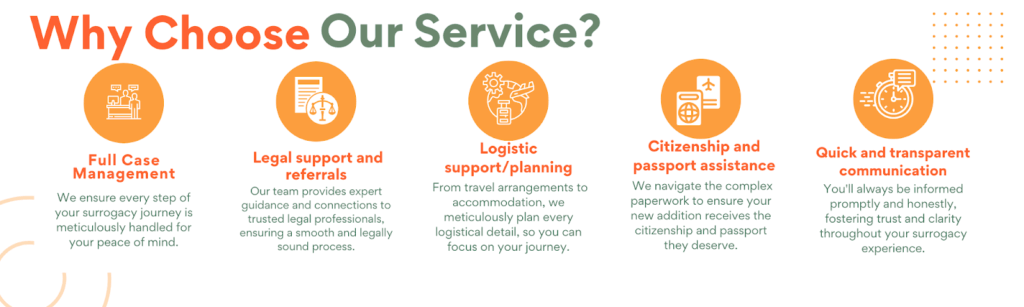
💫 Why Intended Parents Choose Complete Surrogacy for a Safe, Smooth & Successful Surrogacy Journey:
🌍 Access to multiple surrogacy destinations with 15+ years of international experience
🏥 Partnerships with top-tier fertility clinics and agencies, backed by references from past clients
👩🦱 Diverse egg donor options: Asian, Caucasian, African, Oriental, and more
💸 Transparent and affordable pricing—direct payments with no extra agency fees
🔒 No hidden costs—all charges are agreed upon upfront
🤝 Dedicated case manager for personalized support
📲 Fast, honest, and clear communication throughout
📑 Full legal support for visas, documentation, and baby exit processes
🚚 Assistance with frozen sperm/embryo shipment logistics
FAQ: From Fertility Testing to Surrogacy
What is the purpose of fertility testing and how does it shape a treatment plan?
Fertility testing finds out why someone can’t get pregnant. It sets realistic hopes and picks the right treatment. Tests like AMH, AFC, and semen analysis help doctors make a plan.
Which common fertility tests are used for people who produce eggs?
Tests for egg producers include AMH and AFC. These tests check how many eggs a woman might have. Day-3 FSH/LH and estradiol tests are also used.
What male-factor testing should be expected and when is semen cryopreservation recommended?
Men get a semen analysis to check volume, concentration, and motility. More tests might be needed. Semen cryopreservation is suggested when timing is uncertain.
What imaging and uterine assessments are part of initial fertility workups?
Initial tests include an HSG to check the tubes and a saline sonogram for the uterus. Hysteroscopy might be needed for more detailed checks.
When is IVF recommended and what should intended parents expect in an IVF cycle?
IVF is suggested for many reasons, like tubal issues or advanced age. It involves 8–14 days of ovarian stimulation and monitoring.
How do PGT and embryo freezing affect surrogacy or future transfer timelines?
PGT gives genetic info in 1–2 weeks. Embryo freezing preserves them for later use. This shortens future timelines.
What IVF options help people with diminished ovarian reserve or age-related concerns?
Options include tailored stimulation protocols and multiple retrieval cycles. Using donor eggs is also an option. These strategies help maximize embryo yield.
Who typically benefits from egg donation programs?
Egg donation helps those with severe diminished ovarian reserve or premature ovarian failure. It’s also for those with failed IVF due to poor egg quality.
How are egg donors found and screened?
Egg donors are matched through agencies or in-house programs. Screening includes medical history, ultrasound, and infectious disease panels.
What legal contracts and coordination are needed for egg donation?
Legal agreements outline compensation, confidentiality, and future contact. They also cover medical consent and parental rights. These contracts and clinic scheduling must sync donor stimulation with sperm availability.
What is the typical timeline from donor selection to embryo creation?
The average timeline is 3–6 months. It includes donor selection, medical and genetic screening, and legal contracts.
When do intended parents opt for gestational surrogacy?
Gestational surrogacy is chosen when carrying is unsafe. This includes an absent uterus, recurrent pregnancy loss, or high medical risk.

Author Bio: Neelam Chhagani is an International Surrogacy Expert with 15 years of experience in the fertility and surrogacy domain. As the founder of IVF Conceptions and Complete Surrogacy, she has guided over 4,000 intended parents worldwide on their surrogacy journey to parenthood. Recognized as a trusted authority, she specializes in holistic infertility solutions and third-party reproduction consulting.
Holding an MA in Counselling Psychology and a PGD in Mental Health, Neelam is a proud member of the European Fertility Society (EFS) and the European Society of Human Reproduction and Embryology (ESHRE). She is also a leading surrogacy blogger, providing valuable insights into ethical and practical surrogacy solutions.
Since 2010, committed to supporting ALL family types, Neelam has been passionate about helping intended parents grow their families with compassion, integrity, and a focus on secure and affordable surrogacy options Globally.
Learn more about Neelam:
https://www.ivfconceptions.com/neelam-chhagani-surrogacy-consultant/
https://www.linkedin.com/in/neelam-chhagani-92892229/















I was introduced to Neelam by a friend who worked with Neelam for surrogacy. Neelam is absolutely wonderful. I am a single male and the journey to fatherhood is not that easy. Neelam connected me to a program ideal for my circumstances. She was with me throughout the pregnancy providing advice and guidance along the way. I am so grateful I found her and am thrilled today that I have a beautiful daughter. I highly recommend Neelam to anyone who is on a journey to become a parent. Having a child has changed my world for the better. I wish others success with their own journey and recommend you connect with Neelam to find a path that is best for you.
SA (USA)