

Choosing the right donor is a crucial step, and following practical egg donor selection tips for surrogacy and IVF can greatly improve treatment outcomes. Intended parents should look beyond physical resemblance and focus on factors such as the donor’s age, medical and genetic history, fertility screening results, and prior donation success, as these directly impact embryo quality.
Psychological screening, lifestyle habits, and transparency in medical records are equally important to reduce future risks. Whether selecting an anonymous or known donor, working with a reputable clinic or agency that follows strict screening protocols ensures a safer, more informed decision and increases the chances of a successful pregnancy.
Key Takeaways
- Donor egg selection improves odds: donor egg IVF success rates often exceed 50% per cycle.
- Age matters: ideal donors are usually between 21 and 32, preferably under 35.
- Match on multiple axes: physical traits, medical history, and psychosocial fit all matter.
- Know your pathways: clinic donors, egg banks, and agencies each have different screening and legal frameworks.
- Plan for emotions and support: legal counsel and counseling are essential for ethical, well-informed choices.
📞 Get in Touch for a Free Surrogacy Consultation
📱 +91-8800481100 (WhatsApp | LINE | Viber)
📧 neelam@ivfconceptions.com
Understanding Donor Egg Basics and Who Benefits
This brief explains donor egg basics and who may benefit. It frames the choices for intended parents and gestational carriers. Readers will find clear steps and a clinical context that pair with any surrogacy process guide they consult.
What is a donor egg, and how does donor egg IVF work
A donor egg is an oocyte given by a woman to help another person or couple achieve pregnancy. Fertilization occurs via in vitro fertilization using intended parent sperm or donor sperm.
The laboratory process includes fertilization in vitro, embryo culture to the blastocyst stage (commonly day 5), and selection of the best embryo(s) for transfer to the gestational carrier’s uterus. Extra embryos may be cryopreserved for later use.
Roles are defined early. Intended parent(s) supply sperm when needed. The gestational carrier carries the pregnancy without a genetic link in gestational surrogacy models. Clear protocols make coordination smoother during the surrogacy egg donor process.
Common reasons to use donor eggs
Medical indications include primary ovarian insufficiency, low ovarian reserve, poor egg quality, or ovarian damage from chemotherapy. Donor eggs can be an option after repeated IVF failures linked to egg quality.
Genetic reasons influence some choices. Couples may select donor eggs to avoid passing on serious heritable conditions. That decision often follows genetic counseling and testing.
Social and practical reasons matter for many families. Same-sex male couples commonly use donor eggs along with a gestational carrier. Others choose donor eggs for predictable timelines and higher embryo quality.
Donor egg IVF success context
Donor egg IVF success rates are often higher than autologous cycles because donors are usually younger and produce stronger eggs. U.S. national averages commonly exceed 50% per cycle. Some clinics report rates above 60% per transfer.
Factors that affect outcomes include egg donor age and ovarian response, sperm quality, laboratory protocols such as culture to blastocyst, and the uterine health of the carrier. Coordinated clinical care improves the odds.
International comparisons show variation. Certain Canadian centers report 60–70% per transfer in selected programs. Clinic guarantees in frozen egg or embryo programs exist, but intended parents should verify specifics and read contracts carefully, following IVF egg donor criteria and the wider surrogacy process guide.
Finding and Choosing an Egg Donor: Practical Match Criteria
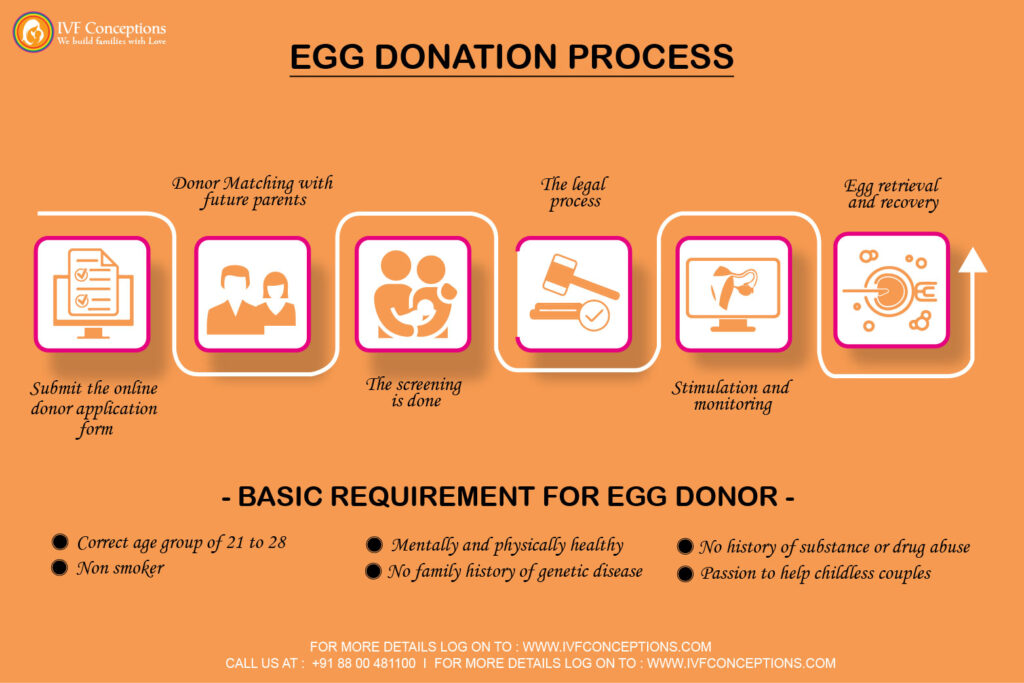
Choosing an egg donor starts with clear priorities. Intended parents should outline visible traits, medical safeguards, and personality qualities before reviewing profiles. This approach helps with finding the right egg donor through a structured egg donor matching process that balances resemblance, health, and long-term fit.
Physical and demographic characteristics
Many parents start by listing hair color, eye color, height, skin tone, and ethnicity. These traits help imagine family resemblance. They form the first filter in choosing an egg donor and shape the search within egg banks or agency catalogs.
Location matters for logistics and cost. Local donors reduce travel and coordination burdens. National or international pools expand diversity and access to the best egg donor profiles through agencies and cross-border specialists.
Repeat donors can offer consistency. Donors with proven ovarian response and prior successful retrievals often appear in the best egg donor criteria. Ask clinics about guarantees, such as minimum blastocyst yield when frozen egg programs are involved.
Personality, education, and psychosocial profile
Profiles list education and achievements. Clinics warn against assuming IQ from degrees alone. Some donors are students who use compensation to support their studies. Look for context rather than a single credential when reviewing the best egg donor profiles.
Practical tips improve the search. Create a ranked checklist of negotiables versus non-negotiables with your partner. Use gut instinct and counseling when you feel stuck. Work with clinic or agency match teams to produce curated shortlists, making the egg donor matching process more efficient.
| Match Area | What to Look For | Why It Matters |
|---|---|---|
| Physical traits | Hair, eyes, height, skin tone, ethnicity | Helps intended parents visualize resemblance and social comfort |
| Location & logistics | Local availability, travel needs, agency reach | Reduces costs and simplifies coordination for retrievals or transfers |
| Reproductive history | Prior cycles, ovarian response, parity | Predicts stimulation success and egg yield |
| Genetic screening | Carrier tests, family history, genetic counseling | Minimizes hereditary disease risk for the child |
| Psychosocial profile | Personality, communication style, mental health screening | Increases long-term satisfaction and reduces relational complications |
| Practical policy | Compensation range, legal terms, repeat-donor data | Sets expectations and protects all parties under surrogate mother requirements |
Egg Donor Screening, Agencies, and Legal/Logistical Considerations
The journey from applying to embryo transfer includes medical checks, legal steps, and practical choices. It’s important to understand the egg donor screening process and the donor options. This helps plan timing, budget, and expectations.
Choosing between clinic donors, egg banks, and agencies
Clinic donors are recruited in-house. They offer tight coordination with local IVF teams and predictable cycle timing. Clinic staff manage stimulation and retrieval on-site.
Compare clinic donors vs agency donors by weighing local coordination against wider selection. Check repeat-donor or frozen-embryo programs and verify guarantees, success metrics, and refund policies before committing.
Legal contracts, donor anonymity, and rights

Contracts outline compensation, reimbursements, consent for gamete use, and release of parental rights. Intended parents should have agreements reviewed by attorneys experienced in reproductive law.
Decide whether to use anonymous donors or known/open donors. Anonymity limits contact; known arrangements allow some future communication. Laws differ by state and country, so plan according to where transfer and birth will occur.
In U.S. gestational surrogacy using proper agreements, donors generally have no parental rights. International rules vary. Clinics and agencies follow ASRM and FDA guidance for testing and documentation. Ask your team for proof of compliance and copies of screening results to support informed decisions.
Practical checklist for next steps
- Request a detailed timeline for the egg donor screening process and expected milestones.
- Compare pricing and guarantees among clinic donors, egg banks, and the best egg donor agencies you research.
- Ask about IVF donor matching policies and how profiles are validated.
- Have legal counsel review all contracts for donor anonymity, parental rights, and cross-border logistics.
- Confirm documentation for infectious disease testing and genetic screening before pay-in or scheduling.
Managing emotions and grief
Switching to donor conception can make you feel sad for the genetic outcome you lost. This sadness is normal and helps you move forward. Recognizing it can make you feel less alone and clearer about your choices.
Get professional help early. Fertility counselors, therapists, and support groups can offer coping strategies. Many clinics also offer services like acupuncture or Fertile Yoga to help with therapy.
Talk openly with your partner about your feelings. Discussing what you both need can prevent misunderstandings. Joint counseling can help align your priorities and make decisions easier.
Decision-making strategies and team support
Make a checklist for choosing an egg donor. List must-haves and flexible traits to simplify the process.
Seek expert advice. Genetic counselors can explain carrier testing and risks. Reproductive endocrinologists can discuss clinical expectations. Mental health professionals and legal counsel can guide emotional and legal choices.
Always consider ethics. Respect donor welfare with informed consent, mental health checks, and fair pay where allowed. Be transparent in the surrogate screening process and have clear contracts to protect everyone.
| Area | Practical Step | Why it Helps |
|---|---|---|
| Emotional care | Engage a fertility counselor and join peer support | Normalizes grief and builds coping skills |
| Partner alignment | Use joint sessions to set negotiables | Reduces conflict and clarifies priorities |
| Medical input | Consult genetic counselors and REI specialists | Informs risk assessment and realistic expectations |
| Bonding | Practice attachment-focused caregiving | Strengthens parent–child relationship regardless of genetics |
| Epigenetic care | Prioritize prenatal nutrition and stress reduction | Supports healthy gene expression during pregnancy |
| Ethics & logistics | Review contracts and confirm surrogate screening process | Protects rights and ensures transparent arrangements |
| Decision tools | Create must-have vs. flexible checklists | Streamlines matches and eases selection stress |
Additional Resources to read:
Can Acupuncture Treat Infertility
BMI Requirements for Surrogacy
Conclusion
Choosing an egg donor is a mix of science and personal values. Medical studies show that younger donors have better success rates. But parents also look at the donor’s looks, health, and personality.
Legal and ethical rules are also key. These include strict screening, clear contracts, and choices about anonymity. These are the main steps for picking an egg donor in surrogacy and IVF.
What to do next is important. Talk to a doctor and build a team with a genetic counselor, mental health expert, and lawyer. Make a list of what you want in a donor and choose the best option for you.
Support and checking facts are crucial. Many people become parents with donor eggs and surrogacy. But, they might feel sad or have mixed feelings. It’s important to get counseling.
Before choosing, check the clinic’s success rates and make sure the screening is thorough. Also, make sure there are legal protections. This way, families are built safely and with respect.
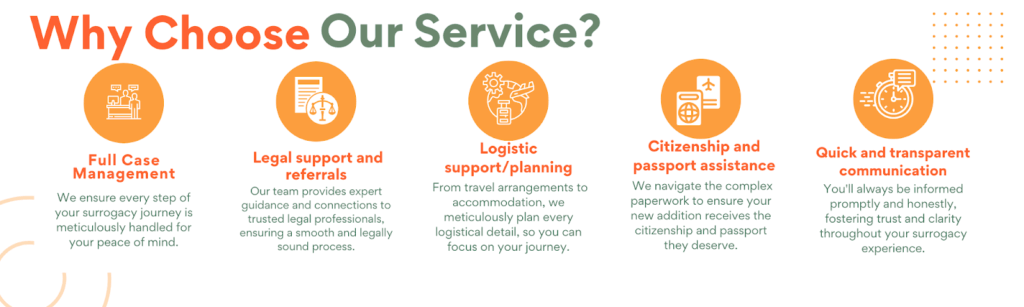
💫 Why Intended Parents Choose Complete Surrogacy for a Safe, Smooth & Successful Surrogacy Journey:
🌍 Access to multiple surrogacy destinations with 15+ years of international experience
🏥 Partnerships with top-tier fertility clinics and agencies, backed by references from past clients
👩🦱 Diverse egg donor options: Asian, Caucasian, African, Oriental, and more
💸 Transparent and affordable pricing—direct payments with no extra agency fees
🔒 No hidden costs—all charges are agreed upon upfront
🤝 Dedicated case manager for personalized support
📲 Fast, honest, and clear communication throughout
📑 Full legal support for visas, documentation, and baby exit processes
🚚 Assistance with frozen sperm/embryo shipment logistics
FAQ: Egg Donor Selection Tips for Surrogacy and IVF
How should intended parents manage grief and complex emotions during donor selection?
Transitioning to donor conception can be emotional. Seek support from fertility counselors and therapists. Support groups and clinics offer resources.
Will using a donor egg affect bonding or the child’s development?
Research shows parents bond well with donor-conceived children. Parenting behaviors shape attachment more than genetics. The gestational carrier’s role is crucial.
What decision-making tools and team members should we use when selecting a donor?
Create a checklist of must-haves and flexible traits. Ask for curated shortlists from match teams. Build a team of experts.
What ethical considerations should guide donor selection?
Ethical selection prioritizes donor welfare. Ensure informed consent and fair compensation. Avoid discriminatory practices and ensure transparent contracts.
How do epigenetics and the uterine environment factor into surrogacy outcomes?
Epigenetics means the mother’s environment affects the embryo. Good prenatal care and a healthy carrier improve outcomes. The carrier’s role is key in development.
What practical next steps should intended parents take after deciding to pursue donor egg IVF with surrogacy?
Discuss candidacy with a fertility specialist. Assemble a care team and create donor criteria. Decide on clinics, banks, or agencies based on needs and budget.
Where can intended parents find reputable egg donor agencies or egg banks?
Many clinics recommend agencies and banks. Look for transparent screening and success metrics. Check for compliance with ASRM and FDA guidelines.
How much does an egg donor receive and what ages are typical?
In the U.S., donors are paid $5,000 to $15,000 per cycle. Most donors are 21–32 years old. Compensation varies by agency and donor profile.
What should we ask about guarantees or outcome assurances from egg banks or programs?
Ask about guarantees on eggs, blastocysts, or transfers. Check success metrics and refund policies. Verify guarantees apply to live birth or blastocyst formation.
How can intended parents prepare for future conversations with their child about donor conception?
Collect donor information and consider counseling. Discuss family values on openness. Experts recommend early, honest disclosure.
What are common pitfalls to avoid during the egg donor matching process?
Avoid rushing and over-prioritizing superficial traits. Don’t neglect legal review and psychosocial support. Read guarantees carefully.
How does a gestational carrier’s screening intersect with the egg donor selection process?
Gestational carrier screening checks medical and psychological suitability. Uterine health and prior pregnancy outcomes are crucial. Clinics coordinate cycles for optimal timing.

Author Bio: Neelam Chhagani is an International Surrogacy Expert with 15 years of experience in the fertility and surrogacy domain. As the founder of IVF Conceptions and Complete Surrogacy, she has guided over 4,000 intended parents worldwide on their surrogacy journey to parenthood. Recognized as a trusted authority, she specializes in holistic infertility solutions and third-party reproduction consulting.
Holding an MA in Counselling Psychology and a PGD in Mental Health, Neelam is a proud member of the European Fertility Society (EFS) and the European Society of Human Reproduction and Embryology (ESHRE). She is also a leading surrogacy blogger, providing valuable insights into ethical and practical surrogacy solutions.
Since 2010, committed to supporting ALL family types, Neelam has been passionate about helping intended parents grow their families with compassion, integrity, and a focus on secure and affordable surrogacy options Globally.
Learn more about Neelam:
https://www.ivfconceptions.com/neelam-chhagani-surrogacy-consultant/
https://www.linkedin.com/in/neelam-chhagani-92892229/












I was introduced to Neelam by a friend who worked with Neelam for surrogacy. Neelam is absolutely wonderful. I am a single male and the journey to fatherhood is not that easy. Neelam connected me to a program ideal for my circumstances. She was with me throughout the pregnancy providing advice and guidance along the way. I am so grateful I found her and am thrilled today that I have a beautiful daughter. I highly recommend Neelam to anyone who is on a journey to become a parent. Having a child has changed my world for the better. I wish others success with their own journey and recommend you connect with Neelam to find a path that is best for you.
SA (USA)