

Understanding how lifestyle choices today affect fertility in 5–10 years is essential for anyone planning future parenthood, as daily habits have long-term effects on reproductive health. Factors such as poor diet, smoking, excessive alcohol use, chronic stress, lack of exercise, and exposure to environmental toxins can gradually damage egg and sperm quality, disrupt hormone balance, and reduce natural fertility over time.
On the other hand, maintaining a healthy weight, eating nutrient-rich foods, managing stress, and getting adequate sleep can help preserve reproductive potential and improve outcomes if IVF or surrogacy is needed later. Making informed lifestyle choices early can significantly increase the chances of a healthy pregnancy in the future.
Key Takeaways
- Current habits influence future fertility: small changes now can change outcomes in 5–10 years.
- Infertility rates are rising; plan for future fertility and current lifestyle decisions early.
- Main modifiable risks: delayed childbearing, weight and diet, substance use, sleep, stress, and toxins.
- Some issues are reversible (e.g., ovulatory infertility with weight loss); multiple risks add together.
- Use proactive fertility care (preconception screening, counseling) to optimize chances.
📞 Get in Touch for a Free Surrogacy Consultation
📱 +91-8800481100 (WhatsApp | LINE | Viber)
📧 neelam@ivfconceptions.com
Understanding the science: long-term effects of lifestyle on fertility
Understanding how choices today shape reproductive outcomes years from now helps address future fertility concerns. Science links aging and fertility with modifiable behaviors. This section outlines key mechanisms, how age modifies risk, and what population data reveal about long-term fertility effects.
How aging interacts with lifestyle to change fertility over 5–10 years
Female Fertility capacity depends on a fixed ovarian reserve. Egg number and quality fall with age, with an accelerated decline after about 35 years. That decline combines with lifestyle patterns such as smoking, obesity, and excessive alcohol to lower conception chances.
Male Fertility health shows steady declines in semen volume, motility, and morphology starting around the mid-30s. Paternal age can affect sperm DNA integrity, telomere dynamics, and epigenetic marks. When adverse habits coexist with advancing age, the impact on fertility factors becomes greater than either alone.
Biological mechanisms linking lifestyle factors to fertility decline
Oxidative stress is a central pathway. Tobacco, heavy drinking, certain environmental toxins, and excess adiposity raise reactive oxygen species that damage sperm DNA and oocytes. That damage reduces natural conception rates and lowers success with assisted reproductive techniques.
Hormonal dysregulation forms another pathway. Insulin resistance and obesity alter sex steroid balance, disrupt ovulation, and worsen conditions such as polycystic ovary syndrome. Severe calorie restriction or intense exercise can suppress the hypothalamic–pituitary–ovarian axis and stop menstrual cycles.
Changes in gonadal microarchitecture occur with metabolic stress. High‑fat diets and chronic inflammation impair Sertoli and Leydig cell function in testes and disrupt folliculogenesis in ovaries. Untreated sexually transmitted infections can cause tubal damage through inflammatory scarring, reducing fertility independently of age.
Population-level data and trends relevant to future fertility
Global reviews report infertility affecting roughly 15% of couples in developed settings and higher proportions worldwide. Demographic shifts toward later childbearing for education and careers have raised the average age at first birth, adding to future fertility concerns.
Large observational studies show additive effects: couples with multiple adverse lifestyle factors have markedly lower 12‑month conception rates than those without risk factors. Public health analyses suggest a substantial share of preventable fertility loss stems from modifiable behaviors, yet gaps in awareness persist about the real limits of fertility treatments.
Key lifestyle factors that predict fertility outcomes in the next 5–10 years
Small, consistent habits today shape reproductive potential later. This section outlines the main lifestyle drivers that clinicians watch when estimating future fertility and the long-term impact of lifestyle fertility risks.
Delayed childbearing changes the odds over time. Women who postpone their first birth into their late 30s or 40s face lower fecundability and reduced assisted reproductive technology success. Men experience gradual declines in semen quality and increased DNA fragmentation with age. Counseling is often recommended when couples consider delayed childbearing to help preserve options.
Nutritional status, weight, and diet patterns affect ovulation and sperm quality. Obesity and underweight states each disrupt hormone balance, increase insulin resistance, and raise the risk of anovulation or poor semen parameters. Diets high in fruits, vegetables, whole grains, legumes, and fish tend to support better sperm concentration and lower DNA damage, a key point in nutrition and fertility planning.
Eating disorders such as anorexia nervosa and bulimia nervosa can stop ovulation. Long-term undernutrition or cycles of bingeing and purging contribute to infertility in a meaningful share of clinic patients. Weight stabilization and targeted nutritional therapy improve reproductive outcomes.
Smoking, alcohol, caffeine, and recreational drugs each carry measurable risks. Smoking accelerates ovarian aging and harms sperm count, motility, and morphology. Alcohol in heavy amounts links to ovulatory dysfunction and altered sex hormones.
Physical activity, sleep, and shift work shape hormonal rhythms that support fertility. Moderate exercise tends to improve fertility markers. Excessive, intense training can suppress ovulation and lower progesterone. Night-shift schedules and poor sleep disturb circadian cues and reproductive hormones, raising infertility risk.
When multiple adverse habits co-occur, risk accumulates. Clinicians evaluate lifestyle factors affecting fertility together, since combined effects on metabolic, endocrine, and gamete quality are greater than single risks alone.
How Lifestyle Choices Today Affect Fertility in 5–10 Years
Small choices made now can add up over time. This short section explains how risk accumulation lifestyle fertility works, which habits are most changeable, how to plan for future fertility with current lifestyle choices, and what proactive fertility care looks like.

Risk accumulation and additive effects of multiple adverse habits
Evidence shows an additive drop in conception rates as risks stack. For example, conception within 12 months falls from about 83% with no adverse factors to near 38% with four common risks. Each additional habit raises oxidative stress and hormonal imbalance, which harms egg and sperm quality and raises miscarriage and assisted reproduction failure risks.
Planning for fertility when delaying pregnancy
When childbearing is delayed, realistic planning matters. Fertility preservation, like oocyte cryopreservation, offers better odds when performed at younger ages. Men and women should consider preconception optimization at least three to six months before trying to conceive. Shared decision-making with a reproductive specialist helps align family-building timelines with fertility planning lifestyle choices.
Proactive fertility care and preventive measures
Proactive fertility care starts with a baseline evaluation: reproductive history, BMI check, smoking status, STI screening, and age-appropriate tests such as AMH or antral follicle count and semen analysis when indicated. Preventive steps include immunizations (rubella, varicella), folic acid for those planning pregnancy, and workplace counseling to reduce exposure to pesticides and solvents.
The table below summarizes comparative effects and timelines for common interventions so intended parents and surrogates can weigh options and act early.
| Intervention | Typical Time to Measurable Benefit | Primary Targets | Notes for Planning |
|---|---|---|---|
| Smoking cessation | ~3 months | Improves sperm quality, reduces oxidative stress | Strongly recommended before conception; benefits seen in both partners |
| Weight management and diet | Months to 1 year | Restores ovulation, improves sperm parameters, reduces pregnancy complications | Tailor to individual needs; modest loss often yields big gains |
| Alcohol reduction/abstinence | Weeks to months | Improves gamete health, lowers miscarriage risk | Aim for abstinence when actively trying to conceive |
| Sleep normalization and stress management | Weeks | Regulates hormones, improves menstrual regularity | Shift-work adjustments can be important for long-term planning |
| Vaccination and STI prevention | Immediate to months (for immunity) | Protects fetal health, preserves reproductive organs | Complete vaccinations before conception; timely STI treatment |
| Fertility preservation (oocyte/sperm banking) | Immediate planning; outcomes depend on age | Maintains reproductive potential when delaying | Best success rates at younger ages; discuss costs and expectations with a specialist |
Clear, early action reduces cumulative harm. Use the concept of risk accumulation lifestyle fertility to guide choices now. Discuss planning for future fertility with current lifestyle choices and engage in proactive fertility care to protect options later.
Practical how-to steps: lifestyle changes to optimize fertility over the next 5–10 years

Small, targeted changes today make a measurable difference for people planning pregnancy later. This action-oriented guide lays out clear habits to adopt, tools to use, and when to seek clinical support. It focuses on lifestyle changes for future fertility and healthy habits for better fertility in ways that fit everyday life.
Action plan for nutrition and weight
Aim for a body mass index (BMI) in the healthy range (18.5–24.9) when feasible. A gradual 5–10% weight loss can restore regular ovulation in people with obesity and anovulation.
Favor a Mediterranean-style diet: fruits, vegetables, legumes, whole grains, fish, nuts, olive oil. This pattern supports sperm quality and lower DNA fragmentation while helping weight stability.
Prioritize folic acid (400–800 mcg/day) when planning pregnancy and check vitamin D levels with a clinician. Get antioxidants like vitamins C and E from whole foods first; use targeted supplements only after medical advice.
If an eating disorder exists, refer quickly to mental health and eating-disorder specialists. Disordered eating disrupts hormones and ovulation, harming long-term fertility prospects.
Quit smoking and reduce alcohol and substance use
Enrolling in structured cessation programs raises the chance of success. Pharmacotherapy (nicotine replacement, varenicline) plus behavioral counseling improves outcomes and aligns with quit smoking fertility tips.
Sperm measures show improvement in about three months after stopping smoking. Long-term cessation slows ovarian aging and improves reproductive outcomes for partners.
Exercise, sleep, and stress management
Maintain regular moderate activity: target 150 minutes per week of moderate-intensity exercise. This supports weight control and metabolic health without harming fertility.
Avoid excessive high-intensity training (more than five hours per week of intense exercise) when actively trying to conceive. Balance activity with recovery to protect menstrual function and sperm production.
Environmental and occupational risk reduction
Reduce exposure to known reproductive toxins: pesticides, lead, solvents, phthalates, bisphenol A. For men, avoid prolonged exposure to heat from hot tubs and saunas to protect sperm quality.
Use this compact action plan, nutrition, fertility, and lifestyle checklist as a starting point. Regular follow-up with primary care or a reproductive specialist will help tailor interventions and monitor progress while optimizing fertility through lifestyle choices.
| Goal | Practical steps | Timeline |
|---|---|---|
| Healthy weight | Adopt Mediterranean-style meals, track portions, target 5–10% gradual loss | 3–12 months |
| Smoking cessation | Enroll in cessation program, consider nicotine replacement or varenicline, counseling | 3+ months for measurable sperm improvements |
| Alcohol & substances | Stop heavy drinking, eliminate recreational drugs, seek addiction support if needed | Immediate reduction with ongoing support |
| Exercise & sleep | 150 min/week moderate exercise, avoid excessive intense training, aim 7–9 hours sleep | Ongoing; adjust within weeks |
| Stress management | Practice mindfulness, CBT techniques, yoga, structured breathing | Start within days; benefits in weeks |
| Environmental safety | Limit pesticide use, consult occupational health, avoid high heat exposure for men | Plan before conception; reassess annually |
Additional Resources to read:
Can Acupuncture Treat Infertility
BMI Requirements for Surrogacy
Conclusion
Current choices around diet, smoking, alcohol, sleep, and activity have measurable effects on fertility over the next 5–10 years. Biological pathways such as oxidative stress and hormonal disruption, plus cumulative risk accumulation, explain how habits today shape future fertility and lifestyle habits. Many risks are modifiable, so planning for future fertility with current lifestyle choices can change outcomes.
Practical steps make a difference: stop smoking, cut back on alcohol and recreational drugs, follow a Mediterranean-style diet to manage weight and inflammation, maintain moderate exercise, and normalize sleep patterns. These fertility health tips pair well with environmental changes (reduce toxin exposure) and timely medical steps, such as preconception counseling 3–6 months before trying, AMH testing, or a semen analysis when indicated.
Age remains an important factor. If pregnancy is likely to be delayed past the mid-30s, discuss fertility preservation and realistic expectations with a reproductive specialist. For those exploring surrogacy, ethical support and evidence-based care should guide both intended parents and surrogates as part of proactive fertility care.
The path forward is practical and supported by evidence: adopt targeted lifestyle changes now, engage healthcare teams early, and use testing and counseling to tailor plans. With clear action and professional support, you can improve the chances of successful family building while staying informed about fertility planning lifestyle choices and proactive fertility care.
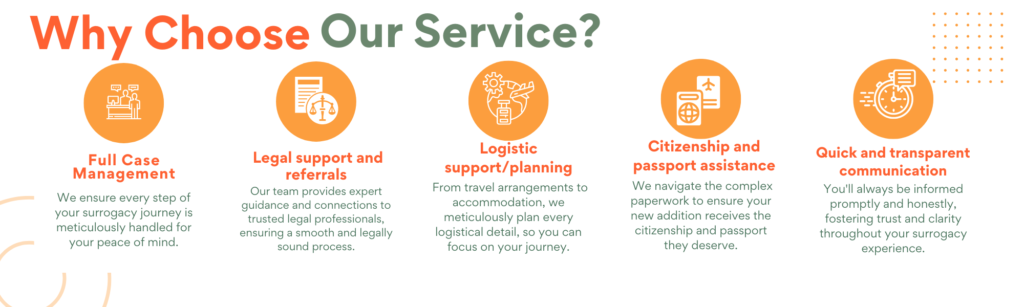
💫 Why Intended Parents Choose Complete Surrogacy for a Safe, Smooth & Successful Surrogacy Journey:
🌍 Access to multiple surrogacy destinations with 15+ years of international experience
🏥 Partnerships with top-tier fertility clinics and agencies, backed by references from past clients
👩🦱 Diverse egg donor options: Asian, Caucasian, African, Oriental, and more
💸 Transparent and affordable pricing—direct payments with no extra agency fees
🔒 No hidden costs—all charges are agreed upon upfront
🤝 Dedicated case manager for personalized support
📲 Fast, honest, and clear communication throughout
📑 Full legal support for visas, documentation, and baby exit processes
🚚 Assistance with frozen sperm/embryo shipment logistics
FAQ: How Lifestyle Choices Today Affect Fertility in 5–10 Years
How do lifestyle choices I make today affect my fertility 5–10 years from now?
Current lifestyle choices influence fertility through age-sensitive biology and modifiable risk factors. Female ovarian reserve and oocyte quality decline with age (markedly after ~35), and male semen parameters (volume, motility, morphology) and sperm DNA integrity begin to decline around age 35. Behaviors such as smoking, obesity, heavy alcohol use, poor diet, chronic sleep disruption, and exposure to environmental toxins increase oxidative stress and hormonal dysregulation, accelerating those age-related declines. Many changes—like smoking cessation, weight loss, improved diet, and reduced toxin exposure—can improve ovulatory function or semen quality within months to a few years and raise the probability of natural conception and ART success. Acting early yields the best outcomes, especially if planning to delay childbearing into the mid-30s and beyond.
What are the main biological mechanisms linking lifestyle and long‑term fertility decline?
Several overlapping mechanisms connect lifestyle to fertility decline. Increased oxidative stress from smoking, alcohol, obesity, and some toxins causes sperm DNA fragmentation and damages oocytes. Metabolic dysfunction (insulin resistance, obesity) disrupts sex steroid balance and ovulation (common in PCOS). Extreme undernutrition or overexercise can suppress the hypothalamic–pituitary–ovarian axis. Chronic inflammation and untreated STIs can cause tubal damage. Testicular and ovarian microarchitecture also change with high‑fat diets and metabolic disease, impairing gametogenesis. These pathways explain how age plus adverse habits produce additive harm to reproductive potential.
How common is infertility, and are rates rising?
Infertility is common: the World Health Organization estimates about 15% of couples in industrialized countries and 20–30% worldwide experience infertility. Trends over recent decades—particularly in higher‑income settings—show rising age at first birth and an increasing share of infertility attributable to delayed childbearing and modifiable lifestyle risks. Population studies also demonstrate cumulative effects: couples with multiple adverse lifestyle factors have substantially lower 12‑month conception rates than those without such risks.
Does delaying childbearing by a few years make a big difference?
Yes. Female fecundability and ART success decline with maternal age, with a notable acceleration after about 35 years. Male reproductive parameters also decline with advancing age, and paternal age is associated with increased sperm DNA damage and higher risks for some offspring conditions. While lifestyle optimization can help, it cannot fully reverse the biological limits of ovarian aging. If delaying into the mid‑30s or later, discuss fertility preservation (oocyte cryopreservation, sperm banking) and realistic expectations with a reproductive specialist.
How do weight and diet affect future fertility?
Both obesity and underweight impair fertility. Obesity increases insulin resistance, alters sex steroid metabolism (worsening ovulatory function and PCOS), and reduces semen quality. Underweight and eating disorders can suppress ovulation. Diet quality matters: Mediterranean-style patterns (fruits, vegetables, legumes, whole grains, fish, healthy fats) correlate with better semen parameters and lower sperm DNA fragmentation, while high‑fat, low‑nutrient diets associate with poorer reproductive outcomes. Modest weight loss (5–10%) can restore ovulation for many obese anovulatory women within months.
How quickly do fertility benefits appear after lifestyle changes?
Many benefits appear within months. Sperm production cycles make improvements in semen parameters detectable about three months after smoking cessation or reduced toxin exposure. Weight loss can restore ovulation in some women within a few months. Broader metabolic and hormonal improvements (and reduced miscarriage or ART failure risks) may take longer and depend on the extent of change and age. Preconception optimization is often recommended at least 3–6 months before attempting pregnancy; earlier action yields greater advantages when delaying childbearing.
What is the impact of smoking, alcohol, caffeine, and recreational drugs?
Smoking reduces sperm concentration, motility, and morphology and accelerates ovarian aging; it increases DNA damage and congenital risks. Heavy alcohol use is linked with ovulatory dysfunction, hormonal changes, and poorer semen quality. Moderate caffeine (
How do exercise, sleep, and shift work affect fertility over time?
Regular moderate exercise (roughly 150 minutes/week of moderate intensity) supports overall reproductive health. Excessive intense training (>5 hours/week of strenuous activity) can suppress ovulation in some women. Adequate sleep (7–9 hours/night) and stable circadian schedules help maintain healthy reproductive hormone rhythms. Night‑shift work and chronic circadian disruption are associated with higher infertility risk; when possible, stabilizing sleep patterns or adjusting schedules can reduce harm.
Can stress reduce my chances of conceiving in the long term?
Chronic stress itself is not proven to directly block pregnancy, but it affects fertility indirectly. Stress can alter neuroendocrine regulation and lead to unhealthy coping behaviors (increased alcohol, smoking, poor diet) that harm gamete quality. Managing stress with evidence‑based techniques (mindfulness, CBT, relaxation, exercise) improves overall health and supports fertility efforts.
Are the negative effects of multiple poor lifestyle choices additive?
Yes. Epidemiologic data show a dose‑response relationship: as the number of adverse lifestyle factors increases (for example: smoking, heavy alcohol, obesity, risky sexual behavior), 12‑month conception probabilities fall sharply. Combined oxidative stress, hormonal dysregulation, and inflammatory effects from multiple risks reduce gamete quality, raise miscarriage rates, and lower ART success.
Which lifestyle factors are most modifiable and should be prioritized?
High‑impact, modifiable choices include quitting smoking, reducing or eliminating heavy alcohol and recreational drug use, achieving a healthy weight through improved diet and physical activity, and minimizing environmental and occupational toxin exposure. Vaccination, STI prevention and treatment, sleep normalization, and stress reduction are also practical priorities. Men and women should aim for preconception optimization at least 3–6 months before trying to conceive.
What practical steps can I take now to protect fertility for the next 5–10 years?
Actionable steps include: stop smoking and seek structured cessation support; reduce alcohol and avoid recreational drugs; adopt a Mediterranean-style diet and target a healthy BMI (gradual 5–10% weight loss if overweight); ensure folic acid (400–800 mcg/day) and sufficient vitamin D when planning pregnancy; maintain moderate exercise; normalize sleep and minimize shift‑work impact; reduce exposure to pesticides, phthalates, bisphenol A and excessive heat; get STI screening and treatment; and schedule preconception counseling to assess ovarian reserve (AMH, antral follicle count) and, when indicated, semen analysis.

Author Bio: Neelam Chhagani is an International Surrogacy Expert with 15 years of experience in the fertility and surrogacy domain. As the founder of IVF Conceptions and Complete Surrogacy, she has guided over 4,000 intended parents worldwide on their surrogacy journey to parenthood. Recognized as a trusted authority, she specializes in holistic infertility solutions and third-party reproduction consulting.
Holding an MA in Counselling Psychology and a PGD in Mental Health, Neelam is a proud member of the European Fertility Society (EFS) and the European Society of Human Reproduction and Embryology (ESHRE). She is also a leading surrogacy blogger, providing valuable insights into ethical and practical surrogacy solutions.
Since 2010, committed to supporting ALL family types, Neelam has been passionate about helping intended parents grow their families with compassion, integrity, and a focus on secure and affordable surrogacy options Globally.
Learn more about Neelam:
https://www.ivfconceptions.com/neelam-chhagani-surrogacy-consultant/
https://www.linkedin.com/in/neelam-chhagani-92892229/















I was introduced to Neelam by a friend who worked with Neelam for surrogacy. Neelam is absolutely wonderful. I am a single male and the journey to fatherhood is not that easy. Neelam connected me to a program ideal for my circumstances. She was with me throughout the pregnancy providing advice and guidance along the way. I am so grateful I found her and am thrilled today that I have a beautiful daughter. I highly recommend Neelam to anyone who is on a journey to become a parent. Having a child has changed my world for the better. I wish others success with their own journey and recommend you connect with Neelam to find a path that is best for you.
SA (USA)