
Deciding on egg freezing before 30 vs after 35 can make a significant difference in future fertility outcomes. Women under 30 typically have a higher ovarian reserve and better egg quality, meaning a greater number of frozen eggs with stronger chances of successful pregnancy later through IVF. After 35, egg quantity and genetic normalcy naturally decline, which may require multiple stimulation cycles to achieve the same results and can increase overall costs.
While egg freezing at any age can provide valuable reproductive security, choosing to preserve eggs earlier generally offers higher success rates, fewer medical interventions, and more flexibility when planning future surrogacy or IVF.
Key Takeaways
- Egg freezing success rates are significantly higher when performed before age 30 compared to after 35.
- Age impacts not only the quantity but also the quality of eggs available for freezing.
- Understanding age-related fertility can guide better decisions regarding fertility preservation options.
- The ideal time for egg freezing is often considered to be between 25-27 years of age.
- Seeking medical advice can help clarify personal circumstances related to egg freezing.
📞 Get in Touch for a Free Surrogacy Consultation
📱 +91-8800481100 (WhatsApp | LINE | Viber)
📧 neelam@ivfconceptions.com

The Importance of Age in Egg Freezing
Understanding female fertility is key when thinking about egg freezing and age. As women get older, their ability to have children decreases. This affects their egg freezing options, especially for those in their 30s and 40s.
Overview of Female Fertility by Age
Women’s fertility peaks in their 20s. They start with about 1 million eggs, but this number goes down over time. By puberty, only 300,000 to 400,000 eggs are left, and only 400 to 500 are ovulated in a lifetime.
This decline affects both the number and quality of eggs for future pregnancies.
How Age Affects Egg Quality and Quantity
Egg quality goes down with age, leading to more chromosomal problems. By the 30s, the chance of getting pregnant starts to drop. Women in their early 30s have a 20% chance per cycle, while those in their late 30s have about a 15% chance.
Knowing these facts is crucial when thinking about egg freezing for future family plans.
Egg Freezing Before 30 vs After 35: Success Rates Compared
Women thinking about preserving their fertility need to know about egg freezing success rates at different ages. The data shows a big difference between women in their 20s and those in their 30s. Freezing eggs before 30 is best because of better egg quality and quantity.
Success Rates for Women in Their 20s
Women under 30 see good results with egg freezing. Studies show they have about a 50% chance of having a live birth with their frozen eggs. This highlights how age affects fertility.
Eggs from this age group are of higher quality. This leads to healthier embryos and better chances of successful pregnancies.
Success Rates for Women in Their 30s
Success rates drop significantly for women over 35. In this age, the pressing issue of declining egg quality becomes clear. Research shows women in their 30s might need to get double the eggs to match younger women’s success rates.
This means they might need to do multiple egg retrievals. This is to get enough eggs for effective fertility preservation.
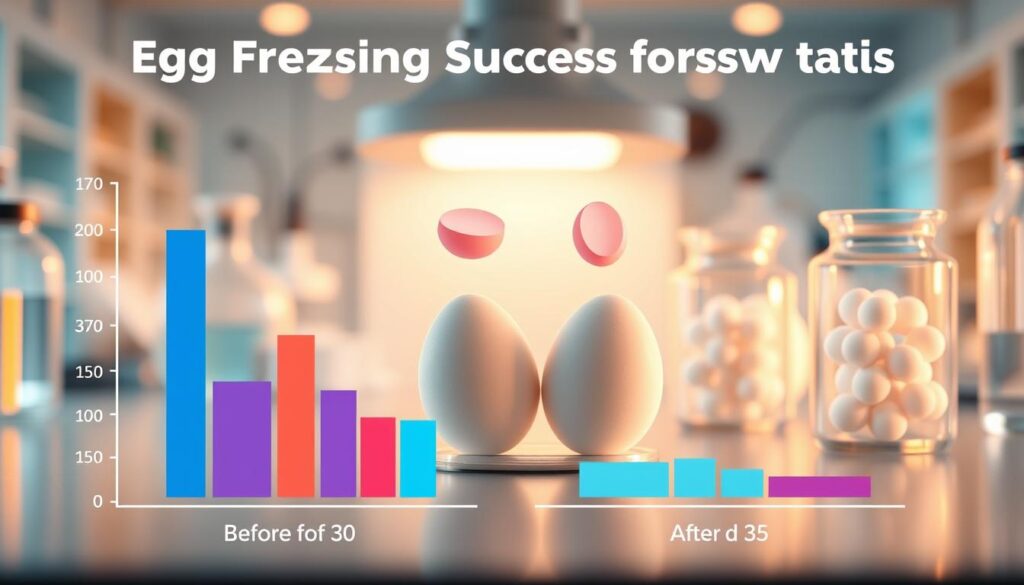
Optimal Age for Egg Freezing
Knowing the best time for egg freezing is key to planning your family. Studies say the ages of 25 to 27 are ideal. This is because eggs are healthier and more plentiful during this time.
Why 25-27 is Considered the Best Age
Women aged 25 to 27 have better egg quality and more eggs. This means they have a higher chance of successful fertilization. Freezing eggs at this age boosts success rates and may avoid the need for more cycles.
Experts often suggest this age range for egg freezing. This advice comes from groups like the CDC. Waiting too long can increase risks and lower success chances.
| Age Group | Egg Quality | Success Rate per Cycle |
|---|---|---|
| 25-27 | High | 70-80% |
| 30-32 | Moderate | 50-60% |
| 35-37 | Lower | 40-50% |
In short, picking the right age for egg freezing is crucial for women wanting to preserve their fertility. Freezing eggs between 25 and 27 offers better success rates. It also helps with financial planning for future family plans.
Factors Affecting Egg Freezing Success
The success of egg freezing depends on several key factors. Knowing these can help women make better choices about their reproductive future. As women get older, the clock ticking in their body affects egg quality. This, in turn, impacts the chances of success after freezing.
Egg Quality and Biological Clock
Egg quality drops as women age, affecting their fertility. Research shows older eggs are more likely to have genetic issues. This can make it harder for them to implant successfully. Younger women are more likely to have healthy eggs because their biological clock is slower.
Impact of Hormonal Levels on Egg Freezing
Hormones are crucial for egg quality and quantity during freezing. Anti-Müllerian hormone (AMH) is especially important. It shows how many eggs a woman has left. Low AMH levels mean fewer and lower-quality eggs, affecting fertility.
Things like lifestyle and health also play a part in hormone levels. So, it’s important to think about these when considering egg freezing.
| Age Range | Typical Egg Quality | AMH Levels |
|---|---|---|
| Under 30 | High | Optimal |
| 30-35 | Moderate | Declining |
| Over 35 | Low | Low |
Costs Associated with Egg Freezing
Thinking about the money needed for egg freezing is a big part of the decision for many. Knowing what the costs are helps in planning and eases some worries about spending a lot of money.
Breakdown of Average Costs
The price of egg freezing can change a lot based on different things. Here’s a detailed look at what you might pay:
| Item | Average Cost ($) |
|---|---|
| Egg Retrieval | 8,000 – 9,000 |
| Medications | 4,000 – 6,000 |
| Anesthesia | 816 |
| Total Estimated Cost | 12,900 – 15,900 |
Financing Options for Egg Freezing Procedures
Looking into ways to pay for egg freezing can make it easier. There are many payment plans to help spread out the cost:
- Payment plans from fertility clinics for paying over time.
- Loans from fertility financing providers for medical procedures.
- Health savings accounts (HSAs) or flexible spending accounts (FSAs) for some coverage.
Exploring these payment options can help ease the stress of planning for egg freezing. Knowing how costs compare between clinics or financing plans can also help make better financial choices.
Additional Resources to read:
Can Acupuncture Treat Infertility
BMI Requirements for Surrogacy
Conclusion
Deciding when to freeze eggs is a personal choice. It depends on your age, health, and plans for the future. Women under 30 often see better results from egg freezing than those over 35. This is because younger eggs are usually of higher quality, leading to more successful pregnancies.
Thanks to new technology, more women can now consider egg freezing. It’s important to know the pros, cons, and emotional sides of this choice. This knowledge helps women make decisions that fit their personal and health goals.
Supporting women in their egg freezing decisions is key. It lets them control their reproductive future. Knowing more about fertility and health options helps everyone, not just individuals.
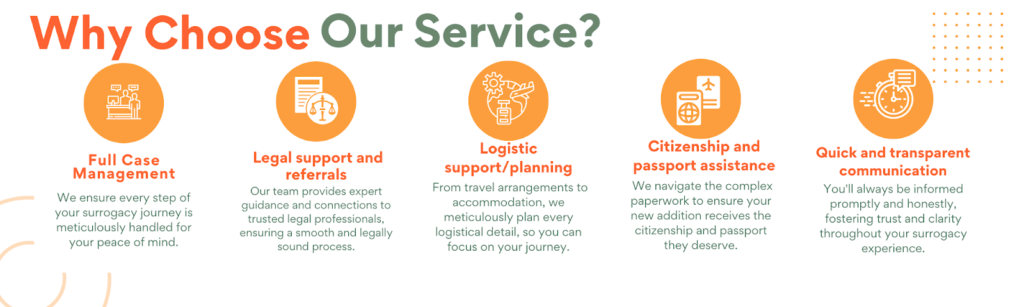
💫 Why Intended Parents Choose Complete Surrogacy for a Safe, Smooth & Successful Surrogacy Journey:
🌍 Access to multiple surrogacy destinations with 15+ years of international experience
🏥 Partnerships with top-tier fertility clinics and agencies, backed by references from past clients
👩🦱 Diverse egg donor options: Asian, Caucasian, African, Oriental, and more
💸 Transparent and affordable pricing—direct payments with no extra agency fees
🔒 No hidden costs—all charges are agreed upon upfront
🤝 Dedicated case manager for personalized support
📲 Fast, honest, and clear communication throughout
📑 Full legal support for visas, documentation, and baby exit processes
🚚 Assistance with frozen sperm/embryo shipment logistics
FAQ: Egg Freezing Before 30 vs After 35
What is the optimal age for egg freezing?
The best time for egg freezing is between 25-27 years old. At this age, eggs are of higher quality and quantity. This leads to better chances of getting pregnant in the future.
How does age affect egg quality and success rates?
As women get older, their eggs get worse in quality and number. Women under 30 have a 50% chance of getting pregnant with frozen eggs per cycle. But, those over 35 see a big drop in success rates, often needing more cycles.
What are the costs associated with egg freezing?
Egg freezing costs about $12,900 to $15,900. This includes the egg retrieval, medications, and anesthesia. It’s important to look into financial options and payment plans to handle these costs.
What factors should be considered when deciding to freeze eggs?
Important factors include age, egg quality, health, lifestyle, and future family plans. Knowing these helps make smart choices about preserving fertility.
Are there different success rates for women freezing eggs in their 20s versus their 30s?
Yes, women in their 20s have higher success rates when freezing eggs. This is because younger eggs are of better quality and more viable.
How does hormonal health impact egg freezing success?
Hormonal levels, especially Anti-Müllerian hormone (AMH), show how well the ovaries are working. As women age, AMH levels go down. This affects egg quality and increases the chance of abnormal embryos.
What are the benefits of egg freezing?
Egg freezing lets women plan their family later in life. It reduces stress about reproductive timelines. It also boosts the chances of a healthy pregnancy in the future.
What should women know about the egg freezing procedure?
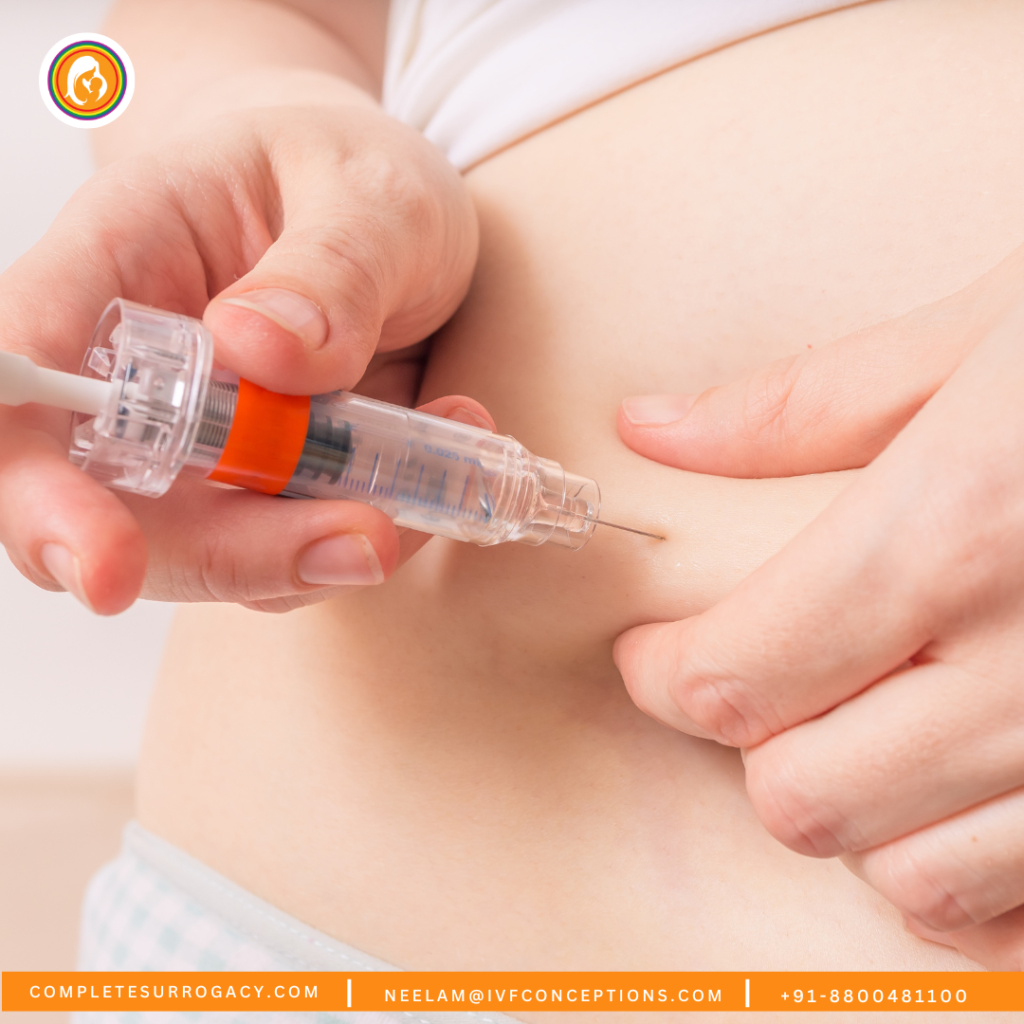
The egg freezing process starts with hormone stimulation to grow eggs. Then, eggs are retrieved. It’s key to talk to a fertility specialist to understand the process and its effects on reproductive health.

Author Bio: Neelam Chhagani is an International Surrogacy Expert with 15 years of experience in the fertility and surrogacy domain. As the founder of IVF Conceptions and Complete Surrogacy, she has guided over 4,000 intended parents worldwide on their surrogacy journey to parenthood. Recognized as a trusted authority, she specializes in holistic infertility solutions and third-party reproduction consulting.
Holding an MA in Counselling Psychology and a PGD in Mental Health, Neelam is a proud member of the European Fertility Society (EFS) and the European Society of Human Reproduction and Embryology (ESHRE). She is also a leading surrogacy blogger, providing valuable insights into ethical and practical surrogacy solutions.
Since 2010, committed to supporting ALL family types, Neelam has been passionate about helping intended parents grow their families with compassion, integrity, and a focus on secure and affordable surrogacy options Globally.
Learn more about Neelam:
https://www.ivfconceptions.com/neelam-chhagani-surrogacy-consultant/
https://www.linkedin.com/in/neelam-chhagani-92892229/















I was introduced to Neelam by a friend who worked with Neelam for surrogacy. Neelam is absolutely wonderful. I am a single male and the journey to fatherhood is not that easy. Neelam connected me to a program ideal for my circumstances. She was with me throughout the pregnancy providing advice and guidance along the way. I am so grateful I found her and am thrilled today that I have a beautiful daughter. I highly recommend Neelam to anyone who is on a journey to become a parent. Having a child has changed my world for the better. I wish others success with their own journey and recommend you connect with Neelam to find a path that is best for you.
SA (USA)