
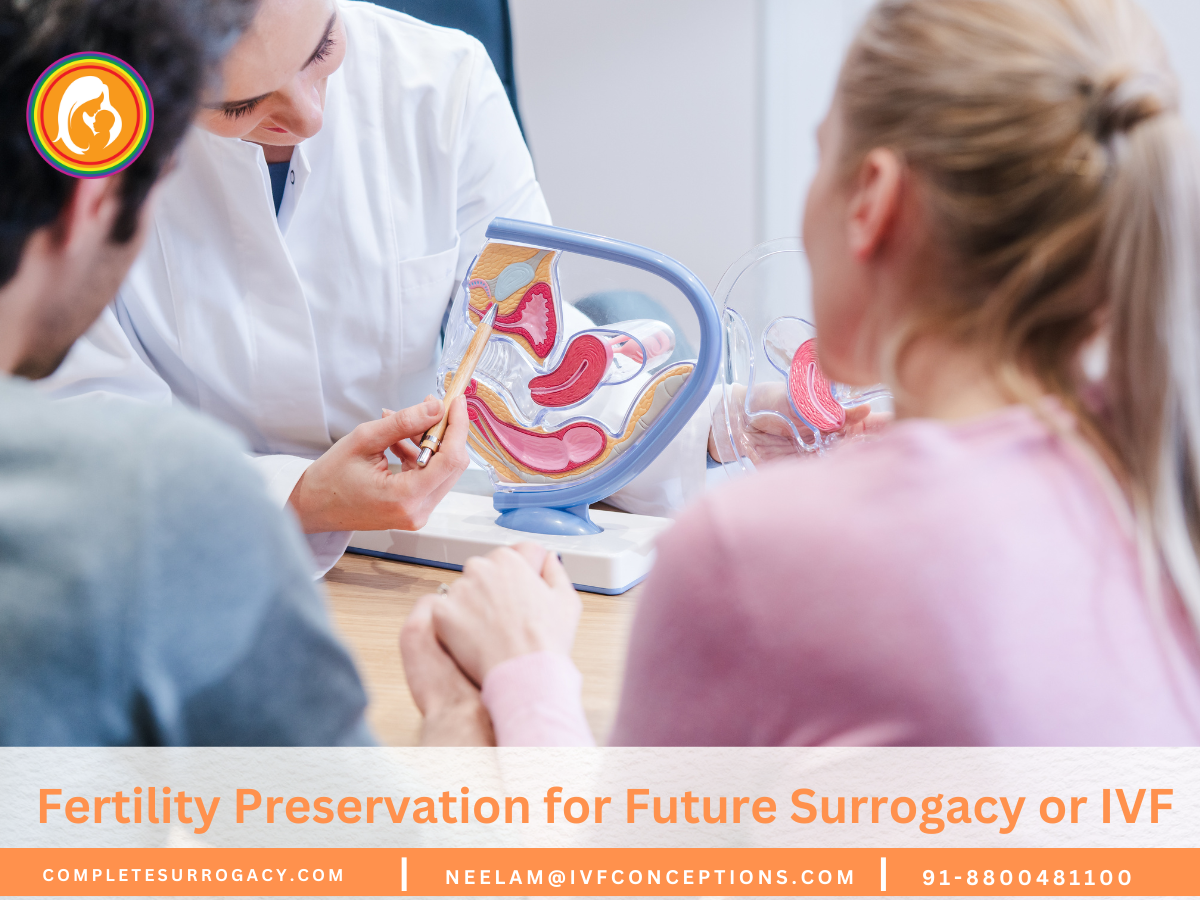
Planning with fertility preservation for future surrogacy or IVF is becoming increasingly important for individuals and couples who want to protect their ability to have biological children later in life. Whether due to medical treatments like chemotherapy, age-related fertility decline, or personal circumstances such as waiting for the right partner or pursuing international surrogacy, options like egg freezing, sperm banking, and embryo cryopreservation allow fertility to be safely stored for future family-building. These techniques help ensure higher success rates when pursuing IVF or surrogacy later on, reducing stress and offering greater flexibility in choosing the right time and path to parenthood.
Key Takeaways
- Fertility preservation is crucial for individuals considering future surrogacy or IVF.
- Various fertility preservation techniques are available to maintain reproductive potential.
- Understanding the procedures can significantly impact family planning decisions.
- Costs and insurance coverage can vary, making it essential to research options.
- Fertility preservation empowers individuals to navigate their reproductive options wisely.
📞 Get in Touch for a Free Surrogacy Consultation
📱 +91-8800481100 (WhatsApp | LINE | Viber)
📧 neelam@ivfconceptions.com

Understanding Fertility Preservation Options
Fertility preservation includes medical techniques to help people keep their reproductive options open for the future. These methods make sure that everyone can start a family when they’re ready. It’s especially important for those facing health issues or who want to delay having kids.
What is Fertility Preservation?
Fertility preservation means freezing and storing reproductive cells or embryos. It includes freezing eggs and sperm for later use. These services are crucial for people facing treatments that could harm their fertility, like chemotherapy or surgery.
Why is it Important?
Fertility preservation is very important. It lets people keep their options open even when facing treatments that could harm their fertility. It’s great for those who want to focus on their career or personal goals before starting a family. By choosing fertility preservation, people can plan their family in the future.
By taking a proactive approach to fertility preservation, people can ensure successful pregnancies later in life. They can also manage health challenges or personal goals.
Common Fertility Preservation Procedures
Learning about fertility preservation options is key to making smart choices about having children. There are several methods, each suited for different situations and needs.
Egg Freezing (Oocyte Cryopreservation)
Egg freezing is a process where hormones stimulate the ovaries to produce eggs. This takes about 10 to 12 days. Then, a minor surgery under light anesthesia collects the eggs.
Because everyone’s fertility is different, it might take more than one cycle to get enough eggs. This is especially true for those facing treatments that could harm their fertility.
Sperm Freezing (Sperm Cryopreservation)
Sperm freezing is a simple procedure where semen is collected through masturbation. The semen is mixed with a special solution and then frozen. This method is good for those who might find it hard to give a sample due to anxiety or health issues.
For those expecting treatments that could harm their fertility, it’s important to freeze sperm early.
Embryo Freezing
Embryo freezing uses IVF to fertilize eggs. This method often leads to higher success rates for future pregnancies. It’s a top choice for those planning to start a family after medical treatments.
Combining surrogacy with embryo freezing can greatly increase the chances of a successful pregnancy.

Ovarian and Testicular Tissue Preservation
Ovarian and testicular tissue freezing are advanced techniques. They involve surgically removing small tissue samples. These samples can later be used to restore fertility or create eggs or sperm.
Though these methods are still experimental and carry risks, they are crucial for young patients or those with limited time for traditional egg or sperm freezing.
Fertility Preservation for Future Surrogacy or IVF
Fertility preservation is key for those thinking about surrogacy. It lets intended parents keep their reproductive options open. This way, they can reach their family goals even if natural conception is hard. Egg and embryo freezing give peace of mind and boost the chances of a successful IVF journey.
How It Works in Surrogacy
In surrogacy, it starts with freezing eggs. Intended parents get fertility checks to figure out the best way. After eggs are taken, they can be frozen for later use.
This lets parents pick the right time for surrogacy. It’s based on personal and medical factors. Freezing eggs or embryos means there are good options ready when a surrogate is chosen.
Utilizing Frozen Eggs and Embryos in IVF
Using frozen eggs and embryos in IVF is a big step forward. After thawing, the eggs are fertilized to make embryos. This makes planning easier and raises the chances of a successful IVF.
Thanks to better cryopreservation, thawed materials can lead to healthy pregnancies. This gives intended parents more confidence.

Benefits of Fertility Preservation
Fertility preservation is a big help for those who want to start families later. It boosts the chances of having a baby with stored eggs, sperm, or embryos. Thanks to new tech, these chances are getting better.
Increased Chances of Successful Pregnancy
People choose fertility preservation because of worries about their biological clocks and health. Freezing their genetic material helps them keep their chances of having a child alive when they’re ready.
Studies show that frozen eggs have an 80% success rate after thawing. Embryos can have a 90% success rate. These numbers show how well these methods work, giving hope to those worried about age or health issues.
These processes also give emotional peace of mind to future parents. They let people plan their family at their own pace. Knowing about these benefits can turn fear into confidence, making way for healthy pregnancies later on.
Assessing Fertility Preservation Success Rates
Understanding the details of fertility preservation success rates is key for those thinking about it. Many factors affect these rates, influencing the journey and results for those looking to preserve their fertility. Knowing these factors and comparing the success rates of different methods can guide you in choosing the right clinic.
Factors Influencing Success Rates
Several important elements play a role in fertility preservation success rates. These include:
- Age: Younger people generally have better success rates, especially with egg or embryo freezing.
- Health Status: Your overall reproductive health and any medical conditions greatly affect outcomes.
- Type of Procedure: The method you choose, like egg or embryo freezing, is crucial for success.
Understanding these factors helps you tailor your approach for the best results based on your situation.
Comparative Success Rates of Different Methods
Looking at the success rates of different methods gives valuable insights. The typical order of effectiveness is:
- Embryo Freezing: Usually has the highest success rates, especially for those doing IVF.
- Egg Freezing: Offers good results but is slightly lower in success rates than embryo freezing.
- Ovarian Tissue Preservation: This method is still experimental and has lower success rates.
Talking to a fertility specialist can help figure out which method is best for you. They can help maximize your chances of a successful outcome.
Cost of Fertility Preservation Procedures
Starting the journey of fertility preservation comes with its own set of financial challenges. It’s crucial to understand the costs involved. A detailed breakdown of expenses for different procedures can guide you through these financial hurdles.
Breakdown of Expenses
The costs for fertility preservation depend on the procedure chosen. The main expenses include:
- Initial consultations with fertility specialists
- Medication for ovarian stimulation
- Egg, sperm, or embryo retrieval procedures
- Long-term storage fees for frozen samples
Egg and embryo freezing tend to be pricier than sperm freezing. This difference affects the overall cost. Planning helps patients manage their budgets for these critical services.
Insurance and Financing Options
Insurance coverage for fertility preservation varies by state and provider. Some states require coverage for those facing fertility threats due to medical procedures. Looking into insurance and financing options can reduce financial stress. Options include:
- Payment plans offered by clinics
- Financing options through medical credit cards or personal loans
- Grants and financial assistance programs for qualifying patients
Fertility preservation counseling can help find financial resources. It also guides in making informed decisions about the costs of these procedures.
Additional Resources to read:
Can Acupuncture Treat Infertility
BMI Requirements for Surrogacy
Conclusion
Fertility preservation is key for those wanting to plan their future families through surrogacy or IVF. Knowing about egg, sperm, and embryo freezing helps people make choices that match their dreams. This knowledge is crucial for making informed decisions about starting a family.
Looking into the benefits and costs of these options lets people take charge of their family plans. Choosing to preserve fertility today can lead to successful pregnancies later. It also brings peace of mind to those dealing with reproductive health issues.
Choosing fertility preservation means looking forward to healthier family planning. Whether you’re a future parent or a surrogate, being well-informed leads to choices that fit your family’s aspirations.
💫 Why Intended Parents Choose Complete Surrogacy for a Safe, Smooth & Successful Surrogacy Journey:
🌍 Access to multiple surrogacy destinations with 15+ years of international experience
🏥 Partnerships with top-tier fertility clinics and agencies, backed by references from past clients
👩🦱 Diverse egg donor options: Asian, Caucasian, African, Oriental, and more
💸 Transparent and affordable pricing—direct payments with no extra agency fees
🔒 No hidden costs—all charges are agreed upon upfront
🤝 Dedicated case manager for personalized support
📲 Fast, honest, and clear communication throughout
📑 Full legal support for visas, documentation, and baby exit processes
🚚 Assistance with frozen sperm/embryo shipment logistics

FAQ: Fertility Preservation for Future Surrogacy or IVF
What are the fertility preservation options available for individuals considering surrogacy or IVF?
There are several options for preserving fertility. These include freezing eggs, sperm, embryos, and even ovarian or testicular tissue. Each method has its own benefits and is suited for different needs.
Why is fertility preservation important?
It’s vital for those planning to have children later in life. It keeps reproductive options open despite age or health issues. This way, they can have children when they’re ready.
What is the process of egg freezing?
Egg freezing starts with hormone shots for 10-12 days. Then, eggs are monitored and retrieved in a short procedure. After that, they’re frozen for later use.
How does sperm freezing work?
Sperm freezing is simple. A semen sample is collected and mixed with a solution. It’s then frozen. If getting a sample is hard, other methods are used.
What are the benefits of embryo freezing compared to egg freezing?
Embryo freezing often leads to higher success rates. This makes it a better choice for those using IVF or surrogacy to build a family.
What factors influence the success rates of fertility preservation?
Success rates depend on age, the preservation method, and overall health. Younger people usually have better results with frozen eggs or embryos.
What are the costs associated with fertility preservation?
Costs vary by procedure. Egg and embryo freezing are pricier than sperm freezing. Fees include consultations, medications, retrieval, and storage.
Is fertility preservation covered by insurance?
Insurance coverage varies by state and provider. Some states require coverage for those facing fertility threats due to medical treatments. Always check with your insurance about fertility preservation services.

Author Bio: Neelam Chhagani is an International Surrogacy Expert with 15 years of experience in the fertility and surrogacy domain. As the founder of IVF Conceptions and Complete Surrogacy, she has guided over 4,000 intended parents worldwide on their surrogacy journey to parenthood. Recognized as a trusted authority, she specializes in holistic infertility solutions and third-party reproduction consulting.
Holding an MA in Counselling Psychology and a PGD in Mental Health, Neelam is a proud member of the European Fertility Society (EFS) and the European Society of Human Reproduction and Embryology (ESHRE). She is also a leading surrogacy blogger, providing valuable insights into ethical and practical surrogacy solutions.
Since 2010, committed to supporting ALL family types, Neelam has been passionate about helping intended parents grow their families with compassion, integrity, and a focus on secure and affordable surrogacy options Globally.
Learn more about Neelam:
https://www.ivfconceptions.com/neelam-chhagani-surrogacy-consultant/
https://www.linkedin.com/in/neelam-chhagani-92892229/















I was introduced to Neelam by a friend who worked with Neelam for surrogacy. Neelam is absolutely wonderful. I am a single male and the journey to fatherhood is not that easy. Neelam connected me to a program ideal for my circumstances. She was with me throughout the pregnancy providing advice and guidance along the way. I am so grateful I found her and am thrilled today that I have a beautiful daughter. I highly recommend Neelam to anyone who is on a journey to become a parent. Having a child has changed my world for the better. I wish others success with their own journey and recommend you connect with Neelam to find a path that is best for you.
SA (USA)