

Is traditional IVF the only way to beat infertility? Or could Mini-IVF be a cheaper, yet effective choice? As fertility tech grows, many wonder if there’s a more affordable way to have a child.
Infertility affects about 10-15% of couples worldwide. This makes it vital to explore all fertility options. This article will compare Mini-IVF and traditional IVF, focusing on cost and experience. Knowing these alternatives is key for those facing fertility challenges.
Key Takeaways
- Mini-IVF offers a less invasive approach compared to conventional IVF.
- The cost of Mini-IVF typically reduces overall expenses significantly.
- Understanding both procedures can facilitate informed decisions.
- Success rates may differ based on individual circumstances.
- Patient comfort and experience should be key considerations.
- Ongoing advancements in infertility treatments may influence future options.
📞 Get in Touch for a Free Surrogacy Consultation
📱 +91-8800481100 (WhatsApp | LINE | Viber)
📧 neelam@ivfconceptions.com

Understanding IVF: A Primer
In vitro fertilization (IVF) is a big step in assisted reproductive technology. It mixes egg and sperm outside the body, creating embryos. These embryos then go into the uterus to help with pregnancy.
IVF is a top choice for couples dealing with infertility. This includes issues like age or low egg count. Knowing about IVF is key for those trying to have a baby.
Assisted reproductive technology includes many medical procedures for infertility. IVF is one of the most commonly used. It’s chosen when other treatments fail or when facing special challenges.
With more people talking about infertility, learning about IVF is important. It helps in planning a family’s future.
Couples thinking about IVF need to learn about the process, outcomes, and costs. Each step in IVF is important for success. With the right support and knowledge, patients can make informed choices.
The Rise of Mini-IVF
As couples look into fertility options, mini-IVF stands out as a gentler choice than traditional IVF. It uses less stimulation, making it easier for many. Knowing about this treatment is key for those wanting affordable fertility options.
What is Mini-IVF?
Mini-IVF uses less medication than regular IVF. It focuses on oral meds, which means fewer eggs are produced. This leads to fewer side effects, making it a popular choice. It’s a big change in fertility treatments, appealing to those who found regular IVF too much or too expensive.
Key Benefits of Mini-IVF
Mini-IVF offers many mini-IVF benefits:
- Less medication means lower risks of complications like OHSS.
- It needs fewer blood draws and visits, which reduces stress and costs.
- It’s a good option for those who don’t respond well to regular IVF.
By focusing on what’s needed, couples can get affordable IVF options without losing quality.
Who Should Consider Mini-IVF?
Mini-IVF is great for:
- Those with low ovarian reserve.
- Women under 35 want a gentler way to conceive.
- Couples looking to cut down on medication for health reasons.
This method is wise for those wanting affordable IVF procedures on their fertility journey. Its focus on accessibility makes mini-stim IVF a great option for many.
Conventional IVF: An Overview
Conventional IVF is a common choice for those struggling with fertility. This section dives into the traditional IVF process and its challenges. Knowing these details is key for those thinking about starting a family.
The Process of Conventional IVF
The traditional IVF process has several steps to create embryos. These include:
- Ovarian Stimulation: High doses of medication are given to stimulate egg production.
- Egg Retrieval: A minor surgery to collect mature eggs from the ovaries.
- Fertilization: Eggs are fertilized in a lab using sperm from a partner or donor.
- Embryo Transfer: Selected embryos are transferred to the uterus, aiming for pregnancy.
Each step is designed to increase the number of embryos, boosting pregnancy chances. But this method can be very expensive. Patients often face high IVF treatment expenses from medications and procedures.
Common Drawbacks of Conventional IVF
Conventional IVF has its downsides, despite its popularity and success. Many faces:
- High Expenses: The cost of conventional IVF can be overwhelming, including medication and multiple cycles.
- Health Risks: High hormone doses can lead to complications, deterring some couples.
- Multiple Pregnancies: The risk of multiple births adds health risks for the mother and babies.
When considering traditional IVF vs mini-IVF, understanding these points is vital. It helps couples make choices that fit their financial and personal needs.
Mini-IVF vs Conventional IVF: A Cost-Effective Alternative?
When looking into fertility treatments, the cost is a big factor. A detailed IVF cost analysis shows Mini-IVF is a good choice compared to Conventional IVF. The costs and methods differ, making Mini-IVF more affordable for many.
Cost Comparison of Treatment Protocols
Looking at the costs of Mini-IVF and Conventional IVF, we see big differences. Mini-IVF has lower medication costs, leading to big savings. Patients can save about €1260 per cycle with Mini-IVF, making it a more affordable option. Here’s a comparison of the costs:
| Treatment Type | Average Cost per Cycle | Medication Costs |
|---|---|---|
| Conventional IVF | $12,000 – $30,000 | $3,000 – $5,000 |
| Mini-IVF | $6,000 – $10,000 | $1,000 – $2,000 |
Affordability for Patients
Many couples struggle with the cost of fertility treatments. Conventional IVF is very expensive, making affordable options vital. Mini-IVF is a more budget-friendly choice, allowing for more cycles without breaking the bank.
Long-term Financial Implications
Choosing Mini-IVF over Conventional IVF has long-term financial benefits. It costs less per cycle and needs less medication. This means patients can try again if needed, increasing their chances of success within their budget. It’s a great option for those looking for affordable fertility solutions.
Effectiveness and Success Rates
It’s important to know how well Mini-IVF and Conventional IVF work for couples. Both methods aim to help with fertility, but they may work differently for everyone.
Pregnancy Rates in Mini-IVF and Conventional IVF
Studies show that Mini-IVF and Conventional IVF can have similar success rates. Mini-IVF might have fewer embryos, but it can lead to pregnancy just like Conventional IVF. It’s a good choice for those who don’t do well with strong stimulation.
Factors Affecting IVF Success
Many things can affect how well IVF works. Key factors include:
- Age: Women under 35 usually have better success rates.
- Hormonal Health: The right hormone levels are very important for success.
- Infertility History: Past fertility problems can influence treatment results.
Knowing these factors can help couples make better choices. It helps them pick the right IVF method for their goals.
| Factor | Impact on IVF Success |
|---|---|
| Age | Higher success rates for younger women |
| Hormonal Health | Proper levels enhance treatment effectiveness |
| Infertility History | Previous issues can affect overall outcomes |
Minimal Stimulation IVF: How It Works
Minimal stimulation IVF, or low-stimulation IVF, is a gentler way to help with fertility. It uses smaller amounts of hormones. This means fewer side effects and less discomfort for patients.
This method is appealing to those wanting to get pregnant with a less invasive approach. It offers a streamlined treatment process.
Medications Involved in Mini-IVF
The medications in mini-IVF include oral pills and small injections. Common ones are:
- Letrozole – used to help the ovaries work better
- Gonadotropins – given in smaller amounts to help eggs grow
This approach uses fewer medications. It aims to reduce the physical and emotional impact on patients.
Treatment Process Compared to Conventional IVF
Minimal stimulation IVF is faster and less stressful than traditional IVF. The main differences are:
- Less frequent clinic visits – patients don’t have to go as often
- Shorter treatment time – it’s quicker overall
- Less invasive procedures – making it more comfortable
These aspects create a more supportive environment. It helps patients stay focused on their well-being during their journey to parenthood.

Patient Experience and Comfort Levels
Understanding the patient experience during Mini-IVF is key for those thinking about it. Many want to know about comfort and side effects. Patient feedback on Mini-IVF shares valuable insights into satisfaction and experiences.
Side Effects and Recovery
Patients often say Mini-IVF has fewer side effects than traditional IVF. This is because it uses less medication, which means less pain. Recovery is quicker, making it easier for parents-to-be to get back to their lives.
This quick recovery helps people adjust to their new journey faster. It makes the emotional process smoother.
Patient Feedback on Mini-IVF
Patients share many positive points about Mini-IVF. They like how it’s more affordable without losing quality care. They find the process easier and less stressful.
They also talk about the supportive clinics. These places make them feel supported as they face fertility challenges.
| Aspect | Mini-IVF Experience | Conventional IVF Experience |
|---|---|---|
| Side Effects | Fewer due to less medication | More common and often severe |
| Recovery Time | Shorter, often days | Longer, sometimes weeks |
| Patient Satisfaction | High, affordable, and less invasive | Mixed; benefits with higher costs |
Future of IVF Treatments
Fertility treatments are evolving, bringing new hope to those seeking to start a family. The focus is now on using less medication but getting better results. Making treatments more comfortable and affordable is key to the future of IVF.
Trends in Assisted Reproductive Technology
New approaches in fertility treatments are emerging, like Mini-IVF. These methods use less medication, making treatments more accessible. They also show a growing focus on what patients want.
Looking ahead, we might see:
- Personalized treatment plans: IVF plans made just for you could lead to better results.
- Integration of AI: Using artificial intelligence could help improve success rates.
- Cost reduction strategies: New technologies might make treatments cheaper for patients.

Additional Resources to read:
Fertility and Acupuncture: Science or Myth?
PRP (Platelet-Rich Plasma) Therapy for Fertility
Understanding Sperm Morphology, Motility, and Count
Conclusion
The mini-IVF vs conventional IVF comparison shows Mini-IVF’s growing popularity. It’s seen as a cost-effective option for couples dealing with infertility. This method uses lower doses of medication, cutting down on costs without sacrificing success rates.
For many, Mini-IVF’s affordability is a big plus. It offers a way to overcome fertility challenges without breaking the bank. This makes it a practical choice for those facing emotional and financial hurdles.
Knowing the differences between these options helps couples make informed decisions. Mini-IVF focuses on patient comfort and offers a path to parenthood that’s both affordable and emotionally supportive. It shows that there are many cost-effective IVF options available.
The choice between Mini-IVF and conventional IVF should be made with healthcare providers. It’s important to consider medical, financial, and emotional factors. With knowledge of both methods, couples can choose what’s best for them, tailoring their journey to their unique needs.
💫 Why Intended Parents Choose Complete Surrogacy for a Safe, Smooth & Successful Surrogacy Journey:
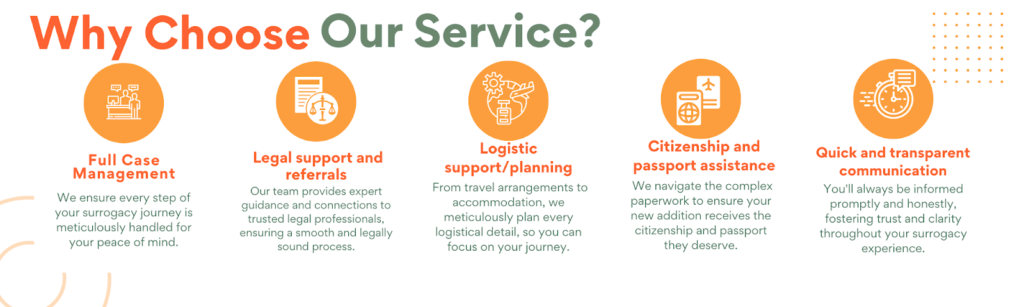
🌍 Access to multiple surrogacy destinations with 15+ years of international experience
🏥 Partnerships with top-tier fertility clinics and agencies, backed by references from past clients
👩🦱 Diverse egg donor options: Asian, Caucasian, African, Oriental, and more
💸 Transparent and affordable pricing—direct payments with no extra agency fees
🔒 No hidden costs—all charges are agreed upon upfront
🤝 Dedicated case manager for personalized support
📲 Fast, honest, and clear communication throughout
📑 Full legal support for visas, documentation, and baby exit processes
🚚 Assistance with frozen sperm/embryo shipment logistics
FAQ- Mini-IVF vs Conventional IVF
What is the main difference between Mini-IVF and Conventional IVF?
Mini-IVF uses less medication to stimulate egg production. It focuses on oral drugs, leading to fewer eggs compared to Conventional IVF.
What are the benefits of Mini-IVF?
Mini-IVF is cheaper and has fewer risks. It requires less intervention and is gentler. This makes it a good choice for those watching their budget.
How does the cost of Mini-IVF compare to Conventional IVF?
Mini-IVF is much cheaper, saving around €-1260 per cycle. Conventional IVF costs between $12,000 and $30,000 per cycle. Mini-IVF is a cost-effective option for those on a budget.
Are the pregnancy rates different between Mini-IVF and Conventional IVF?
Mini-IVF may produce fewer embryos but has similar pregnancy rates to Conventional IVF. Studies show no big difference in success rates for the right candidates.
Who should consider Mini-IVF?
Mini-IVF is great for those with low ovarian reserve, under 35, or who want to avoid high medication doses. It’s a good choice for those who may not do well with traditional treatments.
What medications are typically used in Mini-IVF?
Mini-IVF uses lower doses of hormones, like oral Letrozole and small gonadotropin injections. This reduces side effects compared to traditional treatments.
What are some common side effects associated with Mini-IVF?
Mini-IVF has fewer side effects due to lower medication doses. This means less pain and quicker recovery times after procedures.
How can patients ensure they make informed decisions about fertility treatments?
Knowing the differences between Mini-IVF and Conventional IVF helps patients make informed choices. Consider effectiveness, cost, and personal health needs to find the best fit.

Author Bio: Neelam Chhagani is an International Surrogacy Expert with 15 years of experience in the fertility and surrogacy domain. As the founder of IVF Conceptions and Complete Surrogacy, she has guided over 4,000 intended parents worldwide on their surrogacy journey to parenthood. Recognized as a trusted authority, she specializes in holistic infertility solutions and third-party reproduction consulting.
Holding an MA in Counselling Psychology and a PGD in Mental Health, Neelam is a proud member of the European Fertility Society (EFS) and the European Society of Human Reproduction and Embryology (ESHRE). She is also a leading surrogacy blogger, providing valuable insights into ethical and practical surrogacy solutions.
Since 2010, committed to supporting ALL family types, Neelam has been passionate about helping intended parents grow their families with compassion, integrity, and a focus on secure and affordable surrogacy options Globally.
Learn more about Neelam:
https://www.ivfconceptions.com/neelam-chhagani-surrogacy-consultant/
https://www.linkedin.com/in/neelam-chhagani-92892229/















I was introduced to Neelam by a friend who worked with Neelam for surrogacy. Neelam is absolutely wonderful. I am a single male and the journey to fatherhood is not that easy. Neelam connected me to a program ideal for my circumstances. She was with me throughout the pregnancy providing advice and guidance along the way. I am so grateful I found her and am thrilled today that I have a beautiful daughter. I highly recommend Neelam to anyone who is on a journey to become a parent. Having a child has changed my world for the better. I wish others success with their own journey and recommend you connect with Neelam to find a path that is best for you.
SA (USA)