
Male fertility depends on several key factors, which is why understanding sperm morphology, motility, and count is essential for couples trying to conceive. Each of these parameters—shape, movement, and quantity—plays a critical role in the sperm’s ability to reach and fertilize the egg.
In this article, we’ll break down what each factor means, how it’s assessed, and why these measurements are crucial for predicting fertility and guiding treatment options.
Summary Table for Sperm Morphology
| Parameter | Normal Range / Standard | How It’s Measured | Fertility Implications |
|---|---|---|---|
| Sperm Count | ≥ 15 million sperm/mL (WHO 2010 standard) | Semen analysis using a microscope and counting chambers | Low count (oligospermia) reduces chances of fertilization; very low or absent count (azoospermia) may require advanced treatments like ICSI. |
| Sperm Motility | ≥ 40% motile (progressive + non-progressive) | Observing the percentage of sperm that move forward actively | Poor motility (asthenozoospermia) can hinder sperm from reaching the egg, affecting natural conception or IVF success. |
| Sperm Morphology | ≥ 4% normal forms (strict Kruger criteria) | Microscopic examination of sperm shape and structure | Abnormal shape (teratozoospermia) can impair fertilization or embryo quality, sometimes requiring IVF/ICSI. |
| Vitality (Optional) | ≥ 58% live sperm | Staining test to assess live vs dead sperm | Low vitality may indicate underlying health or testicular issues. |
| Volume | 1.5 – 6 mL per ejaculate | Semen measurement | Low volume may reduce the total sperm available, which can affect natural conception chances. |
Key Takeaways
- Understanding sperm morphology is key to checking fertility.
- Sperm motility is important for sperm to reach the egg.
- A good sperm count is needed for successful conception.
- Male fertility factors play a big role in infertility.
- Testing can find specific issues in male reproductive health.
📞 Get in Touch for a Free Surrogacy Consultation
📱 +91-8800481100 (WhatsApp | LINE | Viber)
📧 neelam@ivfconceptions.com
Introduction to Male Fertility Factors
Male fertility is complex, influenced by many factors. It’s important for couples trying to conceive to understand these factors. Studies show that about 30% of infertility cases involve male factors. This makes it key to check the male reproductive system.
Male fertility testing starts with a semen analysis. This test looks at medical history and physical exams. It checks hormonal levels, body structure, and sperm health to see if there are any problems.
Looking at how male and female fertility issues work together is also important. It helps us understand fertility challenges better. This leads to a deeper look at sperm analysis and its role in assessing male fertility.
Understanding Sperm Morphology, Motility, and Count
Sperm analysis is key in checking male fertility. It looks at sperm shape, movement, and number. These details help spot fertility issues.
The Importance of Sperm Analysis
Semen analysis checks sperm health, which is vital for getting pregnant. It looks at sperm count, shape, and how they move. Each detail gives important information about fertility.
Men with fertility problems find these tests helpful. They help find the cause and suggest treatments.
Normal Values and Parameters
Guidelines set normal values for sperm health:
| Parameter | Normal Range |
|---|---|
| Semen Volume | Greater than 2.0 mL |
| Sperm Concentration | Exceeding 20 million/mL |
| Sperm Motility Rate | Over 50% |
| Normal Sperm Morphology | Minimum Percentage Established by WHO Guidelines |
Checking sperm against these standards helps doctors understand fertility. It guides couples on their reproductive path.
Sperm Morphology: What is it?
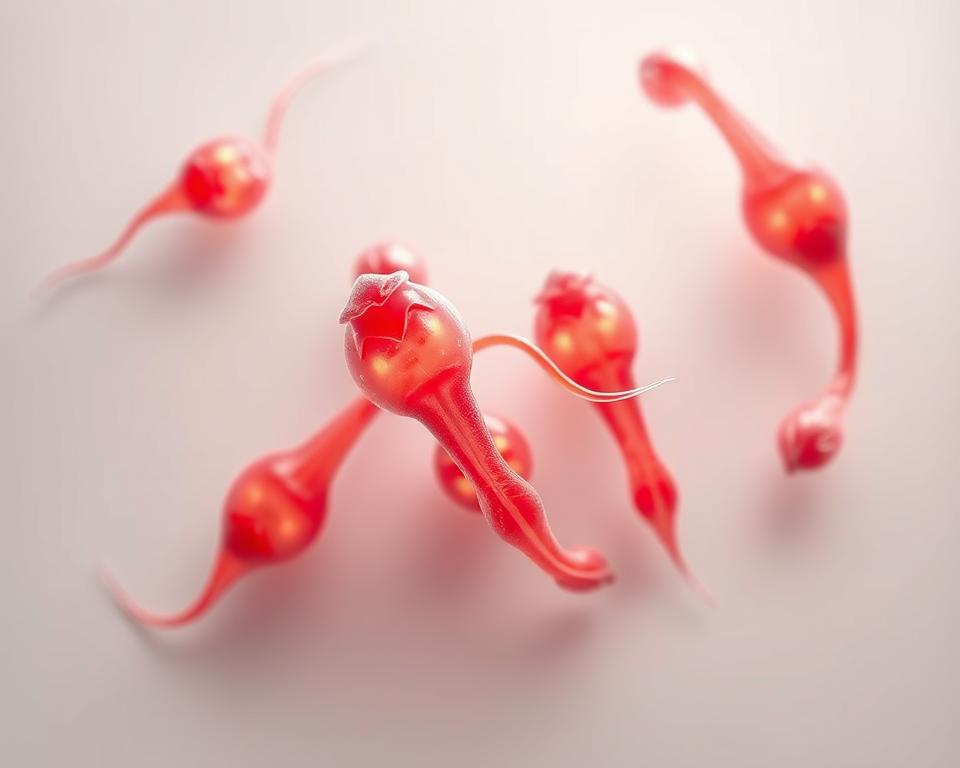
Sperm morphology is key to male fertility. It’s about the shape and structure of sperm. Knowing this helps couples understand how to improve their chances of getting pregnant.
Defining Sperm Morphology
Healthy sperm have certain features:
- Oval heads for better egg penetration.
- Smooth, streamlined tails for effective movement.
Only a few sperm in a typical ejaculate are perfectly shaped. Knowing about sperm morphology helps spot fertility issues. It lets people understand their sperm quality and find ways to improve it.
Common Abnormalities in Sperm Shape
Some common issues with sperm shape include:
- Abnormally shaped heads that might prevent fertilization.
- Coiled tails make it hard for sperm to move.
- Irregular midpieces can also affect movement.
These problems can make it hard to conceive. Knowing about these issues helps people make better choices for their reproductive health.
Sperm Motility: Its Role in Fertility

Sperm motility is key to male fertility, affecting the chance of getting pregnant. It’s important to understand how sperm move. This is because over 50% of sperm need to move well to fertilize an egg.
Things like sperm shape also play a big role in how well they move. This shows how different parts of sperm quality work together.
Understanding Sperm Movement
Sperm movement involves speed and direction. They need to move forward well to fertilize an egg. Tests can check how well sperm move, helping to see if a man can get a woman pregnant.
Types of Sperm Motility
Sperm motility is divided into types based on how they move:
| Type of Motility | Description | Importance |
|---|---|---|
| Progressive Motility | Sperm moving in a straight line or large circles | Essential for reaching the egg |
| Non-Progressive Motility | Sperm that moves but doesn’t make forward progress | May indicate underlying issues impacting fertility |
| Immotile Sperm | Sperm that does not move at all | Directly affects chances of fertilization |
By checking these motility types, doctors can find ways to improve sperm movement. This can help increase a man’s chances of getting a woman pregnant.
Sperm Count: Assessing Male Fertility
Sperm count is key to understanding male fertility. It measures the number of sperm in a certain amount of semen. Knowing about low sperm counts helps couples trying to conceive. It also guides how to improve sperm health.
What Constitutes a Low Sperm Count?
A low sperm count means less than 15 million sperm per milliliter. This can make it harder to get pregnant. Several things can cause low sperm counts, including:
- Hormonal imbalances affecting testosterone or other reproductive hormones.
- Lifestyle factors such as smoking, excessive alcohol consumption, and obesity.
- Environmental factors, including exposure to pesticides and heavy metals.
- Medical conditions like diabetes or infections affecting the reproductive system.
Normal Sperm Count Values According to WHO
The World Health Organization (WHO) sets standards for sperm counts. Here’s what they say is normal:
| Parameter | Normal Range |
|---|---|
| Sperm Count (per mL) | Greater than 20 million |
| Total Sperm Count (entire ejaculate) | Greater than 40 million |
| Sperm Motility | At least 40% motile |
| Sperm Morphology | At least 4% normal forms |
Knowing these standards is vital for checking fertility. By understanding low sperm counts and normal values, you can find ways to improve your chances of having a child.
Factors Affecting Sperm Quality
Understanding what affects sperm quality is key for those trying to conceive. Many things can harm semen analysis parameters, impacting male fertility. Knowing about lifestyle choices and environmental exposures can help improve sperm health.
Health and Lifestyle Impacts on Sperm Quality
Your health and lifestyle choices greatly impact sperm quality. Not getting enough nutrients can lower sperm count and reduce motility. High stress also poses a problem; it can mess with hormone levels needed for sperm production. It’s important to avoid or limit these risks to boost reproductive health. Here are some key factors to consider:
- Nutrition: Eating a balanced diet full of vitamins and minerals helps sperm health.
- Exercise: Regular exercise keeps a healthy weight and hormone levels.
- Avoiding tobacco and excessive alcohol: Both can harm sperm quality.
Environmental and Occupational Hazards
Being exposed to environmental and occupational hazards can harm semen parameters. Pollutants like chemicals and heavy metals can mess with reproductive functions. Endocrine disruptors in plastics and some work environments are big concerns for men. It’s important to know about risks at work and home to keep sperm healthy.
Here are some hazards to watch out for:
- Pesticides and herbicides: Used in farming, these chemicals can lower sperm quality.
- Heavy metals: Lead, mercury, and cadmium can harm sperm health.
- Radiation: Long-term exposure, common in some jobs, can affect fertility.
More Resources to Read:
Infertility Treatment and Surrogacy Process
9 Factors To Improve IVF Pregnancy Rate
International Surrogacy Options Worldwide
Surrogacy Guide for Surrogate Mothers
Conclusion
Understanding sperm health is key for those dealing with fertility issues. A detailed semen analysis offers insights into sperm quality. This knowledge helps individuals make better choices for their reproductive health.
Knowing how to improve sperm quality is also important. Eating right, exercising, and avoiding harmful substances can help. Regular health checks can spot issues early, keeping you informed about your fertility.
Learning about sperm health leads to better decisions when facing fertility challenges. A supportive approach and exploring options can help build a family. It’s a step towards achieving your reproductive goals.
💫 Why Intended Parents Choose Complete Surrogacy for a Safe, Smooth & Successful Surrogacy Journey:
🌍 Access to multiple surrogacy destinations with 15+ years of international experience
🏥 Partnerships with top-tier fertility clinics and agencies, backed by references from past clients
👩🦱 Diverse egg donor options: Asian, Caucasian, African, Oriental, and more
💸 Transparent and affordable pricing—direct payments with no extra agency fees
🔒 No hidden costs—all charges are agreed upon upfront
🤝 Dedicated case manager for personalized support
📲 Fast, honest, and clear communication throughout
📑 Full legal support for visas, documentation, and baby exit processes
🚚 Assistance with frozen sperm/embryo shipment logistics

FAQ-Understanding Sperm Morphology, Motility, and Count
What is sperm morphology?
Sperm morphology is about the size and shape of sperm. It’s key in checking if a man can have kids. Bad shapes can stop sperm from reaching the egg.
Why is sperm motility important for male fertility?
Sperm motility is vital because it shows how well sperm move towards the egg. For a baby to be conceived, over 50% of sperm need to be moving well.
What causes low sperm count?
Low sperm count can come from many things. Hormonal issues, smoking, being overweight, and pollution are some causes.
How is sperm count measured?
Sperm count is checked through a semen analysis. This test looks at how many sperm are in a certain amount of semen. A good count is over 20 million/mL.
What are the normal values for sperm parameters according to WHO?
WHO says a good semen has more than 2.0 mL of volume. It should have more than 20 million/mL of sperm. Also, over 50% of sperm should be moving well, and a certain percentage should look normal.
How can lifestyle affect sperm health?
Lifestyle choices like bad food, smoking, too much alcohol, and stress can hurt sperm health. They can make sperm move less and be of lower quality.
What lifestyle changes can improve sperm quality?
To make sperm better, try eating well, exercising, managing stress, not smoking, and drinking less alcohol.
What role does semen analysis play in male fertility testing?
Semen analysis is a main test for finding out if a man can have kids. It checks sperm count, motility, and shape. This info is key to understanding reproductive health.

Author Bio: Neelam Chhagani is an International Surrogacy Expert with 15 years of experience in the fertility and surrogacy domain. As the founder of IVF Conceptions and Complete Surrogacy, she has guided over 4,000 intended parents worldwide on their surrogacy journey to parenthood. Recognized as a trusted authority, she specializes in holistic infertility solutions and third-party reproduction consulting.
Holding an MA in Counselling Psychology and a PGD in Mental Health, Neelam is a proud member of the European Fertility Society (EFS) and the European Society of Human Reproduction and Embryology (ESHRE). She is also a leading surrogacy blogger, providing valuable insights into ethical and practical surrogacy solutions.
Since 2010, committed to supporting ALL family types, Neelam has been passionate about helping intended parents grow their families with compassion, integrity, and a focus on secure and affordable surrogacy options Globally.
Learn more about Neelam:
https://www.ivfconceptions.com/neelam-chhagani-surrogacy-consultant/
https://www.linkedin.com/in/neelam-chhagani-92892229/














I was introduced to Neelam by a friend who worked with Neelam for surrogacy. Neelam is absolutely wonderful. I am a single male and the journey to fatherhood is not that easy. Neelam connected me to a program ideal for my circumstances. She was with me throughout the pregnancy providing advice and guidance along the way. I am so grateful I found her and am thrilled today that I have a beautiful daughter. I highly recommend Neelam to anyone who is on a journey to become a parent. Having a child has changed my world for the better. I wish others success with their own journey and recommend you connect with Neelam to find a path that is best for you.
SA (USA)