
If you’re planning your parenthood journey through surrogacy, one of the first questions you’ll likely ask is, What are the Requirements of Surrogacy? Surrogacy involves specific medical, legal, and eligibility criteria that both intended parents and surrogates must meet before starting the process.
In this guide, we’ll break down these requirements step by step—covering health standards, legal guidelines, financial readiness, and emotional considerations—so you have a clear picture of what’s needed to begin a safe and successful surrogacy journey.
Quick Reference: Requirements of Surrogacy
| Category | Requirements for Intended Parents | Requirements for Surrogates |
|---|---|---|
| Age | Usually 21–50 (varies by country/program) | Typically 21–38 years old |
| Medical Criteria | Must provide embryos or use donor gametes | Must be in good health, with a proven history of healthy pregnancies |
| Psychological Readiness | Mental health evaluation to ensure preparedness | Must pass psychological screening and counseling sessions |
| Legal Requirements | Must comply with local/national surrogacy laws | Must sign legal agreements confirming consent and rights |
| Financial Readiness | Ability to cover medical, legal, and agency costs | Financial stability; not motivated solely by compensation |
| Lifestyle Factors | No restrictions beyond supporting the surrogate journey | Non-smoker, no substance abuse, stable home environment |
| Support System | Should have emotional and family support | Strong family or partner support during pregnancy |
Key Takeaways
- Surrogacy involves specific eligibility criteria for intended parents and surrogate mothers.
- Understanding the legal aspects is vital to safeguard all parties.
- Health assessments are critical for surrogates to ensure a safe pregnancy.
- Agencies set the standards for surrogacy practices.
- Compensation guidelines outline the financial aspects of surrogacy agreements.
📞 Get in Touch for a Free Surrogacy Consultation
📱 +91-8800481100 (WhatsApp | LINE | Viber)
📧 neelam@ivfconceptions.com

Understanding Surrogacy and Its Importance
Surrogacy is a complex and life-changing process for many individuals and couples. It’s a solution for those facing infertility or medical conditions that prevent pregnancy. The importance of surrogacy goes beyond personal dreams; it offers hope for creating a family. Both intended parents and surrogates need to understand surrogacy well, ensuring they’re ready for the journey.
Surrogacy is not just for heterosexual couples facing infertility. It’s also an option for the LGBTQ community and single parents. Exploring surrogacy helps individuals make choices that fit their personal circumstances and values. So, surrogacy explained is more than just terms; it’s about emotions, responsibilities, and legalities.
As you learn more about surrogacy, you’ll see its role in promoting ethical practices. This knowledge builds trust and transparency, making the journey rewarding for all involved.
What are the Requirements of Surrogacy?
For both intended parents and prospective surrogates, grasping the surrogacy requirements is key. Each must fulfill certain criteria that match the broader surrogacy qualifications. This ensures a successful and ethical journey. We will explore the eligibility for intended parents and the qualifications for surrogates.
Eligibility for Intended Parents
Intended parents face several critical criteria to qualify. These include:
- Awareness of Surrogacy: A deep understanding of the surrogacy process is essential.
- Stable Environment: Parents must ensure a supportive and secure environment for a child.
- Respect for the Surrogate: A respectful partnership is vital for the arrangement’s success.
- Financial Preparedness: Understanding the costs of surrogacy is necessary for accountability.
- Psychological and Background Assessments: These steps confirm emotional readiness and safety for all.
- Support Networks: Family and friends’ involvement is key for emotional and logistical support.
Surrogate Mother Qualifications
Surrogate mothers must adhere to specific guidelines for a healthy and positive experience. Key qualifications include:
- Previous successful pregnancies without complications.
- A stable physical and mental health profile.
- Age range typically between 21 and 40 years.
- No history of substance abuse or severe psychological issues.
- Willingness to undergo medical screening and regular check-ups.
Understanding these aspects fosters an informed approach to surrogacy for all involved.
Gestational Surrogacy Requirements
Understanding the gestational surrogacy requirements is vital for both surrogates and intended parents. The journey to successful surrogacy requires careful consideration of physical health and emotional well-being. Evaluating these factors ensures a positive experience and boosts the chances of a healthy pregnancy.
Physical Health Criteria
To qualify as a surrogate, individuals must meet specific physical health criteria. Surrogates need a strong medical history with no significant complications in previous pregnancies. They should be non-smokers and free from chronic illnesses that could impact pregnancy outcomes. Regular health screenings are key to ensuring surrogates remain in optimal condition throughout the process.
Emotional and Mental Health Factors
Emotional health is a critical factor in the success of the surrogacy journey. Surrogates need to maintain good mental health, as the emotional demands can be high. Surrogates should have a supportive environment and access to counseling if needed. Addressing emotional and mental health factors positively impacts the surrogacy experience, benefiting both the surrogate and the intended parents.
Legal Aspects of Surrogacy

Understanding the legal aspects of surrogacy is vital for all parties involved. Different jurisdictions have various regulations that govern surrogacy. These regulations influence how surrogate legal requirements are established and enforced. The details of a surrogacy agreement are key in protecting the rights of intended parents and surrogates alike.
Surrogate Legal Requirements
The requirements for surrogates vary significantly across states. Typical provisions include:
- Consent to the surrogacy agreement
- Participation in educational sessions on the ethical considerations of surrogacy
- Legal capacity to sign contracts
- Medical evaluations to ensure fitness for pregnancy
Meeting these surrogate legal requirements safeguards the rights of both the surrogate and the intended parents. It lays a solid foundation for the surrogacy process.
Surrogacy Agreement Essentials
A well-structured surrogacy agreement is critical in outlining the roles, responsibilities, and expectations of all parties involved. Key components include:
- Identification of the intended parents and surrogate
- Compensation terms for the surrogate
- Medical decisions and responsibility for healthcare costs
- Provision for legal representation for all parties
- Dispute resolution processes
These elements must be clearly articulated in a surrogacy agreement. This ensures all parties understand their rights and obligations during the surrogacy journey.
Establishing a sound legal framework is essential for navigating the complex emotional and practical terrains of surrogacy. It ensures a positive experience for everyone involved.
Surrogacy Agency Criteria
Choosing the right surrogacy agency is a critical step for all parties. It’s essential to consider several criteria to ensure the agency supports both surrogates and intended parents. Agencies must implement thorough processes to uphold safety and professionalism. This includes a detailed surrogacy screening process and specific eligibility criteria for intended parents.
Screening Processes for Surrogates
Surrogacy agencies have a rigorous screening process for surrogates. This involves evaluating various key factors:
- Health screenings: Surrogates undergo medical assessments to confirm their physical suitability.
- Background checks: Thorough checks ensure integrity and reliability, helping to affirm the surrogate’s history.
- Psychological assessments: These evaluations gauge mental and emotional readiness for surrogacy.
- Reference checks: Agencies often contact previous obstetricians and personal references to validate the surrogate’s support system and past experiences.
Intended Parents’ Eligibility Criteria
Intended parents also have specific criteria to meet when working with a surrogacy agency. Understanding these requirements is key to a smooth matching process. Common criteria include:
- Age requirements: Typically, intended parents should be at least 18 years old.
- Financial stability: Parents must demonstrate adequate financial resources to support the surrogacy process.
- Legal considerations: Understanding and complying with the surrogacy laws in their state are critical for intended parents.
- Emotional readiness: Are the intended parents prepared for the emotional complexities associated with surrogacy?
By following these criteria, both surrogates and intended parents can start their surrogacy journey with confidence. This ensures a supportive environment for successful outcomes.
Surrogacy Process Steps
The surrogacy journey is filled with important steps, ensuring a smooth and collaborative experience for all. Understanding these steps helps clarify what’s ahead. Initial consultations are key in shaping the relationship and expectations between parties.
Initial Consultations and Assessments
Intended parents and surrogates start with consultations. These meetings are vital for establishing mutual understanding. They cover topics like motivations for surrogacy and emotional preparedness.
- Sharing personal stories
- Discussing motivations for surrogacy
- Assessing emotional readiness
Building trust is essential in the surrogacy process. These initial consultations lay the groundwork for future interactions. They set the tone for a collaborative relationship.
Medical Evaluations for Surrogacy
After initial assessments, thorough medical evaluations are necessary. These evaluations check the health and readiness of both intended parents and surrogates. The process includes:
- Physical health screenings
- Gynecological assessments for the surrogate
- Genetic testing, if necessary
Medical evaluations are critical in identifying risks. They ensure everyone is prepared for the surrogacy journey.
Surrogate Compensation Guidelines

Understanding surrogate compensation is key for both intended parents and surrogates in the complex world of surrogacy. This section explores the various aspects of surrogate compensation guidelines. It explains how compensation structures are determined and the reimbursement options available for surrogates. Knowing these details is vital for clarity and informed decision-making during the surrogacy journey.
Understanding Compensation Structures
Surrogate compensation varies based on several factors. These include the surrogate’s location, experience level, and any agency fees. Compensation structures usually include:
- Base Compensation: A fixed amount agreed upon before the surrogacy process begins.
- Bonuses: Extra payments for reaching milestones or for special circumstances.
- Expense Reimbursement: Compensation for pregnancy-related expenses, like medical bills and travel costs.
Expense Reimbursement Explained
Expense reimbursement is a critical part of a surrogate’s compensation package. Surrogacy agreements outline which expenses are eligible for reimbursement. This ensures surrogates don’t face financial stress during the process. Eligible expenses often include:
| Type of Expense | Description |
|---|---|
| Medical Expenses | Costs for prenatal care, ultrasounds, and necessary medical treatments during pregnancy. |
| Travel Costs | Expenses for travel to medical appointments and other surrogacy activities. |
| Legal Fees | Costs for legal representation in drafting and reviewing surrogacy contracts. |
| Miscellaneous Costs | Expenses like maternity clothing or childcare during pregnancy. |
More Resources to Read:
Infertility Treatment and Surrogacy Process
9 Factors To Improve IVF Pregnancy Rate
International Surrogacy Options Worldwide
Surrogacy Guide for Surrogate Mothers
Conclusion
Knowing the requirements of surrogacy is the first step to preparing for a smooth and successful journey. From age and health criteria to legal, psychological, and financial readiness, both intended parents and surrogates must meet clear standards to ensure safety and trust throughout the process.
These requirements are not barriers, but safeguards designed to protect everyone involved and to create the best possible environment for bringing a child into the world. By understanding what’s needed upfront, you can move forward with confidence and begin your surrogacy journey on the right foundation.
👉 If you’re ready to explore your options and want guidance tailored to your situation, reach out to us today. Our team can walk you through the requirements, country-specific rules, and help you take the next step toward parenthood.
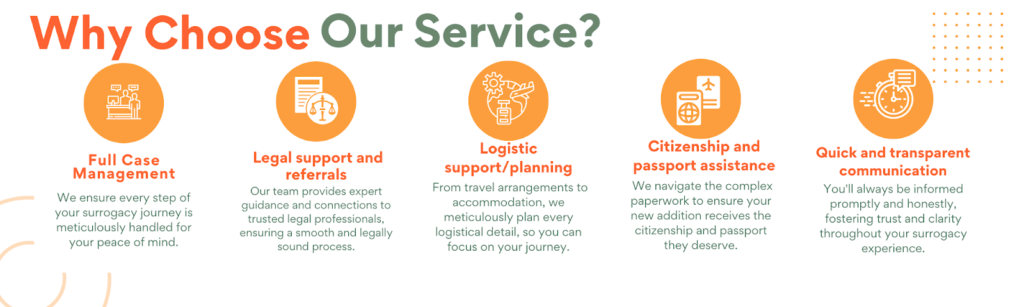
Why Intended Parents Choose Complete Surrogacy for a Safe, Smooth & Successful Surrogacy Journey:
🌍 Access to multiple surrogacy destinations with 15+ years of international experience
🏥 Partnerships with top-tier fertility clinics and agencies, backed by references from past clients
👩🦱 Diverse egg donor options: Asian, Caucasian, African, Oriental, and more
💸 Transparent and affordable pricing—direct payments with no extra agency fees
🔒 No hidden costs—all charges are agreed upon upfront
🤝 Dedicated case manager for personalized support
📲 Fast, honest, and clear communication throughout
📑 Full legal support for visas, documentation, and baby exit processes
🚚 Assistance with frozen sperm/embryo shipment logistics
FAQs for eligibility requirements for surrogacy for Intended parents and for surrogate mothers
What are the general eligibility requirements for intended parents in a surrogacy arrangement?
Intended parents need to understand surrogacy well and live in a stable setting. They must respect the surrogate and be financially ready for the costs. Psychological assessments and criminal background checks are also required. Having a reliable support network is key.
What are the qualifications needed for a surrogate mother?
Surrogate mothers should be in excellent physical health and have a history of healthy pregnancies. They must not smoke and have no severe health issues. Emotional readiness and a supportive environment are also critical.
What legal aspects should surrogates be aware of?
Legal requirements vary by state, but surrogates must consent to the agreement and attend sessions on ethical considerations. They must also negotiate legal agreements with intended parents to protect everyone’s rights before pregnancy starts.
How does the surrogacy agency screen prospective surrogates?
Agencies conduct detailed evaluations, including background checks, psychological assessments, and health screenings. This ensures candidates meet the necessary standards for surrogacy.
What steps are involved in the surrogacy process?
The process starts with consultations where intended parents and surrogates discuss their motivations and emotional readiness. Then, medical evaluations and psychological assessments follow. Legal agreements and pregnancy planning come next.
How is compensation structured for surrogates?
Compensation for surrogates depends on location, experience, and agency fees. It includes a base compensation, bonuses for performance, and reimbursement for pregnancy-related expenses.
What are the emotional and mental health factors a surrogate must consider?
Surrogates need to be emotionally and mentally prepared for the journey. They must manage any attachment to the child, communicate well with intended parents, and maintain emotional well-being.
Are there any medical evaluations required for surrogacy?
Yes, medical evaluations are critical for surrogates to assess their health and pregnancy capability. These evaluations include medical history reviews, physical exams, and consultations with reproductive specialists.

Author Bio: Neelam Chhagani is an International Surrogacy Expert with 15 years of experience in the fertility and surrogacy domain. As the founder of IVF Conceptions and Complete Surrogacy, she has guided over 4,000 intended parents worldwide on their surrogacy journey to parenthood. Recognized as a trusted authority, she specializes in holistic infertility solutions and third-party reproduction consulting.
Holding an MA in Counselling Psychology and a PGD in Mental Health, Neelam is a proud member of the European Fertility Society (EFS) and the European Society of Human Reproduction and Embryology (ESHRE). She is also a leading surrogacy blogger, providing valuable insights into ethical and practical surrogacy solutions.
Since 2010, committed to supporting ALL family types, Neelam has been passionate about helping intended parents grow their families with compassion, integrity, and a focus on secure and affordable surrogacy options Globally.
Learn more about Neelam:
https://www.ivfconceptions.com/neelam-chhagani-surrogacy-consultant/
https://www.linkedin.com/in/neelam-chhagani-92892229/















I was introduced to Neelam by a friend who worked with Neelam for surrogacy. Neelam is absolutely wonderful. I am a single male and the journey to fatherhood is not that easy. Neelam connected me to a program ideal for my circumstances. She was with me throughout the pregnancy providing advice and guidance along the way. I am so grateful I found her and am thrilled today that I have a beautiful daughter. I highly recommend Neelam to anyone who is on a journey to become a parent. Having a child has changed my world for the better. I wish others success with their own journey and recommend you connect with Neelam to find a path that is best for you.
SA (USA)