
About 1 in 8 couples in the United States face infertility. This makes assisted reproductive technology very important for them. Treatments like IVF and ICSI have changed reproductive medicine, giving hope to many wanting to start a family.
When facing infertility, one of the most common dilemmas for couples is deciding between IVF vs ICSI. While both treatments are forms of assisted reproductive technology (ART) designed to help with conception, they differ in how the sperm fertilizes the egg. IVF (In Vitro Fertilization) relies on natural fertilization in a lab dish, whereas ICSI (Intracytoplasmic Sperm Injection) involves directly injecting a single sperm into an egg. But which one is right for you?
In this guide, we break down the key differences, success rates, and costs of IVF vs ICSI, and help you understand when each method is recommended. Whether you’re dealing with male factor infertility or repeated IVF failures, making an informed choice can bring you one step closer to parenthood.
🧬 IVF vs ICSI: Key Differences at a Glance
| Feature | IVF (In Vitro Fertilization) | ICSI (Intracytoplasmic Sperm Injection) |
|---|---|---|
| Fertilization Method | Sperm and egg are mixed in a dish to allow natural fertilization | A single sperm is directly injected into the egg |
| Best For | Unexplained infertility, female factor, mild male infertility | Severe male infertility, low sperm count or motility, previous IVF failure |
| Procedure Complexity | Standard lab procedure | More technically advanced; requires micromanipulation |
| Sperm Requirement | Requires a higher sperm count and motility | Only one healthy sperm is needed per egg |
| Fertilization Control | Natural selection (sperm penetrates the egg naturally) | An embryologist manually selects sperm for fertilization |
| Cost | Lower than ICSI (in most clinics) | Slightly higher due to lab expertise and equipment |
| Success Rate (per cycle) | 35–55% (varies by age and clinic) | 40–60% (higher in male factor infertility cases) |
| Risk of Egg Damage | Low | Slightly higher due to sperm injection into the egg |
| Used With Donor Sperm/Eggs | Yes | Yes |
Key Takeaways
- IVF and ICSI are advanced fertility treatments with distinct fertilization methods
- Success rates vary based on individual medical circumstances
- A comprehensive medical evaluation is essential before choosing a treatment
- Both treatments require specialized medical expertise
- Emotional support is as important as medical intervention
📞 Get in Touch for a Free Surrogacy Consultation
📱 +91-8800481100 (WhatsApp | LINE | Viber)
📧 neelam@ivfconceptions.com
Understanding Assisted Reproductive Technologies
Fertility treatments have changed how people and couples deal with reproductive issues. In vitro fertilization and intracytoplasmic sperm injection are two key methods. They give hope to those who can’t conceive naturally.
Today, there are many options for those facing fertility problems. These advanced methods help couples overcome pregnancy obstacles. They use cutting-edge science to help.
What is In Vitro Fertilization (IVF)
In vitro fertilization is a detailed process to help with fertility and prevent genetic issues. It involves several important steps:
- Ovarian stimulation to produce multiple eggs
- Egg retrieval from the woman’s ovaries
- Fertilization of eggs in a laboratory setting
- Embryo transfer into the uterus
What is Intracytoplasmic Sperm Injection (ICSI)
Intracytoplasmic sperm injection is a sophisticated version of IVF. It tackles specific fertility problems. This method involves:
- Selecting a single high-quality sperm
- Directly injecting the sperm into a mature egg
- Providing a more controlled fertilization process
Key Differences in Fertilization Methods
| Characteristic | Traditional IVF | ICSI |
|---|---|---|
| Fertilization Approach | Sperm are placed near the egg | Sperm is directly injected into the egg |
| Best Used For | Standard fertility issues | Severe male factor infertility |
| Sperm Selection | Natural selection | Manually selected |
Each method has its own benefits for different fertility challenges. Knowing about these techniques helps patients make better choices for their fertility journey.
IVF vs ICSI: Comparing Treatment Approaches
Understanding the differences between IVF and ICSI is key when exploring fertility options. Both treatments help with infertility, but they use different ways to fertilize eggs.
At the start, both IVF and ICSI follow the same steps. Patients get ovarian stimulation and egg retrieval. This sets the stage for a possible pregnancy. The big difference comes in how the eggs are fertilized.
- In traditional IVF, sperm selection occurs naturally
- ICSI involves direct sperm injection into each egg
- Fertilization rates vary between these approaches
IVF lets sperm compete naturally to fertilize the egg. Embryologists prepare sperm and place them near the eggs. This method works well for couples with few fertility issues.
ICSI is a more precise method. Embryologists pick a single sperm and inject it into the egg. This is great for those with severe male infertility or past fertilization failures.
Selecting the right fertility treatment depends on individual medical histories and specific reproductive challenges.
Both IVF and ICSI aim to create healthy embryos. Success rates depend on age, health, and medical conditions. Talking to reproductive specialists helps choose the best treatment for each person’s journey.
When to Choose ICSI Treatment
Understanding when to use Intracytoplasmic Sperm Injection (ICSI) is key in male infertility treatment. It’s a powerful tool for couples facing fertility hurdles. It helps tackle tough fertility problems with targeted solutions.
Fertility experts suggest ICSI in certain critical cases. These are when usual fertility treatments don’t work well.
Male Factor Infertility Challenges
ICSI is a strong solution for male fertility issues. It’s helpful when sperm quality is a big problem. Signs include:
- Extremely low sperm count (oligospermia)
- Poor sperm motility
- Abnormal sperm shape
- Genetic issues in sperm
Previous Unsuccessful IVF Attempts
Couples who’ve tried IVF without success might find ICSI helpful. It injects a sperm directly into an egg. This method can overcome fertilization hurdles and boost embryo chances.
Specialized Medical Conditions
Some medical conditions make ICSI a top choice. These include:
- Retrograde ejaculation
- Need for surgical sperm extraction
- Genetic disorders affecting fertility
- Unexplained fertilization failures
ICSI is a cutting-edge way to tackle tough male fertility challenges. It gives couples new hope for overcoming infertility.
Understanding Traditional IVF Benefits
Traditional in vitro fertilization (IVF) is a key fertility treatment. It helps couples who are having trouble getting pregnant. This advanced technology offers many ways to achieve successful pregnancies.
IVF is very helpful for certain fertility issues. It’s great for:
- Blocked fallopian tubes
- Endometriosis
- Unexplained infertility
- Advanced maternal age
During egg retrieval, doctors stimulate the ovaries to get more eggs. This increases the chances of fertilization and embryo growth. Traditional IVF uses natural sperm selection, making it more organic than other methods.
| IVF Benefit | Potential Outcome |
|---|---|
| Multiple Egg Retrieval | Higher Fertilization Chances |
| Natural Sperm Selection | Improved Genetic Screening |
| Comprehensive Fertility Assessment | Personalized Treatment Strategy |
Successful pregnancies depend on many things. These include age, health, and reproductive traits. Talking to a reproductive specialist can help decide if IVF is right for you.
Success Rates and Effectiveness

It’s important to know about pregnancy success rates when looking into fertility treatments. The path through assisted reproductive technologies is complex. Success rates vary a lot based on different factors.
When thinking about successful pregnancies, consider these key points:
- Patient’s age
- Underlying fertility conditions
- Specific fertility treatments used
- Clinic’s expertise and technology
Age-Related Success Factors
Age is a big factor in pregnancy success rates. Women under 35 usually have better success rates with fertility treatments. Research shows that younger patients have better outcomes.
Pregnancy Outcomes by Age Group
Fertility treatments have different success rates for different ages:
- Under 35: About 50-55% success rate
- 35-37: Around 40-45% success rate
- 38-40: Roughly 30-35% success rate
- 41-42: About 20-25% success rate
Live Birth Statistics
Live birth rates give a clearer picture of fertility treatment success. While pregnancy success is key, the goal is a healthy baby. Clinics with advanced reproductive technologies can help you understand your chances.
Getting a personalized assessment is key to predicting success with fertility treatments.
Treatment Risks and Considerations
Assisted reproductive technologies are complex. They involve careful evaluation of risks. Patients should know the challenges of IVF and ICSI treatments.
Key risks include:
- Ovarian hyperstimulation syndrome
- Multiple pregnancy risk
- Increased ectopic pregnancy risk
- Potential psychological stress
Modern reproductive technologies have lowered risks. Comprehensive screening and personalized medical protocols help manage many concerns.
For ICSI, genetic implications are a concern. While risks are low, understanding your medical history is key.
Emotional readiness is also vital. Fertility treatments can be tough. They need strong psychological support and clear expectations.
Patient education and open communication with healthcare providers are fundamental to navigating risks effectively.
Exploring assisted reproductive technologies? Focus on:
- Comprehensive medical consultations
- Detailed risk assessments
- Psychological counseling
- Realistic treatment expectations
Choosing a reputable fertility clinic is important. It can improve treatment safety and success.
Additional Resources to Read:
9 Factors To Improve IVF Pregnancy Rate
IVF With Egg Donor Success Rates
How To Choose Between IVF and IUI
What is Mitochondrial Donation IVF Treatment
Conclusion
Choosing between IVF and ICSI depends on your unique fertility diagnosis, especially in cases involving male infertility, poor egg quality, or previous fertilization failure. While ICSI offers a higher chance of fertilization in certain cases, IVF remains the standard approach for many couples with unexplained or female-related infertility.
By working closely with your fertility specialist and understanding the pros, cons, and cost implications of each method, you can confidently select the fertility treatment best suited to your situation. Your journey to parenthood is personal—and with the right approach, entirely possible.
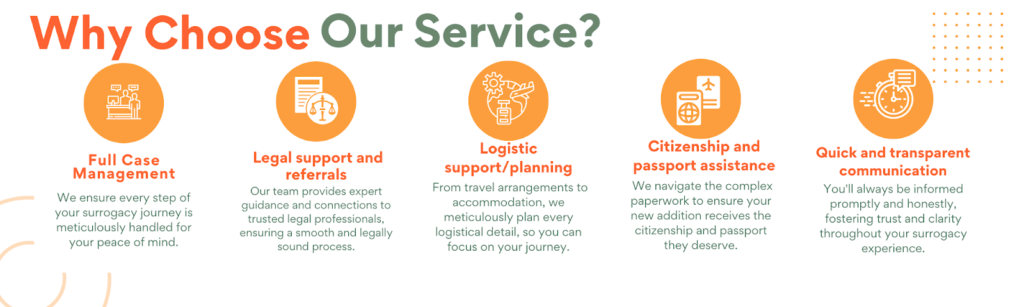
💫 Why Intended Parents Choose Complete Surrogacy for a Safe, Smooth & Successful Surrogacy Journey:
🌍 Access to multiple surrogacy destinations with 15+ years of international experience
🏥 Partnerships with top-tier fertility clinics and agencies, backed by references from past clients
👩🦱 Diverse egg donor options: Asian, Caucasian, African, Oriental, and more
💸 Transparent and affordable pricing—direct payments with no extra agency fees
🔒 No hidden costs—all charges are agreed upon upfront
🤝 Dedicated case manager for personalized support
📲 Fast, honest, and clear communication throughout
📑 Full legal support for visas, documentation, and baby exit processes
🚚 Assistance with frozen sperm/embryo shipment logistics
FAQs for IVF vs ICSI
What is the main difference between IVF and ICSI?
IVF and ICSI differ in how they fertilize eggs. In IVF, sperm are placed near the egg to fertilize naturally. ICSI, on the other hand, injects a single sperm into the egg using a special technique. This method is used when there are male fertility issues or past fertilization problems.
Who might benefit most from ICSI treatment?
ICSI is best for couples facing male fertility problems. This includes low sperm count, poor motility, or abnormal shape. It’s also good for those who have failed IVF before, have genetic concerns, or need surgically extracted sperm.
How do success rates differ between IVF and ICSI?
Success rates depend on age, fertility issues, and clinic skill. Both treatments have similar success rates, but age is key. Younger patients usually have better success rates.
Are there any increased risks with ICSI compared to traditional IVF?
ICSI might slightly increase the risk of developmental issues, but research shows this risk is low. Both treatments have similar side effects, like ovarian hyperstimulation syndrome and multiple pregnancies.
How long does a typical IVF or ICSI treatment cycle take?
A typical cycle lasts 4-6 weeks. It includes ovarian stimulation, egg retrieval, fertilization, and embryo transfer. You’ll need many appointments, hormonal treatments, and monitoring by fertility experts.
What factors should we consider when choosing between IVF and ICSI?
Consider your infertility cause, past treatments, sperm quality, age, and medical conditions. Talking to a fertility specialist is key to choosing the right treatment for you.
Can ICSI help with unexplained infertility?
ICSI might help with unexplained infertility, but it’s not always the first choice. A full fertility check is needed to find the best treatment, as unexplained infertility may require different approaches.
What is the emotional impact of fertility treatments?
Fertility treatments can be emotionally tough, causing stress and anxiety. Many clinics offer counseling to help with these feelings.
How much do IVF and ICSI treatments typically cost?
Costs vary by location, treatment needs, and insurance. Prices range from $12,000 to $25,000 per cycle. ICSI might cost a bit more due to its special technique.
Are there any lifestyle changes recommended during fertility treatments?
A healthy lifestyle is recommended. This includes balanced eating, exercise, stress management, avoiding harmful substances, and supplements. Your fertility specialist can give you personalized advice.
- Society for Assisted Reproductive Technology (SART)
- https://www.sart.org

Author Bio: Neelam Chhagani is an International Surrogacy Expert with 15 years of experience in the fertility and surrogacy domain. As the founder of IVF Conceptions and Complete Surrogacy, she has guided over 4,000 intended parents worldwide on their surrogacy journey to parenthood. Recognized as a trusted authority, she specializes in holistic infertility solutions and third-party reproduction consulting.
Holding an MA in Counselling Psychology and a PGD in Mental Health, Neelam is a proud member of the European Fertility Society (EFS) and the European Society of Human Reproduction and Embryology (ESHRE). She is also a leading surrogacy blogger, providing valuable insights into ethical and practical surrogacy solutions.
Since 2010, committed to supporting ALL family types, Neelam has been passionate about helping intended parents grow their families with compassion, integrity, and a focus on secure and affordable surrogacy options Globally.
Learn more about Neelam:
https://www.ivfconceptions.com/neelam-chhagani-surrogacy-consultant/
https://www.linkedin.com/in/neelam-chhagani-92892229/















I was introduced to Neelam by a friend who worked with Neelam for surrogacy. Neelam is absolutely wonderful. I am a single male and the journey to fatherhood is not that easy. Neelam connected me to a program ideal for my circumstances. She was with me throughout the pregnancy providing advice and guidance along the way. I am so grateful I found her and am thrilled today that I have a beautiful daughter. I highly recommend Neelam to anyone who is on a journey to become a parent. Having a child has changed my world for the better. I wish others success with their own journey and recommend you connect with Neelam to find a path that is best for you.
SA (USA)