

The main difference between egg donors and frozen eggs from a bank is that the former use a fresh egg from the donor for fertilization, whereas frozen eggs are previously frozen and then used for fertilization. Considering family planning, have you ever wondered if choosing an egg donor or a frozen egg bank is the better path to parenthood?
This fundamental decision can significantly shape your journey to building a family. In this comprehensive guide, we will explore the emotional and practical implications of your fertility choices, examining the various donor egg options available to you.
It’s essential to approach this topic with informed compassion, as understanding the egg donation process is crucial in making the right decision that aligns with your circumstances and preferences.
Key Takeaways
- Understanding the differences between using an egg donor and a frozen egg bank.
- Evaluating emotional and practical implications related to fertility choices.
- Insights into the various donor egg options available.
- The role of informed decision-making in the egg donation process.
- How personal circumstances can influence your choice.
📞 Get in Touch for a Free Surrogacy Consultation
📱 +91-8800481100 (WhatsApp | LINE | Viber)
📧 neelam@ivfconceptions.com
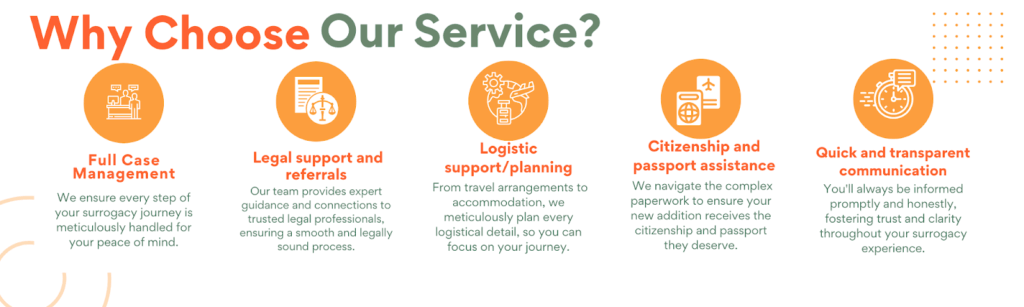
💫 Why Intended Parents Choose Complete Surrogacy for a Safe, Smooth & Successful Surrogacy Journey:
- 🌍 Access to multiple surrogacy destinations with 15+ years of international experience
- 🏥 Partnerships with top-tier fertility clinics and agencies, backed by references from past clients
- 👩🦱 Diverse egg donor options: Asian, Caucasian, African, Oriental, and more
- 💸 Transparent and affordable pricing—direct payments with no extra agency fees
- 🔒 No hidden costs—all charges are agreed upon upfront
- 🤝 Dedicated case manager for personalized support
- 📲 Fast, honest, and clear communication throughout
- 📑 Full legal support for visas, documentation, and baby exit processes
- 🚚 Assistance with frozen sperm/embryo shipment logistics
Understanding Egg Donation Options
When considering fertility treatment, understanding the various donor egg options plays a vital role. Two primary choices exist: fresh donor eggs and frozen donor eggs. Each has distinct characteristics and implications that potential parents must consider to make informed decisions.
Fresh Donor Eggs vs. Frozen Donor Eggs
Fresh donor eggs are immediately collected and fertilized, which often results in a higher success rate because the eggs are used shortly after retrieval. In contrast, frozen donor eggs are harvested, preserved, and can be utilized at a later time, making them a versatile choice. This distinction allows couples to weigh the benefits of freshness against the convenience of scheduling when it comes to their fertility journey.
The Importance of Choosing the Right Option
Evaluating the advantages of both fresh and frozen donor eggs is crucial. Potential parents should reflect on aspects such as genetic connection and emotional readiness. Frozen egg bank benefits include flexibility in treatment timing and availability of a diverse range of donors, which may foster a more inclusive family planning experience. Consulting with fertility specialists can provide clarity on which options align with personal values and family goals.
Pros of Using Fresh Egg Donors
Choosing fresh egg donors offers several notable advantages that can significantly enhance the egg donation process. Families often find this option appealing for various reasons, especially in terms of quantity and quality of eggs.
Higher Number of Eggs Retrieved
One significant advantage of using fresh egg donors is the potential to retrieve a larger number of eggs. With fresh donations, clinics typically obtain between 10 to 20 eggs, which increases the chances for successful embryo implantation. This larger yield can provide more opportunities for creating viable embryos, ultimately enhancing the likelihood of pregnancy.
Genetic Connection Opportunities
Another key benefit of fresh egg donors is the opportunity for families to establish biological connections with their children. Since fresh donor eggs come directly from a live donor, they offer a genetic link that may be important for some families. This connection can be a vital consideration for aspiring parents who wish to contribute genetically to their child’s future.
Immediate Fertilization of Eggs
Fresh eggs allow for immediate fertilization after retrieval. This aspect can streamline the overall egg donation process, facilitating quick embryo development. Immediate fertilization can lead to improved embryo quality, as the eggs are used in their prime state, which may ultimately increase success rates in achieving pregnancy.
Benefits of Frozen Egg Banks
Choosing a fertility approach that works for you is essential. The frozen egg bank offers numerous advantages that can significantly enhance your reproductive journey. Couples can enjoy not only flexibility but also affordability when considering their options. Understanding the frozen egg bank benefits can empower you to make informed decisions about starting or expanding your family.
Convenience in Scheduling
One key benefit of using a frozen egg bank lies in its convenience regarding scheduling. Couples no longer need to align their cycles with those of the donors. This flexibility streamlines the process, allowing treatments to be completed in as little as six to eight weeks, compared to the three to five months often required for fresh donor cycles.
Cost-Effectiveness Compared to Fresh Cycles
The cost-effectiveness of frozen eggs makes them an attractive option for many families. Processes involving frozen eggs typically cost around half of what fresh cycles do. This significant financial advantage ensures that more families can access fertility treatments that meet their aspirations without the burden of excessive financial strain.
Access to a Wider Selection of Donors
Another noteworthy benefit is access to a broader selection of donors. Frozen egg banks provide a variety of options regarding donor attributes, enhancing the personalization of your choice. You can explore diverse backgrounds, traits, and characteristics, allowing families to select a donor that aligns with their preferences.
| Benefit | Description |
|---|---|
| Convenience | Flexibility in scheduling treatments, reducing waiting times |
| Cost-Effectiveness | Typically half the price of fresh egg cycles |
| Variety of Donors | Access to diverse donor profiles for personalized choices |
Egg Donor vs. Frozen Egg Bank: Key Differences
Choosing between using an egg donor and selecting a frozen egg bank involves understanding several critical factors that can significantly impact treatment outcomes. These two options offer unique advantages, particularly regarding timing and treatment planning flexibility.
Timing and Fertilization Processes
When engaging in comparing egg donation and frozen egg banking, it’s essential to consider the timing of fertility treatments. Fresh donor eggs require both the donor and recipient to synchronize their menstrual cycles, which can complicate planning. In contrast, frozen eggs allow for greater flexibility. They can be thawed and fertilized when it suits the recipient’s schedule, minimizing stress and allowing for optimal timing for fertility procedures.
Flexibility in Treatment Planning
Flexibility is another crucial aspect when evaluating egg donor vs. frozen egg bank options. Utilizing frozen eggs means potential parents can better control their treatment timelines. This flexibility aids in avoiding the pressure of aligning cycles with a fresh donor, helping to create a more accommodating experience during a potentially challenging time. Understanding these differences empowers you to choose the most suitable path for your individual circumstances.
Evaluating the Egg Donation Process
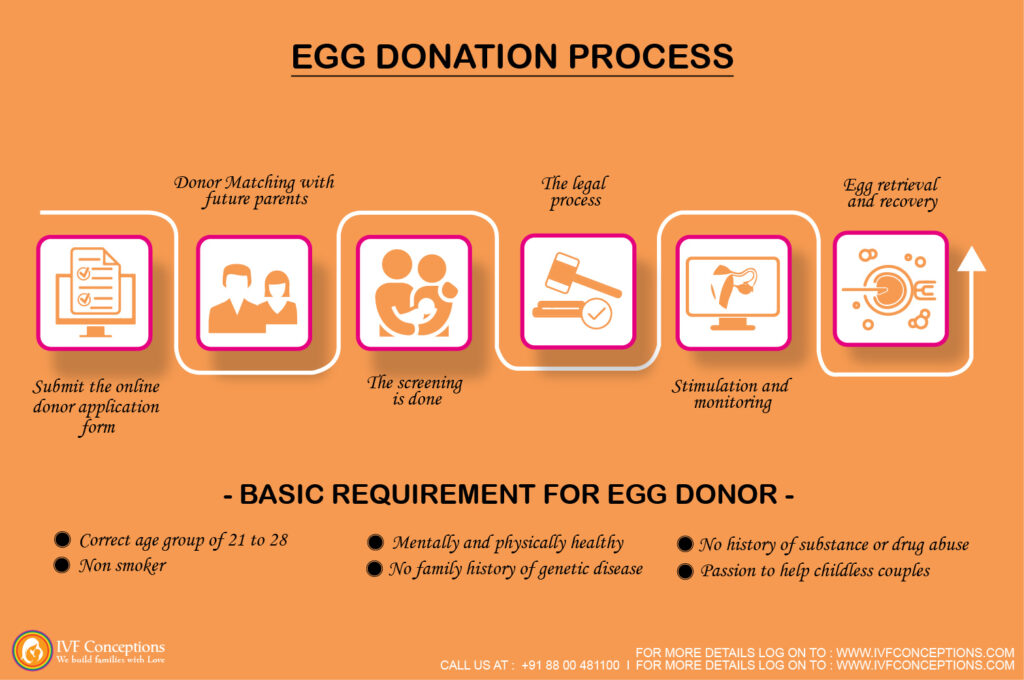
Understanding the intricacies of the egg donation process is crucial for intended parents. This journey begins with evaluating egg donor banks, where potential donors are carefully screened to ensure they meet specific eligibility and health guidelines. Thorough assessments help maintain the highest standards for egg donor requirements.
Screening and Eligibility of Egg Donors
The screening of egg donors involves multiple evaluations, including physical health, genetic testing, and psychological assessments. These stages assess the donor’s overall well-being and ability to undergo the donation process effectively. It is essential for donors to provide a comprehensive medical history, as this information significantly impacts eligibility.
What to Expect During the Donation Process
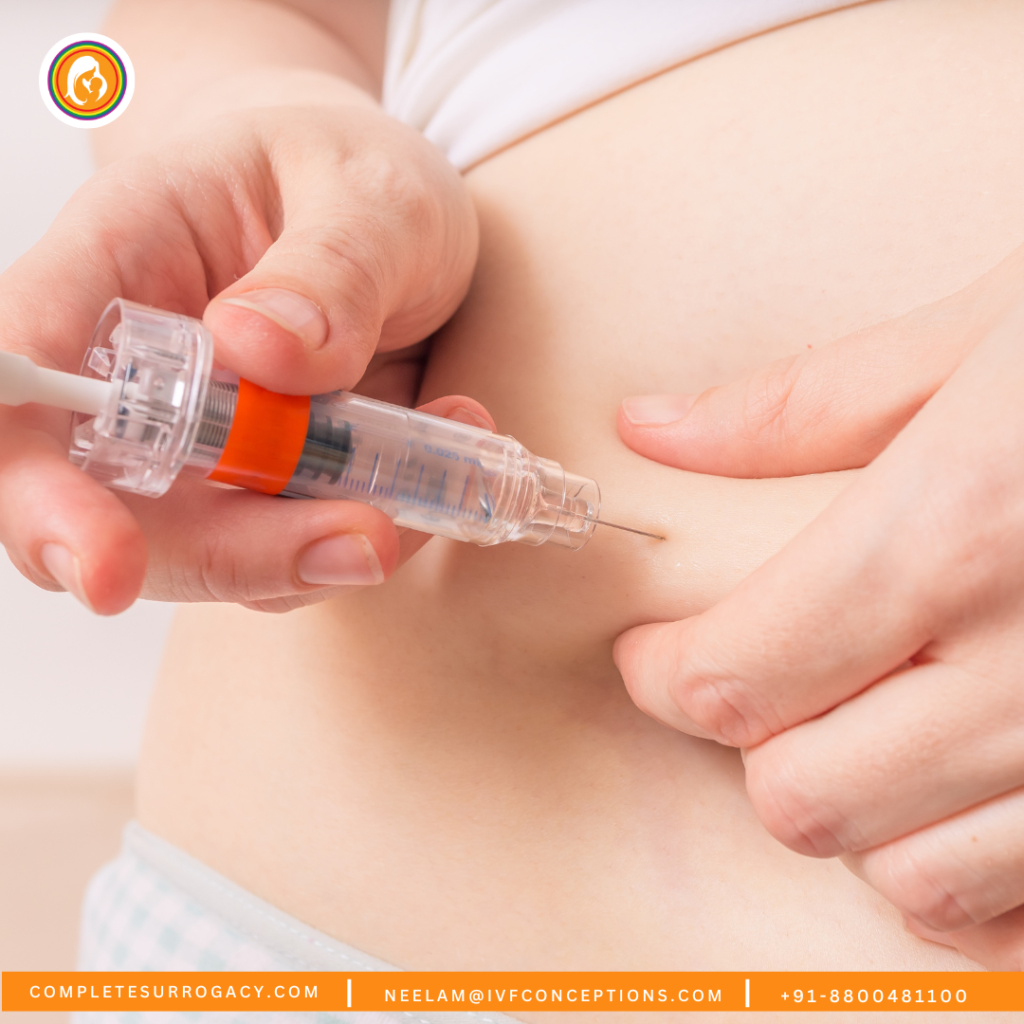
During the egg donation process, potential donors undergo hormonal treatments to stimulate egg production. Follow-up appointments and monitoring are common, culminating in the retrieval procedure. Understanding these steps can help intended parents comprehend the emotional and physical implications of the donation journey while ensuring clear communication around ethical considerations involved.
Success Rates of Frozen Egg Banks
Understanding the frozen egg bank success rates can significantly influence your fertility journey. With advancements in reproductive technology, particularly in the thawing and fertilization processes, statistics show promising outcomes for both fresh and frozen eggs. Many fertility clinics now exhibit similar live birth rates for both options, bringing peace of mind to those considering their choices.
Comparing Live Birth Rates of Fresh and Frozen Eggs
When evaluating the effectiveness of fertility options, analyzing live birth rates becomes essential. Recent data reveal that the gap between fresh and frozen egg success rates is narrowing substantially. Clinics report live birth rates as high as 65-70% for both methods. These figures indicate that families opting for frozen egg banking can anticipate results comparable to those using fresh donor eggs.
Potential for Genetic Testing with Frozen Eggs
The journey to parenthood can include concerns about genetic abnormalities. Utilizing frozen eggs opens doors to advanced genetic testing, such as Preimplantation Genetic Testing for Aneuploidy (PGT-A). This essential screening step helps identify viable embryos before implantation, enhancing the likelihood of healthier outcomes. Such capabilities enhance the overall appeal of comparing fresh vs frozen eggs for prospective parents.
| Fertility Option | Live Birth Rate | Genetic Testing Available |
|---|---|---|
| Fresh Eggs | 65-70% | Limited |
| Frozen Eggs | 65-70% | Available (e.g. PGT-A) |
Choosing the Right Egg Donor Agency
Selecting the ideal egg donor agency is a crucial step in the fertility journey. Prospective parents must assess various factors to ensure that the agency aligns with their personal values and needs. An understanding of the agency’s reliability, transparency, and success rates is essential in this process. Looking for the best egg donor agency entails examining their history and practices.
Factors to Consider When Selecting an Agency
- History and Reputation: Investigate the agency’s background and client reviews.
- Screening Processes: Understand the criteria used for selecting egg donors.
- Success Rates: Review the agency’s statistics on live births and pregnancies achieved.
- Support Services: Determine what emotional and logistical support is offered.
Reviewing Egg Donor Agencies for Reliability
A comprehensive egg donor agency comparison helps in evaluating your options. Check for transparency in their operations and how they communicate with clients. A reliable agency will provide clear information regarding fees and procedures, enabling parents to make informed decisions. Remember, the best egg donor agency should not only meet your expectations but also support you through each step of the process.
Cost of Egg Donor vs. Frozen Egg Bank – A Comparison
Understanding the financial implications of choosing between an egg donor and a frozen egg bank is crucial for prospective parents. An egg donor’s cycle can average costs ranging from $43,000 to $49,000 or more. This figure typically includes the donor compensation, medical expenses, and laboratory fees. In contrast, the cost of utilizing a frozen egg bank starts at approximately $21,615, making it a more affordable option, almost half the price of fresh cycles.
While the initial costs are significant factors, they should not be the only consideration. Evaluating the long-term effectiveness and potential success rates plays an essential role in making a decision. Higher birth rates reported by certain clinics that offer egg donor services may justify the increased expenditure for some families, potentially resulting in a lower total cost over time.
Exploring frozen egg bank financing options can provide additional support in managing these expenses. Many clinics and banks offer payment plans, grants, or loans to help individuals and couples navigate the financial landscape of fertility treatments.
| Options | Cost Range | Potential Benefits |
|---|---|---|
| Fresh Egg Donor | $43,000 – $49,000+ | Higher number of retrieved eggs, immediate fertilization |
| Frozen Egg Bank | Starting at $21,615 | More affordable, greater selection of donors |
Conclusion
The choice between an egg donor and a frozen egg bank is a pivotal decision that requires a comprehensive evaluation of your unique circumstances, emotional needs, and practical considerations. By comparing egg donation and frozen egg banking, individuals can better understand which option aligns with their fertility aspirations. Each approach offers distinct advantages and potential drawbacks, making it essential to weigh them thoughtfully.
This guide seeks to empower prospective parents with the necessary information to navigate the complexities of egg donor vs. frozen egg bank options. Engaging with fertility specialists and utilizing available resources can significantly alleviate concerns, providing clarity and confidence in choosing the best path for family building. Your journey toward parenthood is significant, and informed decisions are key to achieving your goals.
📞 Get in Touch for a Free Surrogacy Consultation
📱 +91-8800481100 (WhatsApp | LINE | Viber)
📧 neelam@ivfconceptions.com
FAQs for fresh egg donors vs frozen eggs
What are the differences between using an egg donor and a frozen egg bank?
The main differences involve timing and genetic connection. Fresh donor eggs require synchronization of cycles between the donor and recipient, while frozen eggs offer more flexibility in scheduling treatment. Additionally, using fresh donor eggs may provide a potential genetic connection, whereas frozen eggs do not allow for this.
What are the benefits of using fresh donor eggs?
Fresh donor eggs can yield a higher number of eggs (typically 10 to 20), enhancing the likelihood of successful embryo implantation. This option also allows for immediate fertilization, creating a stronger biological link for families who value genetic connection.
Why might someone choose a frozen egg bank?
Frozen egg banks offer significant advantages, including scheduling flexibility, potentially lower costs (often around half the price of fresh cycles), and a wider selection of donors. These factors can make the process easier and more accessible for many aspiring parents.
What can I expect during the egg donation process?
The egg donation process includes a rigorous screening of potential donors, involving health evaluations, genetic testing, and psychological assessments. Intended parents can expect to learn about hormonal treatments for donors and the retrieval process, providing insight into the logistics and emotional aspects involved.
How successful are frozen egg banks compared to fresh eggs?
Success rates for frozen egg banks have improved significantly, with many fertility clinics reporting live birth rates comparable to fresh eggs, often as high as 65-70%. Additionally, advancements in genetic testing can help ensure healthier embryos, offering peace of mind for families choosing frozen options.
How can I choose a reliable egg donor agency?
When selecting an egg donor agency, consider factors like the agency’s track record, transparency in processes, and success rates. It’s important to feel comfortable with the agency’s services and ensure they align with your personal values and needs throughout your fertility journey.
What are the typical costs associated with using an egg donor compared to frozen eggs?
Costs for fresh egg donor cycles can range from approximately $43,000 to $49,000, while frozen egg options often start around $21,615, making them significantly more economical. However, it’s essential to consider the overall effectiveness and potential success rates when budgeting for your fertility treatment.
What are the eligibility criteria for egg donors?
Egg donor requirements typically include factors like age (usually between 18-34 years), good health, and passing comprehensive screenings. Agencies may also look for genetic history and psychological readiness to ensure the donor is suitable for the process.

Author Bio: Neelam Chhagani is an International Surrogacy Expert with 15 years of experience in the fertility and surrogacy domain. As the founder of IVF Conceptions and Complete Surrogacy, she has guided over 4,000 intended parents worldwide on their surrogacy journey to parenthood. Recognized as a trusted authority, she specializes in holistic infertility solutions and third-party reproduction consulting.
Holding an MA in Counselling Psychology and a PGD in Mental Health, Neelam is a proud member of the European Fertility Society (EFS) and the European Society of Human Reproduction and Embryology (ESHRE). She is also a leading surrogacy blogger, providing valuable insights into ethical and practical surrogacy solutions.
Since 2010, committed to supporting ALL family types, Neelam has been passionate about helping intended parents grow their families with compassion, integrity, and a focus on secure and affordable surrogacy options Globally.
Learn more about Neelam:
https://www.ivfconceptions.com/neelam-chhagani-surrogacy-consultant/
https://www.linkedin.com/in/neelam-chhagani-92892229/















I was introduced to Neelam by a friend who worked with Neelam for surrogacy. Neelam is absolutely wonderful. I am a single male and the journey to fatherhood is not that easy. Neelam connected me to a program ideal for my circumstances. She was with me throughout the pregnancy providing advice and guidance along the way. I am so grateful I found her and am thrilled today that I have a beautiful daughter. I highly recommend Neelam to anyone who is on a journey to become a parent. Having a child has changed my world for the better. I wish others success with their own journey and recommend you connect with Neelam to find a path that is best for you.
SA (USA)