

Have you ever wondered how a few obscure words can hold the key to understanding the complex world of surrogacy? Whether you are being introduced to the idea for the first time or seeking deeper insight, this comprehensive surrogacy glossary will illuminate the essential vocabulary and definitions you need. Surrogacy can often feel overwhelming, loaded with specific jargon and nuanced terms that are crucial for intended parents and surrogates alike. This guide aims to demystify the often-confusing terminology of surrogacy, ensuring that you feel informed and empowered as you navigate your surrogacy journey.
By providing clear surrogacy definitions and explanations of commonly used terms, this dictionary will serve as a supportive resource, promoting ethical practices in surrogacy while helping each party involved to fully understand their roles and responsibilities. Let’s explore the language of surrogacy together, empowering you to approach this emotionally charged process with clarity and confidence.
Key Takeaways
- Understanding common surrogacy terms is crucial for informed decision-making.
- Clear definitions help bridge the knowledge gap for intended parents and surrogates.
- A comprehensive glossary promotes ethical surrogacy practices.
- Familiarity with surrogacy vocabulary enhances communication among all parties.
- This guide serves as a supportive resource throughout the surrogacy experience.
📞 Get in Touch for a Free Surrogacy Consultation
📱 +91-8800481100 (WhatsApp | LINE | Viber)
📧 neelam@ivfconceptions.com
💫 Why Intended Parents Choose Complete Surrogacy for a Safe, Smooth & Successful Surrogacy Journey:
🌍 Access to multiple surrogacy destinations with 15+ years of international experience
🏥 Partnerships with top-tier fertility clinics and agencies, backed by references from past clients
👩🦱 Diverse egg donor options: Asian, Caucasian, African, Oriental, and more
💸 Transparent and affordable pricing—direct payments with no extra agency fees
🔒 No hidden costs—all charges are agreed upon upfront
🤝 Dedicated case manager for personalized support
📲 Fast, honest, and clear communication throughout
📑 Full legal support for visas, documentation, and baby exit processes
🚚 Assistance with frozen sperm/embryo shipment logistics
Additional Resources to Read
The Best Countries for IVF Treatment Worldwide
Best Countries for Egg Donor IVF Process
How Much Does Donor Egg IVF Cost?
IVF Treatment in Georgia: Your Path to Parenthood
Understanding Surrogacy: An Overview
Surrogacy plays a significant role in the journey of parenthood for many individuals and couples. This section provides a clear perspective on the essential elements of surrogacy, making the surrogacy process more accessible and comprehensible.
What is Surrogacy?
Surrogacy is an arrangement in which a woman, referred to as a *surrogate mother*, carries and delivers a baby for another individual or couple who will become the child’s legal parents. This arrangement can take two primary forms: traditional surrogacy and gestational surrogacy. Traditional surrogacy involves a surrogate mother using her own eggs, while gestational surrogacy utilizes an egg from the intended mother or a donor, making the surrogate merely a carrier. Understanding these distinctions is crucial as they relate to surrogacy terminology and the overall process.

Why Choose Surrogacy?
Individuals and couples often consider surrogacy for various reasons. Infertility can be a significant factor; it affects many potential parents in the United States. Medical issues, such as severe health conditions, can prevent individuals from carrying pregnancies. Surrogacy has also become a popular choice for LGBTQ+ couples aiming to expand their families. The emotional and practical considerations surrounding these decisions are deeply personal, making the surrogacy process a compassionate alternative for many. Learning the complexities of surrogacy enables individuals to make informed decisions that align with their family-building goals.
Common Surrogacy Terms and Their Definitions
Understanding the terminology associated with surrogacy is essential for all parties involved. This surrogate mother glossary presents definitions that clarify the roles and processes in surrogacy arrangements. A comprehensive surrogacy vocabulary guide helps individuals navigate the complex language of surrogacy, ensuring clear communication and understanding.
Surrogate Mother Definition
A surrogate mother is a woman who willingly becomes pregnant and carries a baby for another individual or couple. This role is critical in surrogacy arrangements, as the surrogate mother often forms a deep emotional connection with the child she carries, while also facilitating the dreams of intended parents who may face challenges in conceiving naturally.
Gestational Carrier Terminology
In the realm of surrogacy, the term “gestational carrier” refers to a woman who carries a pregnancy created through in vitro fertilization. Unlike traditional surrogacy, a gestational carrier does not use her own eggs, allowing the intended parents’ genetic material to be used for creating the embryo. The gestational carrier dictionary provides crucial distinctions that help clarify these concepts for those unfamiliar with the process.
Traditional vs. Gestational Surrogacy Explained
When exploring surrogacy options, understanding the differences between traditional vs. gestational surrogacy is paramount. Traditional surrogacy involves the surrogate’s egg, meaning she has a genetic link to the child. In contrast, gestational surrogacy uses an embryo created from the eggs and sperm of the intended parents or donors. Recognizing these distinctions aids individuals in making informed decisions throughout their surrogacy journey.
Surrogacy Terms and Glossary
Understanding the terminology associated with surrogacy can significantly enhance your knowledge and confidence in navigating this complex journey. This section outlines essential vocabulary and legal frameworks, giving you clear insights into surrogacy legal terms and their implications within the context of assisted reproductive technology (ART). Familiarity with these terms will better prepare you for discussions related to infertility treatment terms and the intricacies of surrogacy agreements.

Key Surrogacy Vocabulary
Here are some fundamental terms related to surrogacy:
- Surrogate Mother: A woman who carries and delivers a baby for intended parents.
- Gestational Carrier: A surrogate who carries a pregnancy created through IVF, using an embryo that may be genetically related to the intended parents or a donor.
- Intended Parents: Individuals or couples expecting to raise the child born via surrogacy.
- Parental Rights: Legal rights pertaining to the custody and upbringing of the child, which must be established through surrogacy legal terms.
Surrogacy Legal Terms Overview
Legal frameworks surrounding surrogacy agreements are critical to ensure that all parties understand their rights and responsibilities. Here is a short list of relevant legal terms:
- Surrogacy Agreement: A legally binding document outlining the arrangement between the surrogate and the intended parents.
- Pre-birth Order: A court order that establishes parental rights prior to the child’s birth.
- Egg Donation: A process in which a woman donates eggs, commonly involved in gestational surrogacy.
- Legal Parentage: Determination of who has legal rights over the child, critical in surrogacy situations.
Glossary of Assisted Reproductive Technology Terms
Assisted reproductive technology (ART) terms and definitions are essential for understanding the medical procedures involved in surrogacy. Key terms include:
- In Vitro Fertilization (IVF): A procedure where eggs are fertilized by sperm in a laboratory setting before being implanted into the surrogate’s uterus.
- Embryo Transfer: The process of placing embryos into the surrogate’s uterus.
- Donor Sperm: Sperm provided by a donor to assist in the fertilization of an egg.
- Infertility Treatment: Medical approaches to help individuals or couples conceive, often interlinked with surrogacy ventures.
Understanding the Surrogacy Process
The surrogacy process explained involves several key steps and the participation of various individuals and organizations. From the initial decision to pursue surrogacy to the delivery of a baby, each phase is crucial for ensuring a successful experience for intended parents and surrogates alike. Understanding these steps can alleviate concerns and clarify expectations for everyone involved.

Steps Involved in Surrogacy
The journey begins with comprehensive medical evaluations that assess both the intended parents’ and the surrogate’s health. A thorough evaluation helps ensure that all parties are healthy and capable of safely proceeding with the pregnancy. Following medical assessments, the next step is to create surrogate agreement terms that outline rights and responsibilities, including financial arrangements and parental rights.
After legal agreements are established, the process moves to matching intended parents with a surrogate. This crucial step often involves a surrogacy agency, which facilitates connections based on preferences and needs. Once matched, the surrogate undergoes embryo transfer and prenatal care, leading toward the expected delivery.
| Step | Description |
|---|---|
| Medical Evaluation | Assessment of health for both intended parents and surrogate. |
| Legal Agreement | Creation of surrogate agreement terms ensuring protection and clarity. |
| Matching Process | Selection of a surrogate facilitated by a surrogacy agency. |
| Embryo Transfer | Medical procedure to implant the embryo into the surrogate. |
| Pregnancy & Delivery | Monitoring the surrogate’s health until the baby is born. |
The Role of an Agency in Surrogacy
Surrogacy agencies play a significant role in the entire surrogacy journey. Through their expertise, they help navigate complex procedures and support both surrogates and intended parents. Their involvement includes organizing medical care, legal consultation, and emotional support throughout the process. Such agencies ensure that surrogate agreement terms are adhered to and respected, thereby creating a professional and secure environment for all parties. By acting as intermediaries, they help streamline communication, making the surrogacy experience less stressful and more manageable.
How much does surrogacy cost?
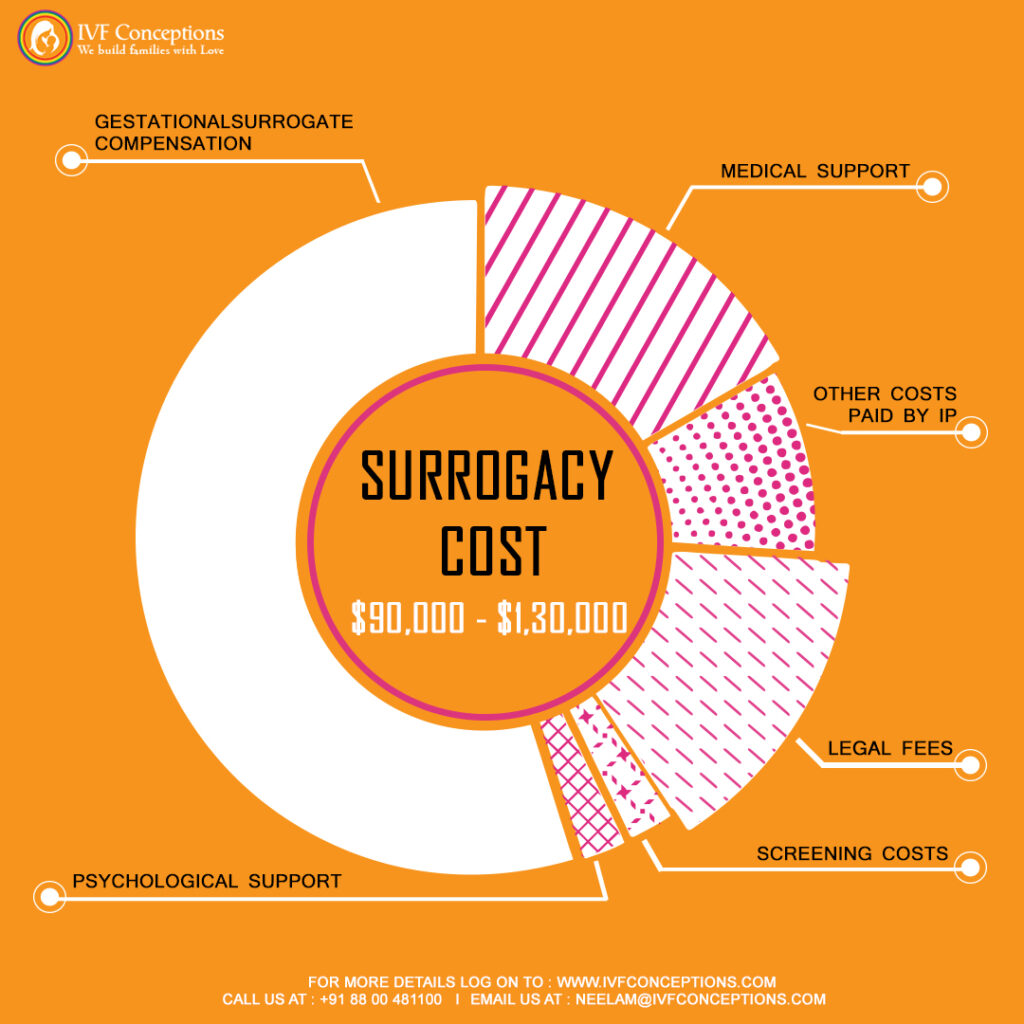
Understanding the financial aspects of surrogacy is crucial for intended parents who are considering this path to parenthood. The costs associated with surrogacy can vary significantly based on multiple factors, including agency fees, medical expenses, legal costs, and the compensation paid to the surrogate. A comprehensive analysis of these expenses enables better financial planning and preparation for intended parents.
Costs Associated with Surrogacy
Surrogacy can be a significant financial investment, and knowing what to expect helps in budgeting. Typical costs might include:
- Agency fees: Ranging from $15,000 to $30,000, depending on the services offered.
- Medical expenses: Estimated at $20,000 to $50,000, including prenatal care, labor, and delivery.
- Legal fees: Typically between $5,000 and $10,000 for necessary contracts and arrangements.
- Surrogate compensation: Often ranges from $30,000 to $60,000, varying based on experience and location.
Funding Options for Surrogacy
Exploring surrogacy funding options is vital for managing the financial burden that may come with surrogacy. Potential avenues include:
- Personal savings: A common approach for many intended parents.
- Loans: Dedicated loans for surrogacy can be obtained through various lenders.
- Crowdfunding: Platforms that allow the community to support your surrogacy journey.
- Grants: Some organizations offer financial assistance specifically for families pursuing surrogacy.
Conclusion
Throughout this article, key surrogacy definitions and terminology have been presented to equip you with the knowledge necessary to navigate the complexities of surrogacy. Understanding the varied terms, including those highlighted in the surrogacy glossary, is essential for both intended parents and surrogates. This clarity ensures informed decision-making as you embark on this meaningful journey.
A comprehensive surrogacy terminology guide can foster empathy and understanding among all parties involved. By familiarizing yourself with these concepts, you can approach the emotional and logistical challenges of surrogacy with confidence. The goal is to empower prospective parents and surrogates alike, enabling them to support one another during this unique path toward family building.
📞 Get in Touch for a Free Surrogacy Consultation
📱 +91-8800481100 (WhatsApp | LINE | Viber)
📧 neelam@ivfconceptions.com
💫 Why Intended Parents Choose Complete Surrogacy for a Safe, Smooth & Successful Surrogacy Journey:
🌍 Access to multiple surrogacy destinations with 15+ years of international experience
🏥 Partnerships with top-tier fertility clinics and agencies, backed by references from past clients
👩🦱 Diverse egg donor options: Asian, Caucasian, African, Oriental, and more
💸 Transparent and affordable pricing—direct payments with no extra agency fees
🔒 No hidden costs—all charges are agreed upon upfront
🤝 Dedicated case manager for personalized support
📲 Fast, honest, and clear communication throughout
📑 Full legal support for visas, documentation, and baby exit processes
🚚 Assistance with frozen sperm/embryo shipment logistics
FAQs for surrogacy terms and glossary
What is a surrogate mother?
What is the difference between traditional and gestational surrogacy?
What legal aspects should be considered in a surrogacy agreement?
How does in vitro fertilization (IVF) relate to surrogacy?
What steps are involved in the surrogacy process?
What are some funding options available for surrogacy?
What emotional support is available during the surrogacy journey?
How can I find a reputable surrogacy agency?

Author Bio: Neelam Chhagani is an International Surrogacy Expert with 15 years of experience in the fertility and surrogacy domain. As the founder of IVF Conceptions and Complete Surrogacy, she has guided over 4,000 intended parents worldwide on their surrogacy journey to parenthood. Recognized as a trusted authority, she specializes in holistic infertility solutions and third-party reproduction consulting.
Holding an MA in Counselling Psychology and a PGD in Mental Health, Neelam is a proud member of the European Fertility Society (EFS) and the European Society of Human Reproduction and Embryology (ESHRE). She is also a leading surrogacy blogger, providing valuable insights into ethical and practical surrogacy solutions.
Since 2010, committed to supporting ALL family types, Neelam has been passionate about helping intended parents grow their families with compassion, integrity, and a focus on secure and affordable surrogacy options Globally.
Learn more about Neelam:
https://www.ivfconceptions.com/neelam-chhagani-surrogacy-consultant/
https://www.linkedin.com/in/neelam-chhagani-92892229/















I was introduced to Neelam by a friend who worked with Neelam for surrogacy. Neelam is absolutely wonderful. I am a single male and the journey to fatherhood is not that easy. Neelam connected me to a program ideal for my circumstances. She was with me throughout the pregnancy providing advice and guidance along the way. I am so grateful I found her and am thrilled today that I have a beautiful daughter. I highly recommend Neelam to anyone who is on a journey to become a parent. Having a child has changed my world for the better. I wish others success with their own journey and recommend you connect with Neelam to find a path that is best for you.
SA (USA)