

What to expect during the surrogacy process, month by month, is essential knowledge for intended parents who want a clear picture of the journey ahead. Surrogacy involves a series of medical milestones, emotional transitions, and legal checkpoints that unfold gradually from embryo transfer to delivery.
Understanding what typically happens each month—such as early pregnancy scans, trimester updates, surrogate care guidelines, fetal development stages, and preparation for the birth—helps parents stay informed, connected, and confident throughout the process. This month-by-month overview offers clarity, reduces anxiety, and ensures you’re fully prepared for every step of your surrogacy journey.
Ever wondered how a journey of hope can stretch over many months? Knowing what to expect in the surrogacy process, month by month, is key for everyone. The process might seem complex, but breaking it down into stages makes it easier to follow.
Key Takeaways
- The surrogacy process involves several stages that can take 18-24 months.
- Understanding the monthly timeline helps manage expectations for all parties.
- Preparation is key, including gathering necessary medical and legal documents.
- Emotional support is vital throughout the surrogacy journey.
- Good communication between surrogates and intended parents is essential for a healthy relationship.
📞 Get in Touch for a Free Surrogacy Consultation
📱 +91-8800481100 (WhatsApp | LINE | Viber)
📧 neelam@ivfconceptions.com
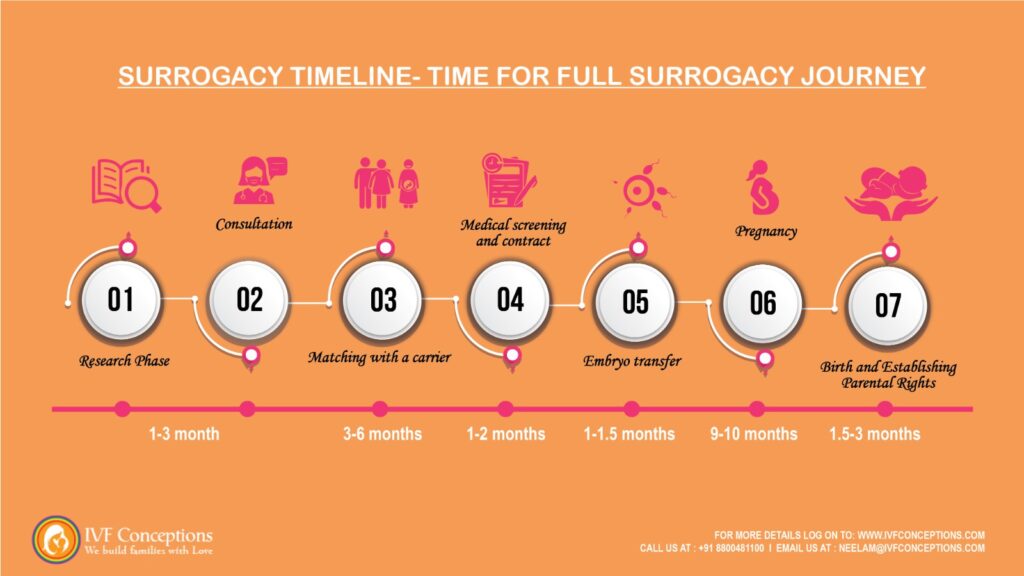
Understanding the Surrogacy Process Timeline
Knowing the surrogacy timeline is key for both parents and surrogates. Each step has its own milestones and expectations. These help guide everyone through the journey. The timeline can change based on many factors.
Overview of Surrogacy Journey Stages
Here’s a look at the main stages in the surrogacy timeline, along with how long each might take:
- Preparation and Application: 1 to 6 months, covering first meetings and paperwork.
- Medical and Psychological Screening: 1 to 3 months, for health checks on both sides.
- Matching Process: 6 to 10 months, finding the right match based on values and communication.
- Legal surrogacy Contracts: 1 to 2 months, setting up legal agreements and rights.
- Embryo Transfer Preparation: 1 to 3 months, getting ready for the embryo transfer.
- Pregnancy: 9 months, with any unexpected issues that might arise.
Factors Affecting the Surrogacy Timeline
Several things can change the surrogacy timeline, including:
- How easy it is to find a good surrogate.
- Different Surrogacy laws in each state.
- How emotionally ready everyone is for the process.
Preparing and Applying: Month 1 to Month 6
The first six months of your surrogacy journey are key. They lay the groundwork for a smooth path. Surrogates and intended parents both have important tasks to complete.
Surrogates need to apply, review agency guidelines, and check their health and lifestyle. This ensures they can safely carry a pregnancy. At the same time, intended parents meet with agencies and fertility clinics. They learn about their choices and what’s expected of them.
Gathering Medical Records and Documentation
Gathering medical records and documents is a big part of this time. Surrogates must share their medical history and lifestyle details. Intended parents need to prepare financial and emotional readiness documents.
This careful preparation helps meet surrogacy expectations. It makes sure everyone is informed and ready for the journey.
Consultations with Agencies and Specialists
Meeting with Surrogacy agencies is a key moment for intended parents. They can discuss their surrogacy options. Specialists help with personal considerations, like emotional and psychological readiness.
These meetings help set realistic expectations. They ensure everyone knows what to expect. This way, all parties are well-prepared for what’s ahead.
Medical and Psychological Screening: Month 2 to Month 3
Months two and three are key in the surrogacy journey. Both surrogates and intended parents go through important checks. These tests make sure everyone is ready for what’s next.
Surrogate Medical Tests and Background Checks
Surrogates face many medical tests to check their health. These include:
- Blood tests to check for infections and hormone levels
- Ultrasounds to assess uterine health
- Psychological evaluations to ensure emotional readiness
Background checks also happen to make sure the surrogate’s past supports a good surrogacy. This careful process ensures a safe and supportive journey for everyone.
Evaluations for Intended Parents
Intended parents also go through important evaluations. These tests check if they’re ready emotionally, financially, and relationally. They might include:
- Consultations on embryo quality and treatment options
- Financial checks to make sure they have enough for the surrogacy
- Psychosocial evaluations to see if they’re ready for parenthood
These evaluations help everyone understand what to expect. They make sure both sides are on the same page for the surrogacy journey.
Matching with Surrogate/Intended Parents: Month 6 to Month 10
The matching process is a key part of surrogacy, lasting about four months. During this time, intended parents and surrogates check if they’re a good match. They look at values, lifestyle, and experiences. Knowing what to look for helps make the journey better for everyone.
Criteria for Matching: Values and Preferences
Setting clear criteria for matching is important. It helps match surrogates and intended parents well. Key things to think about include:
- Shared Values: Being on the same page about family goals, parenting, and culture.
- Health Considerations: Medical history and current health are key to a successful pregnancy.
- Life Experiences: Background, lifestyle, and personal stories that shape choices and views.
Importance of Effective Communication
Good communication is vital in the matching process. It lets both sides share hopes, concerns, and expectations. This builds trust. Talking regularly helps deal with the challenges of surrogacy and allows for:
- Clarifying Expectations: Talking about roles, responsibilities, and the timeline of the surrogacy.
- Establishing a Support Network: Finding resources for both surrogates and intended parents during the journey.
- Fostering a Positive Relationship: Building a good relationship makes the experience better.

Legal Contracts and Agreements: Month 10 to Month 11
As the surrogacy journey nears its end, creating legal surrogacy contracts is key. These contracts outline the surrogacy deal’s main points for both sides. They ensure everyone knows their role and is protected.
Components of the Surrogacy Agreement
A good surrogacy agreement has important parts to protect everyone. It usually includes:
- Parental Rights: Who gets custody and legal parentage after birth?
- Medical Decision-Making: Rules for health care choices during pregnancy.
- Surrogate Compensation: How and when the surrogate gets paid.
- Rights and Responsibilities: What’s expected of everyone during the process.
Legal Variations by State
Legal contracts in surrogacy must fit state laws. Surrogacy laws vary across the U.S.; it’s vital to work with lawyers who know the local rules. They make sure the agreements follow state laws. Knowing these laws is key to making the agreement work.
Medical Preparation & Embryo Transfer: Month 11 to Month 13
Months 11 to 13 are key in your surrogacy journey. Medical prep is a must. Starting fertility meds is the first step to get the surrogate’s body ready for the embryo transfer.
This stage’s length can vary. But agencies are there to support everyone. They help make sure everyone is ready and focused.
Starting Fertility Medications
Fertility meds are key to a successful pregnancy. They include hormonal treatments to improve the uterine lining and egg growth. Each person reacts differently to these treatments.
It’s important to follow your doctor’s advice closely. This ensures the best outcome.
IVF and Embryo Transfer Process
The embryo transfer happens through in vitro fertilization (IVF). If embryos are frozen, things might move faster. The goal is to put the best embryo in the surrogate’s uterus.
This could lead to pregnancy. Keeping in touch with healthcare providers is important. It helps make informed decisions and gets everyone excited for what’s to come.
Pregnancy Journey: Month 14 to Month 22
The pregnancy journey is very important from month 14 to month 22. Regular checkups are key to keeping the surrogate mother and baby healthy. Surrogates undergo many medical tests to make sure everything goes well.

Regular Checkups and Support Resources
Surrogates need to see their doctor often. These visits include:
- Routine ultrasounds to check on the baby
- Blood tests to check health
- Talking about any symptoms or feelings
Intended parents should also go to these checkups. It helps them bond and share this special time. Agencies offer counseling and support groups to help with feelings during this time.
Surrogacy Pregnancy Progression and Milestones
As the pregnancy goes on, many important milestones are reached. These include:
- First trimester screening results (around month 14)
- Gender reveal (if wanted, usually around month 18)
- Getting ready for the baby’s arrival (starts around month 20)
Each milestone is a big step forward. It shows how important support and talking are between the surrogate and intended parents. With the right care and support, this time is not just about growth. It’s also a chance to get closer to each other.
Delivery and Post-Birth Steps: Month 22 Onwards
As the pregnancy journey ends, both intended parents and surrogates start the delivery phase. This is a time of joy, welcoming the baby into the world. Legal parentage is a key focus, with many states allowing parental rights to be established before or after birth. Knowing the steps involved helps everyone navigate this important time smoothly.
Welcoming the Baby: What to Expect
Delivery is a moment filled with excitement and anticipation. Here are some things to consider:
- Birth environment planning, including hospital preferences and necessary documentation.
- Post-birth bonding opportunities for intended parents with the newborn.
- Initial health checks for the baby to ensure proper care and monitoring.
- Encouragement of family involvement in the delivery experience.
Emotional Support for Surrogates After Delivery
After delivery, surrogates may feel a mix of emotions. It’s important to offer emotional support during this time. Surrogates might need time to adjust after giving the baby to the intended parents. Providing care through:
- Tailored counseling sessions to process the experience.
- Support groups connecting surrogates with shared experiences.
- Offering resources focusing on postpartum wellness and recovery.

Additional Resources to read:
Fertility and Acupuncture: Science or Myth?
PRP (Platelet-Rich Plasma) Therapy for Fertility
Understanding Sperm Morphology, Motility, and Count
Conclusion
The surrogacy journey is deep and involves many aspects. It requires emotional and practical steps. By understanding the surrogacy process, parents and surrogates can move forward with confidence.
Knowing the timeline is key. It helps everyone get ready for what’s next. This makes the journey smoother.
Every step in surrogacy aims to support families. It starts with getting ready and goes through delivery and care afterward. Clear talk and smart choices are vital for a good experience.
By being active in each step, parents and surrogates help create a caring environment. This environment respects the emotional sides of the journey.
A successful surrogacy needs teamwork, understanding, and knowledge. Recognizing everyone’s unique needs builds strong bonds. These bonds are based on respect and shared dreams.
By focusing on these values, everyone involved can find joy and fulfillment. This makes the surrogacy journey rewarding for all.
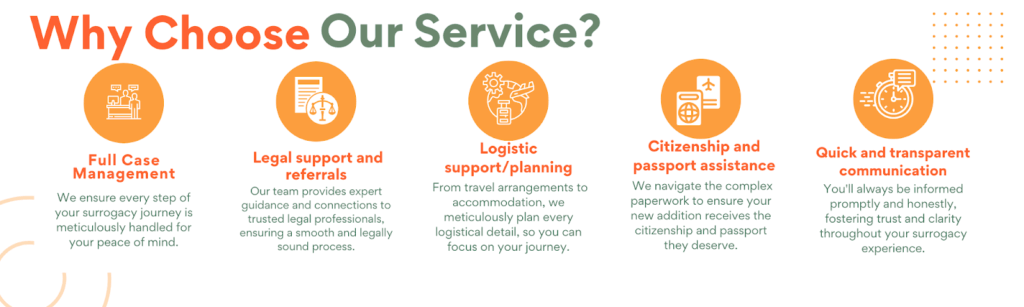
💫 Why Intended Parents Choose Complete Surrogacy for a Safe, Smooth & Successful Surrogacy Journey:
🌍 Access to multiple surrogacy destinations with 15+ years of international experience
🏥 Partnerships with top-tier fertility clinics and agencies, backed by references from past clients
👩🦱 Diverse egg donor options: Asian, Caucasian, African, Oriental, and more
💸 Transparent and affordable pricing—direct payments with no extra agency fees
🔒 No hidden costs—all charges are agreed upon upfront
🤝 Dedicated case manager for personalized support
📲 Fast, honest, and clear communication throughout
📑 Full legal support for visas, documentation, and baby exit processes
🚚 Assistance with frozen sperm/embryo shipment logistics
FAQ- What to Expect During the Surrogacy Process
What is the typical timeline for the surrogacy process?
The surrogacy process usually takes 18–24 months. It includes getting ready, medical and psychological checks, finding a match, legal agreements, and preparing for pregnancy. Then comes the pregnancy and delivery stages.
How do intended parents find a surrogate?
Intended parents often use surrogacy agencies. These agencies help match them with surrogates. They look for people who share values and lifestyles and can communicate well.
What kind of medical examinations do surrogates undergo?
Surrogates go through many medical tests. These include physical exams, psychological assessments, and background checks. They make sure the surrogate is ready for the pregnancy.
Are there legal contracts involved in surrogacy?
Yes, there are detailed legal contracts. They cover parental rights, medical decisions, and the surrogate’s compensation. The specifics vary by state.
How is the embryo transfer procedure conducted?
The embryo transfer uses in vitro fertilization (IVF). First, the surrogate takes fertility medications. This prepares her body for pregnancy.
What support is available during the pregnancy phase?
Surrogates get regular prenatal care. Intended parents can get emotional and practical help. This includes counseling and support groups to manage their expectations.
What emotional support is available for surrogates after delivery?
It’s key to support surrogates emotionally after delivery. They can get postpartum care and counseling. This helps them deal with their feelings and move on after giving birth.

Author Bio: Neelam Chhagani is an International Surrogacy Expert with 15 years of experience in the fertility and surrogacy domain. As the founder of IVF Conceptions and Complete Surrogacy, she has guided over 4,000 intended parents worldwide on their surrogacy journey to parenthood. Recognized as a trusted authority, she specializes in holistic infertility solutions and third-party reproduction consulting.
Holding an MA in Counselling Psychology and a PGD in Mental Health, Neelam is a proud member of the European Fertility Society (EFS) and the European Society of Human Reproduction and Embryology (ESHRE). She is also a leading surrogacy blogger, providing valuable insights into ethical and practical surrogacy solutions.
Since 2010, committed to supporting ALL family types, Neelam has been passionate about helping intended parents grow their families with compassion, integrity, and a focus on secure and affordable surrogacy options Globally.
Learn more about Neelam:
https://www.ivfconceptions.com/neelam-chhagani-surrogacy-consultant/
https://www.linkedin.com/in/neelam-chhagani-92892229/















I was introduced to Neelam by a friend who worked with Neelam for surrogacy. Neelam is absolutely wonderful. I am a single male and the journey to fatherhood is not that easy. Neelam connected me to a program ideal for my circumstances. She was with me throughout the pregnancy providing advice and guidance along the way. I am so grateful I found her and am thrilled today that I have a beautiful daughter. I highly recommend Neelam to anyone who is on a journey to become a parent. Having a child has changed my world for the better. I wish others success with their own journey and recommend you connect with Neelam to find a path that is best for you.
SA (USA)