

When can a complex reproductive journey become a reality for individuals facing specific fertility challenges? For many, the answer lies in gestational surrogacy, a process where a surrogate carries a pregnancy using embryos created through egg and sperm donation.
This journey, though intricate, offers a viable pathway to parenthood for single men, LGBTQ+ couples, and individuals dealing with certain fertility issues. The process involves IVF with donor eggs and sperm, followed by the transfer of the resulting embryos to a surrogate.
Understanding the steps, legal considerations, and emotional aspects of this journey is crucial. This guide provides a comprehensive overview, supporting intended parents and surrogates through the process of surrogacy using donor gametes.
Key Takeaways
- Gestational surrogacy is a viable option for individuals facing fertility challenges.
- The process involves IVF using donated eggs and sperm.
- Embryos are transferred to a surrogate who carries the pregnancy.
- Legal considerations and emotional aspects are crucial to understand.
- This journey offers a pathway to parenthood for diverse family structures.
📞 Get in Touch for a Free Surrogacy Consultation
📱 +91-8800481100 (WhatsApp | LINE | Viber)
📧 neelam@ivfconceptions.com
🌐 https://www.completesurrogacy.com/
Why Intended Parents Choose Complete Surrogacy for a Safe, Smooth & Successful Surrogacy Journey:
🌍 Access to multiple surrogacy destinations with 15+ years of international experience
🏥 Partnerships with top-tier fertility clinics and agencies, backed by references from past clients
👩🦱 Diverse egg donor options: Asian, Caucasian, African, Oriental, and more
💸 Transparent and affordable pricing—direct payments with no extra agency fees
🔒 No hidden costs—all charges are agreed upon upfront
🤝 Dedicated case manager for personalized support
📲 Fast, honest, and clear communication throughout
Additional guide for intended parents for Complete Surrogacy:
Best surrogacy agency in India
Best surrogacy agency in Mexico
Best surrogacy agency in Colombia
Best surrogacy agency in Argentina

Understanding Surrogacy with Donor Eggs & Sperm
For many individuals and couples, gestational surrogacy using donor eggs and sperm has become a viable pathway to parenthood. This complex reproductive process involves creating embryos using donated gametes, which are then carried by a gestational surrogate.
What Is Gestational Surrogacy Using Donor Gametes
Gestational surrogacy with donor eggs and sperm is a type of third-party reproduction where the embryos are created using donated eggs and sperm. This process is particularly relevant for individuals who cannot produce viable eggs or sperm due to medical conditions, or for single men and same-sex male couples looking to build their families.
The process involves several steps, including donor selection, in vitro fertilization (IVF), and embryo transfer to the gestational surrogate. Understanding the nuances of this process is crucial for intended parents to make informed decisions.
Who Might Need This Reproductive Option
This reproductive option is often recommended for:
- Individuals with certain medical conditions that prevent them from producing viable eggs or sperm.
- Same-sex male couples seeking to build their families.
- Single men who wish to become parents.
- Women who are unable to carry a pregnancy due to medical reasons.
Each of these groups benefits from the advancements in reproductive technology and the generosity of donors.
Key Differences from Traditional Surrogacy
Unlike traditional surrogacy, where the surrogate is also the egg donor, gestational surrogacy using donor gametes involves a third party (the donor) providing the eggs and/or sperm. This key difference has significant legal, emotional, and medical implications.
Understanding these differences is vital for intended parents to navigate their surrogacy journey effectively.
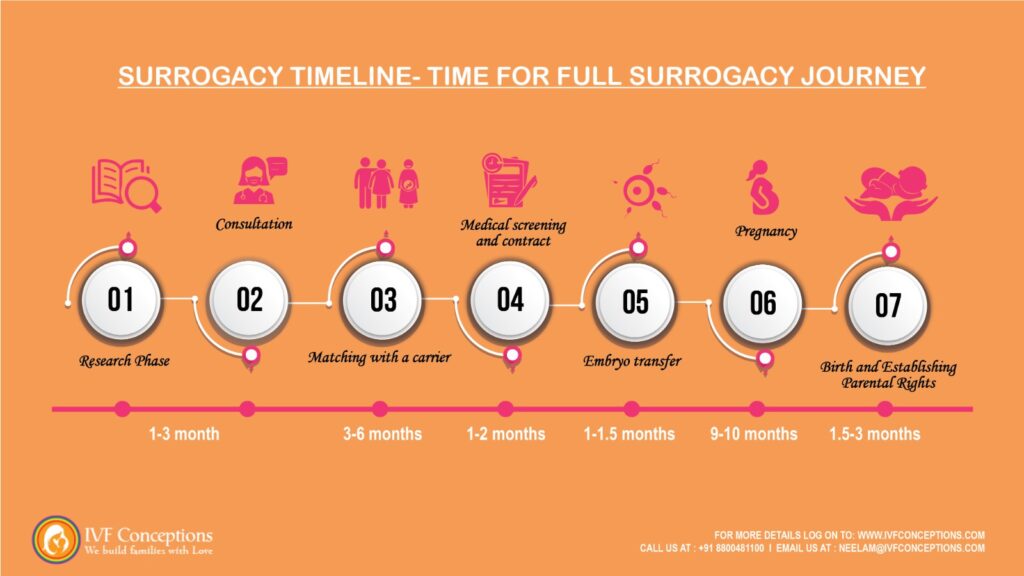
Image courtesy- IVF Conceptions
Getting Started: First Steps in Your Surrogacy Journey
Starting your surrogacy journey involves a series of informed decisions and preparations. As you begin this complex yet rewarding process, understanding the initial steps can significantly ease your path forward.
Initial Fertility Consultation and Assessment
The first step in your surrogacy journey is typically an initial fertility consultation. During this consultation, a fertility specialist will assess your medical history, discuss your options, and outline the necessary steps for moving forward with surrogacy using donor eggs and sperm.
This consultation is crucial as it provides an opportunity to address any questions or concerns you may have, and it sets the stage for a personalized approach to your surrogacy journey.
Researching and Selecting Reputable Agencies
Once you’ve had your initial consultation, the next step involves researching and selecting a reputable surrogacy agency. A reliable agency can guide you through the complex surrogacy process, from finding a suitable surrogate to navigating legal requirements.
When researching agencies, consider factors such as their success rates, the comprehensiveness of their services, and the support they offer to intended parents.
Creating Your Personalized Surrogacy Plan
After selecting an agency, you’ll work together to create a personalized surrogacy plan. This plan will be tailored to your specific needs, taking into account your medical history, preferences, and circumstances.
A well-crafted plan is essential for a smooth surrogacy journey, as it outlines the steps you’ll take, the timeline, and the resources required.
Typical Timeline Expectations
Understanding the typical timeline for the surrogacy process can help you prepare for what’s ahead. While every journey is unique, there are general guidelines that most intended parents follow.
| Stage | Typical Duration | Description |
|---|---|---|
| Initial Consultation to Agency Selection | 1-3 months | Involves fertility consultations and researching agencies. |
| Surrogate Matching | 2-6 months | The process of finding and matching with a suitable surrogate. |
| Donor Selection | 1-3 months | Involves selecting egg and sperm donors. |
| IVF and Embryo Transfer | 2-4 months | The process of creating embryos and transferring them to the surrogate. |
| Pregnancy and Birth | 9 months | The surrogate’s pregnancy period. |
How to Find and Select Egg Donors
The process of finding and selecting an egg donor can be complex, but it’s a vital part of the surrogacy journey. Intended parents need to navigate through various databases and profiles to find a suitable donor based on medical history, physical characteristics, and personal traits.
Navigating Donor Databases and Profiles
Donor databases are a valuable resource for intended parents, offering a wide range of profiles that include detailed information about potential egg donors. When navigating these databases, you can typically filter profiles based on various criteria such as age, medical history, and physical attributes.
It’s essential to work with reputable agencies that maintain comprehensive and up-to-date databases. Some key features to look for in a donor database include:
- Comprehensive donor profiles that include medical history, family background, and personal characteristics.
- Up-to-date information on donor availability and any new profiles added.
- Transparent screening processes that ensure donors are thoroughly vetted.
Understanding Donor Screening Processes
The donor screening process is a critical step in ensuring the health and suitability of the egg donor. This process typically involves rigorous medical and psychological evaluations.
Some key components of the donor screening process include:
- Medical screening to assess the donor’s health and genetic history.
- Psychological evaluations to ensure the donor is mentally prepared for the donation process.
- Genetic testing to identify any potential genetic issues.
According to fertility experts from IVF Conceptions, “A thorough screening process is crucial for minimizing risks and ensuring a successful outcome in egg donation.”
Anonymous vs. Known Donor Considerations
One of the significant decisions intended parents face is whether to choose an anonymous or known egg donor. Anonymous donors remain confidential throughout the process, while known donors are typically relatives or friends who have agreed to donate their eggs.
Both options have their advantages and considerations:
| Considerations | Anonymous Donor | Known Donor |
|---|---|---|
| Confidentiality | Maintains donor confidentiality | Donor identity is known |
| Relationship Dynamics | No direct relationship with the donor | Potential for ongoing relationship with the donor |
| Legal Considerations | Typically involves standard legal agreements | May involve more complex legal agreements |
Key Selection Criteria for Egg Donors
When selecting an egg donor, several key criteria should be considered to ensure the best possible outcome. These include:
- Age: Donors are typically between 21 and 35 years old.
- Health and medical history: Donors should have a clean bill of health and a favorable medical history.
- Family medical history: A healthy family medical history is crucial.
- Physical and personal characteristics: Intended parents may have preferences for certain physical traits or personal characteristics.
By carefully considering these factors and understanding the egg donor selection process, intended parents can make informed decisions that align with their needs and preferences.
Selecting the Right Sperm Donor
When considering surrogacy with donor eggs and sperm, one of the crucial decisions intended parents face is selecting the right sperm donor. This decision is multifaceted, involving evaluations of sperm bank options, understanding the rigorous medical and genetic screening processes that donors undergo, and considering various factors that influence the final choice.
Sperm Bank Options and Resources
Sperm banks are specialized facilities that collect, store, and distribute donor sperm. They offer a range of options for intended parents, including various donor profiles and sperm types (fresh, frozen, or quarantined). When evaluating sperm bank options, consider factors such as:
- Donor diversity and availability
- Screening and testing protocols
- Donor anonymity or openness to contact
- Client support services
Medical and Genetic Screening Standards
Sperm donors undergo comprehensive medical and genetic screening to ensure the health and viability of their sperm. This process typically includes:
- Initial screening for infectious diseases and genetic conditions
- Detailed medical and family history
- Psychological evaluation
- Semen analysis and sperm quality assessment
Reputable sperm banks adhere to strict guidelines, often set by professional organizations such as the American Society for Reproductive Medicine (ASRM).
Important Factors in Sperm Donor Selection
Intended parents should consider several key factors when selecting a sperm donor, including:
| Factor | Description | Considerations |
|---|---|---|
| Physical Characteristics | Donor’s height, weight, hair color, eye color, etc. | Matching physical traits with intended parents or creating a desired profile |
| Ethnic Background | Donor’s ethnic or racial background | Matching or complementing the ethnic background of intended parents |
| Medical History | Donor’s medical history and genetic screening results | Assessing the risk of genetic disorders or health issues |
By carefully evaluating these factors and understanding the screening processes, intended parents can make an informed decision when selecting a sperm donor for their surrogacy journey.
Finding Your Surrogate Mother
Finding the right surrogate mother is a pivotal step in your surrogacy journey, requiring careful consideration and a thorough understanding of the process. This critical decision impacts not only the success of the surrogacy but also the overall experience for both the intended parents and the surrogate.
Surrogate Eligibility Requirements
To become a surrogate mother, an individual must meet specific eligibility criteria. These requirements typically include:
- Age: Surrogates are usually between the ages of 21 and 40 years old.
- Health: They should be in good physical and mental health, with a healthy BMI and no significant medical issues.
- Previous Pregnancy History: Having had at least one successful pregnancy is often a requirement.
- Lifestyle: Surrogates are expected to lead a healthy lifestyle, avoiding harmful substances and behaviors.
These criteria are designed to ensure the surrogate’s health and the viability of the pregnancy.

The Matching Process Step-by-Step
The surrogacy matching process is intricate and involves several steps:
- Initial Screening: Potential surrogates undergo an initial screening to assess their eligibility.
- Profile Review: Intended parents review the profiles of potential surrogates to find a suitable match.
- Matching: Once a potential match is identified, further evaluations are conducted to ensure compatibility.
- Legal Agreements: Once a match is confirmed, legal agreements are drafted and signed.
This step-by-step process is crucial for establishing a successful surrogacy relationship.
Building a Healthy Relationship with Your Surrogate
Building a healthy and open relationship with your surrogate is vital for a successful surrogacy experience. This involves:
- Clear Communication: Establishing clear and respectful communication channels.
- Mutual Respect: Fostering a relationship based on mutual respect and understanding.
- Emotional Support: Providing emotional support throughout the surrogacy journey.
By doing so, intended parents can ensure a positive experience for both parties.
Red Flags to Watch For
While the surrogacy process is designed to be thorough, there are potential red flags that intended parents should be aware of, including:
- Inconsistent Information: Discrepancies in the surrogate’s profile or during the screening process.
- Lack of Transparency: Reluctance to provide information or cooperate with required screenings.
- Unrealistic Expectations: Surrogates have unrealistic expectations about the process or compensation.
Being vigilant about these red flags can help intended parents navigate the surrogacy process more smoothly.
Additional guides for surrogacy
Best surrogacy agency in Georgia
Best surrogacy agency in the USA
Best surrogacy agency in Ukraine
Best surrogacy agency in Armenia
Navigating Legal Requirements for Surrogacy with Donor Eggs & Sperm
As intended parents consider surrogacy with donor eggs and sperm, understanding the legal framework is crucial for a smooth journey. Surrogacy laws vary significantly by state, and intended parents must navigate these legal complexities to secure their parental rights.
State-by-State Legal Variations in the US
Surrogacy laws in the United States are not uniform; they differ from state to state, making it essential for intended parents to understand the legal landscape of their state as well as that of the surrogate’s state.
Key Legal Variations:
- Some states have laws that are surrogacy-friendly, providing clear pathways to establishing parental rights.
- Other states may have laws that are restrictive or unclear, potentially complicating the surrogacy process.
- States may differ in their requirements for surrogacy agreements, including the eligibility criteria for surrogates and intended parents.
Essential Legal Agreements You’ll Need
Legal agreements are a cornerstone of the surrogacy process, outlining the terms and conditions of the surrogacy arrangement.
Key Components of Surrogacy Agreements:
- Terms of the surrogacy, including the role and responsibilities of both the surrogate and the intended parents.
- Compensation and expenses for the surrogate.
- Provisions for potential complications or disagreements.
| Legal Agreement | Purpose |
|---|---|
| Surrogacy Contract | Outlines the terms and conditions of the surrogacy arrangement |
| Donor Agreement | Establishes the rights and responsibilities of the donor(s) |
| Parentage Order | A court order that establishes the intended parents as the legal parents |
Securing Parental Rights: The Legal Process
Securing parental rights is a critical step in the surrogacy journey, involving a legal process that establishes the intended parents as the legal parents of the child.
Steps in Securing Parental Rights:
- Pre-birth order: In some states, intended parents can obtain a pre-birth order, which establishes their parental rights before the child is born.
- Post-birth order: In other cases, a post-birth order may be necessary, requiring a court hearing after the child’s birth to finalize parental rights.
- Adoption: In some jurisdictions, intended parents may need to adopt the child, even if they are genetically related.
Working with Specialized Reproductive Attorneys
Given the complexity of surrogacy laws, working with attorneys who specialize in reproductive law is indispensable.
Benefits of Specialized Attorneys:
- Expertise in surrogacy laws and legal requirements.
- Guidance through the legal process, ensuring compliance with state laws.
- Representation in court, if necessary, to secure parental rights.
Understanding the Medical Procedures
When considering surrogacy using donor gametes, understanding the medical procedures is crucial for intended parents. The process involves several key steps, from IVF with donor eggs and sperm to pregnancy monitoring.
IVF with Donor Gametes
The IVF process begins with the selection and preparation of donor eggs and sperm. Donor eggs are retrieved and fertilized with the selected sperm in a laboratory setting, creating embryos. This process is a cornerstone of surrogacy with donor gametes, offering a viable pathway to parenthood for many.
Embryo Creation and Testing
After fertilization, the resulting embryos are cultured for several days. They undergo preimplantation genetic testing (PGT) to identify any genetic abnormalities. This testing is crucial for selecting the healthiest embryos for transfer. The embryos are then carefully selected based on their quality and viability.
Surrogate Preparation and Embryo Transfer
Before the embryo transfer, the surrogate undergoes preparation to ensure her uterus is receptive to the embryo. This involves hormonal treatment to mimic a natural menstrual cycle. The embryo transfer is a relatively simple procedure where the selected embryo is placed into the surrogate’s uterus.
Pregnancy Monitoring
Once the embryo transfer is successful and pregnancy is confirmed, the surrogate receives ongoing prenatal care. This includes regular ultrasounds and medical check-ups to monitor the health of both the surrogate and the developing fetus.
As one expert notes,
“The medical journey of surrogacy with donor eggs and sperm is a complex but highly rewarding process for intended parents.”
- IVF involves fertilizing donor eggs with sperm.
- Embryos are tested and selected for transfer.
- The surrogate is prepared hormonally for embryo transfer.
- Ongoing pregnancy monitoring is crucial for a healthy outcome.
Managing the Surrogacy Costs
The journey of surrogacy involves not only emotional but also significant financial considerations that intended parents must prepare for. Understanding and managing these costs is crucial for a successful surrogacy journey.
Breaking Down the Surrogacy Expenses
Surrogacy costs can be categorized into several key areas. These include agency fees, medical expenses, surrogate compensation, and other miscellaneous costs.
- Agency Fees: These fees cover the services provided by surrogacy agencies, including matching intended parents with surrogates, coordinating the surrogacy process, and providing support services.
- Medical Expenses: Medical costs include IVF procedures, prenatal care, and delivery expenses. These costs can vary significantly depending on the complexity of the case and the location.
- Surrogate Compensation: This is the payment made to the surrogate for her services, including her time, effort, and any expenses related to the pregnancy.
- Miscellaneous Costs: Other expenses may include legal fees, counseling services, and insurance premiums.
| Cost Category | Estimated Cost Range | Description |
|---|---|---|
| Agency Fees | $15,000 – $30,000 | Fees for agency services, including matching and coordination. |
| Medical Expenses | $20,000 – $50,000 | Costs associated with IVF, prenatal care, and delivery. |
| Surrogate Compensation | $30,000 – $50,000 | Payment to the surrogate for her services and expenses. |
| Miscellaneous Costs | $5,000 – $10,000 | Other expenses, including legal fees and counseling. |
| Total Estimated Cost | ||
| $70,000 – $140,000 | The overall cost range for surrogacy with donor eggs and sperm. |
Insurance Considerations and Coverage Options
Understanding insurance coverage is a critical aspect of managing surrogacy costs. Intended parents should investigate their insurance options and determine what is covered under their plan.
Some insurance plans may cover certain aspects of the surrogacy process, such as fertility treatments or prenatal care. However, coverage can vary widely, and some plans may not cover surrogacy-related expenses at all.
Financing Options, Loans, and Grants
To help manage the financial burden of surrogacy, intended parents can explore various financing options, including loans and grants.
Some organizations offer specialized loans for surrogacy, with flexible repayment terms. Additionally, there are grants available for intended parents, particularly those who may not have other fertility options.
Budgeting for Unexpected Expenses
While it’s essential to have a comprehensive budget for surrogacy costs, intended parents should also be prepared for unexpected expenses.
Having a financial cushion can help mitigate the impact of unforeseen costs, ensuring that the surrogacy journey can continue without significant interruptions.
Success Rates and Outcome Expectations
Achieving success in surrogacy with donor eggs and sperm requires a comprehensive understanding of the influencing factors. As intended parents, navigating this journey can be complex, but being informed about success rates and outcome expectations can significantly ease the process.
Understanding Success Statistics
Success statistics in surrogacy are typically measured by the live birth rate per embryo transfer. According to recent data, the success rate for gestational surrogacy using donor eggs is notably higher compared to using the intended mother’s eggs, especially in cases where the intended mother is of advanced reproductive age.
The success rates can be influenced by various factors, including:
- Quality of Donor Eggs and Sperm: The health and quality of the donor gametes play a crucial role in the success of surrogacy.
- Surrogate’s Health and Age: The age and overall health of the surrogate mother significantly impact the success rates.
- Reproductive Clinic’s Expertise: The experience and expertise of the fertility clinic and its specialists are vital.
Factors That Influence Success Rates
Several factors contribute to the success of surrogacy with donor eggs and sperm. Understanding these can help intended parents make informed decisions throughout their journey.
| Factor | Description | Impact on Success |
|---|---|---|
| Donor Egg Quality | High-quality eggs from reputable donors | Significantly increases the chances of a successful pregnancy |
| Surrogate’s Age | Surrogates between the ages of 21 and 35 | Higher success rates due to better egg quality and health |
| Embryo Quality | Embryos created using high-quality gametes and advanced IVF techniques | Improves implantation and pregnancy rates |
Preparing for Possible Challenges
While surrogacy with donor eggs and sperm can be a successful journey, it’s essential to be prepared for potential challenges. These may include:
- Emotional Challenges: The emotional journey can be complex, and having professional support is crucial.
- Medical Complications: As with any pregnancy, there are risks involved, and being aware of these can help in managing expectations.
- Legal Considerations: Understanding the legal framework and having the right legal support is vital to navigate any legal challenges.
By understanding the success statistics, factors influencing success rates, and preparing for potential challenges, intended parents can better navigate their surrogacy journey with donor eggs and sperm.
Conclusion: Taking the Next Steps in Your Surrogacy Journey
As you conclude this comprehensive surrogacy guide, you’re better equipped to navigate the complex process of surrogacy with donor eggs and sperm. Your surrogacy journey is unique, and understanding the intricacies involved is key to a successful outcome. With insights into the medical procedures, legal requirements, and emotional aspects of surrogacy, you can now approach the next steps in surrogacy with confidence.
You have learned about the importance of selecting the right egg and sperm donors, finding a suitable surrogate mother, and managing the associated costs. The legal considerations and medical procedures involved in surrogacy have been outlined, providing a clear understanding of what to expect.
This surrogacy guide has been designed to support and educate intended parents throughout their journey. As you move forward, remember that each surrogacy journey is distinct, and being informed is crucial to navigating the process successfully.
📞 Get in Touch for a Free Surrogacy Consultation
📱 +91-8800481100 (WhatsApp | LINE | Viber)
📧 neelam@ivfconceptions.com
🌐 https://www.completesurrogacy.com/

FAQs for surrogacy with egg donor and sperm donor
What is gestational surrogacy with donor eggs and sperm?
Who is a good candidate for surrogacy with donor eggs and sperm?
How do I choose an egg donor?
What are the key selection criteria for egg donors?
How is a sperm donor selected?
What are the surrogate eligibility requirements?
How do I navigate the legal requirements for surrogacy with donor eggs and sperm?
What are the medical procedures involved in surrogacy with donor eggs and sperm?
How much does surrogacy with donor eggs and sperm cost?
What are the success rates for surrogacy with donor eggs and sperm?
How can I cope with the emotional aspects of surrogacy?
What kind of support is available for intended parents and surrogates?
More Resources:

Author Bio: Neelam Chhagani is an International Surrogacy Expert with 15 years of experience in the fertility and surrogacy domain. As the founder of IVF Conceptions and Complete Surrogacy, she has guided over 4,000 intended parents worldwide on their surrogacy journey to parenthood. Recognized as a trusted authority, she specializes in holistic infertility solutions and third-party reproduction consulting.
Holding an MA in Counselling Psychology and a PGD in Mental Health, Neelam is a proud member of the European Fertility Society (EFS) and the European Society of Human Reproduction and Embryology (ESHRE). She is also a leading surrogacy blogger, providing valuable insights into ethical and practical surrogacy solutions.
Since 2010, committed to supporting ALL family types, Neelam has been passionate about helping intended parents grow their families with compassion, integrity, and a focus on secure and affordable surrogacy options Globally.
Learn more about Neelam:
https://www.ivfconceptions.com/neelam-chhagani-surrogacy-consultant/
https://www.linkedin.com/in/neelam-chhagani-92892229/















I was introduced to Neelam by a friend who worked with Neelam for surrogacy. Neelam is absolutely wonderful. I am a single male and the journey to fatherhood is not that easy. Neelam connected me to a program ideal for my circumstances. She was with me throughout the pregnancy providing advice and guidance along the way. I am so grateful I found her and am thrilled today that I have a beautiful daughter. I highly recommend Neelam to anyone who is on a journey to become a parent. Having a child has changed my world for the better. I wish others success with their own journey and recommend you connect with Neelam to find a path that is best for you.
SA (USA)