

Infertility challenges affect approximately 15% of couples trying to conceive, highlighting the importance of nutritional interventions for those seeking natural ways to enhance their reproductive potential. The ability to conceive is influenced by various factors, including age, genetics, lifestyle choices, and overall health. While some factors are beyond our control, nutrition plays a crucial role in supporting reproductive health.
The concept of “superfoods” refers to nutrient-dense foods that support overall well-being. Certain foods can positively influence hormone balance, egg and sperm quality, and overall reproductive function. By incorporating these foods into your diet, you can take a proactive step toward optimizing your fertility.
When you’re trying to conceive, your diet can make a significant difference. Scientific studies show that certain foods — especially those rich in antioxidants, healthy fats, and essential vitamins — can improve both egg and sperm quality, regulate hormones, and prepare the body for a healthy pregnancy.
In this guide, we reveal 7 superfoods that are proven to enhance fertility, backed by research and expert recommendations.
Key Takeaways
- Nutritional interventions can significantly impact fertility for couples trying to conceive.
- Certain nutrient-dense foods can support reproductive health and overall well-being.
- A well-balanced diet is crucial for hormone balance and reproductive function.
- Incorporating specific superfoods can enhance fertility.
- A proactive approach to nutrition can improve chances of conception.
📞 Get in Touch for a Free Surrogacy Consultation
📱 +91-8800481100 (WhatsApp | LINE | Viber)
📧 neelam@ivfconceptions.com
Understanding Fertility and Nutrition
Fertility and nutrition are closely intertwined, with certain foods playing a pivotal role in supporting or hindering reproductive health. The foods we consume have a significant impact on our overall well-being, and when it comes to fertility, the right nutrients can make a substantial difference.
The Connection Between Diet and Reproductive Health
Diet plays a crucial role in reproductive health by providing the body with the necessary nutrients, vitamins, and minerals to support optimal fertility. A well-balanced diet can help regulate hormones, improve reproductive cell health, and enhance overall fertility.
The relationship between diet and reproductive health is complex, involving the interplay of various nutrients and bodily functions. For instance, antioxidants help combat free radicals that can damage reproductive cells, while essential vitamins and minerals support hormone regulation and reproductive processes.
| Nutrient | Role in Fertility | Food Sources |
|---|---|---|
| Folate | Crucial for preventing birth defects and supporting fetal development | Leafy greens, legumes, citrus fruits |
| Omega-3 Fatty Acids | Supports hormone production and reproductive health | Fatty fish, walnuts, chia seeds |
| Vitamin D | Essential for overall reproductive health and hormone regulation | Fatty fish, fortified dairy products, sunlight exposure |
What Makes a Food “Super” for Fertility
Fertility superfoods are distinguished by their exceptional nutrient density, containing high concentrations of vitamins, minerals, and beneficial compounds relative to their caloric content. These foods typically contain powerful antioxidants that combat oxidative stress—a key factor that can damage reproductive cells and impair fertility in both men and women.
The presence of specific phytonutrients in fertility superfoods helps regulate hormones, reduce inflammation, and support optimal reproductive function. Incorporating a variety of these nutrient-dense foods into one’s diet can create a dietary foundation that optimizes the body’s reproductive potential.
How Superfoods Support Hormonal Balance
Hormonal balance is a cornerstone of reproductive health, and incorporating the right superfoods into your diet can make a significant difference. Your body’s hormonal system is intricate, and nutrients play a crucial role in maintaining this delicate balance.
Nutrients Essential for Reproductive Health
Certain nutrients are vital for supporting reproductive health. These include folate, omega-3 fatty acids, and antioxidants, which are found in high concentrations in various superfoods. Folate-rich foods like leafy greens are essential for preventing birth defects and supporting overall reproductive health. Omega-3 fatty acids, found in foods like salmon and walnuts, help reduce inflammation and support hormone production.
Combating Oxidative Stress and Inflammation
Oxidative stress and chronic inflammation can negatively impact fertility by damaging reproductive cells and disrupting hormone signaling. Antioxidants found in superfoods like berries and dark leafy greens help neutralize free radicals, protecting reproductive cells from damage. Anti-inflammatory compounds in foods such as turmeric and ginger reduce systemic inflammation, creating a more favorable environment for conception.
The combination of antioxidant and anti-inflammatory properties in fertility superfoods creates a protective environment that supports optimal reproductive health and function. By consistently consuming these protective nutrients, you can help shield your reproductive system from environmental toxins and internal stressors that might otherwise compromise fertility.
7 Super Foods to Support Your Fertility
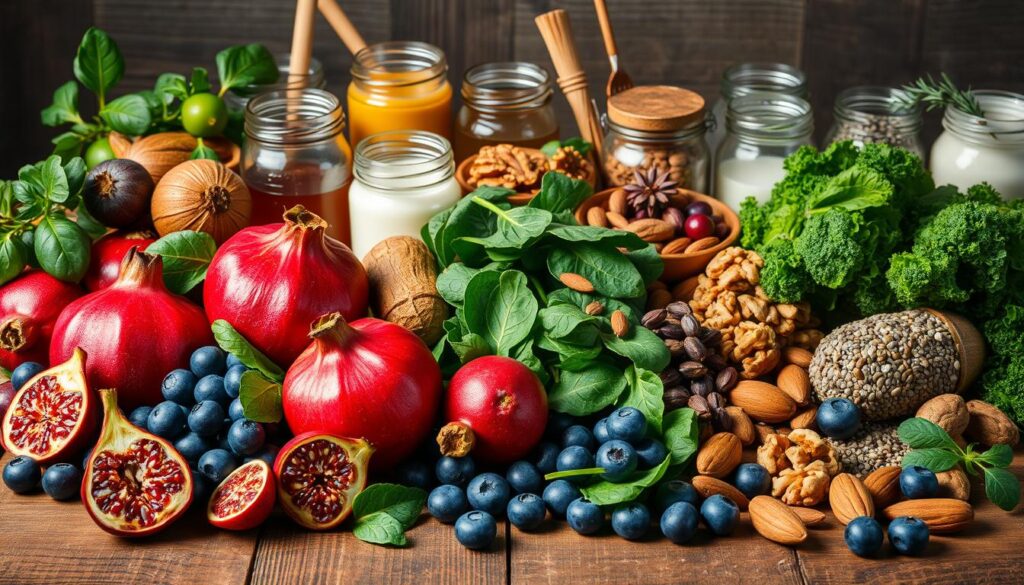
A fertility-friendly diet is rich in various superfoods that provide essential nutrients for optimal reproductive health. Incorporating these foods into your daily meals can help support your journey to conception.
Leafy Greens: Folate Powerhouses
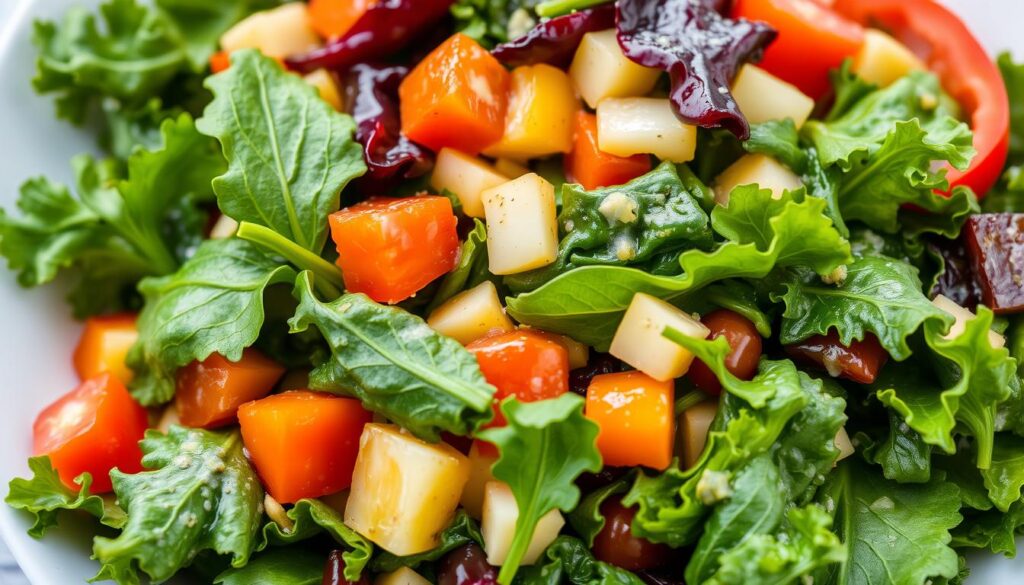
Leafy greens such as spinach, kale, and collard greens are rich in folate, a crucial nutrient for fertility. Folate helps regulate ovulation and supports the development of healthy embryos. Consuming adequate folate can also reduce the risk of miscarriage and birth defects.
The high antioxidant content in leafy greens further supports reproductive health by protecting eggs and sperm from oxidative damage. Adding a daily serving of leafy greens to your diet can be as simple as having a spinach salad or sautéing kale with garlic as a side dish.
Omega-3 Rich Foods: Salmon and Walnuts
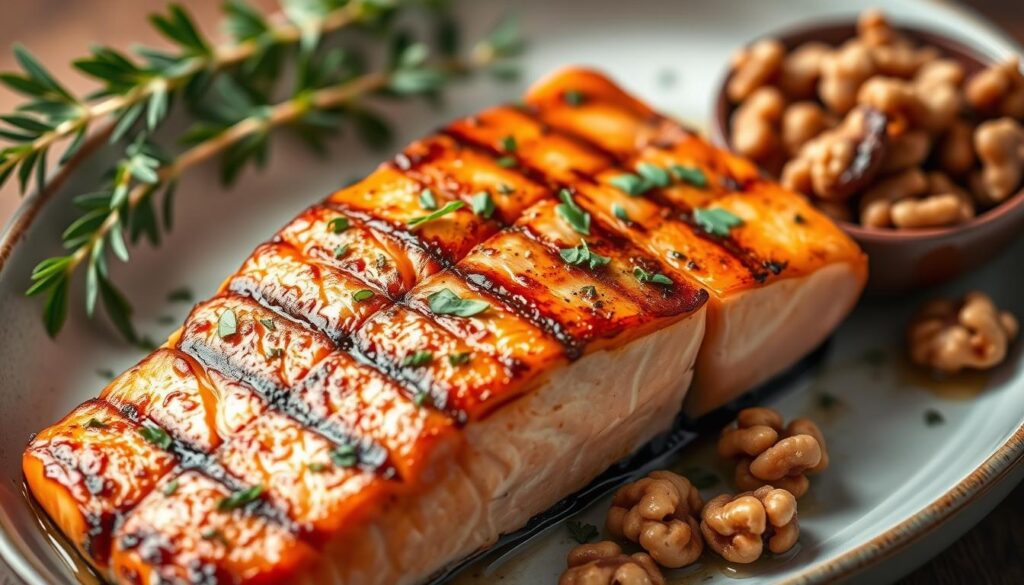
Omega-3 fatty acids found in foods like salmon and walnuts play a significant role in supporting fertility. These healthy fats help regulate hormones and improve the quality of eggs and sperm. Omega-3s also support the health of the reproductive tract and promote a healthy inflammatory response.
For men, omega-3s have been shown to improve sperm count and motility. For women, they support the development of healthy embryos and may reduce the risk of preterm labor. Including omega-3-rich foods in your diet a few times a week can have a positive impact on fertility.
Colorful Berries: Antioxidant Champions
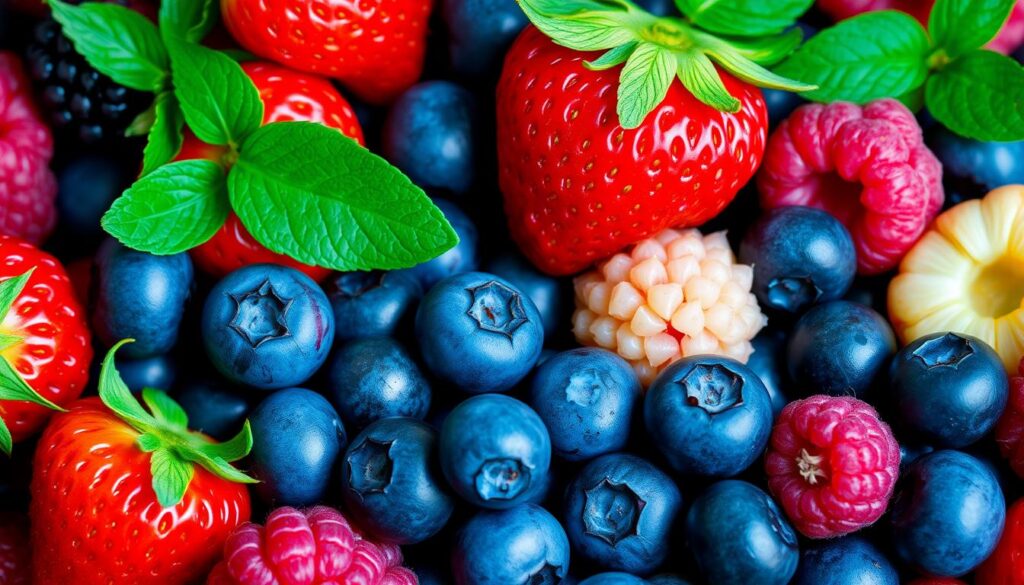
Colorful berries are not only delicious but also packed with antioxidants that support fertility. Berries like blueberries, strawberries, and raspberries are rich in vitamin C and other antioxidants that protect eggs and sperm from oxidative stress.
The antioxidants in berries help maintain the integrity of reproductive cells and support overall reproductive health. Enjoying a serving of mixed berries daily can be a tasty way to boost your fertility.
Whole Grains: Blood Sugar Stabilizers
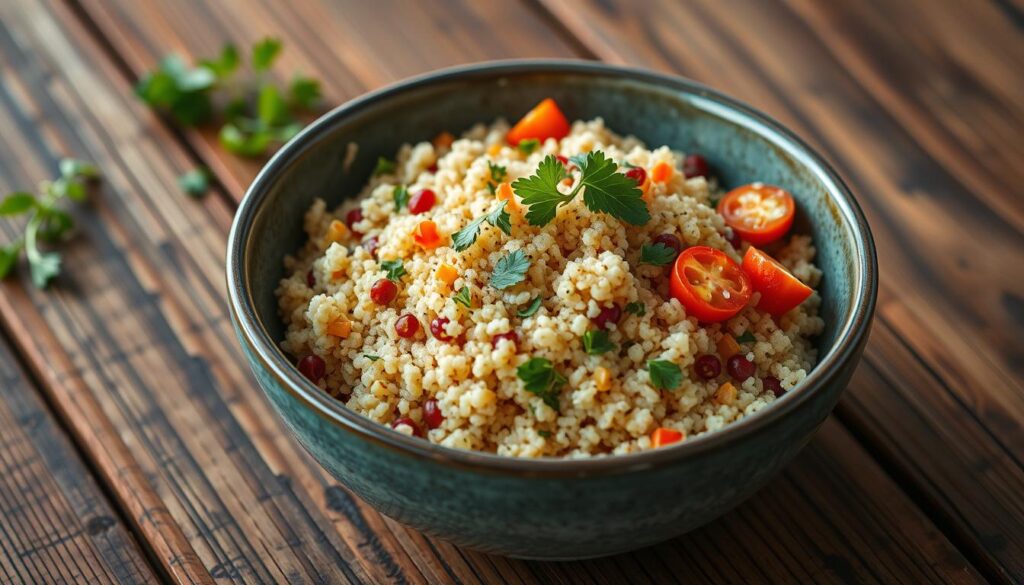
Whole grains such as quinoa, brown rice, and whole wheat are rich in fiber, vitamins, and minerals that support fertility. These foods help stabilize blood sugar levels, which is crucial for maintaining hormonal balance and supporting reproductive health.
Whole grains are also good sources of folate, iron, and other nutrients essential for fertility. Replacing refined grains with whole grains in your diet can have a positive impact on your fertility journey.
Citrus Fruits: Vitamin C and Folate Sources
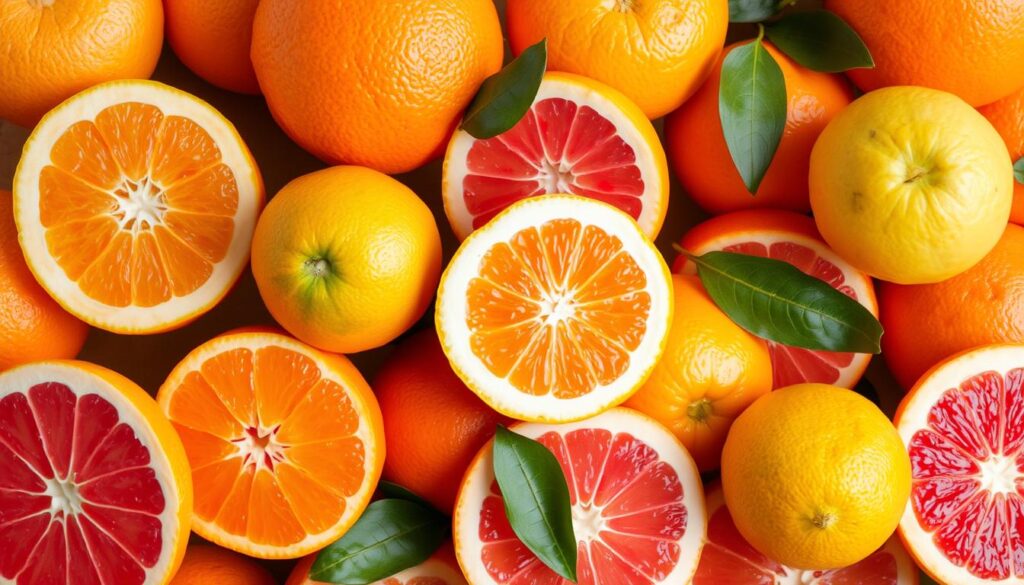
Citrus fruits like oranges, grapefruits, and lemons are high in vitamin C and folate, making them excellent choices for supporting fertility. Vitamin C helps protect eggs and sperm from oxidative damage, while folate is crucial for healthy embryo development.
In addition to their fertility benefits, citrus fruits support immune function and overall health. Enjoying a variety of citrus fruits daily can be a refreshing way to support your reproductive well-being.
Fermented Foods: Gut Health Promoters

Fermented foods such as yogurt, kimchi, and sauerkraut are rich in probiotics that support gut health. A healthy gut microbiome is essential for optimal nutrient absorption and hormonal balance, both of which are critical for fertility.
Incorporating fermented foods into your diet can help maintain a balanced gut microbiome, supporting your overall reproductive health. Try adding a serving of fermented foods to your meals daily.
Nuts and Seeds: Healthy Fat Providers
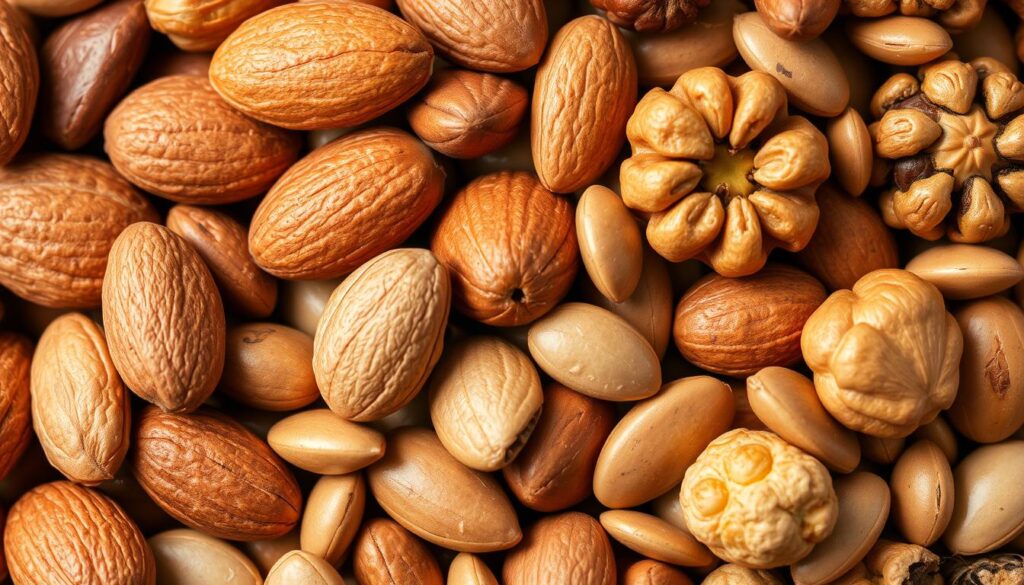
Nuts and seeds are rich in healthy fats, protein, and various micronutrients that support fertility. Foods like almonds, walnuts, and pumpkin seeds provide essential fatty acids, vitamin E, and other antioxidants that protect reproductive cells.
The combination of healthy fats, protein, and fiber in nuts and seeds helps stabilize blood sugar levels and support hormonal balance. Enjoying a handful of nuts and seeds daily can be a nutritious way to support your fertility.
Creating a Fertility-Boosting Meal Plan
Creating a meal plan that incorporates fertility-boosting foods is a crucial step towards improving reproductive health. By focusing on nutrient-rich foods, you can support your body’s needs and enhance your fertility.
Breakfast Ideas with Fertility Superfoods
Start your day with a fertility-boosting breakfast by incorporating superfoods into your meal. Prepare a smoothie with unsweetened almond milk, a handful of leafy greens, berries, half a banana, and a tablespoon of ground flaxseeds or chia seeds. Alternatively, enjoy whole grain toast with avocado and a sprinkle of hemp seeds for a nutrient-dense breakfast.
Lunch and Dinner Combinations
For lunch and dinner, focus on combining foods that are rich in fertility-enhancing nutrients. Grilled salmon with quinoa and steamed vegetables makes for a well-rounded meal. You can also sauté leafy greens with garlic as a side dish, adding them to your meals for an extra nutritional boost.
Healthy Snacks and Smoothies
Incorporating healthy snacks into your meal plan can help maintain your nutrient levels throughout the day. Options include trail mix with nuts and dried berries, Greek yogurt topped with fresh fruits and pumpkin seeds, or hummus with vegetable sticks. These snacks are not only delicious but also provide essential nutrient sources that support fertility.
| Meal | Fertility-Boosting Foods | Benefits |
|---|---|---|
| Breakfast Smoothie | Leafy greens, berries, banana, flaxseeds | Rich in antioxidants and omega-3 fatty acids |
| Lunch/Dinner | Grilled salmon, quinoa, steamed vegetables | High in protein and essential nutrients |
| Snack | Nuts, dried berries, Greek yogurt | Provides healthy fats, protein, and probiotics |
Additional Resources to read:
Foods to Improve Your Sperm Count and Quality
Affordable surrogacy in Georgia
The Best Countries for IVF Treatment Worldwide
Conclusion
Optimizing fertility involves more than just medical treatments; it starts with what you eat. By incorporating the 7 superfoods discussed—leafy greens, omega-3 rich foods, colorful berries, whole grains, citrus fruits, fermented foods, and nuts and seeds—you can significantly enhance your fertility and improve your chances of conception.
These foods work through multiple mechanisms: providing essential nutrients for reproductive health, balancing hormones, reducing inflammation, and supporting overall well-being.
Consistency is key; these foods should be regular components of your diet. While dietary changes are powerful, they work best as part of a comprehensive approach that includes exercise, stress management, quality sleep, and proper hydration. By nourishing your body with these nutrient-dense foods, you’re creating an optimal internal environment for conception and a healthy pregnancy.
Fertility superfoods won’t guarantee pregnancy overnight, but they create the foundation your body needs to conceive naturally or support treatments like IVF. Incorporate these 7 fertility-friendly foods into your daily routine, and you’ll not only improve reproductive health but also overall wellness.

💫 Why Intended Parents Choose Complete Surrogacy for a Safe, Smooth & Successful Surrogacy Journey:
🌍 Access to multiple surrogacy destinations with 15+ years of international experience
🏥 Partnerships with top-tier fertility clinics and agencies, backed by references from past clients
👩🦱 Diverse egg donor options: Asian, Caucasian, African, Oriental, and more
💸 Transparent and affordable pricing—direct payments with no extra agency fees
🔒 No hidden costs—all charges are agreed upon upfront
🤝 Dedicated case manager for personalized support
📲 Fast, honest, and clear communication throughout
📑 Full legal support for visas, documentation, and baby exit processes
🚚 Assistance with frozen sperm/embryo shipment logistics
FAQs for superfoods to support your fertility
How do omega-3 fatty acids support fertility?
Omega-3 fatty acids help reduce inflammation and promote hormone production, supporting reproductive health. Foods rich in omega-3s, such as salmon and walnuts, can improve egg quality and sperm health.
What role do antioxidants play in fertility?
Antioxidants, found in foods like berries and leafy greens, combat oxidative stress and free radicals that can damage reproductive cells. This helps protect the egg and sperm, improving overall fertility.
How can whole grains impact fertility?
Whole grains help stabilize blood sugar levels, which is crucial for maintaining hormonal balance. They are also rich in fiber, vitamins, and minerals that support reproductive health.
Are there specific nutrients that can boost fertility?
Yes, nutrients like folic acid, iron, and vitamin C are essential for reproductive health. Folic acid, found in leafy greens and citrus fruits, is particularly important for preventing birth defects and supporting ovulation.
Can dietary changes alone improve fertility?
While diet plays a significant role in fertility, it is just one aspect of overall reproductive health. Combining a balanced diet with regular exercise, stress management, and adequate hydration can enhance fertility.
How does stress affect fertility, and can nutrition help?
High stress levels can disrupt hormonal balance and ovulation. A diet rich in whole foods, omega-3 fatty acids, and antioxidants can help mitigate stress and support fertility.
Is it necessary to take supplements for fertility, or can whole foods provide enough nutrients?
A well-balanced diet that includes a variety of whole foods can provide essential nutrients for fertility. However, in some cases, supplements may be recommended by healthcare providers to address specific nutritional deficiencies.

Author Bio: Neelam Chhagani is an International Surrogacy Expert with 15 years of experience in the fertility and surrogacy domain. As the founder of IVF Conceptions and Complete Surrogacy, she has guided over 4,000 intended parents worldwide on their surrogacy journey to parenthood. Recognized as a trusted authority, she specializes in holistic infertility solutions and third-party reproduction consulting.
Holding an MA in Counselling Psychology and a PGD in Mental Health, Neelam is a proud member of the European Fertility Society (EFS) and the European Society of Human Reproduction and Embryology (ESHRE). She is also a leading surrogacy blogger, providing valuable insights into ethical and practical surrogacy solutions.
Since 2010, committed to supporting ALL family types, Neelam has been passionate about helping intended parents grow their families with compassion, integrity, and a focus on secure and affordable surrogacy options Globally.
Learn more about Neelam:
https://www.ivfconceptions.com/neelam-chhagani-surrogacy-consultant/
https://www.linkedin.com/in/neelam-chhagani-92892229/















I was introduced to Neelam by a friend who worked with Neelam for surrogacy. Neelam is absolutely wonderful. I am a single male and the journey to fatherhood is not that easy. Neelam connected me to a program ideal for my circumstances. She was with me throughout the pregnancy providing advice and guidance along the way. I am so grateful I found her and am thrilled today that I have a beautiful daughter. I highly recommend Neelam to anyone who is on a journey to become a parent. Having a child has changed my world for the better. I wish others success with their own journey and recommend you connect with Neelam to find a path that is best for you.
SA (USA)