

Did you know that approximately 1 in 8 couples in the United States face challenges related to fertility? This staggering statistic highlights the importance of exploring alternative options for family building, such as surrogacy. For those considering starting a surrogacy journey, understanding the complexity of the surrogacy process can become a vital part of your decision-making. Ethical considerations, legalities, and emotional support are among the numerous factors you will encounter on this path.
This comprehensive guide is designed specifically to support potential parents and surrogates by providing essential surrogacy resources. From navigating the initial choice of surrogacy agency selection to engaging in the necessary preparatory activities, you will find invaluable information that can empower you throughout your journey. Join us as we delve into the intricacies of surrogacy and provide the insights you need to ensure a fulfilling and ethical experience.
Key Takeaways
- Understanding the surrogacy process is crucial for informed decision-making.
- Explore the various types of surrogacy to determine what fits your needs.
- Emotional support plays a significant role during the surrogacy journey.
- Being aware of legal implications can protect all parties involved.
- Researching surrogacy resources will enhance your knowledge and preparedness.
- Choosing the right surrogacy agency can make a positive difference in your experience.
📞 Get in Touch for a Free Surrogacy Consultation
📱 +91-8800481100 (WhatsApp | LINE | Viber)
📧 neelam@ivfconceptions.com
💫 Why Intended Parents Choose Complete Surrogacy for a Safe, Smooth & Successful Surrogacy Journey:
🌍 Access to multiple surrogacy destinations with 15+ years of international experience
🏥 Partnerships with top-tier fertility clinics and agencies, backed by references from past clients
👩🦱 Diverse egg donor options: Asian, Caucasian, African, Oriental, and more
💸 Transparent and affordable pricing—direct payments with no extra agency fees
🔒 No hidden costs—all charges are agreed upon upfront
🤝 Dedicated case manager for personalized support
📲 Fast, honest, and clear communication throughout
📑 Full legal support for visas, documentation, and baby exit processes
🚚 Assistance with frozen sperm/embryo shipment logistics
Understanding Surrogacy: What You Need to Know
Surrogacy is a complex yet rewarding option for building families. Understanding the surrogacy definition and its various forms can help intended parents and surrogates alike navigate this journey with clarity. Surrogacy generally involves an agreement wherein a surrogate carries and delivers a child for individuals or couples unable to conceive naturally.
Definition of Surrogacy
The surrogacy definition encompasses an agreement where one person, known as the surrogate, becomes pregnant and gives birth to a baby for others, referred to as the intended parents. This arrangement can be particularly supportive for those facing infertility issues, medical conditions, or other challenges that inhibit pregnancy.
Types of Surrogacy: Traditional vs. Gestational
When exploring types of surrogacy, two primary categories emerge: traditional surrogacy and gestational surrogacy. Understanding the differences between these options is crucial for making informed decisions.
- Traditional Surrogacy: In this arrangement, the surrogate is the biological mother of the child. Her egg is fertilized using sperm from the intended father or a donor, typically through intrauterine insemination (IUI) or in vitro fertilization (IVF). This type often includes legal and emotional nuances that need thorough consideration.
- Gestational Surrogacy: Here, the surrogate carries an embryo created from an egg (from the intended mother or a donor) and sperm (from the intended father or a donor). The surrogate has no genetic connection to the child, as this arrangement relies on the use of assisted reproductive technology. Gestational surrogacy typically presents different emotional and legal implications for all parties involved.
Deciding if Surrogacy is the Right Choice
Choosing surrogacy represents a significant commitment for both intended parents and prospective surrogates. This journey necessitates deep reflection and careful consideration of various factors, including emotional and financial readiness.

For Intended Parents: Evaluating Your Readiness
For intended parents, surrogacy often emerges as a viable solution after facing challenges such as infertility or medical issues. Understanding the emotional and financial implications is critical. Here are essential points to consider:
- Emotional support: Can you provide emotional support to the surrogate throughout the process?
- Financial investment: Are you prepared for the costs associated with intended parents’ surrogacy, including medical expenses and legal fees?
- Commitment level: Do you comprehend the long-term commitment necessary for a successful surrogacy journey?
For Prospective Surrogates: Assessing Your Motivation
Becoming a surrogate mother involves profound motivation and commitment. Prospective surrogates should evaluate their reasons for wanting to help others build their families. Consider the following:
- Personal fulfillment: Does the idea of helping another family resonate with you on a personal level?
- Physical demands: Are you prepared to face the physical and emotional challenges associated with pregnancy?
- Long-term considerations: Have you reflected on how this journey may impact your personal life and relationships?
Starting a Surrogacy Journey: Initial Steps to Consider
Beginning a surrogacy journey involves thoughtful preparation and exploration of various factors. Key initial steps include researching surrogacy laws that pertain to your state and understanding the importance of surrogacy, emotional support, and counseling for all parties involved. These aspects lay the groundwork for a successful and informed surrogacy experience.
Researching Surrogacy Laws and Regulations in Your Area
Familiarizing yourself with surrogacy laws is essential for protecting your rights and ensuring compliance with legal requirements. Each state in the United States has different regulations governing surrogacy arrangements, which can significantly impact your journey. Legal professionals who specialize in family law or reproductive law can provide clarity on these issues.
The Importance of Emotional Support and Counseling
Incorporating surrogacy emotional support through professional counseling can greatly benefit both intended parents and surrogates. The emotional landscape of the surrogacy process can be complex and ever-changing, necessitating a well-rounded support system. Engaging with a counselor experienced in surrogacy can help individuals manage anxiety and prepare for the inevitable emotional shifts that arise during the journey.
Preparing for the Surrogacy Process
Preparing for surrogacy involves a series of thoughtful considerations that will guide intended parents and surrogates alike. Establishing clear surrogacy goals ensures that everyone understands the objectives and expectations involved in this journey. It is vital to reflect on what you hope to achieve, whether it’s fostering a deep connection with the surrogate or opting for a more straightforward arrangement.

Identifying Your Goals: What Do You Hope to Achieve?
The first step in preparing for surrogacy is to define your personal goals. Consider asking yourself the following questions:
- What type of relationship do you wish to have with your surrogate?
- Are there specific milestones you want to celebrate together during this journey?
- How involved do you wish to be in the pregnancy process?
Understanding your motivations and desires will help in aligning your expectations with the choices you make. This clarity will greatly influence your approach to surrogacy agency selection and the overall experience.
Choosing the Type of Surrogacy Professional: Agency vs. Attorney
When it comes to navigating the surrogacy landscape, selecting the right professional is crucial. You can typically choose between working with a surrogacy agency or hiring a surrogacy attorney. Consider the following:
- Surrogacy Agencies: These organizations offer comprehensive services, which often include matching intended parents with surrogates, counseling, and managing legal aspects.
- Surrogacy Attorneys: Attorneys focus primarily on legal matters, ensuring contracts are sound and protecting the legal rights of all parties involved.
Your choice between these professionals can shape your surrogacy experience, as different approaches will align with varied surrogacy goals. Thoroughly researching both options and reflecting on your preferred level of involvement will ultimately guide you to the right fit for your journey.
Finding a Suitable Match: The Matching Process
Moving forward in the surrogacy journey, finding a suitable match is a crucial step that significantly impacts the experience of both intended parents and surrogates. Surrogacy agencies play an essential role in facilitating the surrogacy matching process by utilizing information from both parties to create meaningful connections. Understanding how these agencies coordinate matches can make this journey more transparent and aligned with personal goals.
How Surrogacy Agencies Facilitate Matches
Surrogacy agencies provide invaluable services in the matching process. They analyze the preferences and requirements of intended parents and surrogates, ensuring compatibility. Agencies often conduct thorough screenings and interviews, allowing for a detailed understanding of each party’s expectations. This data-driven approach helps in finding a surrogate mother who shares similar values and aspirations.
Creating Profiles: What to Include
Creating surrogacy profiles is a pivotal aspect of the matching process. These profiles should encompass essential details that reflect individual lifestyles, beliefs, and preferences concerning communication. Key elements to consider when crafting these profiles include:
- Personal background: Information about family, education, and career.
- Health history: Relevant medical history for both parties.
- Values and beliefs: Personal philosophies and ethical considerations.
- Expectations: Desired level of involvement and communication throughout the surrogacy journey.
Properly constructed profiles ensure a more efficient surrogacy matching process, leading to fulfilling relationships for intended parents and surrogates alike.
| Profile Component | Importance |
|---|---|
| Personal Background | Helps in understanding shared interests and lifestyles |
| Health History | Crucial for assessing compatibility and medical risks |
| Values and Beliefs | Defines the ethical approach to the surrogacy process |
| Expectations | Guides communication preferences and involvement |
The emphasis on creating detailed surrogacy profiles fosters a better understanding and alignment throughout the surrogacy matching process, paving the way for successful partnerships.
Navigating the Legal Aspects of Surrogacy
Understanding the legal framework surrounding surrogacy is crucial for all parties involved. Surrogacy legalities can be complex and vary by state. Legal contracts are essential to establish clear terms and protect the rights and responsibilities of intended parents and surrogates. This section outlines the importance of these agreements and highlights the various rights and responsibilities associated with surrogacy arrangements.
The Importance of Legal Contracts
Legal contracts serve as the foundation of any surrogacy agreement. These contracts protect everyone’s interests by defining roles, responsibilities, and expectations from the outset. Key elements to include in these contracts consist of:
- Compensation: Detailed information about financial arrangements.
- Medical Protocols: Guidelines for medical procedures throughout the pregnancy.
- Parental Intentions: Clarifications on the intended parents’ rights to the child.
Drafted legal contracts help mitigate misunderstandings and disputes, providing a sense of security for all parties involved.
Understanding Your Rights and Responsibilities
Each party in the surrogacy process has unique rights and responsibilities. Understanding these surrogacy rights and responsibilities ensures a smooth journey. Here are some important considerations:
| Party | Rights | Responsibilities |
|---|---|---|
| Intended Parents | Legal parentage, compensation agreements | Medical expenses, emotional support |
| Surrogate | Health and safety, compensation | Following medical protocols, transparency |
Familiarizing oneself with these elements strengthens the commitment for all involved and fosters a cooperative environment throughout the surrogacy process.

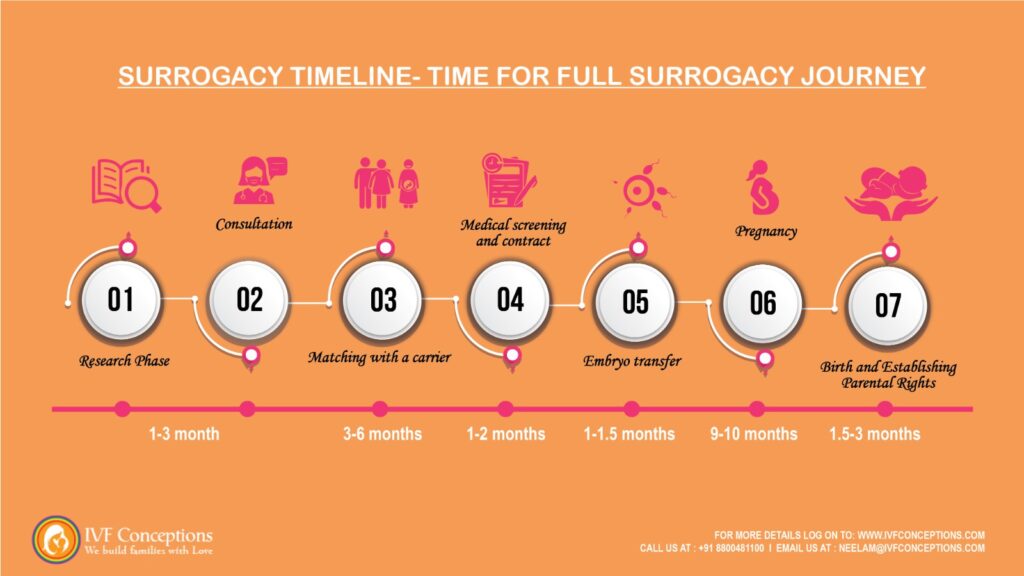
Surrogacy Process Steps: From Fertilization to Delivery
The surrogacy process involves a series of essential steps designed to ensure the health and well-being of everyone involved. This journey spans from the initial preparations to the joyful moment of delivery. Understanding these surrogacy process steps can help intended parents and surrogates navigate this pathway effectively.
The Embryo Transfer Process Explained
The embryo transfer represents a pivotal milestone within the surrogacy journey. After successful fertilization of the eggs, the viable embryos are carefully selected for transfer. This procedure typically occurs within a few days following fertilization.
- Preparation: Prior to transfer, the surrogate may undergo specific medical evaluations to optimize her readiness.
- Procedure: A medical professional will delicately place the embryo into the surrogate’s uterus using a thin catheter.
- Post-Transfer Monitoring: Close monitoring follows the embryo transfer, including blood tests and ultrasounds, to confirm a successful implantation.
Pregnancy Journey: What to Expect
Once the embryo transfer is completed, a new chapter begins in the pregnancy journey. Regular communication between intended parents and the surrogate fosters connection and transparency throughout this experience.
- Early Symptoms: Expect some common early pregnancy symptoms, including nausea and fatigue, in the first few weeks.
- Regular Check-ups: Routine medical visits ensure both the surrogate’s and the baby’s health are monitored.
- Emotional Support: Providing emotional support is crucial as this journey can bring thrills alongside uncertainties.
How much does surrogacy cost?
Understanding the financial aspects of the surrogacy journey is vital for intended parents. The overall surrogacy cost can significantly vary based on several factors, including the type of surrogacy arrangement, agency fees, legal expenses, medical costs, and the compensation provided to the surrogate.

Average cost of surrogacy with breakdown
The typical surrogacy journey can range from $75,000 to $150,000 or more. This wide range stems from the following expenses:
| Expense Category | Estimated Cost |
|---|---|
| Agency Fees | $15,000 – $30,000 |
| Legal Fees | $5,000 – $20,000 |
| Medical Expenses | $20,000 – $50,000 |
| Surrogate Compensation | $30,000 – $60,000 |
| Other Miscellaneous Costs (like travel, insurance, etc.) | $5,000 – $15,000 |
Why surrogacy process so expensive?
The surrogacy financial considerations can often be daunting for intended parents. This process involves numerous professionals and medical procedures, each contributing to the overall cost. Factors such as state-specific regulations, the surrogate’s experience, and the complexity of the medical procedures can all increase the surrogacy cost.

International Surrogacy – Surrogacy Abroad
International surrogacy provides diverse options for intended parents eager to expand their families. When considering surrogacy abroad, evaluating several crucial factors is essential. These factors include local surrogacy laws, the legal framework concerning parental rights, and potential cultural complexities. Each country presents its own unique benefits and challenges.
Factors to Consider Before Opting for Surrogacy Outside USA
Before pursuing surrogacy options outside the United States, thorough research is necessary. Key considerations include:
- Legal Regulations: Understand the surrogacy laws in the chosen country and how they may affect your situation.
- Healthcare Standards: Evaluate the medical facilities and the quality of care available.
- Cultural Differences: Be aware of cultural attitudes towards surrogacy, which can impact the overall process.
- Cost: Research the financial aspects, including agency fees, medical costs, and legal expenses.
Surrogacy in Mexico
Surrogacy in Mexico has gained popularity due to its relatively low costs and straightforward process. Many states in Mexico offer favorable environments for surrogates and intended parents, though regulations can vary by region. Ensure careful examination of the legal aspects specific to the area where surrogacy will be pursued.
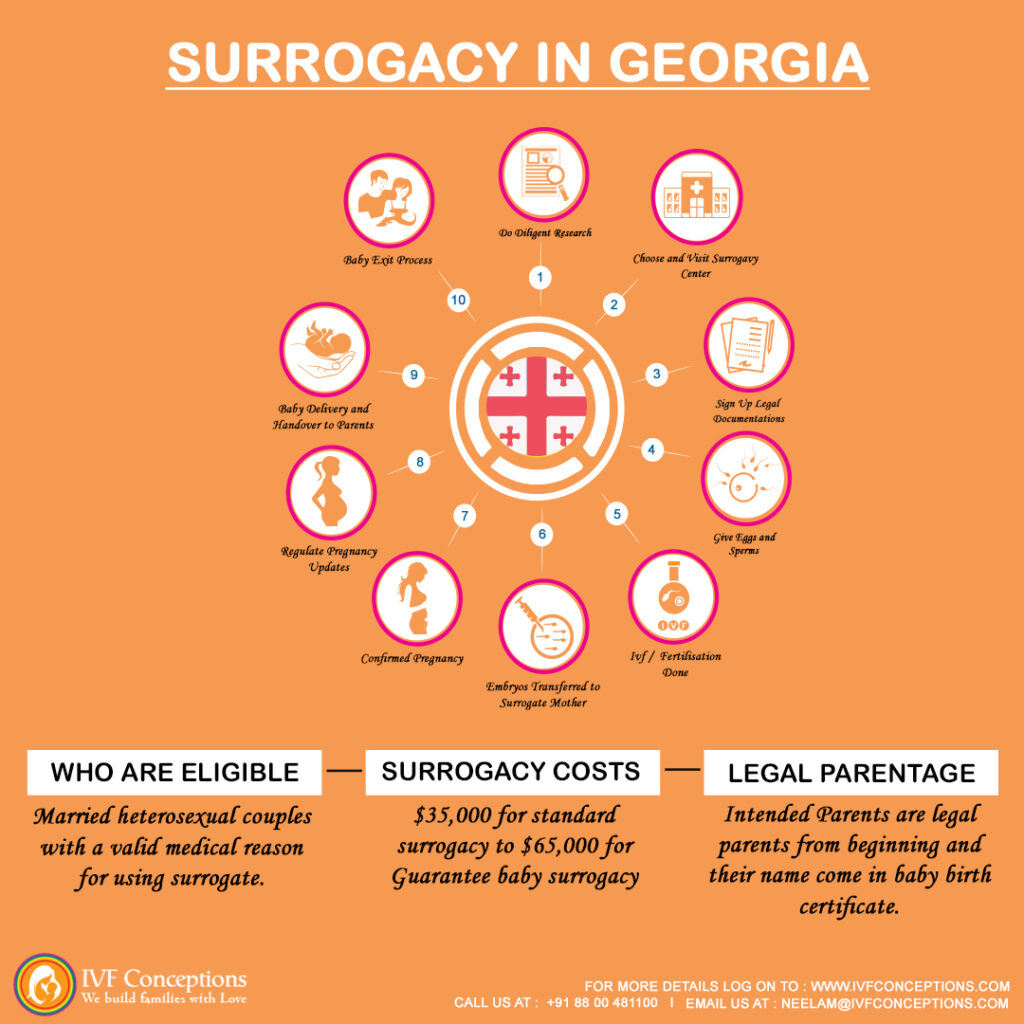
Surrogacy in Georgia
Georgia stands out as a destination for international surrogacy thanks to its supportive laws regarding parental rights. Intended parents have the reassurance of legal contracts that protect their rights throughout the process. Extensive guidelines establish a secure framework for surrogates and intended parents to follow.
Surrogacy in Ukraine
Surrogacy in Ukraine is another attractive option for those exploring surrogacy abroad. The country offers favorable legal conditions and high-quality medical care. Many clinics are established and equipped to handle the surrogacy process, making it an appealing destination for international couples.
Additional Resources to read:
Affordable Surrogacy Through Embryo Adoption
How to Choose the Best Surrogacy Clinic Abroad
Whose Egg is Used in Surrogacy
Conclusion
The surrogacy journey is a remarkable and multifaceted experience that extends beyond simply becoming a surrogate mother or an intended parent. It requires a deep understanding of emotional, legal, and financial intricacies. For both intended parents and surrogates, having knowledge of these elements facilitates a smoother path, equipping everyone with the confidence and clarity needed to move forward.
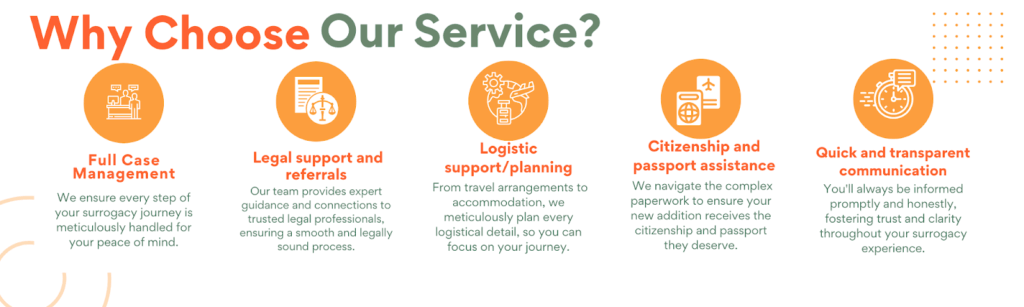
💫 Why Intended Parents Choose Complete Surrogacy for a Safe, Smooth & Successful Surrogacy Journey:
🌍 Access to multiple surrogacy destinations with 15+ years of international experience
🏥 Partnerships with top-tier fertility clinics and agencies, backed by references from past clients
👩🦱 Diverse egg donor options: Asian, Caucasian, African, Oriental, and more
💸 Transparent and affordable pricing—direct payments with no extra agency fees
🔒 No hidden costs—all charges are agreed upon upfront
🤝 Dedicated case manager for personalized support
📲 Fast, honest, and clear communication throughout
📑 Full legal support for visas, documentation, and baby exit processes
🚚 Assistance with frozen sperm/embryo shipment logistics
FAQs for guides for starting surrogacy journey
What is surrogacy?
Surrogacy is an arrangement where a surrogate mother carries and delivers a child for intended parents, who may be facing infertility or other challenges in growing their families.
What are the primary types of surrogacy?
The two primary types of surrogacy are Traditional Surrogacy, where the surrogate is the biological mother, and Gestational Surrogacy, where the surrogate has no genetic connection to the child.
What steps should intended parents take to start their surrogacy journey?
Intended parents should first research surrogacy laws in their state, assess their emotional and financial readiness, and consider engaging with a surrogacy agency or legal professionals specializing in surrogacy.
How can emotional support assist both intended parents and surrogates?
Emotional support can help both parties manage the psychological demands of the surrogacy process, allowing them to navigate emotional shifts and maintain open communication throughout the journey.
What factors should be included in a surrogate profile?
A surrogate profile should include lifestyle preferences, personal beliefs, health history, and the desired level of communication with the intended parents.
Why are legal contracts essential in a surrogacy arrangement?
Legal contracts clarify the rights and responsibilities of all parties involved, covering critical elements like compensation and parental intentions, thus minimizing potential disputes.
What are the typical steps involved in the surrogacy process?
The surrogacy process typically includes preparing for surrogacy, matching with a surrogate, legal contract negotiation, embryo transfer, and regular monitoring throughout the pregnancy until delivery.
What are the average costs associated with surrogacy?
The average cost of surrogacy can range from $75,000 to $150,000 or more, depending on various factors such as agency fees, legal expenses, medical costs, and surrogate compensation.
What should intended parents consider when exploring international surrogacy?
Intended parents should examine local surrogacy laws, the regulations concerning parental rights, available medical facilities, and any cultural complexities that may arise in the destination country.

Author Bio: Neelam Chhagani is an International Surrogacy Expert with 15 years of experience in the fertility and surrogacy domain. As the founder of IVF Conceptions and Complete Surrogacy, she has guided over 4,000 intended parents worldwide on their surrogacy journey to parenthood. Recognized as a trusted authority, she specializes in holistic infertility solutions and third-party reproduction consulting.
Holding an MA in Counselling Psychology and a PGD in Mental Health, Neelam is a proud member of the European Fertility Society (EFS) and the European Society of Human Reproduction and Embryology (ESHRE). She is also a leading surrogacy blogger, providing valuable insights into ethical and practical surrogacy solutions.
Since 2010, committed to supporting ALL family types, Neelam has been passionate about helping intended parents grow their families with compassion, integrity, and a focus on secure and affordable surrogacy options Globally.
Learn more about Neelam:
https://www.ivfconceptions.com/neelam-chhagani-surrogacy-consultant/
https://www.linkedin.com/in/neelam-chhagani-92892229/















I was introduced to Neelam by a friend who worked with Neelam for surrogacy. Neelam is absolutely wonderful. I am a single male and the journey to fatherhood is not that easy. Neelam connected me to a program ideal for my circumstances. She was with me throughout the pregnancy providing advice and guidance along the way. I am so grateful I found her and am thrilled today that I have a beautiful daughter. I highly recommend Neelam to anyone who is on a journey to become a parent. Having a child has changed my world for the better. I wish others success with their own journey and recommend you connect with Neelam to find a path that is best for you.
SA (USA)