

Understanding the PGT-A cost in surrogacy is essential for intended parents who want to maximize the chances of a healthy pregnancy and minimize IVF failure or miscarriage. PGT-A, or Preimplantation Genetic Testing for Aneuploidy, is an advanced screening technique used to identify chromosomally normal embryos before transfer. While adding PGT-A to your surrogacy journey can improve success rates—especially for older parents or those with past IVF failures—it also comes at an additional cost. In this guide, we’ll break down the typical cost of PGT-A in surrogacy programs, what’s included, when it’s medically recommended, and whether it’s worth the investment.
Genetic testing is a strong tool for finding healthy embryos. It can boost pregnancy success rates and lower genetic risks. Families should expect to have PGT-A cost between $3,155 and $12,626 for PGT-A testing, with an average of $4,268.
Key Takeaways
- PGT-A testing helps identify genetically healthy embryos
- Average genetic screening costs range from $3,155 to $12,626
- Genetic testing can improve surrogacy pregnancy success rates
- Comprehensive screening reduces possible genetic risks
- Financial planning is key to managing IVF surrogacy expenses
📞 Get in Touch for a Free Surrogacy Consultation
📱 +91-8800481100 (WhatsApp | LINE | Viber)
📧 neelam@ivfconceptions.com
Understanding PGT-A Testing in Surrogacy
Genetic screening has changed the surrogacy world. It gives parents a deep look into embryo health. Preimplantation Genetic Testing for Aneuploidy (PGT-A) is a big step forward. It helps make sure pregnancies go well.
Genetic screening makes choosing embryos easier for parents. It involves several important steps:
- Comprehensive chromosomal analysis
- Identification of possible genetic problems
- Checking if an embryo can grow well
- Lowering the chance of miscarriage
What is Preimplantation Genetic Testing for Aneuploidy
PGT-A is a test for embryos made through IVF before they’re transferred. It looks for chromosomal issues that could affect pregnancy success. Costs for surrogate mothers often include this test to increase healthy pregnancy.
Benefits of PGT-A in Surrogacy Journey
Genetic screening has many benefits for parents:
- Higher chances of a successful pregnancy
- Less risk of genetic diseases
- Better choice of embryos
- Less emotional and financial loss from failed attempts
Role of Genetic Screening in Successful Pregnancies
Advanced genetic testing is key in today’s reproductive medicine. It lets doctors check chromosomal details. This can greatly boost the chance of a healthy pregnancy and avoid genetic issues.
Genetic screening makes surrogacy a more predictable journey to becoming parents.
PGT-A Cost Surrogacy: Breaking Down the Expenses

Understanding the costs of PGT-A testing is key when exploring fertility clinic surrogacy packages. This genetic screening is a big part of your journey, with prices varying by clinic.
PGT-A Cost in Surrogacy: Country-Wise Comparison (2025)
| Country / Region | PGT-A Cost (USD) | Inclusions | Notes |
|---|---|---|---|
| USA | $4,000 – $7,000 | Biopsy, testing of 5–10 embryos, lab analysis | Often separate from IVF cost; varies by lab and clinic |
| Canada | $3,500 – $6,000 | Biopsy + testing; some clinics bundle with IVF | Limited access depending on province |
| India | $1,200 – $2,500 | Biopsy, NGS testing, lab fees | More affordable; ensure lab accreditation |
| Georgia | $2,000 – $3,500 | PGT-A for up to 8 embryos | Widely offered with donor IVF programs |
| Mexico | $2,500 – $4,000 | PGT-A + embryo grading | Popular for international IPs; clinics in Cancun, Mexico City |
| Colombia | $2,000 – $3,000 | Biopsy and testing (5–10 embryos) | Offered in Bogotá and Medellín clinics |
| Ukraine / Armenia | $2,000 – $3,000 | Testing for multiple embryos | Offered alongside donor egg IVF in surrogacy packages |
💡 Key Notes:
- PGT-A is typically an add-on to the IVF cycle—not included in the base surrogacy cost.
- Testing more than 10 embryos may incur additional per-embryo charges (approx. $200–$300 per extra).
- Newer technologies like NGS (Next Generation Sequencing) are standard in most clinics and improve accuracy.
- Clinics may use terms like PGT-A, PGS, or Preimplantation Screening interchangeably—confirm what’s included.
PGT-A testing includes several important parts that affect the cost:
- Embryo biopsy procedure
- Genetic laboratory analysis
- Specialized genetic screening techniques
- Consultation and interpretation of results
The cost for PGT-A testing can range from $3,000 to $6,000 per cycle based on the location of the fertility clinic. This investment helps find the best embryos. It can also lower future medical costs and boost pregnancy success.
Intended parents need to check their insurance for surrogacy coverage. Planning your finances well can help manage these costs.
Genetic screening is not just an expense—it’s an investment in your future family’s health and future.
Several factors can change the cost of PGT-A testing:
- Number of embryos needing genetic screening
- Complexity of genetic analysis
- Specific clinic’s technological capabilities
- Geographic location of the fertility center
Though the initial cost may seem high, PGT-A testing has long-term benefits. It improves embryo selection and boosts the chance of a successful pregnancy.
Factors Influencing PGT-A Testing Costs
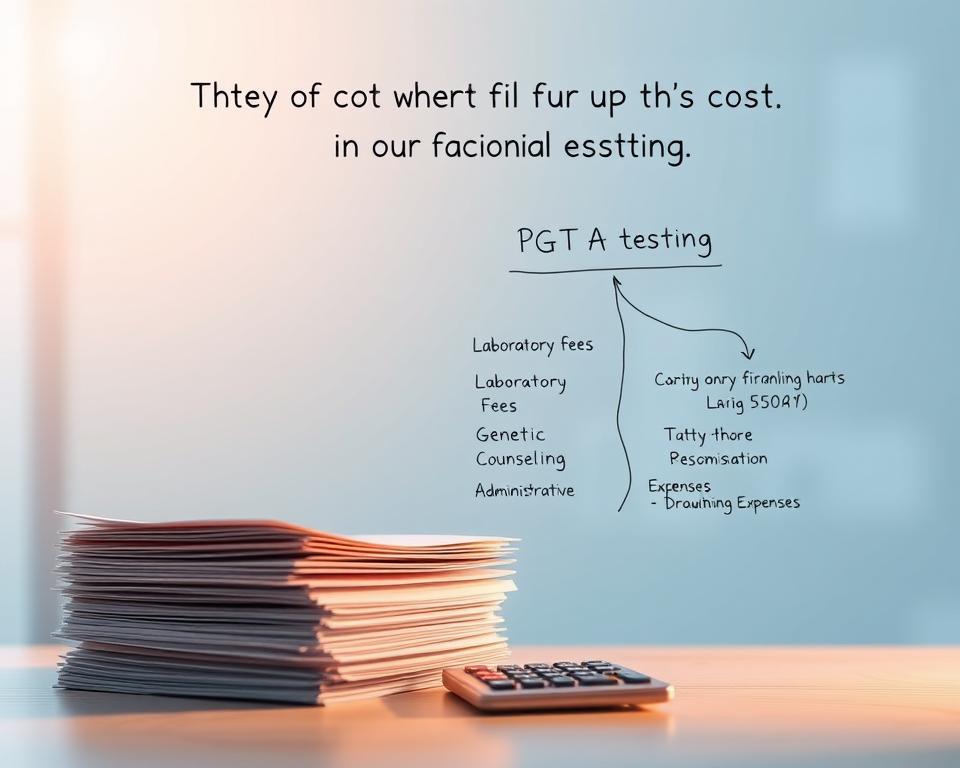
Understanding the cost of preimplantation genetic testing for aneuploidy (PGT-A) is important to make an informed decision and plan your budget.
PGT-A testing has many parts that affect the price. When planning your budget, consider these important factors.
Clinic Location and Service Variations
The cost of PGT-A testing varies by location. Clinics in big cities usually charge more. This is because of:
- Advanced lab equipment
- Latest genetic screening tech
- Expert reproductive geneticists
Embryo Testing Pricing Structure
The number of embryos tested affects the cost. Most clinics have a pricing system. This system can save money if you test more embryos.
| Embryo Count | Typical Cost per Embryo | Potential Savings |
|---|---|---|
| First Embryo | $3,300 | Base Rate |
| Second Embryo | $325 | 90% Reduction |
| Third Embryo | $325 | 90% Reduction |
Additional Laboratory Considerations
There might be extra fees for extra lab work. Genetic screening complexity can lead to extra costs. This includes special tests or advanced methods.
Doing your research and talking openly with clinics is vital. It helps you set a realistic budget for PGT-A testing in your surrogacy journey.
Insurance Coverage and Financial Planning for PGT-A
Understanding the costs of IVF with PGT-A can be tough. Knowing about insurance and planning your budget are key. They help manage the costs of fertility treatments.
Most health plans from employers don’t cover much for fertility treatments. Many don’t cover costs related to surrogacy. It’s important to check your insurance to know what you might have to pay for.
“Knowing your insurance coverage is the first step in financial planning for PGT-A testing,” says reproductive health financial advisor Sarah Martinez.
- Review current insurance policy details
- Identify what fertility treatments your insurance covers
- Look into extra insurance options
- Check out financing programs for reproductive technologies
Planning for PGT-A costs needs a detailed plan. Here are some strategies:
| Funding Option | Estimated Coverage | Typical Costs |
|---|---|---|
| Private Insurance | 10-30% | $500-$5,000 |
| Fertility Financing | Up to 100% | Varies |
| Personal Savings | Flexible | Dependent on resources |
Pro tip: Many fertility clinics offer payment plans and financial counseling to help manage IVF with PGT-A expenses.
Start researching and planning early to lessen financial stress. Talking to a financial advisor who knows about reproductive technologies can help. They can give advice that fits your needs.
Success Rates and Age-Related Considerations
Understanding PGT-A testing success rates is key when looking at fertility treatment costs. This genetic screening is vital in assisted reproductive technology pricing. It gives parents insights into embryo quality and their chances of pregnancy.
Age-Based Success Statistics
Embryo screening success changes with the mother’s age. The success rates in PGT-A testing vary a lot:
- Under 35 years: 72% embryo success rate
- 35-37 years: 62% embryo success rate
- 38-40 years: 46% embryo success rate
- 41-42 years: 30% embryo success rate
Embryo Viability Rates
Investing in surrogacy becomes more strategic with PGT-A testing. This genetic screening finds the best embryos. It lowers the chance of failed transfers and financial loss.
Cost-Benefit Analysis
Even though PGT-A testing costs more upfront, it can save money in the long run. It helps by:
- Reducing the need for multiple embryo transfers
- Boosting the chance of a successful pregnancy
- Lowering the risk of miscarriage
Genetic screening is a wise choice for your fertility journey. It balances science with financial planning.
Managing PGT-A Expenses in Your Surrogacy Budget
Surrogacy’s financial side can be tough to handle, with PGT-A costs being a big part. It’s key for those starting their fertility journey to know how to manage these costs well.
Planning your finances for IVF with PGT-A needs careful thought and action. Here are some tips to help you budget:
- Compare clinic pricing for PGT-A genetic screening costs across multiple fertility centers
- Explore financing options made for reproductive technologies
- Look into multi-cycle discounts for PGT-A testing
- Check if insurance covers genetic screening procedures
When planning for surrogacy, it’s important to set priorities. Not all extra services are needed. Focus on the genetic screenings that are medically advised and increase your chances of a healthy pregnancy.
Talking openly with your fertility clinic can lead to cost savings. Many clinics offer payment plans or packages that can lower the cost of PGT-A testing and surrogacy.
Remember, investing in detailed genetic screening is an investment in your future family’s health and well-being.
Even though the average surrogacy journey costs about $110,000, smart planning can help manage these costs. This way, you can achieve your dream of becoming parents without breaking the bank.
Additional Resources to Read:
9 Factors To Improve IVF Pregnancy Rate
IVF With Egg Donor Success Rates
How To Choose Between IVF and IUI
What is Mitochondrial Donation IVF Treatment
Conclusion
Choosing PGT-A testing is a big step towards becoming parents. Looking into affordable PGT-A surrogacy options can boost your chances of a healthy pregnancy. It also helps reduce genetic risks. Knowing the costs is key for those thinking about this advanced genetic test.
Financing PGT-A surrogacy needs careful planning and research. The costs might seem high at first, but the long-term benefits are worth it. Working with trusted fertility clinics and understanding fees will help you plan your budget better.
Experts say PGT-A is a smart way to start a healthy family. By looking into genetic screening, talking to financial advisors, and knowing success rates, you can make smart choices. These choices should match your family goals and what you can afford.
Your journey to surrogacy is special, and getting help is important. Talk to experienced fertility experts for personalized advice and support. They can guide you through the complex world of genetic testing and money planning.
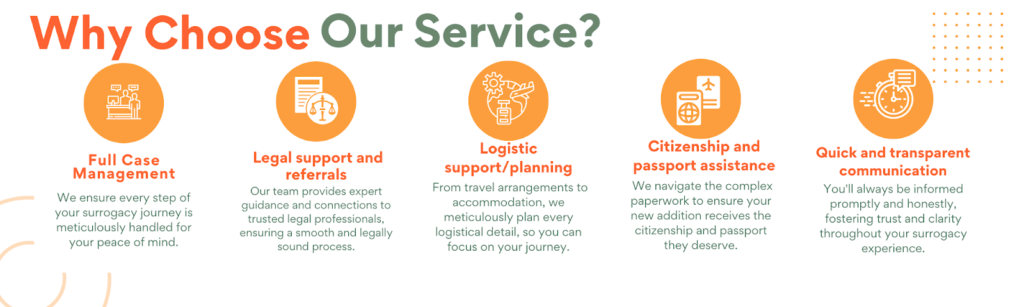
Why Intended Parents Choose Complete Surrogacy for a Safe, Smooth & Successful Surrogacy Journey:
🌍 Access to multiple surrogacy destinations with 15+ years of international experience
🏥 Partnerships with top-tier fertility clinics and agencies, backed by references from past clients
👩🦱 Diverse egg donor options: Asian, Caucasian, African, Oriental, and more
💸 Transparent and affordable pricing—direct payments with no extra agency fees
🔒 No hidden costs—all charges are agreed upon upfront
🤝 Dedicated case manager for personalized support
📲 Fast, honest, and clear communication throughout
📑 Full legal support for visas, documentation, and baby exit processes
🚚 Assistance with frozen sperm/embryo shipment logistics
FAQs for PGT-A cost with surrogacy
What exactly is PGT-A testing in surrogacy?
PGT-A, or Preimplantation Genetic Testing for Aneuploidy, is a detailed genetic test done during IVF. It checks embryos for any chromosomal issues before they’re transferred. This test helps pick embryos with the right number of chromosomes, boosting the chance of a healthy pregnancy and lowering the risk of genetic problems.
How much does PGT-A testing typically cost in the surrogacy process?
PGT-A testing can cost between $3,000 and $7,000. This price varies based on the clinic, how many embryos are tested, and the lab’s methods. This cost is extra and not usually covered in basic surrogacy packages. The final price can change based on the clinic’s location, technology, and the type of screening done.
Does insurance typically cover PGT-A testing?
Most insurance plans don’t cover PGT-A testing because it’s seen as an optional procedure. Some fertility-focused insurance or extra policies might offer some coverage. It’s important for intended parents to check their insurance and look into other financing options like medical loans or payment plans for fertility treatments.
What are the success rates of PGT-A testing?
PGT-A testing success rates vary by age but generally lead to better pregnancy outcomes. For women under 35, it can increase successful implantation rates to about 60-70%. This testing helps lower miscarriage risks by picking embryos with the right chromosomes, saving time and possibly reducing treatment costs.
How many embryos are typically tested during PGT-A?
The number of embryos tested varies but most clinics suggest testing all viable ones from one IVF cycle. On average, patients might have 3-6 embryos to test. Each test, including biopsy and genetic screening, costs between $500-$800, adding to the overall cost of PGT-A.
Are there any risks associated with PGT-A testing?
PGT-A is generally safe but carries minor risks like damage to the embryo during biopsy. This risk is less than 1% when done by skilled embryologists. The benefits of finding chromosomally normal embryos usually outweigh these small risks.
How long does PGT-A testing take?
PGT-A testing usually takes 1-2 weeks from embryo biopsy to getting the genetic results. This includes sample collection, analysis, and detailed chromosomal screening. The wait time is a key factor for those planning their surrogacy journey.
Can PGT-A testing guarantee a successful pregnancy?
PGT-A significantly boosts pregnancy chances by choosing embryos with the right chromosomes. Yet, it can’t guarantee a successful pregnancy. Other factors like the surrogate’s health, embryo quality, and biological variations also play important roles in achieving a healthy pregnancy.
- https://en.wikipedia.org/wiki/Surrogacy_laws_by_country
- https://en.wikipedia.org/wiki/Third-party_reproduction

Author Bio: Neelam Chhagani is an International Surrogacy Expert with 15 years of experience in the fertility and surrogacy domain. As the founder of IVF Conceptions and Complete Surrogacy, she has guided over 4,000 intended parents worldwide on their surrogacy journey to parenthood. Recognized as a trusted authority, she specializes in holistic infertility solutions and third-party reproduction consulting.
Holding an MA in Counselling Psychology and a PGD in Mental Health, Neelam is a proud member of the European Fertility Society (EFS) and the European Society of Human Reproduction and Embryology (ESHRE). She is also a leading surrogacy blogger, providing valuable insights into ethical and practical surrogacy solutions.
Since 2010, committed to supporting ALL family types, Neelam has been passionate about helping intended parents grow their families with compassion, integrity, and a focus on secure and affordable surrogacy options Globally.
Learn more about Neelam:
https://www.ivfconceptions.com/neelam-chhagani-surrogacy-consultant/
https://www.linkedin.com/in/neelam-chhagani-92892229/















I was introduced to Neelam by a friend who worked with Neelam for surrogacy. Neelam is absolutely wonderful. I am a single male and the journey to fatherhood is not that easy. Neelam connected me to a program ideal for my circumstances. She was with me throughout the pregnancy providing advice and guidance along the way. I am so grateful I found her and am thrilled today that I have a beautiful daughter. I highly recommend Neelam to anyone who is on a journey to become a parent. Having a child has changed my world for the better. I wish others success with their own journey and recommend you connect with Neelam to find a path that is best for you.
SA (USA)