
About 9-18% of women of reproductive age have polycystic ovary syndrome (PCOS). This condition makes it hard to get pregnant and changes how women conceive. For those dealing with PCOS, in vitro fertilization (IVF) is a strong way to beat fertility hurdles.
PCOS makes fertility treatments tough, with up to 80% of women facing ovulation issues. But modern medicine offers hope. It has special IVF plans for women with PCOS.
Getting to know how PCOS affects fertility treatments is key. Women can find ways to boost their chances of getting pregnant. This includes targeted medical help and care tailored just for them.
Key Takeaways
- PCOS impacts nearly 1 in 10 reproductive-age women
- Specialized IVF protocols can improve conception chances
- A comprehensive medical evaluation is critical for PCOS patients
- Hormonal management is key in fertility treatment
- Personalized approaches lead to better reproductive results
📞 Get in Touch for a Free Surrogacy Consultation
📱 +91-8800481100 (WhatsApp | LINE | Viber)
📧 neelam@ivfconceptions.com

Understanding PCOS and Its Impact on Fertility
Struggling to conceive with PCOS? You’re not alone. Polycystic Ovary Syndrome (PCOS) is one of the most common causes of infertility in women, affecting hormone levels, ovulation, and overall reproductive health. But the good news is, with the right treatment plan, many women with PCOS go on to conceive successfully—especially through In Vitro Fertilization (IVF). In this guide, we’ll explore how PCOS impacts fertility, how IVF can help overcome those challenges, and what strategies can boost your chances of IVF success when dealing with PCOS. From lifestyle changes to medication protocols, this post serves as your roadmap to enhancing your chances of conception.
Polycystic Ovary Syndrome (PCOS) is a complex hormonal disorder that affects reproductive health. Women with PCOS face unique challenges in getting pregnant. They need special care and treatment.
PCOS affects many areas of the body, mainly hormonal balance and reproductive health. Ovarian cysts are common, making it harder for women to conceive.
What is Polycystic Ovary Syndrome
PCOS is a metabolic and endocrine disorder with several key features:
- Irregular menstrual cycles
- Elevated androgen levels
- Potential insulin resistance
- Development of multiple small ovarian cysts
Common PCOS Symptoms
Women with PCOS have many symptoms, not just reproductive issues:
- Irregular or missed menstrual periods
- Excessive facial and body hair growth
- Acne and skin complications
- Weight management difficulties
How PCOS Affects Fertility
PCOS greatly impacts egg quality and reproductive chances. Hormonal imbalance and irregular ovulation make it hard to conceive. Insulin resistance adds to the problem by affecting hormone regulation.
| PCOS Fertility Impact | Potential Consequences |
|---|---|
| Irregular Ovulation | Reduced pregnancy chances |
| Hormonal Disruption | Decreased egg quality |
| Insulin Resistance | Metabolic complications |
Understanding these complex issues helps patients find ways to manage their fertility challenges with PCOS.
Diagnosis and Initial Assessment for IVF Treatment
Understanding PCOS in reproductive endocrinology is a complex process. The first step for IVF treatment is a detailed evaluation. This helps grasp the infertility issues linked to PCOS.
Important steps in diagnosis include:
- Comprehensive hormonal profile testing
- Detailed metabolic health screening
- Transvaginal ultrasound examination
- Insulin resistance assessment
Hormone therapy is key in diagnosing and treating PCOS. Doctors use blood tests to check:
- Luteinizing hormone (LH) levels
- Follicle-stimulating hormone (FSH) ratios
- Testosterone concentrations
- Thyroid function markers
Metabolic tests are vital, as 35% of PCOS patients have insulin resistance. Early detection of metabolic issues can greatly enhance IVF success. Doctors also look at lipid profiles, mainly in obese patients, to tailor treatments.
Accurate diagnosis is the foundation of successful reproductive healthcare for PCOS patients.
The diagnostic process is all-encompassing. It combines clinical exams, lab tests, and advanced imaging. This approach gives a full picture of each patient’s reproductive health challenges.
Pre-IVF Preparation for PCOS Patients
Getting ready for IVF with Polycystic Ovary Syndrome (PCOS) needs a detailed plan. Patients can boost their chances of getting pregnant with specific steps. These steps tackle the special challenges of PCOS.
Starting IVF treatment for PCOS patients means understanding and fixing key health issues. The prep includes many important parts. These parts aim to boost reproductive chances.
Lifestyle Modifications and Weight Management
Managing weight is key to better ovulation for PCOS patients. Studies show that losing a bit of weight can greatly improve fertility:
- 5-10% weight loss can bring back normal ovulation
- It improves insulin sensitivity
- It balances hormone levels
Nutritional Supplements and Medications
Choosing the right supplements can help PCOS patients’ reproductive health. Certain nutrients have been shown to help improve IVF success:
| Supplement | Potential Benefits |
|---|---|
| Myo-inositol | Boosts egg quality and ovarian function |
| Melatonin | Helps the reproductive system and lowers oxidative stress |
| Folic Acid | Improves embryo growth and lowers genetic risks |
Hormonal Balance Optimization
Medicines like metformin are key in managing PCOS hormonal imbalances. It’s vital to talk to a reproductive endocrinologist. They can create a treatment plan that fits your specific needs.
Being proactive can greatly increase IVF success rates for PCOS patients.
PCOS and IVF: Treatment Protocols and Approaches

For those with Polycystic Ovary Syndrome (PCOS), finding the right fertility treatment is key. The way doctors handle egg retrieval and embryo transfer is different. This is because PCOS patients have unique needs.
Doctors usually suggest two main IVF methods for PCOS patients:
- GnRH Antagonist Protocol
- Modified Natural Cycle Protocol
The GnRH antagonist protocol is often the first choice for PCOS. It helps avoid ovarian hyperstimulation syndrome (OHSS). This is a big worry for PCOS patients trying to get pregnant.
“Individualized treatment is key to successful reproductive outcomes for PCOS patients” – Reproductive Endocrinology Experts
PCOS patients need treatments that are made just for them. The egg retrieval process needs close watching and might need changes in medication. This helps increase the chances of success.
| Protocol | Key Characteristics | OHSS Risk |
|---|---|---|
| GnRH Antagonist | Flexible stimulation | Low |
| Modified Natural Cycle | Minimal medication | Very Low |
When it comes to embryo transfer, PCOS patients have extra things to think about. Doctors might suggest:
- Picking the right embryo
- Genetic testing
- Custom hormone support
Planning carefully and tailoring treatments is vital for PCOS patients to have the best chance at getting pregnant.
Ovarian Stimulation Strategies for PCOS Patients
Patients with Polycystic Ovary Syndrome (PCOS) need special care during IVF treatment. A reproductive endocrinologist is key in creating personalized ovarian stimulation plans. These plans tackle the unique challenges of PCOS.
GnRH Antagonist Protocol: A Targeted Approach
The GnRH antagonist protocol is a smart way to manage ovarian stimulation for PCOS patients. It has several benefits:
- Less risk of Ovarian Hyperstimulation Syndrome (OHSS)
- Better control over hormonal responses
- Increased safety during IVF
Precise Monitoring and Dose Adjustment
It’s vital to monitor closely during ICSI for PCOS patients. Reproductive specialists track follicle growth and hormone levels with advanced methods:
| Monitoring Parameter | Frequency | Purpose |
|---|---|---|
| Ultrasound Scans | Every 2-3 days | Track follicle growth |
| Hormone Level Testing | Multiple times during cycle | Adjust medication dosage |
| Progesterone Supplementation | Individualized timing | Support embryo implantation |
Preventing Ovarian Hyperstimulation Syndrome
PCOS patients are at higher risk for Ovarian Hyperstimulation Syndrome. To prevent it, strategies include:
- Controlling medication dosages carefully
- Creating individualized stimulation plans
- Monitoring closely by reproductive specialists
A meta-analysis from 2022 showed the GnRH antagonist protocol lowers OHSS risk. It keeps pregnancy rates similar to traditional methods.
Embryo Transfer Considerations in PCOS Cases
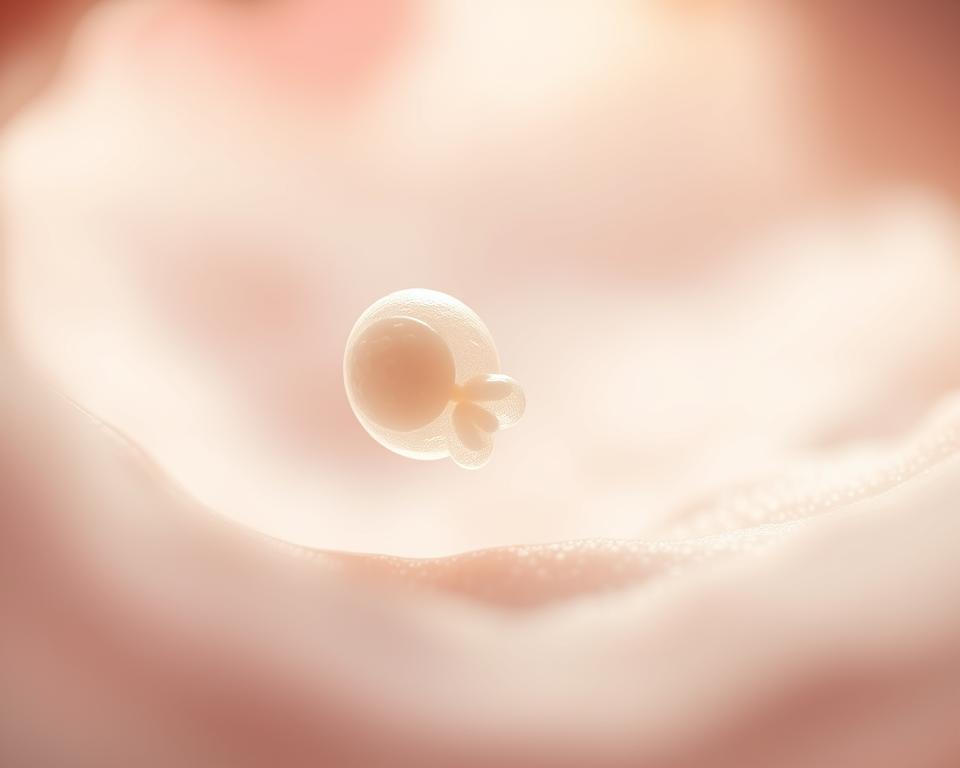
Women with polycystic ovary syndrome (PCOS) face special challenges in IVF treatments. The embryo transfer stage is key. Here, careful planning can greatly boost pregnancy chances.
Frozen embryo transfer (FET) is often the best choice for PCOS patients. It has many benefits that help with hormone issues:
- Less chance of ovarian hyperstimulation syndrome
- A better hormonal setting for embryo implantation
- Improved timing of embryo and uterine readiness
Recent studies show two main FET methods for PCOS patients:
- Programmed FET Cycles: Best for those with irregular periods
- Stimulated FET with Letrozole: A new method with good results
The stimulated FET with Letrozole is a new and exciting approach. It helps avoid risks from PCOS hormone problems. It also might improve how embryos implant.
Customized embryo transfer plans can greatly increase pregnancy success for PCOS patients.
Doctors stress the need for personalized treatment plans. Every patient’s hormone situation is different. A plan made just for them can lead to better IVF results.
Managing Pregnancy Risks with PCOS
Women with polycystic ovarian syndrome face unique challenges during pregnancy. Hormonal imbalance and insulin resistance can lead to complications. These need careful medical supervision and proactive management.
Pregnancy with PCOS requires special attention to avoid risks. Understanding these challenges helps patients work closely with healthcare providers. This ensures a healthy pregnancy journey.
Early Pregnancy Monitoring
Early pregnancy monitoring is key for women with PCOS. Doctors often suggest:
- Frequent hormonal level assessments
- Regular ultrasound screenings
- Detailed metabolic health tracking
- Blood glucose monitoring for insulin resistance
Common Complications and Prevention
Women with PCOS are at higher risk for certain pregnancy complications. Proactive strategies can help manage these risks:
- Gestational Diabetes: Requires strict dietary management and possible insulin therapy
- Preeclampsia: Needs close blood pressure monitoring
- Higher miscarriage risk: Requires additional genetic and chromosomal screenings
Individualized care plans by reproductive specialists can reduce pregnancy risks with PCOS. Patients should keep open communication with their healthcare team during pregnancy.
Additional Resources to Read:
9 Factors To Improve IVF Pregnancy Rate
IVF With Egg Donor Success Rates
How To Choose Between IVF and IUI
What is Mitochondrial Donation IVF Treatment
Conclusion
Dealing with fertility issues due to Polycystic Ovary Syndrome (PCOS) can be tough. Thanks to advances in reproductive endocrinology, people with PCOS can now dream of having kids through IVF. This journey needs patience, tailored medical care, and a detailed plan to manage PCOS.
While PCOS can make conception more challenging, it’s far from impossible—especially with the support of modern fertility treatments like IVF. Understanding how PCOS affects your body, choosing the right clinic, and following a customized stimulation protocol can significantly improve your chances.
Combining medical interventions with healthy lifestyle changes, such as managing weight, insulin resistance, and stress levels, can further optimize outcomes. If you’re considering IVF with PCOS, consult a fertility specialist experienced in PCOS cases to personalize your journey—and take confident steps toward parenthood.
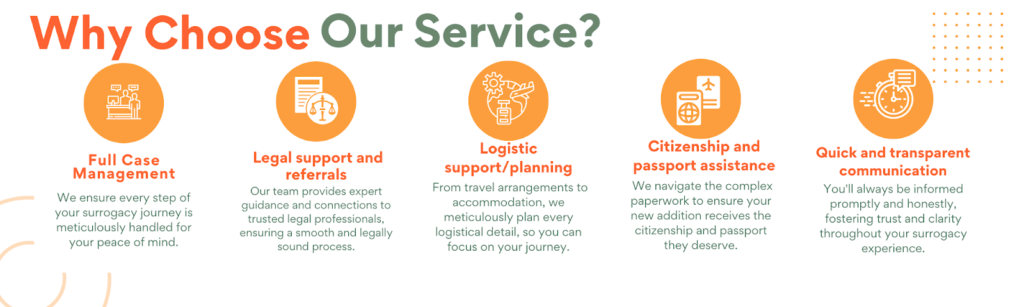
💫 Why Intended Parents Choose Complete Surrogacy for a Safe, Smooth & Successful Surrogacy Journey:
🌍 Access to multiple surrogacy destinations with 15+ years of international experience
🏥 Partnerships with top-tier fertility clinics and agencies, backed by references from past clients
👩🦱 Diverse egg donor options: Asian, Caucasian, African, Oriental, and more
💸 Transparent and affordable pricing—direct payments with no extra agency fees
🔒 No hidden costs—all charges are agreed upon upfront
🤝 Dedicated case manager for personalized support
📲 Fast, honest, and clear communication throughout
📑 Full legal support for visas, documentation, and baby exit processes
🚚 Assistance with frozen sperm/embryo shipment logistics
FAQs for PCOS and IVF
What is Polycystic Ovary Syndrome (PCOS)?
PCOS is a hormonal disorder that affects women of childbearing age. It causes hormonal imbalances, irregular periods, and small cysts on the ovaries. It’s the main reason for infertility in women, affecting about 10% of them.
How does PCOS affect fertility?
PCOS makes it hard to get pregnant by causing irregular periods and hormonal imbalances. It also raises AMH levels, which can lower egg quality. These issues make it tough to conceive without medical help.
What diagnostic tests are used to identify PCOS?
Doctors use the Rotterdam criteria to diagnose PCOS. This includes blood tests, ultrasound scans, and checks on metabolic health. They look at hormone levels, insulin resistance, and lipid profiles, and use ultrasound to see the ovaries.
Can lifestyle changes improve PCOS-related fertility?
Yes, changing your lifestyle can help. Losing just 5-10% of your body weight can improve periods and fertility. Eating right, exercising, and managing insulin resistance can also boost reproductive health.
What supplements are recommended for PCOS patients undergoing IVF?
Myo-inositol, melatonin, and folic acid are good supplements for PCOS patients. They can improve insulin sensitivity, egg quality, and overall health. Metformin may also be given to manage insulin and hormones.
What is the preferred IVF protocol for PCOS patients?
The GnRH antagonist protocol is best for PCOS patients. It lowers the risk of OHSS. It involves careful monitoring and adjusting doses to get the best results without complications.
Why is frozen embryo transfer (FET) often recommended for PCOS patients?
FET is better for PCOS patients because it manages hormones and reduces OHSS risk. It allows for a better uterine environment and hormone levels before transferring the embryo, which can improve pregnancy chances.
What pregnancy risks are associated with PCOS?
Women with PCOS face higher risks of gestational diabetes, miscarriage, and preeclampsia. Close monitoring during pregnancy is key. Early and frequent prenatal care and managing hormones can help avoid these risks.
Can women with PCOS successfully conceive through IVF?
Yes, many women with PCOS can get pregnant through IVF. Advances in reproductive technology and personalized care have boosted success rates. With the right medical care, lifestyle changes, and tailored IVF plans, many achieve their dream of having a child.
- European Society of Human Reproduction and Embryology (ESHRE)
- https://www.eshre.eu

Author Bio: Neelam Chhagani is an International Surrogacy Expert with 15 years of experience in the fertility and surrogacy domain. As the founder of IVF Conceptions and Complete Surrogacy, she has guided over 4,000 intended parents worldwide on their surrogacy journey to parenthood. Recognized as a trusted authority, she specializes in holistic infertility solutions and third-party reproduction consulting.
Holding an MA in Counselling Psychology and a PGD in Mental Health, Neelam is a proud member of the European Fertility Society (EFS) and the European Society of Human Reproduction and Embryology (ESHRE). She is also a leading surrogacy blogger, providing valuable insights into ethical and practical surrogacy solutions.
Since 2010, committed to supporting ALL family types, Neelam has been passionate about helping intended parents grow their families with compassion, integrity, and a focus on secure and affordable surrogacy options Globally.
Learn more about Neelam:
https://www.ivfconceptions.com/neelam-chhagani-surrogacy-consultant/
https://www.linkedin.com/in/neelam-chhagani-92892229/














I was introduced to Neelam by a friend who worked with Neelam for surrogacy. Neelam is absolutely wonderful. I am a single male and the journey to fatherhood is not that easy. Neelam connected me to a program ideal for my circumstances. She was with me throughout the pregnancy providing advice and guidance along the way. I am so grateful I found her and am thrilled today that I have a beautiful daughter. I highly recommend Neelam to anyone who is on a journey to become a parent. Having a child has changed my world for the better. I wish others success with their own journey and recommend you connect with Neelam to find a path that is best for you.
SA (USA)