

About 20% of women in the United States have their first child after 35. This changes how we think about motherhood. Now, more women are having babies later in life, thanks to new fertility treatments.
Women today are choosing to have kids later. They focus on their careers and education first. Thanks to IVF, they can still have children, even if they’re older.
Modern technology has opened doors for women wanting to have babies later. It helps them overcome the challenges of age. Now, women can have children with the help of advanced medical care.
Key Takeaways
- 20% of US women now have their first child after age 35
- Advanced reproductive technologies offer new fertility solutions
- IVF provides comprehensive options for older women
- Personal timelines can align with medical interventions
- Comprehensive medical support exists for advanced maternal age pregnancies
📞 Get in Touch for a Free Surrogacy Consultation
📱 +91-8800481100 (WhatsApp | LINE | Viber)
📧 neelam@ivfconceptions.com
Understanding Age-Related Fertility Decline
Fertility is a complex process that changes with age. As women get older, their ability to conceive changes. It’s important to understand these changes, whether you’re planning a pregnancy or looking into fertility preservation.
The biological clock is a big challenge for women’s reproductive health. Egg quality and age are closely linked. Big changes happen in the mid-30s and early 40s.

The Biological Clock and Egg Quality
Women are born with a limited number of eggs. These eggs decrease in both number and quality as they age. Key changes include:
- Reduced egg quantity
- Increased chromosomal abnormalities
- Decreased genetic integrity
- Lower fertilization potential
Hormonal Changes and Their Impact
Hormonal shifts are key in age-related infertility. As women age, their reproductive hormones change. These changes affect their fertility.
| Age Range | Hormonal Changes | Fertility Impact |
|---|---|---|
| 25-35 | Stable hormonal levels | Peak reproductive potential |
| 35-40 | Declining estrogen | Reduced egg quality |
| 40-45 | Significant hormonal fluctuations | Substantial fertility reduction |
Understanding Ovarian Reserve
Ovarian reserve is the remaining egg supply and potential for conception. Age-related infertility grows as the reserve decreases. Early assessment is key for women planning pregnancies.
Tests like anti-Müllerian hormone (AMH) levels and antral follicle count can evaluate remaining fertility. They offer insights for personalized fertility strategies.
Success Rates and Statistics for Advanced Maternal Age
Knowing about IVF success rates by age is key for women thinking about fertility treatments. As women get older, their ability to have children naturally goes down. This makes pregnancy over 35 and over 40 more challenging.
Fertility experts know age is a big factor in IVF results. Here’s some data on success rates for different age groups:
| Age Group | IVF Success Rate | Key Considerations |
|---|---|---|
| Under 35 years | 40-50% | Highest chance of a successful pregnancy |
| 35-37 years | 35-40% | Reproductive potential starts to drop slightly |
| 38-40 years | 20-25% | Genetic screening is highly recommended |
| Over 40 years | Below 10% | Donor eggs might be a better option |
Women over 35 can boost their chances in several ways:
- Comprehensive fertility tests
- Advanced genetic screening
- Custom treatment plans
- Using donor eggs
Even though success rates drop with age, new reproductive technologies offer hope. They provide many ways to become a parent. Talking to a reproductive endocrinologist can help create a plan. This plan aims to increase your chances of successful IVF treatment.
IVF for Older Women: Treatment Protocols and Options

Women over 40 face unique challenges when trying to get pregnant. Traditional treatments need to be tailored to their needs. This helps increase the chances of success and overcome age-related issues.
Advanced reproductive medicine brings new hope to women over 40. It offers tailored solutions for those wanting to have a child. The range of fertility treatments has grown, giving women realistic chances at parenthood.
Customized Stimulation Protocols
Egg freezing for older women requires careful hormonal stimulation. Specialists create personalized plans based on:
- Individual hormonal profile
- Ovarian reserve assessment
- Age-related reproductive health factors
- Previous fertility history
Genetic Testing and Screening Options
Pre-implantation genetic testing is a key innovation for older mothers. It helps identify:
- Chromosomal abnormalities
- Genetic health of potential embryos
- Increased probability of a successful pregnancy
Alternative Approaches for Better Outcomes
Modern reproductive technologies offer various strategies for age-related fertility issues. Comprehensive evaluation and personalized treatment plans can greatly improve pregnancy chances.
Advanced reproductive technologies provide hope and scientific precision for women pursuing parenthood beyond traditional childbearing years.
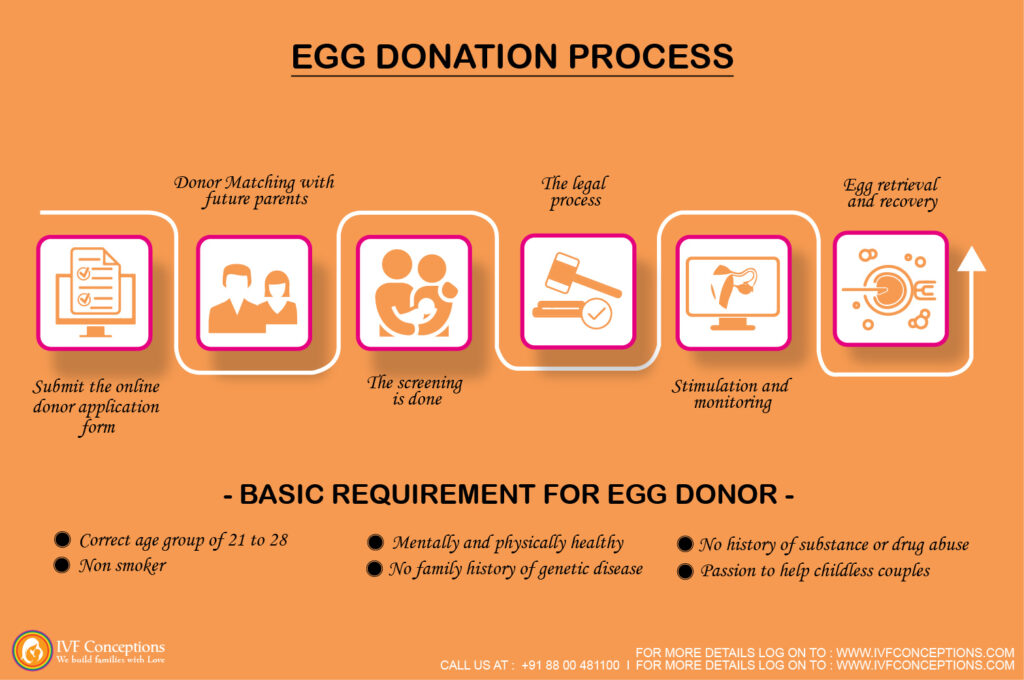
Donor Eggs as a Viable Alternative
Women facing fertility challenges can find hope in donor egg IVF. As women age, their egg quality and quantity drop. This makes egg donation a popular and successful choice for building a family.
Donor egg IVF is a big help for older women with fertility issues. It uses young donors with high-quality eggs. This greatly boosts the chances of getting pregnant.
- Typical success rates for donor egg IVF can reach up to 60-70% for women over 40
- Donors go through strict medical and psychological checks
- Genetic tests ensure the eggs are of the best quality
“Egg donation is a game-changer for women who want to be mothers, no matter their age.”
Choosing egg donation is a big emotional step. Potential parents get detailed counseling to deal with the emotional side. Doctors work closely with them to explain every part of the egg donation process.
Important things to think about with egg donation include:
- Finding a donor that matches the recipient’s wishes
- Understanding the legal and ethical sides
- Looking at the cost of the procedure
Egg donation might seem tough, but it’s a strong way for women to preserve their fertility. New reproductive technologies keep opening doors for people wanting to start families.
Preparing Your Body and Mind for IVF After 40
Women over 35 need a full-body and mind approach for fertility treatments. Getting ready for IVF at 40 means tackling physical and emotional health. This journey of delayed childbearing needs careful planning and lifestyle choices.
Women thinking about IVF in their late thirties and forties should focus on several key areas. This helps optimize their reproductive health:
Lifestyle Modifications for Optimal Fertility
- Maintain a healthy body weight through balanced nutrition
- Implement a consistent exercise routine
- Eliminate smoking and reduce alcohol consumption
- Minimize caffeine intake
- Prioritize consistent sleep patterns
Nutritional Requirements and Supplements
Good nutrition is key to IVF preparation. Important nutritional strategies include:
- Eat foods rich in antioxidants
- Take supplements suggested by fertility experts
- Boost your diet with nutrients that support fertility like:
| Nutrient | Potential Benefits |
|---|---|
| Folic Acid | Supports reproductive health and embryo development |
| Coenzyme Q10 | Improves egg quality and mitochondrial function |
| Vitamin D | Enhances reproductive system functionality |
Stress Management and Emotional Support
The emotional side of fertility treatments can be tough. Professional support includes:
- Seeing therapists who specialize in fertility
- Joining groups for women facing similar issues
- Using stress-reduction methods like meditation and yoga
- Talking openly with your partner and medical team
Remember, thorough preparation boosts your chances of IVF success and supports your reproductive health journey.
Financial Planning and Treatment Costs
Understanding IVF costs is key for women over 40 planning their families. It helps make smart choices about fertility treatments.
IVF costs vary a lot, with extra costs for older women. A typical cycle can cost between $12,000 and $25,000. There are also extra fees for genetic tests and special treatments.
- Base IVF Treatment: $12,000 – $15,000
- Genetic Screening: $3,000 – $5,000
- Medication Costs: $3,000 – $5,000
- Additional Procedures: $2,000 – $4,000
There are ways to finance fertility treatments. Many people use different methods to cover these costs.
| Financing Method | Typical Coverage | Accessibility |
|---|---|---|
| Insurance Coverage | Partial to Full | Varies by State |
| Personal Loans | Full Treatment | Widely Available |
| Fertility Grants | Partial Coverage | Competitive |
| Payment Plans | Flexible Options | Most Clinics |
Insurance for IVF varies a lot. Some states cover part of it, while others don’t. It’s important to check your insurance and look for other ways to pay.
Proactive financial planning can transform your IVF journey from a financial burden to a manageable investment in your future family.
Want to explore your options? Our team offers free surrogacy consultancy to help you navigate the financial aspects of fertility treatments.
Additional Resources to read:
9 Factors To Improve IVF Pregnancy Rate
IVF With Egg Donor Success Rates
Parenting After Infertility: Misconceptions Vs Facts
10 Ways Of Dealing With Infertility
What is Infertility Counseling for Surrogacy?
Conclusion
The journey of late motherhood through assisted reproductive technology offers hope to women facing fertility challenges. Advanced medical techniques have changed the landscape of reproductive possibilities. This makes parenthood possible for many who thought it was out of reach.
Fertility preservation and innovative IVF treatments give strong options for women over 40. While there are biological challenges, modern science keeps breaking barriers. It creates paths for women to achieve their dream of becoming mothers.
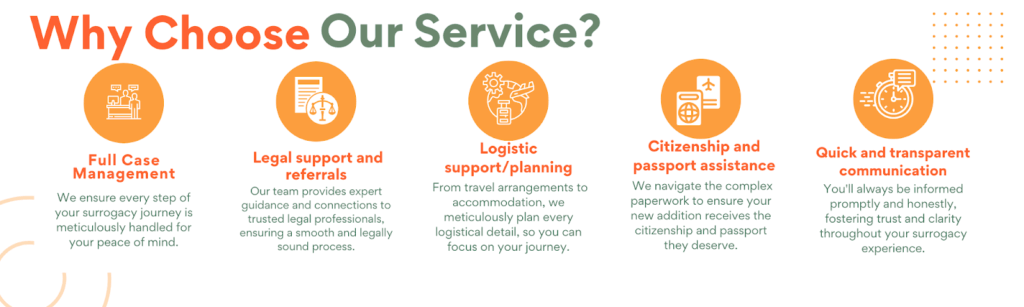
💫 Why Intended Parents Choose Complete Surrogacy for a Safe, Smooth & Successful Surrogacy Journey:
🌍 Access to multiple surrogacy destinations with 15+ years of international experience
🏥 Partnerships with top-tier fertility clinics and agencies, backed by references from past clients
👩🦱 Diverse egg donor options: Asian, Caucasian, African, Oriental, and more
💸 Transparent and affordable pricing—direct payments with no extra agency fees
🔒 No hidden costs—all charges are agreed upon upfront
🤝 Dedicated case manager for personalized support
📲 Fast, honest, and clear communication throughout
📑 Full legal support for visas, documentation, and baby exit processes
🚚 Assistance with frozen sperm/embryo shipment logistics
FAQs for IVF for older women
At what age does fertility start to decline?
Fertility starts to go down around age 32. It drops more after 35. By 40, the chance of getting pregnant naturally is only about 5% each month. This makes IVF more common for older women trying to get pregnant.
How does age affect egg quality and quantity?
As women get older, their eggs decrease in both number and quality. Women are born with a set number of eggs, which goes down by 40. Older eggs are more likely to have problems, leading to miscarriage and genetic issues.
What are the success rates of IVF for women over 40?
IVF success rates go down with age. Women under 35 have about 40-50% success rates. But, women over 40 see success rates between 10-15%. Using donor eggs can boost success rates to 50-60%.
What are my options if my own eggs are not viable?
If your eggs aren’t good, you have a few choices. You can use donor eggs, freeze eggs when you’re younger, or adopt embryos. Donor eggs can greatly increase your chances of getting pregnant, similar to younger women.
How can I improve my chances of IVF success after 40?
To boost IVF success, try several things. Stay healthy, manage stress, eat well, and get genetic tests. Consider preimplantation genetic testing (PGT) and talk to fertility experts for personalized plans.
What are the additional health risks for pregnancy after 40?
Pregnancies over 40 come with more risks. These include diabetes, high blood pressure, and preeclampsia. There’s also a higher chance of needing a C-section and chromosomal problems. Close medical care is key.
How expensive is IVF for older women?
IVF costs between $12,000 to $25,000 per cycle. There are extra costs for genetic tests, meds, and possibly more cycles. Some clinics offer payment plans, and some insurance covers part of the cost.
What lifestyle changes can improve fertility after 40?
To boost fertility, eat well, exercise, and reduce stress. Avoid alcohol and smoking. Keep a healthy weight and take prenatal vitamins with CoQ10 and DHEA.
How long should I try IVF before considering alternative options?
Try IVF for 3-4 cycles before looking at other options like donor eggs or surrogacy. The right time depends on your health, egg quality, and medical history.
Can I improve my egg quality naturally?
You can’t reverse age-related egg quality loss. But some things might help. Try antioxidant supplements, eat omega-3s, manage stress, and talk to a fertility expert about possible treatments.

Author Bio: Neelam Chhagani is an International Surrogacy Expert with 15 years of experience in the fertility and surrogacy domain. As the founder of IVF Conceptions and Complete Surrogacy, she has guided over 4,000 intended parents worldwide on their surrogacy journey to parenthood. Recognized as a trusted authority, she specializes in holistic infertility solutions and third-party reproduction consulting.
Holding an MA in Counselling Psychology and a PGD in Mental Health, Neelam is a proud member of the European Fertility Society (EFS) and the European Society of Human Reproduction and Embryology (ESHRE). She is also a leading surrogacy blogger, providing valuable insights into ethical and practical surrogacy solutions.
Since 2010, committed to supporting ALL family types, Neelam has been passionate about helping intended parents grow their families with compassion, integrity, and a focus on secure and affordable surrogacy options Globally.
Learn more about Neelam:
https://www.ivfconceptions.com/neelam-chhagani-surrogacy-consultant/
https://www.linkedin.com/in/neelam-chhagani-92892229/















I was introduced to Neelam by a friend who worked with Neelam for surrogacy. Neelam is absolutely wonderful. I am a single male and the journey to fatherhood is not that easy. Neelam connected me to a program ideal for my circumstances. She was with me throughout the pregnancy providing advice and guidance along the way. I am so grateful I found her and am thrilled today that I have a beautiful daughter. I highly recommend Neelam to anyone who is on a journey to become a parent. Having a child has changed my world for the better. I wish others success with their own journey and recommend you connect with Neelam to find a path that is best for you.
SA (USA)