
If you’re considering surrogacy, one of the most important questions you may have is, How are Surrogate Mothers Screened? Surrogates go through a detailed medical, psychological, and background evaluation to ensure they are physically healthy, emotionally prepared, and legally eligible to carry a pregnancy.
In this guide, we’ll break down each stage of the screening process—so you know exactly what’s involved, why it matters, and how it protects both the intended parents and the surrogate throughout the journey.
Quick Reference: How Are Surrogate Mothers Screened?
| Screening Step | What It Involves | Why It’s Important |
|---|---|---|
| Medical Evaluation | Fertility tests, general health check, reproductive history review | Ensures the surrogate is physically capable of carrying a healthy pregnancy |
| Psychological Screening | Mental health assessment, counseling sessions | Confirms emotional readiness and ability to handle the surrogacy journey |
| Background Checks | Criminal record, lifestyle habits, financial stability | Provides safety and security for intended parents |
| Obstetric History Review | Criminal record, lifestyle habits, and financial stability | Helps predict future pregnancy success and reduces risks |
| Legal Screening | Review of laws, contracts, and rights with an attorney | Past pregnancies, birth outcomes, and any complications |
| Home Visit/Interview | Protects both the surrogate and intended parents legally | Ensures a safe, supportive home setting for pregnancy |
Key Takeaways
- The surrogate mother screening process ensures the safety and well-being of all parties involved.
- Potential surrogates must meet specific surrogate selection criteria.
- Comprehensive assessments focus on physical, emotional, and legal preparedness.
- Understanding the screening process helps demystify surrogacy for intended parents.
- Screening protects not only the surrogates but also the intended families.
📞 Get in Touch for a Free Surrogacy Consultation
📱 +91-8800481100 (WhatsApp | LINE | Viber)
📧 neelam@ivfconceptions.com

Introduction to Surrogate Mother Screening
The selection of surrogate mothers is a critical step in the surrogacy process. It impacts both the intended parents and the surrogate. The screening process is vital for the health and well-being of the surrogate and the child. It assesses various factors, making it essential for successful surrogacy arrangements.
Importance of the Screening Process
The role of surrogate screening is immense. It reduces pregnancy risks, ensuring the health of both the surrogate and the baby. A detailed screening process gives intended parents confidence in the surrogate’s commitment and ability. These factors are key to a successful surrogacy journey.
Overview of Surrogate Mother Qualifications
Qualifications for surrogate mothers are critical in determining their eligibility. Key requirements include:
- A history of healthy pregnancies
- Age restrictions typically range between 21 and 40 years
- Approval from a healthcare professional regarding medical fitness
These criteria are not just guidelines but also emphasize the surrogate’s role. They highlight the importance of the screening process in creating a safe and supportive environment.
Surrogate Mother Screening Process
The journey for a surrogate mother starts with a thorough evaluation. This ensures they fit the criteria needed for a successful surrogacy. The first step is filling out an application, sharing details about their health, social life, and drug use history. The goal is to find the right match for a healthy pregnancy.
Initial Application and Requirements
Candidates must provide a lot of information in the initial application. This includes:
- Personal identification and contact details.
- Medical history, including past surgeries or complications.
- Social history, covering lifestyle, relationships, and support networks.
- Drug use history, focusing on past substance use.
Agencies have specific criteria for selecting surrogates. They look for candidates aged 21 to 38 with a healthy BMI. These criteria help create a safe environment for surrogacy.
Steps Following Application Approval
Once the initial application is approved, the evaluation process deepens. It includes:
- A medical check-up to assess physical health and readiness for surrogacy.
- A psychological evaluation to gauge emotional stability and support.
- In-home interviews to evaluate the living situation and support system.
These evaluations are key to confirming a candidate’s suitability for surrogacy. Regular check-ups and counseling help surrogates stay emotionally prepared and committed.
Surrogate Qualifications Screening
In the surrogacy process, the screening of qualifications is key. It ensures candidates meet the requirements for surrogate mothers, focusing on age, health, and past pregnancy experiences. This thorough review protects the surrogate’s health and sets a strong base for the intended parents.
Age and Health Requirements
Surrogacy agencies have clear age and health criteria to safeguard everyone. Surrogates must be between 21 and 38 years old. They also need to maintain a healthy body mass index (BMI). Plus, they must not use drugs or smoke. These rules aim to prevent health issues during pregnancy.
Previous Pregnancy History
The previous pregnancy history of the surrogate is a critical factor. Agencies look for at least one successful pregnancy with no major issues. This ensures a safer pregnancy for the surrogate and a smoother journey for all. It highlights the importance of a careful selection process for a healthy surrogacy experience.
Surrogate Medical Screening

Surrogate medical screening is a vital part of the surrogacy journey. It involves a detailed health assessment to ensure the surrogate is physically and health-wise ready for pregnancy. This screening includes a full medical examination to identify any risks that could impact her or the fetus during pregnancy.
Complete Medical Workup
A thorough medical workup is conducted to evaluate a surrogate’s health comprehensively. This includes:
- Physical examination to gauge overall health.
- Blood tests to check hormone levels and identify any underlying conditions.
- Urine analysis to detect infections or other abnormalities.
- STD screenings to ensure safety for all parties involved.
- Specialized uterine evaluation to assess the reproductive system’s suitability for carrying a pregnancy.
Standard Medical Tests and Evaluations
The process of surrogate medical tests extends beyond initial screenings. It involves a review of medical history, focusing on previous pregnancies. This detailed evaluation confirms the surrogate’s ability to undergo surrogacy, ensuring a high standard of health for a successful outcome. Below is a table summarizing the typical elements of the surrogate health assessment:
| Assessment Type | Purpose | Common Methods |
|---|---|---|
| Physical Examination | General health overview | Clinical assessment by a physician |
| Blood Tests | Hormonal and health analysis | Venipuncture |
| Urine Analysis | Detection of infections | Standard urine test strip |
| STD Screenings | Ensure safety for surrogacy | Blood tests and swabs |
| Uterine Evaluation | Assess reproductive health | Ultrasound or Hysteroscopy |
Through this extensive screening, the team gains a deeper understanding of the surrogate’s health and fitness for the journey. This foundational knowledge supports the well-being of both the surrogate and the intended parents throughout the surrogacy process.
Surrogate Background Checks
The background check process is essential for the safety and well-being of surrogate mothers and intended parents. It involves a thorough evaluation of the surrogate’s history. This ensures she can provide a safe and positive environment during pregnancy. Checks include criminal history screening and assessments of her family situation.
Criminal and Family Background Screening
Detailing criminal and family background is a key part of the surrogate mother background check. It aims to uncover past felonies or serious offenses that could be risky. Agencies thoroughly review criminal records and examine the surrogate’s living arrangements. They also look into her family dynamic to ensure she has support during pregnancy.
Child Abuse History Check
Examining a surrogate’s child abuse history is another critical aspect. Agencies focus on ensuring the surrogate has no history that could harm a child’s well-being. These checks protect the interests of both the surrogate and the unborn child.
| Background Check Component | Description | Purpose |
|---|---|---|
| Criminal History Screening | Investigates any past legal issues or felonies. | Ensures a safe environment for the surrogate and child. |
| Family Background Screening | Evaluates the home environment and support system. | Assures a nurturing atmosphere during pregnancy. |
| Child Abuse History Check | Checks for any previous incidents of child abuse. | Protects future children from possible harm. |
Surrogate Mother Psychological Assessment

The psychological assessment of surrogate mothers is a key part of the screening process. It ensures they are emotionally ready for the role’s challenges. A thorough evaluation starts with a detailed mental health check.
Mental Health Evaluation
During the mental health assessment, licensed psychologists talk with surrogates about their emotional readiness. They look at several important areas:
- Understanding emotional motivations for becoming a surrogate.
- Identifying previous mental health issues that could affect the surrogacy journey.
- Assessing coping strategies for handling stress and emotional strain.
This evaluation aims to understand a surrogate’s mental preparedness. It’s essential for a successful surrogacy experience.
Support System Assessment
The support system evaluation is also critical for surrogates. A strong network is key to emotional well-being. This part of the assessment looks at:
- The presence of family and friends who can offer emotional support.
- Access to professional counseling services if needed.
- The surrogate’s ability to communicate effectively with her support network about her needs and feelings.
A strong support system is vital for navigating surrogacy’s emotional complexities. This makes the evaluation a key part of the process.
How are Surrogate Mothers Screened?
Surrogate mothers go through a detailed, multi-step screening process. This is to check if they are fit for the role. They undergo initial assessments that cover both physical and emotional health. This ensures they meet high standards. Agencies use specific criteria to evaluate candidates effectively.
When evaluating surrogate mothers, their medical history, current health, and mental readiness are reviewed. The criteria include medical tests, personal interviews, and health evaluations. These steps confirm the surrogate’s ability to carry a pregnancy safely.
This thorough process protects both the intended parents and the surrogates. It shows a commitment to ethical surrogacy practices. Each step ensures the selected surrogate is ready for the journey ahead.
Additional resources:
Tips For Surrogate Mothers For Healthy /Pregnancy
How To Find a Surrogate Mother With OR Without Agency
Thinking of Becoming a Surrogate? Ask These 7 Questions First
5 compelling Reasons to Become a Surrogate
Conclusion
Understanding how surrogate mothers are screened is essential for any intended parent beginning the surrogacy journey. From thorough medical evaluations to psychological checks, legal reviews, and background screenings, every step is designed to ensure the safety, health, and success of the process.
This careful screening not only protects intended parents but also provides surrogates with the support they need to carry a pregnancy confidently. With the right agency and professionals guiding the way, you can feel assured that your surrogacy journey starts on a strong and secure foundation.
👉 Ready to take the next step? Contact our team today to learn more about surrogate screening, program options, and how we can guide you through a safe and trusted path to parenthood.
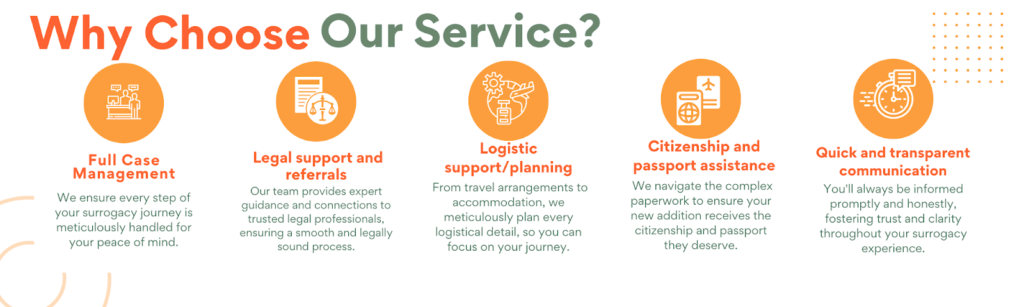
Why Intended Parents Choose Complete Surrogacy for a Safe, Smooth & Successful Surrogacy Journey:
🌍 Access to multiple surrogacy destinations with 15+ years of international experience
🏥 Partnerships with top-tier fertility clinics and agencies, backed by references from past clients
👩🦱 Diverse egg donor options: Asian, Caucasian, African, Oriental, and more
💸 Transparent and affordable pricing—direct payments with no extra agency fees
🔒 No hidden costs—all charges are agreed upon upfront
🤝 Dedicated case manager for personalized support
📲 Fast, honest, and clear communication throughout
📑 Full legal support for visas, documentation, and baby exit processes
🚚 Assistance with frozen sperm/embryo shipment logistics
FAQs for how surrogate mothers are screened before surrogacy
What is the purpose of surrogate mother screening?
The screening process is designed to ensure that prospective surrogates are physically, emotionally, and legally capable of carrying a child. It protects the health of both the surrogate and the baby. It also gives intended parents peace of mind.
What are the qualifications for a surrogate mother?
To qualify, a surrogate must be between 21 and 38 years old. She should have a healthy body mass index (BMI) and a history of successful pregnancies. She must also be free from drug or smoking habits.
What does the surrogate screening process involve?
The process starts with an initial application. It then includes medical evaluations, psychological assessments, background checks, and in-home interviews. These steps ensure that surrogates are well-prepared for the journey ahead.
What is included in the medical screening for surrogates?
Medical screening involves a thorough physical examination, blood tests, and urine analysis. It also includes STD screenings and a specialized uterine evaluation. These tests assess the surrogate’s health and suitability for pregnancy.
Are background checks part of the surrogate screening process?
Yes, background checks are essential. They involve criminal checks to ensure there are no felonies or child abuse history. The evaluation also assesses the surrogate’s home environment.
How is the psychological assessment conducted for surrogates?
Psychological assessments involve mental health evaluations by licensed psychologists. They check the surrogate’s emotional readiness and support system. This is critical for navigating the complexities of surrogacy.
What happens after the initial application is approved?
After approval, candidates undergo medical examinations, psychological assessments, and in-home interviews. These are part of the detailed screening process for surrogate mothers.
Why is previous pregnancy history important in surrogacy?
A history of successful pregnancies without complications is vital. It minimizes risks and increases the chances of a smooth pregnancy. This safeguards everyone involved.

Author Bio: Neelam Chhagani is an International Surrogacy Expert with 15 years of experience in the fertility and surrogacy domain. As the founder of IVF Conceptions and Complete Surrogacy, she has guided over 4,000 intended parents worldwide on their surrogacy journey to parenthood. Recognized as a trusted authority, she specializes in holistic infertility solutions and third-party reproduction consulting.
Holding an MA in Counselling Psychology and a PGD in Mental Health, Neelam is a proud member of the European Fertility Society (EFS) and the European Society of Human Reproduction and Embryology (ESHRE). She is also a leading surrogacy blogger, providing valuable insights into ethical and practical surrogacy solutions.
Since 2010, committed to supporting ALL family types, Neelam has been passionate about helping intended parents grow their families with compassion, integrity, and a focus on secure and affordable surrogacy options Globally.
Learn more about Neelam:
https://www.ivfconceptions.com/neelam-chhagani-surrogacy-consultant/
https://www.linkedin.com/in/neelam-chhagani-92892229/















I was introduced to Neelam by a friend who worked with Neelam for surrogacy. Neelam is absolutely wonderful. I am a single male and the journey to fatherhood is not that easy. Neelam connected me to a program ideal for my circumstances. She was with me throughout the pregnancy providing advice and guidance along the way. I am so grateful I found her and am thrilled today that I have a beautiful daughter. I highly recommend Neelam to anyone who is on a journey to become a parent. Having a child has changed my world for the better. I wish others success with their own journey and recommend you connect with Neelam to find a path that is best for you.
SA (USA)