

Guide to Choosing an Egg Donor – If you’re starting your fertility or surrogacy journey, one of the most important decisions you’ll make is selecting the right egg donor. The right choice can impact not only the medical success of IVF but also your family’s future in terms of genetics, health, and personal preferences. But how do you balance medical criteria, legal considerations, and emotional factors when choosing an egg donor? This guide breaks it down step by step, giving you clarity and confidence to move forward.
Whether you’re in search of the best tips for choosing an egg donor or just need guidance, you’ve found the right resource. This egg donor selection guide is here to assist you in making well-informed decisions.
Quick Reference Guide: Choosing an Egg Donor
| Key Aspect | Quick Answer |
|---|---|
| What is an Egg Donor? | A woman who provides eggs to help intended parents conceive via IVF. |
| Types of Donors | Anonymous, Known (friend/relative), Agency-based, or Clinic-recruited. |
| Typical Cost Range | $8,000 – $25,000+ (varies by country, donor profile, and agency fees). |
| Main Selection Criteria | Health history, genetic screening, physical traits, education, personal values. |
| Medical Steps | Ovarian stimulation → Egg retrieval → IVF with sperm → Embryo transfer. |
| Legal Considerations | Contracts define parental rights, donor anonymity, and future contact. |
| Best Support | Fertility clinics, licensed donor agencies, genetic counselors, and legal experts. |
Key Takeaways
- Understanding the need for an egg donor encompasses various personal circumstances.
- Considering medical history and genetic background is critical in donor selection.
- Emotional factors significantly influence the egg donation process.
- Finding the right egg donor requires a thorough review of profiles.
- A reputable agency can greatly simplify the selection process.
📞 Get in Touch for a Free Surrogacy Consultation
📱 +91-8800481100 (WhatsApp | LINE | Viber)
📧 neelam@ivfconceptions.com
Understanding the Need for an Egg Donor
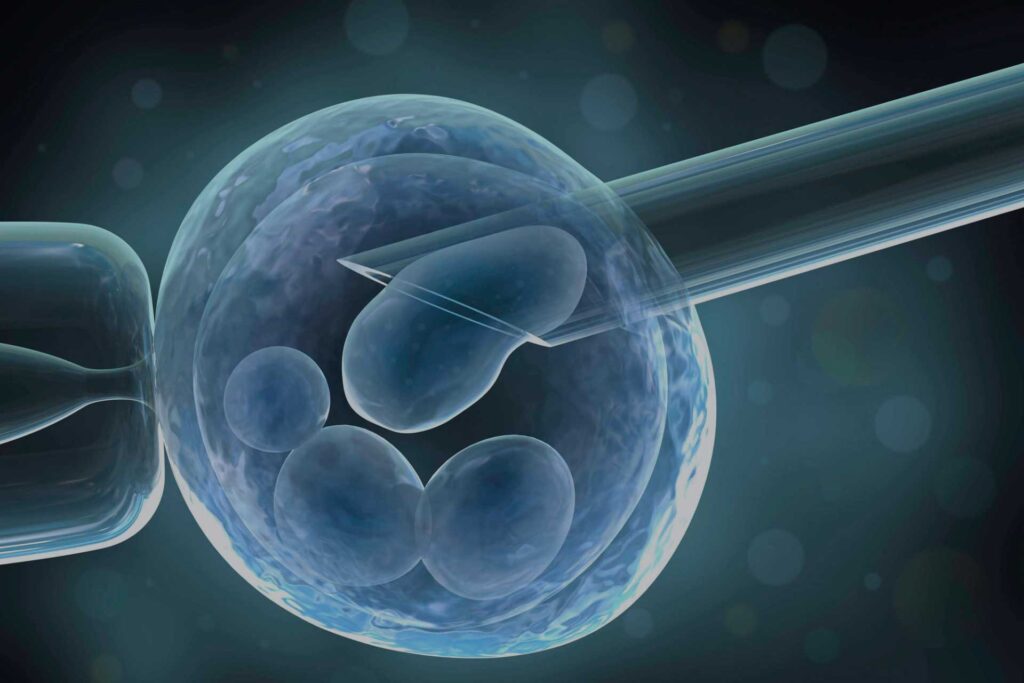
Exploring the use of donor eggs is a deeply personal and complex journey. Many intended parents turn to this option for various reasons. Grasping these motivations can help clarify the egg donor decision-making process.
Why Might You Need an Egg Donor?
Deciding if donor eggs are right for you requires careful thought. Those facing issues like low egg quality or fertility problems may consider this path. Couples who have experienced repeated IVF failures also look into donor eggs. Same-sex male couples often choose this route to conceive, partnering with an egg donor and a gestational carrier. Prospective parents need to weigh these factors when considering donor eggs.
Common Reasons for Using Donor Eggs
In the United States, about 12% of IVF cycles involve donor eggs, showing a rising trend in assisted reproduction. The main reasons for using donor eggs include:
- Advanced maternal age leading to decreased fertility
- Medical treatments like chemotherapy affect egg quality
- Genetic conditions that may be passed on to the child
- Repeated IVF failures despite multiple attempts
- Same-sex male couples seeking to start a family
Understanding these common reasons can help you navigate your options and emotions as you journey towards parenthood.
Factors to Consider When Selecting an Egg Donor
When you’re in the process of selecting an egg donor, several key factors come into play. It’s vital to evaluate both medical and physical aspects to ensure a good match. This informed approach will help you find a donor that meets your specific needs.
Medical History and Genetic Background
Understanding the medical history of a donor is a critical aspect. The checklist for egg donor qualifications should include detailed evaluations of personal and family health. Important areas to examine include:
- Family history of genetic disorders
- Previous reproductive health challenges
- Lifestyle habits, such as smoking and alcohol consumption
By looking into the donor’s medical background, you can better assess the risk of inherited conditions. This is a key part of the selection process, as genetic screenings can uncover any risks.
Physical Characteristics: What Matters Most?
Physical traits often play a significant role in donor selection. Many parents-to-be seek donors who resemble them or their partners. Key physical attributes to consider are:
- Hair color and texture
- Eye color
- Height and build
It’s important to decide which physical traits are most important to you and your partner. Balancing medical and physical considerations will give you a well-rounded view. Knowing your preferences clearly will help streamline your search for an egg donor.
Guide to choosing an egg donor
Understanding the personality traits and interests of an egg donor is key to a successful selection. It’s about finding qualities that resonate with intended parents. The criteria often include values and interests alignment, creating a bond with the future child. Personality in egg donor selection is critical, as it reflects the essence of what parents want to pass on.
Personality Traits and Interests
When assessing top egg donor qualities, don’t ignore personality traits and interests. Donors with empathy, resilience, and positivity are often sought after. These traits ensure a nurturing environment for the child. Compatibility in hobbies and values strengthens the connection between donor and family.
The Role of Education in Your Decision
Education is a significant factor in choosing an egg donor. Many parents see it as a sign of intelligence and ambition. Higher education levels suggest diligence and a strong work ethic. Donors often use their compensation to pursue further education, showing resilience and ambition. This understanding helps parents make informed decisions, aligning with their hopes and expectations.
Evaluating Potential Egg Donor Profiles

When you’re in the egg donor selection process, evaluating each candidate is critical. A detailed profile checklist helps assess each applicant’s fit. This checklist should cover aspects that match your ideal egg donor criteria.
Creating a Qualitative Profile Checklist
Developing a checklist is essential for evaluating egg donor profiles. Key areas to examine include:
- Medical History: Examine the donor’s health background, including family medical history and genetic disorders.
- Educational Background: Consider the educational level, as it often reflects the donor’s values and lifestyle.
- Personality Traits: Seek traits that align with your preferences, such as kindness or motivation.
This methodical approach simplifies the evaluation of egg donors. It ensures you cover all essential factors when choosing an egg donor online.
What to Look for in Donor Photos
Donor photos are vital in forming connections. Seek images that show warmth and approachability. High-quality photos offer insights into a donor’s personality and values, beyond physical appearance. Consider these aspects:
- Expression: A genuine smile can signal a positive outlook and emotional availability.
- Setting: Images taken in natural environments often present authenticity and comfort.
- Body Language: Open and relaxed postures generally indicate confidence and friendliness.
Following these guidelines in your egg donor selection process can strengthen the emotional bond intended parents seek.
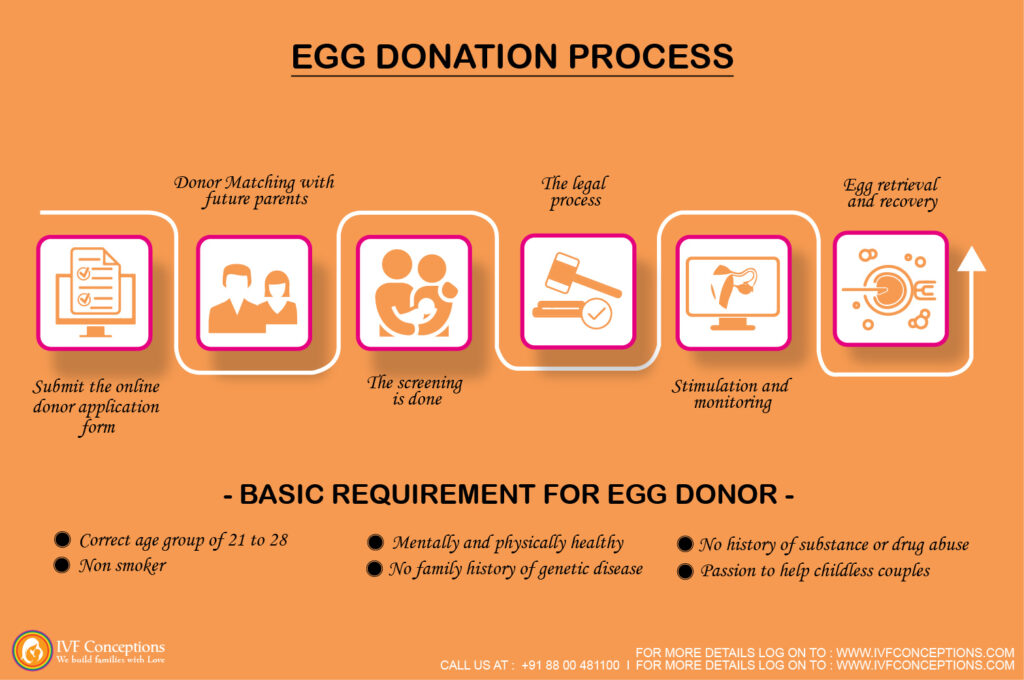
The Egg Donor Screening Process
The egg donor screening process is critical for ensuring safety and health for both the donor and the intended parents. It involves various evaluations to assess the donor’s overall well-being and suitability for egg donation. This process helps prospective parents feel more confident in their choice and the health aspects involved.
Overview of Medical and Psychological Evaluation
Donors undergo a detailed medical evaluation before egg donation. This includes:
- Personal health history: This ensures that any pre-existing conditions are noted.
- Ovarian reserve assessments: To evaluate the donor’s egg quantity and quality.
- Psychological evaluation: Conducted by licensed professionals to confirm the donor’s understanding of the donation implications.
This thorough screening is essential for assessing the donor’s health and readiness for the donation journey.
Testing for Infectious Diseases and Genetic Conditions
A critical component of the egg donor screening process is the infectious disease screening. This testing is mandated by regulatory bodies to ensure that the eggs do not carry any health risks. Common infections tested for include:
- HIV
- Hepatitis B and C
- Syphilis
In parallel, genetic screening for egg donors assesses genetic conditions. This dual testing method prioritizes the health of the recipient and the future child. The evaluations not only support successful matches but also safeguard overall well-being.
Finding a Reputable Egg Donor Agency
Embarking on the journey of egg donation is a significant decision. It requires careful research and consideration. Look into the agency’s policies, donor screening practices, and the diversity of their donor pool. The best egg donor agency should provide clear information about its processes. They should also maintain transparency regarding their donors.
How to Choose the Right Agency
When selecting an agency, assess the following criteria:
- Reputation: Read reviews and seek recommendations from previous clients.
- Transparency: Ensure the agency is open about screening and donor qualifications.
- Support: Look for agencies that provide extensive support throughout the process.
Understanding Agency Policies and Practices
Understanding the different policies of agencies can enhance your experience. Key aspects to explore include:
| Policy/Practice | Description |
|---|---|
| Anonymous vs. Open Donation | The level of contact the donor may have with the child in the future. |
| Screening Process | How the agency evaluates donors for medical and psychological fitness. |
| Donor Diversity | The range of characteristics available in their donor pool to match your preferences. |
Finding a reputable egg donor agency is critical. It ensures you choose an agency that aligns with your values and needs.
Emotional Considerations in Egg Donation
The journey of egg donation is filled with emotional aspects that deeply affect intended parents. Developing effective coping strategies is essential. Recognizing these emotional dynamics is the first step in navigating this complex experience. Understanding the range of emotions helps parents seek the right support and resources.
Coping with the Psychological Aspects
Emotions in egg donation include grief, anxiety, and joy. Parents may feel a loss of genetic connection to their child while facing anxiety about bonding. It’s vital to develop coping strategies for these complex emotions. Mindfulness, therapy, and open communication with partners can help manage stress and uncertainty.
Accepting these feelings as valid is a step towards emotional healing. It allows parents to find solace and move forward.
Support Systems for Intended Parents
Building a strong support system is key during this transformative time. Consider connecting with:
- Mental health professionals who specialize in fertility issues
- Support groups where experiences can be shared
- Compassionate friends and family who understand your journey
These support systems provide understanding and empathy. Counseling sessions are also vital for discussing feelings and fears. They help intended parents articulate their emotional landscape effectively.
Additional Resources to read:
IVF With Egg Donor Success Rates
Factors to Consider When Choosing an Egg Donor Agency
What Are Egg Donor Requirements
How to Choose an Egg Donor Agency
Conclusion
Choosing the right egg donor is a deeply personal decision that blends science, law, and emotion. By considering medical history, genetic health, legal protections, and personal preferences, intended parents can make an informed choice that feels right for their family. While the process may seem overwhelming at first, working with trusted fertility clinics, donor agencies, and legal professionals can simplify each step and give you peace of mind. Ultimately, the goal is not just finding an egg donor—it’s finding the right match to help you achieve your dream of parenthood with confidence and security.
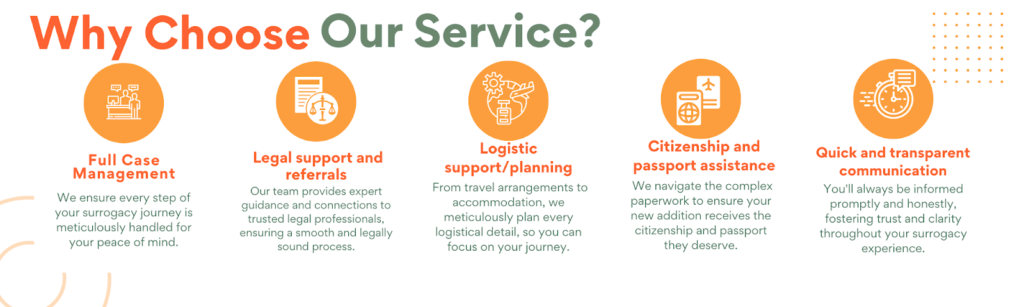
Why Intended Parents Choose Complete Surrogacy for a Safe, Smooth & Successful Surrogacy Journey:
🌍 Access to multiple surrogacy destinations with 15+ years of international experience
🏥 Partnerships with top-tier fertility clinics and agencies, backed by references from past clients
👩🦱 Diverse egg donor options: Asian, Caucasian, African, Oriental, and more
💸 Transparent and affordable pricing—direct payments with no extra agency fees
🔒 No hidden costs—all charges are agreed upon upfront
🤝 Dedicated case manager for personalized support
📲 Fast, honest, and clear communication throughout
📑 Full legal support for visas, documentation, and baby exit processes
🚚 Assistance with frozen sperm/embryo shipment logistics
FAQs for a guide to choosing an egg donor
What criteria should I consider when choosing an egg donor?
When selecting an egg donor, consider their medical history, physical appearance, and personality. Also, their educational background and lifestyle habits are important. It’s vital to weigh these factors based on your personal preferences and values.
How do I start the process of selecting an egg donor?
To begin, research reputable egg donor agencies. Make a list of your priorities, including medical qualifications and personal traits. Consulting with professionals can also help you navigate the emotional aspects of this journey.
What is the egg donor screening process?
The screening process involves detailed medical evaluations and reviews of personal health history. It also includes assessments of ovarian reserve and psychological evaluations. These steps ensure the donor’s health and understanding of the donation process. Mandatory infectious disease testing is also part of the process to protect everyone’s health.
How important is the donor’s educational background?
While education is often seen as a measure of intelligence and success, it’s not the only factor. Life circumstances can impact educational achievements. Many egg donors use their compensation to pursue higher education, showing resilience and ambition.
Can I choose an anonymous or open donation?
Yes, you can choose between anonymous and open donation options. It’s important to understand the implications of each choice. This decision can affect your emotional journey and the future relationship your child may have with their genetic background.
What should I look for in a potential egg donor’s profile?
When reviewing a donor’s profile, examine their medical records, family history, and personality traits. Ensure their educational background meets your criteria. Also, look for photos that convey trust and approachability, which can help establish a connection.
How can I cope with the emotional aspects of using an egg donor?
Building a strong support system is key to managing feelings of grief, anxiety, and bonding challenges. Seek help from mental health professionals, join support groups, and talk to friends and family. This support will help you through this transformative journey.

Author Bio: Neelam Chhagani is an International Surrogacy Expert with 15 years of experience in the fertility and surrogacy domain. As the founder of IVF Conceptions and Complete Surrogacy, she has guided over 4,000 intended parents worldwide on their surrogacy journey to parenthood. Recognized as a trusted authority, she specializes in holistic infertility solutions and third-party reproduction consulting.
Holding an MA in Counselling Psychology and a PGD in Mental Health, Neelam is a proud member of the European Fertility Society (EFS) and the European Society of Human Reproduction and Embryology (ESHRE). She is also a leading surrogacy blogger, providing valuable insights into ethical and practical surrogacy solutions.
Since 2010, committed to supporting ALL family types, Neelam has been passionate about helping intended parents grow their families with compassion, integrity, and a focus on secure and affordable surrogacy options Globally.
Learn more about Neelam:
https://www.ivfconceptions.com/neelam-chhagani-surrogacy-consultant/
https://www.linkedin.com/in/neelam-chhagani-92892229/











I was introduced to Neelam by a friend who worked with Neelam for surrogacy. Neelam is absolutely wonderful. I am a single male and the journey to fatherhood is not that easy. Neelam connected me to a program ideal for my circumstances. She was with me throughout the pregnancy providing advice and guidance along the way. I am so grateful I found her and am thrilled today that I have a beautiful daughter. I highly recommend Neelam to anyone who is on a journey to become a parent. Having a child has changed my world for the better. I wish others success with their own journey and recommend you connect with Neelam to find a path that is best for you.
SA (USA)