

As more people explore holistic approaches to conception, many wonder about fertility and acupuncture: science or myth? Acupuncture has been promoted as a way to boost fertility, improve blood flow to reproductive organs, and reduce stress during IVF—but how much of it is backed by evidence?
In this article, we’ll examine the research, explain how acupuncture may (or may not) support fertility, and help you decide whether it’s worth considering on your path to parenthood.
Summary of Benefits of Acupuncture for Fertility
| Claimed Benefit of Acupuncture for Fertility | What Science Actually Shows | Key Takeaway |
|---|---|---|
| Improves blood flow to reproductive organs | Some small studies show improved uterine blood flow, but the evidence is mixed and not conclusive. | It may help relaxation and circulation, but not guaranteed to improve pregnancy rates. |
| Balances reproductive hormones | Limited evidence; acupuncture may influence stress hormones (like cortisol), but direct hormone regulation is unproven. | Stress reduction is likely; direct hormone effects are still under research. |
| Increases IVF success rates | Meta-analyses show small or no significant improvement in live birth rates when combined with IVF. | Potential placebo and relaxation effects; not a replacement for medical treatment. |
| Reduces stress and anxiety during fertility treatments | Well-documented effect: acupuncture sessions can lower stress and promote relaxation. | Best-supported benefit: helps with emotional well-being during fertility care. |
| Improves ovulation in PCOS or irregular cycles | Some small studies suggest benefits, but the data are inconsistent and of low quality. | It may be useful as a complementary therapy but not a standalone solution. |
Key Takeaways
- Acupuncture might increase live birth rates in women undergoing fertility treatments.
- The growing interest in acupuncture reflects the need for holistic fertility care.
- There is an ongoing debate within the medical community about acupuncture’s efficacy.
- Understanding acupuncture’s historical context can provide insights into its current use.
- This article will analyze the evidence and perspectives on acupuncture and infertility.
📞 Get in Touch for a Free Surrogacy Consultation
📱 +91-8800481100 (WhatsApp | LINE | Viber)
📧 neelam@ivfconceptions.com
Understanding Fertility and Acupuncture
Acupuncture, a cornerstone of traditional Chinese medicine for fertility, is now recognized as a complementary method to boost reproductive health. It involves inserting thin needles into specific body points, stimulating energy flow or qi. This technique aims to balance the body’s systems, addressing health issues like fertility problems.
The Basics of Acupuncture
This ancient practice is based on the concept of energy pathways, or meridians, connecting organs. It seeks to restore balance by correcting blockages or imbalances affecting health. For fertility, the acupuncture benefits for fertility include better blood circulation, hormone regulation, and stress reduction, all vital for reproductive success.
How Acupuncture is Used in Fertility Treatment
Acupuncture for pregnancy is part of a holistic approach, treating existing fertility issues and preparing the body for conception. Practitioners tailor treatments for conditions like PCOS or menstrual irregularities. Holistic fertility acupuncture focuses on the whole person, ensuring mental and physical health alignment. This promotes a conducive environment for conception.
Examining the Evidence for Acupuncture’s Effectiveness

Research on acupuncture and reproductive health shows mixed results. An in-depth review of studies reveals a debate on its effectiveness in boosting fertility. This is mainly in comparison to traditional methods like in vitro fertilization (IVF).
Research Studies on Acupuncture and Live Birth Rates
Many studies have explored acupuncture’s effect on live birth rates. A significant randomized clinical trial involved 824 women undergoing IVF. It found that live birth rates between real acupuncture and sham treatments were almost identical. The real acupuncture group had an 18.3% live birth rate, while the sham group had 17.8%. These results question acupuncture’s role in fertility treatments.
Evidence from Randomized Clinical Trials
Randomized clinical trials have tried to measure acupuncture’s impact on reproductive health. Some have reported positive outcomes, while others have found no significant benefits. These mixed results have sparked criticism of study methodologies. Critics argue that these methods might not accurately reflect acupuncture’s true effects on fertility.
Medical professionals are cautious, acknowledging acupuncture’s possible benefits. They note, though, that results can vary greatly. This depends on individual circumstances and treatment approaches.
The Scientific Community’s Perspective on Acupuncture
The intersection of acupuncture and fertility has caught the eye of many, including the scientific community. Experts in this field scrutinize acupuncture’s legitimacy and effectiveness as a treatment. Understanding the views of key organizations sheds light on their role in addressing infertility.
World Health Organization’s Stance on Acupuncture
The World Health Organization (WHO) acknowledges acupuncture as a valid treatment for various health issues. The WHO notes its promise but emphasizes the need for more research. This is to establish clear guidelines for using acupuncture to improve fertility.
Critiques of Acupuncture for Infertility
Despite some positive findings, many medical professionals remain skeptical about acupuncture’s role in infertility. They point out that while acupuncture specialists tout its benefits during pregnancy, the evidence is not yet conclusive. Concerns about study design, sample size, and methodology add to the skepticism. These critiques underscore the necessity of thorough research to support claims about acupuncture’s benefits for fertility and pregnancy.
Acupuncture Techniques and Benefits for Fertility
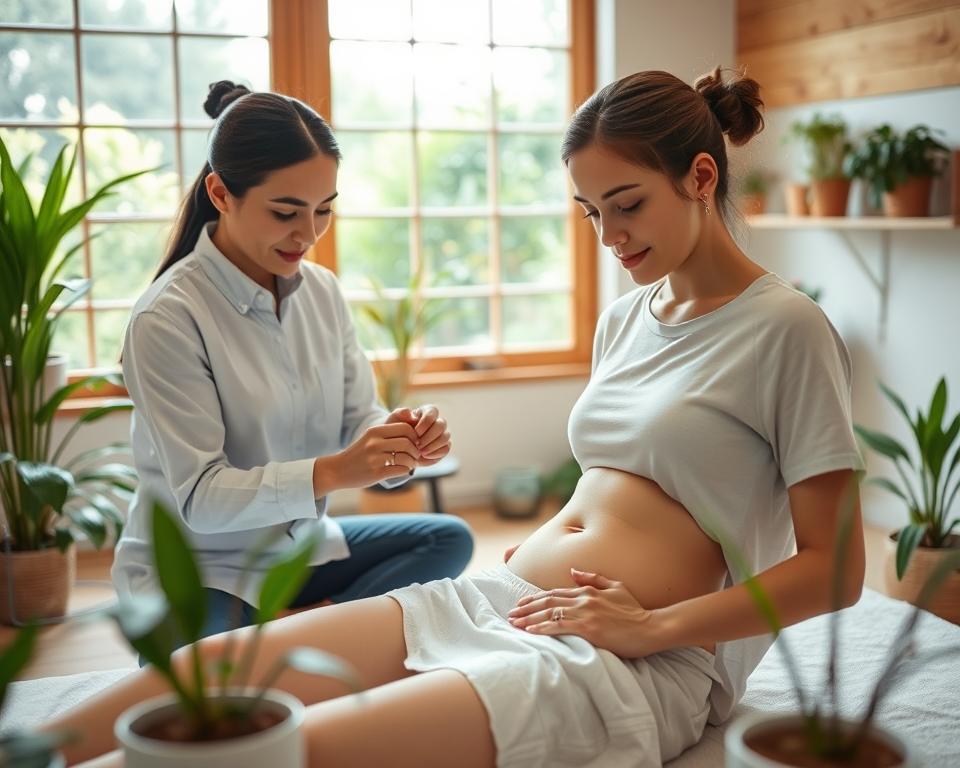
Acupuncture techniques for fertility aim to boost reproductive health through targeted treatments. Studies show these methods, when done by a skilled fertility acupuncture specialist, can improve blood flow to the uterus and ovaries. This boost in circulation is vital for the reproductive system’s health, essential for conception.
How Acupuncture Might Improve Reproductive Health
Acupuncture could be a natural fertility solution by balancing hormones. Hormones play a key role in regulating ovulation and menstrual cycles. By stimulating specific body points, acupuncture releases endorphins and hormones. This leads to lower stress levels, creating a better environment for conception.
Potential Benefits for Women with Hormonal Imbalance
Hormonal imbalances, like those in polycystic ovary syndrome (PCOS), can block fertility. Acupuncture techniques for fertility can help by easing symptoms of these conditions. Regular treatment can improve hormonal levels, boosting ovulation and fertility chances. It’s a valuable part of a natural fertility strategy.
Fertility and Acupuncture: Benefits and Risks
Acupuncture brings several benefits to fertility treatments, but it’s vital to understand its safety. When done by skilled practitioners, it’s seen as safe, with few health risks. Knowing both the advantages and possible downsides helps in making informed choices.
Safety of Acupuncture During Fertility Treatments
Acupuncture is used to support fertility by balancing hormones and improving reproductive health. It’s popular among those facing fertility issues. Research shows it can improve blood flow to reproductive areas and stabilize hormone levels. This benefits both men and women, including those with male infertility.
Possible Side Effects of Acupuncture
While generally safe, acupuncture can cause mild side effects. These include:
- Bruising at needle sites
- Irritation or soreness
- Dizziness
Severe side effects are rare, especially if the practitioner uses correct techniques. Choosing a qualified acupuncturist is key to reducing risks. Knowing these possible side effects helps patients approach acupuncture with confidence in their fertility journey.
Additional Resources to Read:
PRP (Platelet-Rich Plasma) Therapy for Fertility
How are Surrogate Mothers Screened?
Understanding Sperm Morphology, Motility, and Count
How Fertility Preservation Supports Transgender Parents
Conclusion
Acupuncture can be a supportive complementary therapy for fertility, especially in reducing stress and improving overall well-being, but the science behind its direct impact on conception and IVF success remains mixed. By understanding the difference between evidence-based benefits and common myths, intended parents can make informed choices about including acupuncture in their fertility journey. Used alongside proven medical treatments, it may enhance emotional balance and comfort, helping create a more positive path to parenthood.
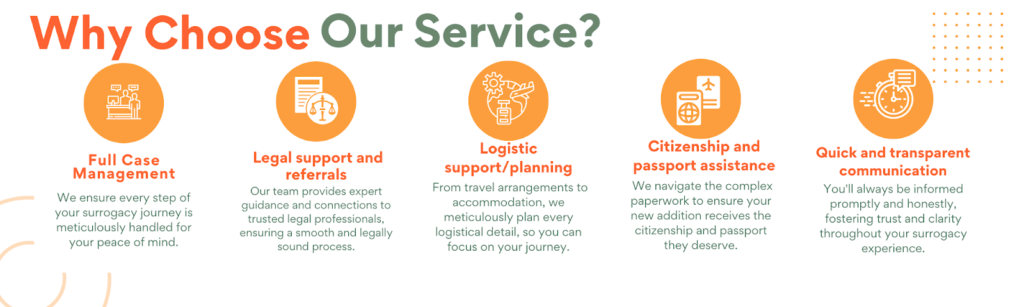
💫 Why Intended Parents Choose Complete Surrogacy for a Safe, Smooth & Successful Surrogacy Journey:
🌍 Access to multiple surrogacy destinations with 15+ years of international experience
🏥 Partnerships with top-tier fertility clinics and agencies, backed by references from past clients
👩🦱 Diverse egg donor options: Asian, Caucasian, African, Oriental, and more
💸 Transparent and affordable pricing—direct payments with no extra agency fees
🔒 No hidden costs—all charges are agreed upon upfront
🤝 Dedicated case manager for personalized support
📲 Fast, honest, and clear communication throughout
📑 Full legal support for visas, documentation, and baby exit processes
🚚 Assistance with frozen sperm/embryo shipment logistics
FAQ-Fertility and Acupuncture
What is acupuncture, and how does it relate to fertility?
Acupuncture is a traditional Chinese medicine practice. It involves inserting thin needles into specific points on the body. This stimulates energy flow or qi. It’s used to treat fertility issues by balancing hormones, improving blood flow, relieving stress, and addressing conditions like PCOS.
Is there scientific evidence supporting acupuncture’s effectiveness for fertility?
Research on acupuncture’s benefits for fertility is mixed. A major study found no significant difference in live birth rates between real and sham acupuncture. Critics highlight methodological flaws in studies, questioning acupuncture’s proven impact on fertility.
What does the scientific community say about using acupuncture for fertility treatments?
The World Health Organization (WHO) acknowledges acupuncture as a valid treatment for various conditions. Yet, they stress the need for ongoing research in fertility treatments. Medical professionals remain cautious, citing the lack of conclusive evidence on its effectiveness for infertility.
What specific acupuncture techniques may benefit reproductive health?
Techniques for fertility focus on improving blood flow to the uterus and ovaries. They aim to balance hormones and reduce stress. These methods aim to create a conducive environment for conception and alleviate symptoms of hormonal imbalances and PCOS.
Is acupuncture safe when used for fertility treatments?
Acupuncture is generally safe when performed by certified practitioners. Minor side effects like bruising or irritation can occur. Serious adverse effects are rare. Choosing a qualified acupuncturist is key to ensuring safety and effectiveness.
Can acupuncture be used alongside other fertility treatments like IVF?
Yes, acupuncture is often used alongside treatments like IVF. It’s part of a holistic approach to fertility care. There are no known contraindications when performed by a qualified specialist.
How can I find a qualified acupuncturist for fertility issues?
To find a qualified acupuncturist for fertility, seek recommendations from healthcare providers. Check credentials and look for practitioners with reproductive health experience. Visiting a fertility acupuncture clinic can provide access to specialists with proven expertise.

Author Bio: Neelam Chhagani is an International Surrogacy Expert with 15 years of experience in the fertility and surrogacy domain. As the founder of IVF Conceptions and Complete Surrogacy, she has guided over 4,000 intended parents worldwide on their surrogacy journey to parenthood. Recognized as a trusted authority, she specializes in holistic infertility solutions and third-party reproduction consulting.
Holding an MA in Counselling Psychology and a PGD in Mental Health, Neelam is a proud member of the European Fertility Society (EFS) and the European Society of Human Reproduction and Embryology (ESHRE). She is also a leading surrogacy blogger, providing valuable insights into ethical and practical surrogacy solutions.
Since 2010, committed to supporting ALL family types, Neelam has been passionate about helping intended parents grow their families with compassion, integrity, and a focus on secure and affordable surrogacy options Globally.
Learn more about Neelam:
https://www.ivfconceptions.com/neelam-chhagani-surrogacy-consultant/
https://www.linkedin.com/in/neelam-chhagani-92892229/












I was introduced to Neelam by a friend who worked with Neelam for surrogacy. Neelam is absolutely wonderful. I am a single male and the journey to fatherhood is not that easy. Neelam connected me to a program ideal for my circumstances. She was with me throughout the pregnancy providing advice and guidance along the way. I am so grateful I found her and am thrilled today that I have a beautiful daughter. I highly recommend Neelam to anyone who is on a journey to become a parent. Having a child has changed my world for the better. I wish others success with their own journey and recommend you connect with Neelam to find a path that is best for you.
SA (USA)