Combining Fertility Treatments with Surrogacy for Higher Success.

Combining fertility treatments with surrogacy for higher success can significantly improve the chances of achieving a healthy pregnancy, especially for intended parents facing complex fertility challenges. Advanced treatments such as IVF, ICSI, PGT-A genetic testing, and hormone optimization help create healthier embryos, while surrogacy provides a medically ideal uterine environment when carrying a pregnancy is […]
How Lifestyle Choices Today Affect Fertility in 5–10 Years.
Understanding how lifestyle choices today affect fertility in 5–10 years is essential for anyone planning future parenthood, as daily habits have long-term effects on reproductive health. Factors such as poor diet, smoking, excessive alcohol use, chronic stress, lack of exercise, and exposure to environmental toxins can gradually damage egg and sperm quality, disrupt hormone balance, […]
How Thyroid Health Affects Fertility in Men & Women.
Understanding how thyroid health affects fertility in men & women is crucial because thyroid hormones play a central role in regulating metabolism, ovulation, sperm production, and overall reproductive balance. In women, untreated hypothyroidism or hyperthyroidism can disrupt menstrual cycles, impair ovulation, increase miscarriage risk, and reduce IVF success rates, while proper treatment often restores fertility […]
How to Improve Sperm Health: Testing, Quality, and Ways to Boost It
Improving sperm health starts with lifestyle choices that support overall reproductive well-being, including a balanced diet rich in antioxidants, regular exercise, maintaining a healthy weight, and avoiding smoking or excessive alcohol. Keeping testicles cool by reducing heat exposure from hot tubs, saunas, or tight clothing also helps protect sperm quality. Managing stress, getting enough sleep, […]
Egg Freezing Before 30 vs After 35: Success Rates Compared

Deciding on egg freezing before 30 vs after 35 can make a significant difference in future fertility outcomes. Women under 30 typically have a higher ovarian reserve and better egg quality, meaning a greater number of frozen eggs with stronger chances of successful pregnancy later through IVF. After 35, egg quantity and genetic normalcy naturally […]
Fertility Preservation for Future Surrogacy or IVF
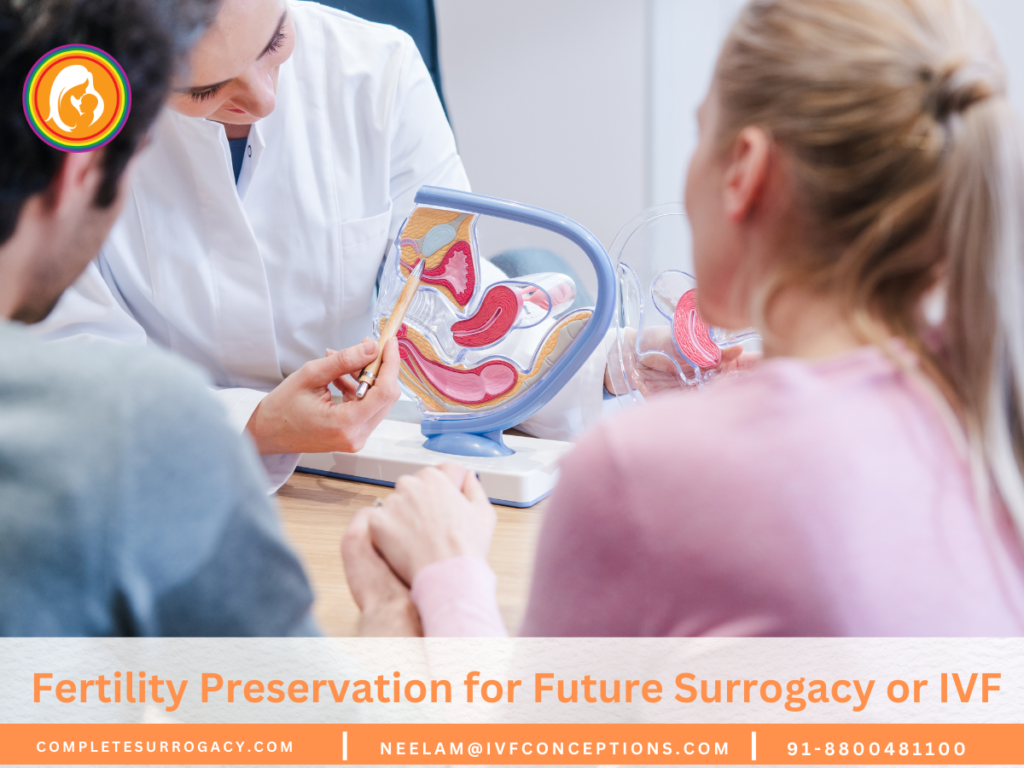
Planning with fertility preservation for future surrogacy or IVF is becoming increasingly important for individuals and couples who want to protect their ability to have biological children later in life. Whether due to medical treatments like chemotherapy, age-related fertility decline, or personal circumstances such as waiting for the right partner or pursuing international surrogacy, options […]
Fertility After Chemotherapy: What Science Says
Fertility After Chemotherapy — Chemotherapy can significantly reduce reproductive potential for both women and men, with the degree of damage depending on the specific drugs, doses, and the patient’s age. In women, many agents (especially alkylating drugs) sharply lower ovarian reserve and anti-Müllerian hormone (AMH) levels during treatment; some patients experience partial hormonal recovery over […]
Understanding Sperm Morphology, Motility, and Count
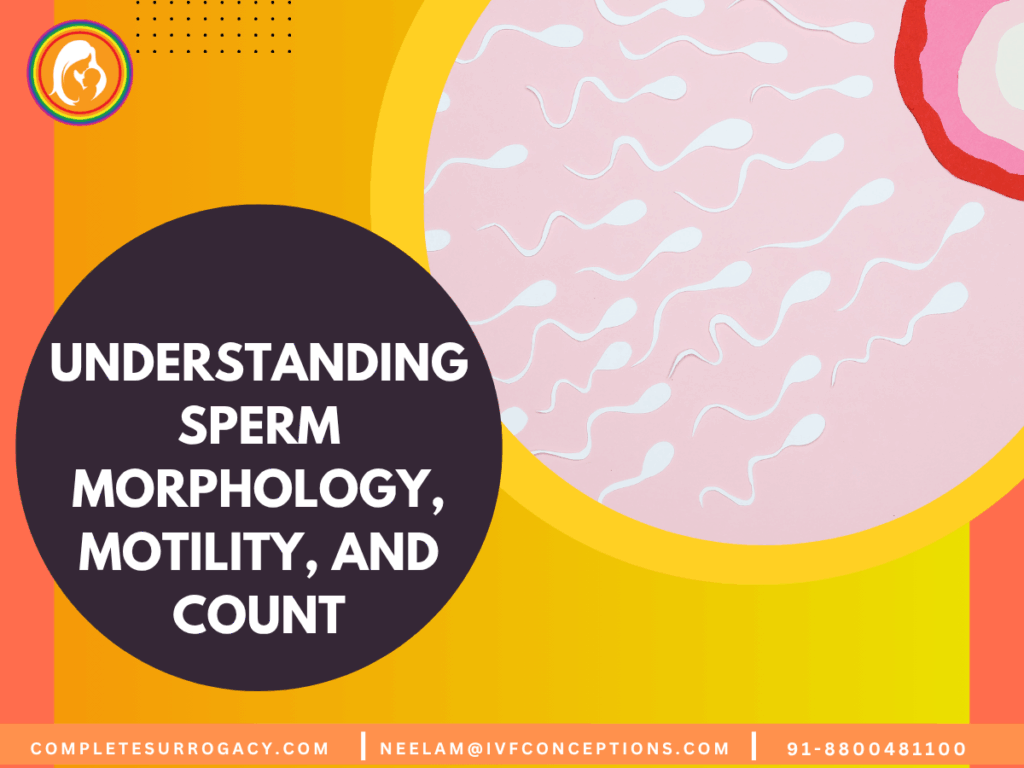
Male fertility depends on several key factors, which is why understanding sperm morphology, motility, and count is essential for couples trying to conceive. Each of these parameters—shape, movement, and quantity—plays a critical role in the sperm’s ability to reach and fertilize the egg. In this article, we’ll break down what each factor means, how it’s […]
PGT-A Cost in Surrogacy: What to Expect

Understanding the PGT-A cost in surrogacy is essential for intended parents who want to maximize the chances of a healthy pregnancy and minimize IVF failure or miscarriage. PGT-A, or Preimplantation Genetic Testing for Aneuploidy, is an advanced screening technique used to identify chromosomally normal embryos before transfer. While adding PGT-A to your surrogacy journey can […]
PCOS and IVF: Improving Your Chances of Conception
About 9-18% of women of reproductive age have polycystic ovary syndrome (PCOS). This condition makes it hard to get pregnant and changes how women conceive. For those dealing with PCOS, in vitro fertilization (IVF) is a strong way to beat fertility hurdles. PCOS makes fertility treatments tough, with up to 80% of women facing ovulation […]