

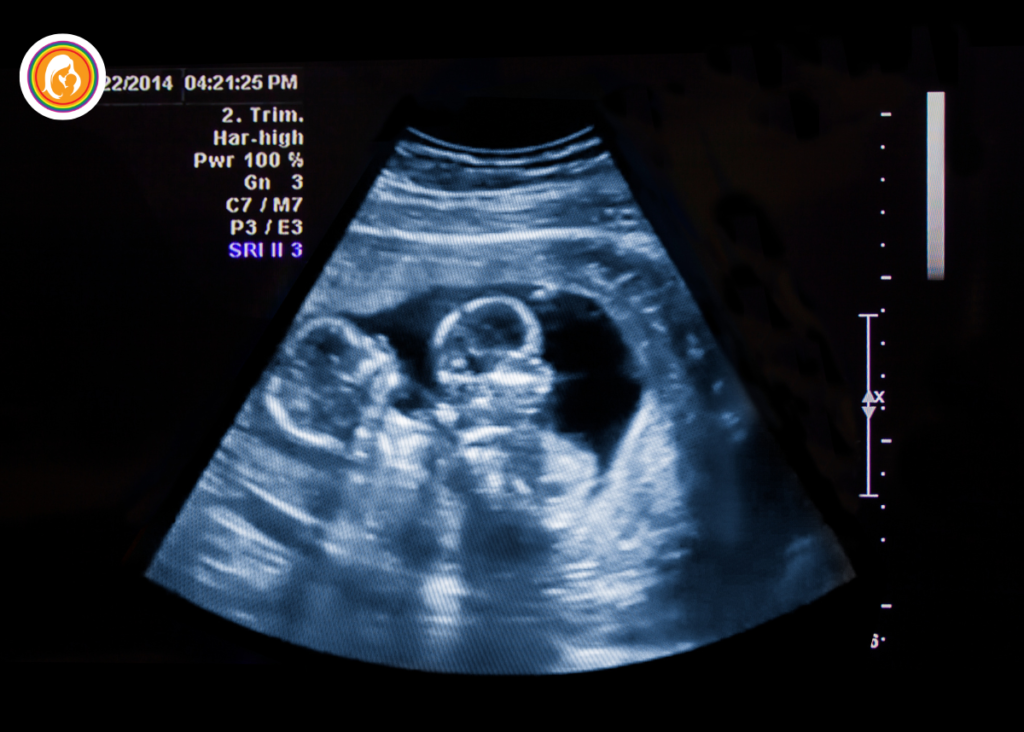
Yes, IVF babies can be twins, and in fact, the chances of twins (or even triplets) are higher with IVF compared to natural conception. However, the likelihood of having twins through IVF depends on several factors, including how many embryos are transferred during the procedure.
Why IVF Increases the Chances of Twins
During IVF (In Vitro Fertilization), one or more embryos are transferred into the uterus. When two embryos are transferred, there’s a possibility that:
- Both embryos implant and develop, resulting in fraternal twins
- One embryo splits into two, leading to identical twins
- Rarely, both embryos implant, and one of them splits, causing triplets
📊 According to fertility statistics, twin births occur in about 20–30% of IVF pregnancies where two or more embryos are transferred
Key Takeaways
- IVF can result in twin pregnancies through specific transfer methods
- Single embryo transfers have a low but existing twin pregnancy rate
- Medical expertise plays a crucial role in managing multiple birth risks
- Twin pregnancies in IVF require specialized medical monitoring
- Patients have multiple options for managing embryo transfer strategies
📞 Get in Touch for a Free Surrogacy Consultation
📱 +91-8800481100 (WhatsApp | LINE | Viber)
📧 neelam@ivfconceptions.com
Understanding Twin Conception Through IVF
Fertility treatments have changed how we think about having children. IVF is a big part of this change. It lets people have babies in new ways, like through embryo transfer and twin conception.
IVF has made twin pregnancies more common. Now, people trying to have babies have more choices. They can plan their journey to parenthood better.
Types of IVF Twin Pregnancies
There are two main ways twins can happen in IVF:
- Identical Twins (Monozygotic): Happen when one embryo splits after being transferred
- Fraternal Twins (Dizygotic): Occur when more than one embryo is transferred
Natural vs. IVF Twin Formation
IVF is different from natural conception. It lets doctors control the chances of twins. The eSET method is now used more often. It helps avoid the risks of having too many babies at once.
Current Statistics and Trends
Recent studies show fewer twins are being born through IVF. Doctors are focusing on having one healthy baby instead of multiple babies.
The goal is to keep both mom and baby healthy with careful planning.
Factors Influencing Twin Pregnancies in IVF
Understanding IVF twin pregnancies involves looking at many important factors. These factors include laboratory practices and patient characteristics. They play a big role in whether twins can be conceived through IVF.
Key factors affecting IVF twin risks include:
- Maternal age and reproductive health
- Specific laboratory techniques
- Embryo quality and transfer protocols
- Body mass index (BMI)
Advanced laboratory practices greatly affect the chance of having twins through IVF. Techniques like assisted hatching, intracytoplasmic sperm injection (ICSI), and preimplantation genetic testing can increase this chance.
Embryo transfer strategies are also crucial. Doctors consider:
- Patient’s reproductive history
- Age-related fertility challenges
- Embryo genetic screening results
- Individual health considerations
Women under 35 with good reproductive health have a higher chance of twins through IVF. Medical evaluation and personalized treatment are key to managing risks.
Do IVF Clinics Still Transfer Multiple Embryos?
Modern IVF practices now recommend single embryo transfer (SET) — especially for women under 35 with a good prognosis — to reduce the risk of multiple pregnancies, which can lead to:
- Preterm birth
- Low birth weight
- Higher pregnancy risks for both mother and baby
🧪 Clinics often use blastocyst grading and genetic testing (PGT-A) to pick the best-quality embryo for single transfer, while freezing others.
Can You Choose to Have Twins with IVF?
While some couples express interest in twins, fertility doctors typically discourage multiple embryo transfers unless medically indicated. The focus is now on a safe, healthy singleton pregnancy.
Factors That Influence IVF Twin Rates
- Number of embryos transferred
- Maternal age (younger women have higher implantation rates)
- Embryo quality
- Use of donor eggs
- Previous pregnancies or IVF history
Can IVF Babies Be Twins? Understanding the Chances and Risks
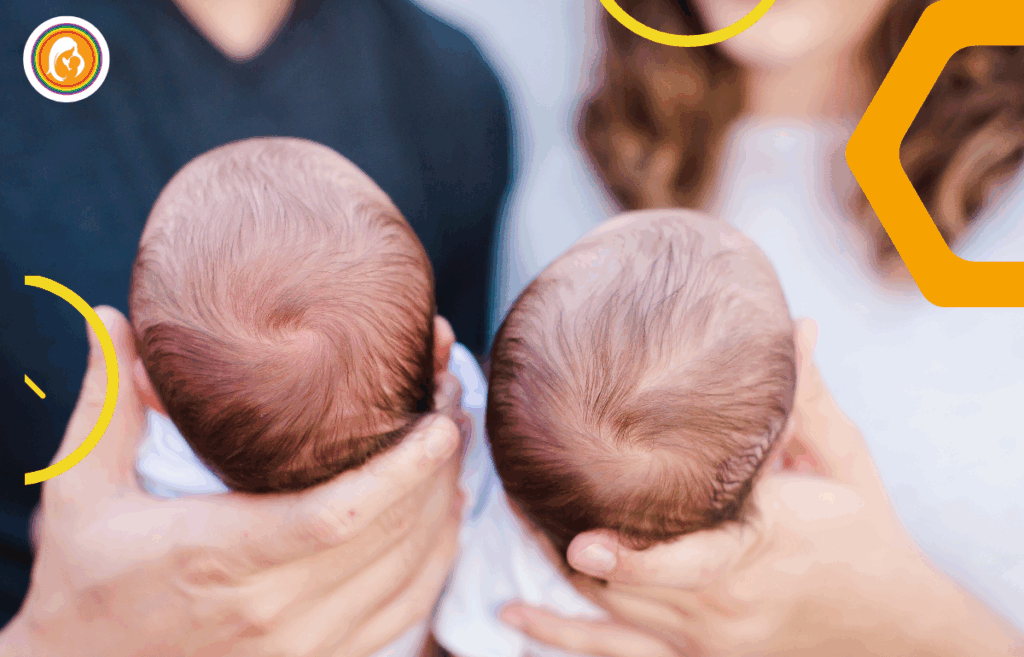
Couples thinking about IVF often ask if they can have twins. The journey of IVF twin conception is full of opportunities and challenges. It’s a big step for those looking into fertility treatments.
The chance of having twins after IVF depends on many factors. Doctors have developed advanced ways to manage these outcomes.
Probability of Identical Twins
Identical twins are rare in IVF. Studies show that about 1-3% of IVF pregnancies are monozygotic (identical). This happens when a single embryo splits early in development.
- Spontaneous embryo splitting rate: 1-3%
- Genetic predisposition plays a minimal role
- Embryo quality influences twinning potential
Likelihood of Fraternal Twins
Fraternal twins are more common in IVF. When doctors transfer more than one embryo, the chance of having dizygotic (fraternal) twins goes up a lot.
| Embryo Transfer Strategy | Twin Pregnancy Probability |
|---|---|
| Single Embryo Transfer | 1-2% |
| Double Embryo Transfer | 20-30% |
Single Embryo Transfer Outcomes
Today, doctors often suggest transferring just one embryo. This lowers the risk of complications from twin pregnancies. Advanced screening techniques help pick the best embryo, boosting success rates.
It’s important for patients to talk to fertility experts. They can explain the chances of having twins based on individual factors. This helps understand treatment outcomes better.
Medical Considerations in IVF Twin Pregnancies
IVF fraternal twins come with special medical challenges. They need careful care and constant watch. Women with IVF and multiple births face higher risks than those with single babies.
Having twins from IVF means dealing with complex health issues. Both the mother and the babies face risks. Some of these risks include:
- Premature birth
- Low birth weight
- Increased cesarean section likelihood
- Higher risk of pregnancy complications
Doctors suggest close monitoring for twin pregnancies from IVF. Specialized prenatal care is key to handling health challenges.
Some specific health concerns are:
- Twin-Twin Transfusion Syndrome (TTTS)
- Pre-eclampsia
- Gestational diabetes
- Increased maternal nutritional requirements
Emotional support is vital for high-risk twin pregnancies. Expectant mothers need thorough medical advice and mental health support. This helps them through these complex reproductive journeys.
Early detection and proactive management are key to successful outcomes in IVF twin pregnancies.
Single Embryo Transfer vs Multiple Embryo Transfer
Fertility treatments have changed how people try to have babies. When looking into IVF, patients must choose between single or multiple embryo transfers. This choice affects their chances of getting pregnant and the possibility of having twins.
The field of fertility treatments and twin rates has grown a lot. Doctors now suggest more careful ways to transfer embryos.
Benefits of Single Embryo Transfer
Single embryo transfer (SET) has many good points for those trying IVF:
- Less chance of identical twins ivf problems
- Lower risk of issues with multiple pregnancies
- Better choice of embryos
- Healthier pregnancies overall
Guidelines for Multiple Embryo Transfer
Even though SET is getting more popular, there are still times when doctors suggest transferring more than one embryo. This might be for fraternal twins IVF cases where there are special reasons.

Success Rates Comparison
A 2016 study in BMJ showed important findings. Women who chose single embryo transfer were almost five times more likely to have a healthy single baby. This is compared to the usual method of transferring more embryos.
Choosing selective reduction IVF twins is a big decision. It involves both medical and personal factors. Patients need to talk a lot with their doctors to understand their situation.
Getting personalized advice is key when deciding on IVF embryo transfer options.
Managing Twin Pregnancy Risks in IVF
Managing an IVF twin pregnancy needs careful medical care and proactive steps. The risks of having twins through IVF are high. So, getting specialized care is very important for expecting parents.
Here are some key strategies for managing these risks:
- Frequent prenatal check-ups with a high-risk pregnancy specialist
- Comprehensive nutritional planning
- Advanced monitoring of fetal development
- Understanding potential complications
Nutrition is key to IVF twins’ chances. Expectant mothers should:
- Eat more protein
- Take more folic acid
- Eat balanced nutrients
- Drink plenty of water
Stress management is crucial during managing ivf twin pregnancy. Patients should join support groups, get counseling, and try relaxation techniques to stay emotionally well.
Early detection and proactive management are key to a successful twin pregnancy outcome.
Doctors suggest tailored physical activity and bed rest based on each pregnancy. Regular ultrasounds and genetic screenings track the twins’ growth. They also spot any risks early.
Additional Resources to read:
Can Single Embryo Transfer Result in Twins?
Having Surrogacy Twin Babies with Different Fathers
Best Countries for Legal Surrogacy
Conclusion
Yes, IVF can result in twins, but multiple births also come with medical risks. With advancements in technology and better embryo selection, most fertility clinics today aim for one healthy baby at a time.
If you’re considering IVF and are curious about the possibility of twins, always discuss it with your fertility specialist — they will guide you based on your age, health, and treatment goals.
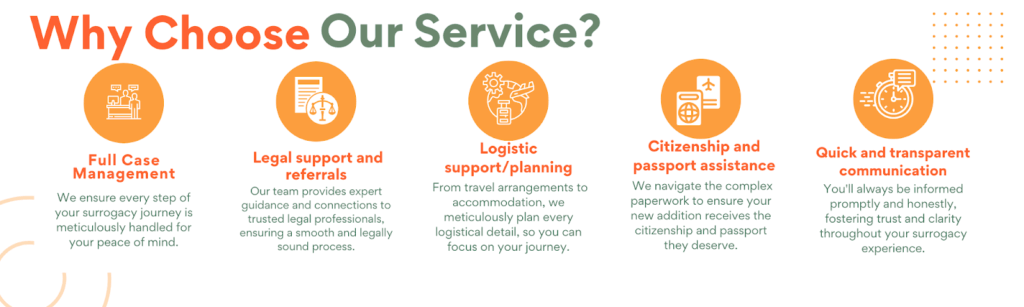
💫 Why Intended Parents Choose Complete Surrogacy for a Safe, Smooth & Successful Surrogacy Journey:
🌍 Access to multiple surrogacy destinations with 15+ years of international experience
🏥 Partnerships with top-tier fertility clinics and agencies, backed by references from past clients
👩🦱 Diverse egg donor options: Asian, Caucasian, African, Oriental, and more
💸 Transparent and affordable pricing—direct payments with no extra agency fees
🔒 No hidden costs—all charges are agreed upon upfront
🤝 Dedicated case manager for personalized support
📲 Fast, honest, and clear communication throughout
📑 Full legal support for visas, documentation, and baby exit processes
🚚 Assistance with frozen sperm/embryo shipment logistics
FAQs: Can IVF babies be twins
What are the chances of having twins through IVF?
IVF makes it more likely to have twins than natural conception. The rate can be between 20-40%. This depends on age, embryo quality, and how the embryo is transferred. But, doctors often choose to transfer just one embryo to avoid risks.
Are IVF twins more likely to be identical or fraternal?
IVF can lead to both identical and fraternal twins. Fraternal twins are more common and happen when more than one embryo is transferred. Identical twins can also occur, even with just one embryo, if it splits after implantation.
What are the primary risks associated with IVF twin pregnancies?
IVF twin pregnancies have higher risks. These include: – Premature birth – Low birth weight – More maternal complications – Higher chance of gestational diabetes – Increased risk of preeclampsia Monitoring is key to manage these risks.
How do doctors manage the risks of multiple embryo transfers?
Doctors now often recommend transferring just one embryo. This is called elective single embryo transfer (eSET). It helps avoid the risks of twins while keeping pregnancy success rates high.
Can I choose to have twins through IVF?
Some people want twins, but most clinics don’t encourage it. They focus on the health of the mother and the baby. They usually suggest transferring just one embryo, except in certain medical cases.
What factors increase the likelihood of twins in IVF?
Several things can increase the chance of twins in IVF. These include: – Younger maternal age – BMI – Number of embryos transferred – Embryo quality – Genetic tendency to twins Talking to a reproductive specialist can give you a better idea of your chances.
How are IVF twin pregnancies monitored differently?
IVF twin pregnancies need more careful monitoring. This includes: – More ultrasound checks – Special diet advice – Increased prenatal tests – More blood work – Possible referral to specialists These steps help ensure the best outcomes for the mother and babies.

Author Bio: Neelam Chhagani is an International Surrogacy Expert with 15 years of experience in the fertility and surrogacy domain. As the founder of IVF Conceptions and Complete Surrogacy, she has guided over 4,000 intended parents worldwide on their surrogacy journey to parenthood. Recognized as a trusted authority, she specializes in holistic infertility solutions and third-party reproduction consulting.
Holding an MA in Counselling Psychology and a PGD in Mental Health, Neelam is a proud member of the European Fertility Society (EFS) and the European Society of Human Reproduction and Embryology (ESHRE). She is also a leading surrogacy blogger, providing valuable insights into ethical and practical surrogacy solutions.
Since 2010, committed to supporting ALL family types, Neelam has been passionate about helping intended parents grow their families with compassion, integrity, and a focus on secure and affordable surrogacy options Globally.
Learn more about Neelam:
https://www.ivfconceptions.com/neelam-chhagani-surrogacy-consultant/
https://www.linkedin.com/in/neelam-chhagani-92892229/















I was introduced to Neelam by a friend who worked with Neelam for surrogacy. Neelam is absolutely wonderful. I am a single male and the journey to fatherhood is not that easy. Neelam connected me to a program ideal for my circumstances. She was with me throughout the pregnancy providing advice and guidance along the way. I am so grateful I found her and am thrilled today that I have a beautiful daughter. I highly recommend Neelam to anyone who is on a journey to become a parent. Having a child has changed my world for the better. I wish others success with their own journey and recommend you connect with Neelam to find a path that is best for you.
SA (USA)